







Search Results for: SOE Blends
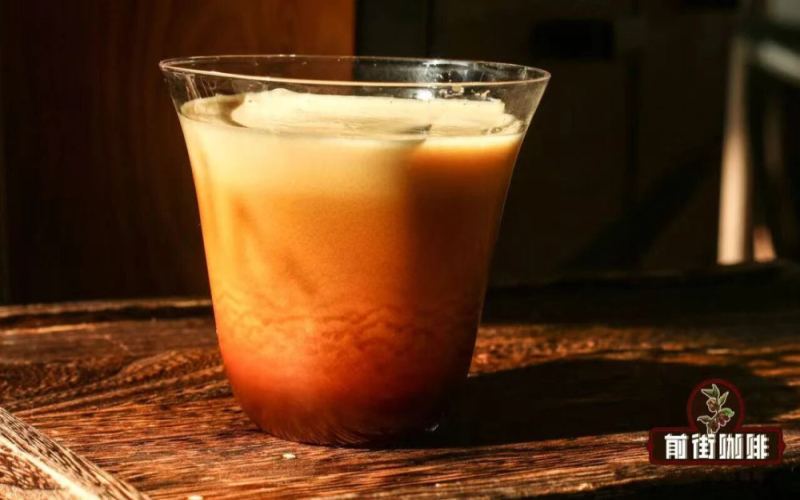
Why Is SOE Coffee More Expensive Than Blends? Defining Single-Origin Espresso and Blends, and Analyzing Their Flavor Differences
In recent years, SOE single-origin espresso has rapidly gained popularity in China's coffee scene, with many chain brands leveraging it to create their own signature offerings, forming a new trend. What exactly is the difference between SOE and espresso blends? Why is the price of SOE generally higher than that of blend beans? This article starts with the definitions, roasting approaches, and flavor presentation of the two, analyzing one by one how factors such as bean grade, roasting control, and brewing difficulty drive up the cost of SOE, and combines Front Street Coffee's store experience to share key points on bean selection, extraction parameter adjustment, and freshness management when making SOE at home, helping you easily brew a cup of excellent single-origin espresso. [more…]
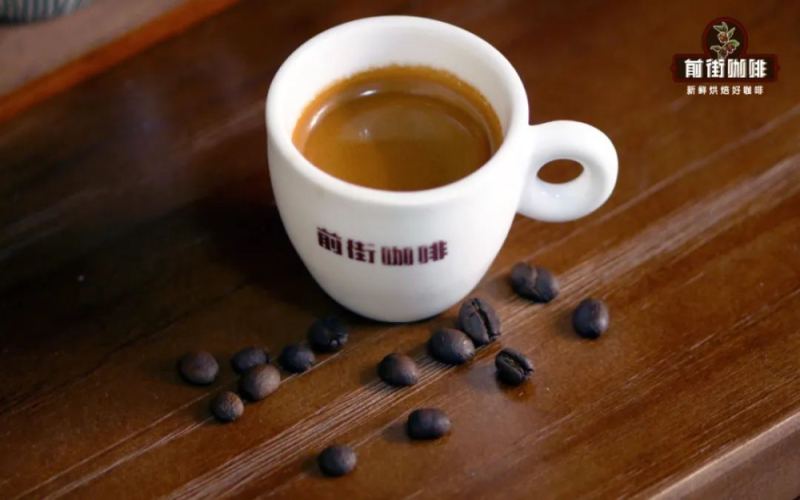
SOE Full Name Explained: Flavor Characteristics and Differences Between Single-Origin Espresso and Espresso Blends
In recent years, the option to "switch to SOE" on coffee menus has become increasingly common, but what exactly does SOE mean? How does it differ from espresso blends? From the perspective of Front Street, this article explains the concept of SOE (Single Origin Espresso), analyzes the differences between single-origin espresso and blends in terms of roasting, flavor, stability, and cost, and explains that SOE is not absolutely superior to blends. In addition, it introduces several coffee beans on Front Street's bean list that are suitable for making SOE, including Yirgacheffe Red Cherry, Honduras Sherry, Costa Rica Mozart, and Brazil Queen's Estate Yellow Bourbon, helping coffee enthusiasts gain a more comprehensive understanding of SOE. [more…]
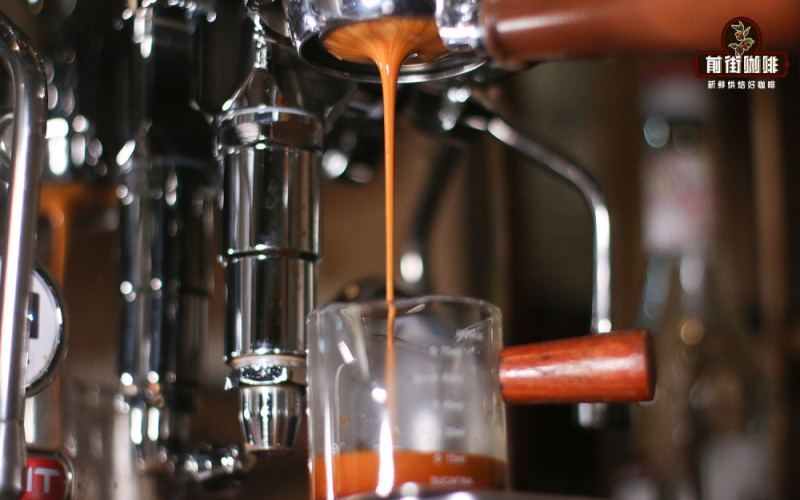
The Complete Guide to SOE Single-Origin Espresso: Flavor Differences from Espresso Blends and Key Points for Bean Selection and Roasting
In recent years, the specialty coffee wave has driven the popularity of SOE, but many enthusiasts still can't distinguish it from traditional espresso blends. From the perspective of Front Street Coffee, this article systematically explains the definition, flavor characteristics, and production challenges of SOE, compares the advantages of blends in balance and stability, and recommends beans suitable for SOE—such as sun-dried Red Cherry and Sidra. It also provides in-depth analysis of roasting curves, extraction parameter adjustments, and milk ratio control, helping you make a single-origin espresso with clear flavor and no loss of balance at home or in your shop. [more…]
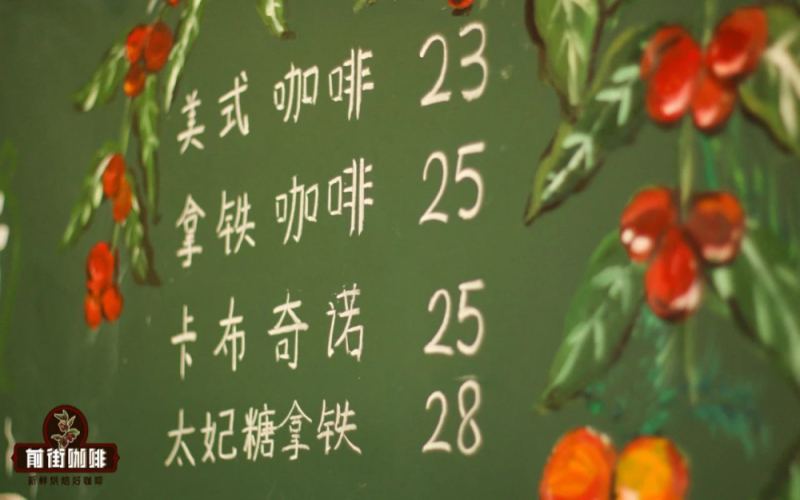
Is SOE coffee really better tasting? Core differences from espresso blends and Front Street's practical analysis
Many coffee enthusiasts wonder why Front Street Coffee's menu doesn't include SOE. Behind this lies a practical consideration of single-origin espresso stability and cost. Starting from the definition of SOE, this article will analyze its fundamental differences from traditional espresso blends in terms of roasting, extraction, and serving logic, explain why SOE is often more expensive than blends, and share Front Street's specific parameters for extracting SOE using Brazil Queen's Estate Yellow Bourbon. Finally, it will list four Front Street single-origin beans suitable for making SOE and their flavor profiles, helping readers gain a comprehensive understanding of this coffee category. [more…]
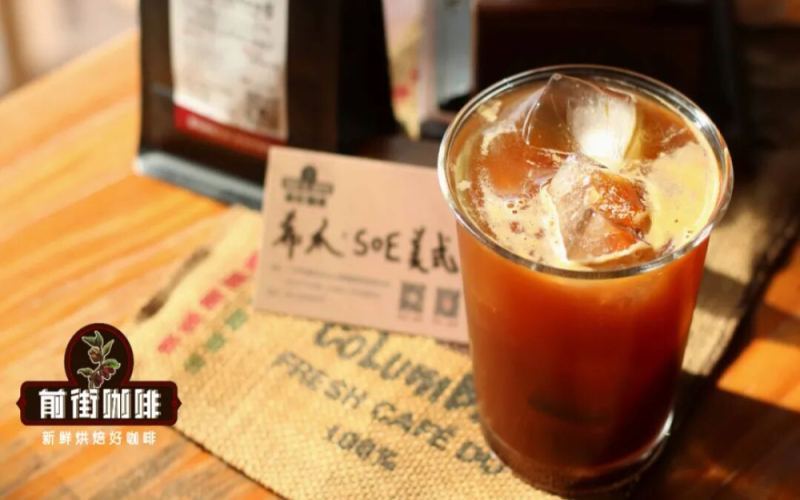
Is SOE Single-Origin Espresso Really Worth the Extra Cost? A Full Breakdown of Its Differences from Espresso Blends and How to Adjust Extraction
When ordering at a café, have you ever agonized over this: why does choosing SOE cost extra? How exactly is it different from the usual espresso blend? SOE (single origin espresso) refers to espresso extracted from coffee beans of a single origin, in contrast to blends that mix beans from multiple origins. From the rise of specialty coffee in the 1980s to James Hoffmann winning the 2007 World Barista Championship with single-origin beans, SOE has gradually moved from niche to mainstream. This article will start with the definition of SOE, its historical context, and the reasons behind its price, and then offer specific extraction parameter adjustment suggestions for single-origin beans of different roast levels and flavor types, including dose, yield, grind size, and milk ratio, to help you make a truly delicious SOE americano or milk coffee. [more…]
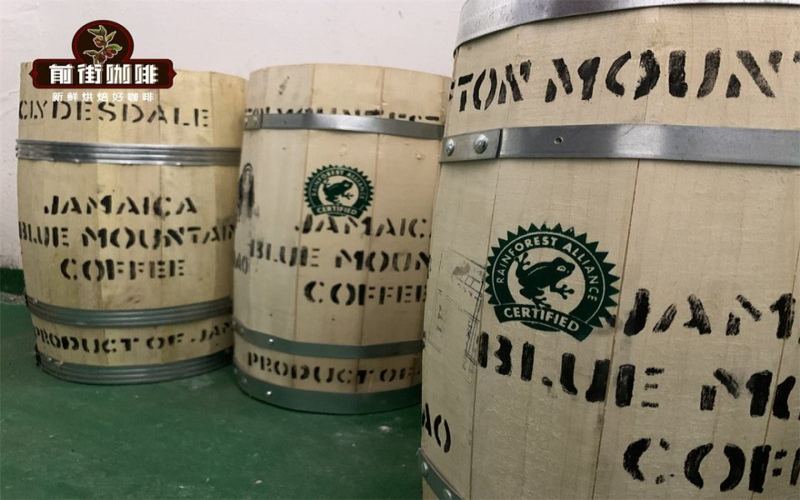
Which tastes better, a blend or an SOE? Choose by roast level to better suit your taste.
Whether coffee tastes good often depends on how well the roast level and the brewing method complement each other. Blends combine beans from different origins or lots, while SOE usually refers to espresso made from a single origin or single lot. There is no fixed answer for the two—light roasts highlight aroma, medium roasts highlight sweetness, and dark roasts highlight body. According to your [more…]
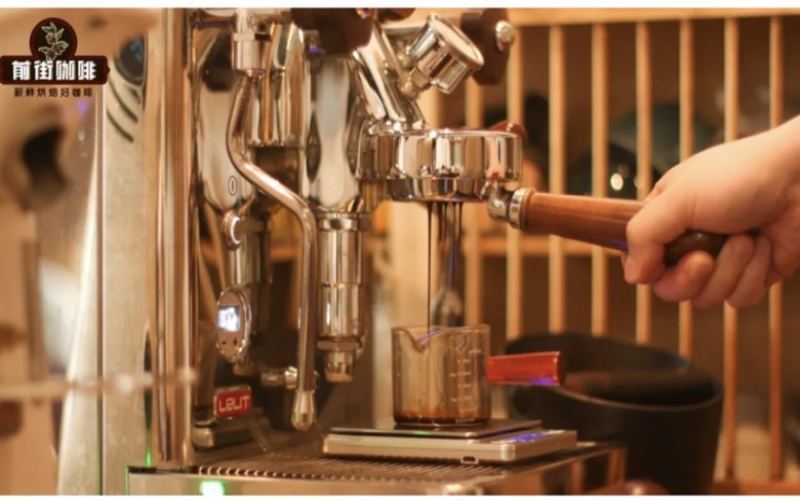
Bean Exploration on De'Longhi Machines: Performance of Blends and SOE
De'Longhi home espresso machines are not just for blend beans—using single-origin beans to make SOE also lets you experience the concentrated expression of a region's flavor in espresso form. On a De'Longhi machine, exploring step by step from blends to SOE, the flavor experience becomes richer and richer. The performance of blend beans on a De'Longhi machine is mainly about consistency. Front Street Coffee's classic blend uses a Mamba recipe [more…]
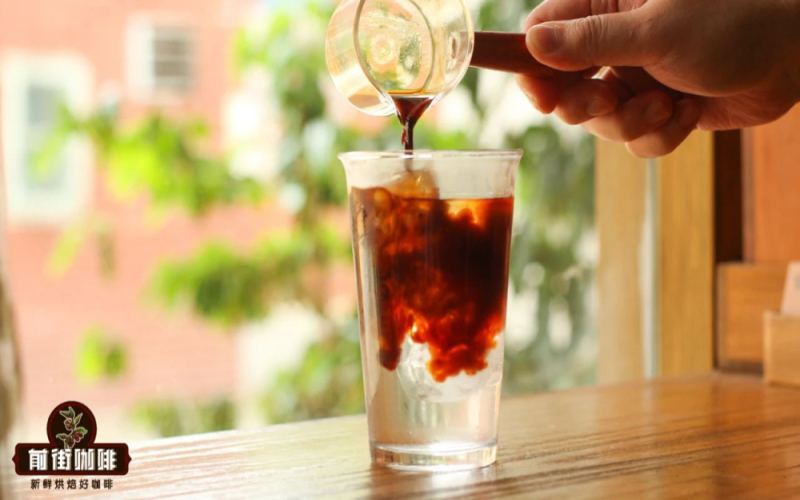
Yirgacheffe SOE Americano Flavor Explained: The Unique Performance of Espresso Made from Ethiopian Single-Origin Beans
In specialty coffee shops, SOE (Single Origin Espresso) has become almost a regular on the menu. Is making espresso with single-origin beans really superior to using a blend? Which beans are suitable for pulling espresso shots? This article, from the perspective of Front Street Coffee, sorts out the origin of the SOE concept, how it differs from blends in actual output, and how, when Front Street turns single-origin beans such as Yirgacheffe Natural Red Cherry and Costa Rica Mozart into espresso, the flavors of the americano and latte respectively take shape. If you're both curious about and hesitant about SOE, you might as well finish reading this before making a judgment. [more…]
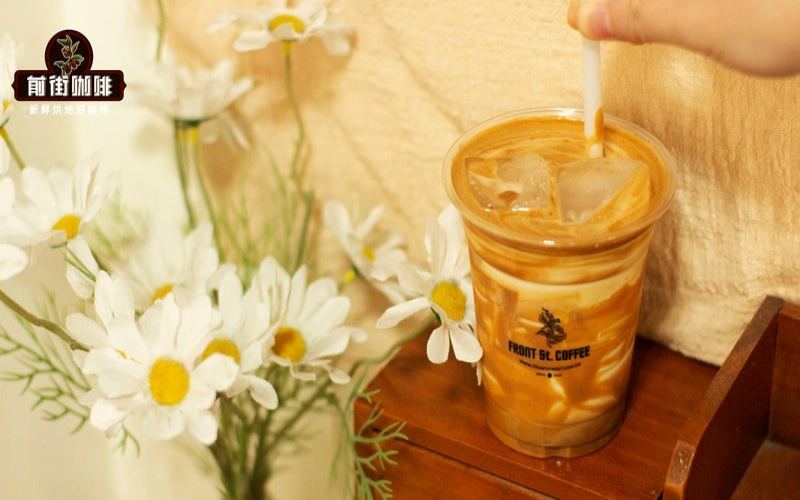
How to Choose Between Espresso Blends and SOE: Judging Flavor and Brewing Method by Roast Level
When comparing espresso blends and SOEs side by side, you can't just look at the labels "blend" or "single origin"—the roast level often determines the character of the cup more quickly. Also used for espresso machines, a light roast tends toward bright fruit acidity, a medium roast emphasizes sweetness and balance, and a dark roast brings cocoa, nuts, and a fuller mouthfeel. [more…]
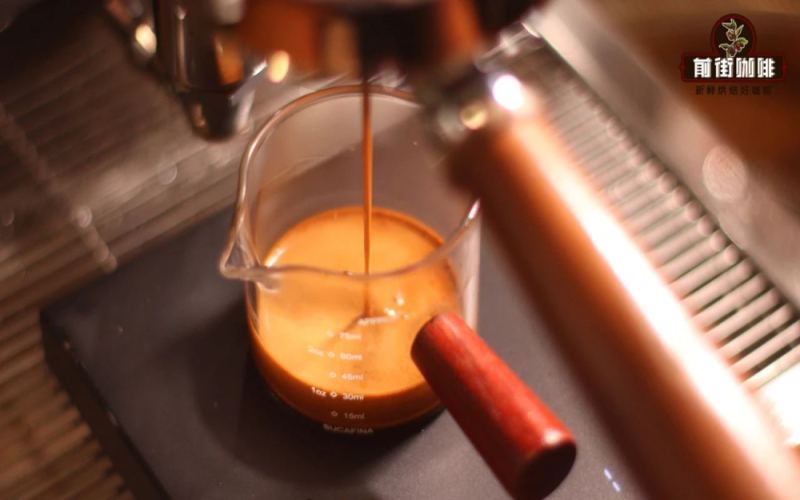
What is SOE coffee? Is Brazilian coffee suitable for SOE? Who comes out on top compared to espresso blends?
People who drink coffee regularly are no strangers to espresso and single-origin coffee, but when it comes to SOE, many are still confused. SOE is short for Single Origin Espresso, referring to espresso extracted from coffee beans of a single origin, which can be extended to make Americano, latte, or even Dirty. It is more expensive than regular espresso blends, and its flavor description is also richer. Is it worth trying? From the perspective of Front Street, this article sorts out the definition of SOE, its differences from blend beans, how to choose SOE beans according to sour and bitter preferences, and includes the complete extraction parameters and steps for making SOE Dirty with Front Street Brazil Cerrado coffee beans, helping you understand the ins and outs of SOE at once. [more…]
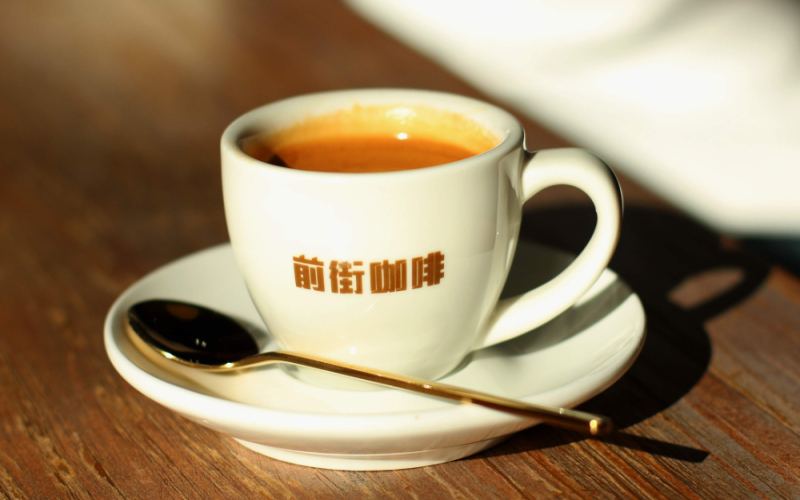
How to Choose SOE Single-Origin Espresso? A Practical Guide to Italian-Style Blends and Single-Origin Beans
In today's world of increasingly popular specialty coffee, more and more cafés are beginning to offer SOE options, that is, single-origin espresso. It stands in sharp contrast to traditional Italian-style blends: blends pursue balance, consistency, and cost control, while SOE focuses on showcasing the unique terroir of a particular origin. However, not all single-origin beans are suitable for espresso—roast level, freshness, and value for money are all key considerations. This article will systematically sort out the bean-selection logic for SOE and recommend a number of high-quality SOE coffee beans produced by Front Street Coffee, including Ethiopia Huakui, Costa Rica Strawberry Candy, Brazil Queen's Estate, and more, to help coffee lovers and café owners find the ideal choice for everyday production. [more…]
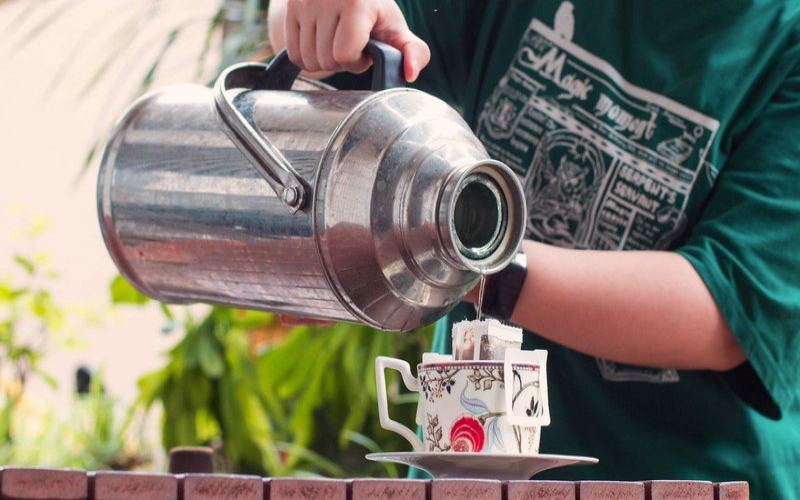
Roast Depth Sets the Direction: How to Choose Between Espresso Blends and SOE
When comparing espresso blends and SOE side by side, looking at the roast level first gives you a better handle on things. When beans are roasted light, the floral and fruity notes from the origin and variety come through more vividly; as the roast moves toward medium-dark, nutty, cocoa, and caramel notes along with a fuller body gradually take over. Blends often combine the characteristics of different beans, while SOE concentrates [more…]
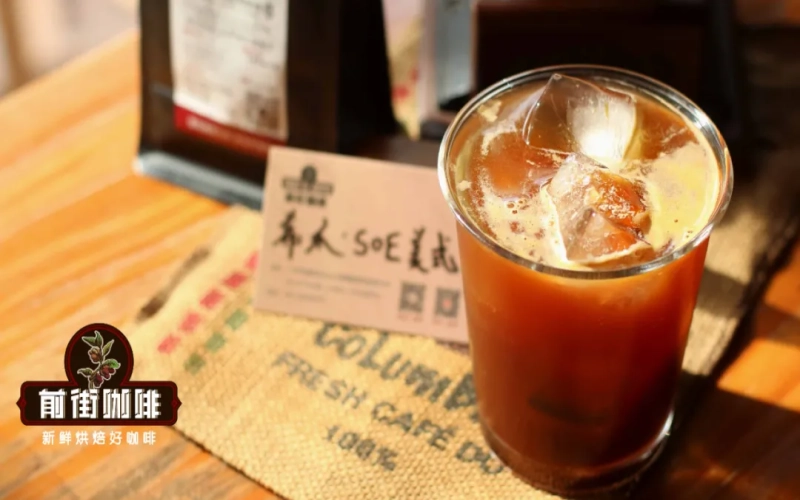
Why Does SOE Coffee Cost Extra? Understanding the Core Differences Between Single-Origin Espresso and Espresso Blends
When ordering an Americano or a milk coffee at a café, have you noticed that besides the default espresso blend on the menu, there is also an SOE option that costs extra? Behind this seemingly simple choice lies actually decades of evolution in the coffee industry. SOE stands for single-origin espresso, and it differs significantly from traditional blends in raw material selection, roasting approach, and extraction difficulty. This article will systematically sort out the origin and development of SOE, analyze why it is priced higher, and explain from the perspective of output stability why Front Street Coffee does not launch SOE products, helping you fully understand the essential differences between these two types of espresso. [more…]
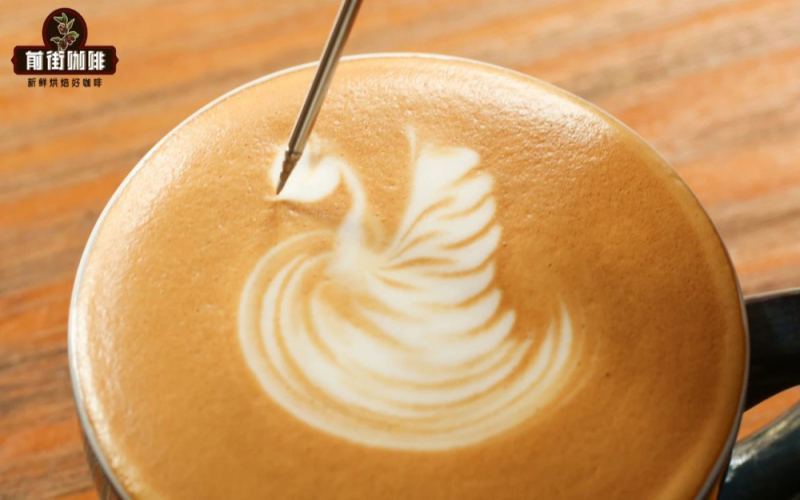
Which actually tastes better, SOE or blended beans? Explaining the definition of SOE, espresso bean choices, and price differences
When ordering at a coffee shop, more and more people find themselves torn: should they choose a regular blend or pay extra to upgrade to an SOE? Is SOE necessarily more premium and better tasting than a blend? Is it the same thing as single-origin beans for pour-over? Starting from the definitions, this article sorts out the real relationship between SOE and blended beans, analyzes the differences between the two in flavor, price, and commercial positioning, and introduces the characteristics and suitable scenarios of several Front Street Coffee espresso blends, helping you make a clearer judgment when ordering or buying. [more…]
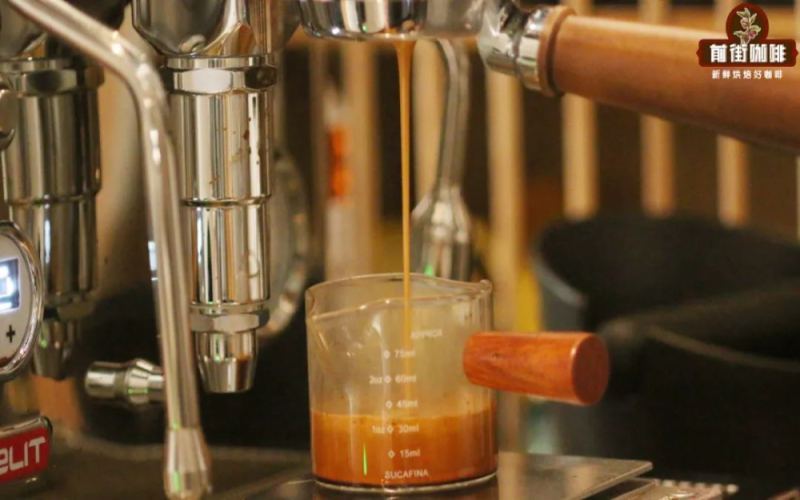
How Does SOE Single-Origin Espresso Differ from Espresso Blends? From Flavor Characteristics to Front Street Coffee Bean Recommendations
SOE stands for Single Origin Espresso. It differs noticeably from traditional Italian blends in terms of flavor logic, roasting orientation, and extraction difficulty. From the perspective of Front Street, this article sorts out the definition, advantages, and production challenges of SOE, compares it with blended coffee beans, and offers specific SOE bean recommendations for three flavor directions—fresh and sweet, nutty and balanced, and rich with no acidity—such as Front Street Sun-Dried Red Cherry, Brazil Queen Estate Yellow Bourbon, and PWN Golden Mandheling. It also answers the question of whether high-quality SOE coffee beans can be used for pour-over, helping coffee enthusiasts gain a more comprehensive understanding of the relationship between single origin espresso and pour-over. [more…]

Why Is SOE Generally on the Sour Side? A Full Breakdown of the Differences Between Single-Origin Espresso and Espresso Blends
Have you ever had this confusion: why does a cup of SOE always taste noticeably sour? SOE stands for Single Origin Espresso, referring to espresso extracted from coffee beans of a single origin. It is fundamentally different from espresso blends in terms of flavor presentation and roasting choices. This article will start with the historical origins, tracing the evolution of espresso from single origin to blends and then back to SOE, and, combined with the turning-point event of the 2007 WBC competition, deeply analyze the root reason why most SOE tends to be sour—the influence of roast degree on the retention of acidity—to help you more clearly understand the positioning and selection logic of these two types of espresso beans. [more…]
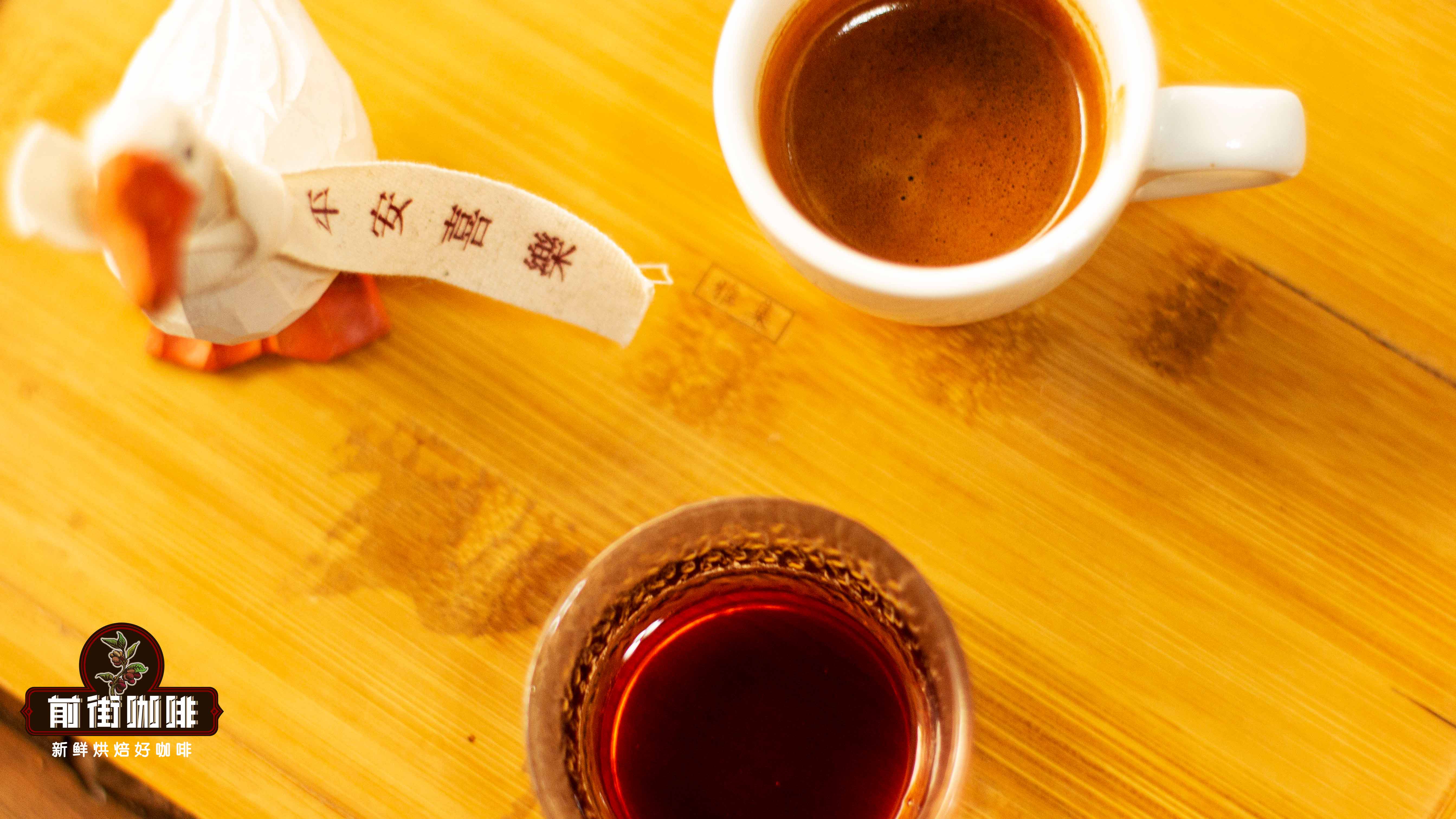
Understanding SOE in One Article: The Definition of Single-Origin Espresso, Pour-Over Methods, and Comparison with Coffee Blends
In recent years, SOE coffee has become increasingly prominent in cafés, with some shops even treating it as their signature offering. SOE stands for single origin espresso, where beans from a single origin are extracted as espresso, with the core aim of amplifying the unique character of the region. This article provides a systematic overview of SOE: explaining its definition and historical development, answering whether SOE beans can be used for pour-over, analyzing the relationship between flavor characteristics and roast level, objectively comparing the merits of SOE and blended coffee, and offering practical advice on resting periods and freshness to help you better select and brew. [more…]
How to Choose Between Espresso Blends and SOE: Balancing Budget and Drinking Frequency
When it comes to espresso blends and SOE, we should start with the actual taste in the cup. For everyday bean buying, you need to consider how quickly you'll drink them, how much to buy at once, and whether you mainly make black coffee or milk coffee at home. The roast level of coffee beans determines the basic taste, the origin and processing method bring aroma differences, and the equipment you use will change the concentration, so when choosing beans you need to take [more…]
Espresso Bean Buying Guide: How Beginners Can Tell Blends from SOE and Pick the Right One
Many coffee enthusiasts, after accumulating a certain amount of drinking experience, begin to toy with the idea of brewing their own coffee. Yet the moment they open a shopping platform, they are bombarded with terms like blends, SOE, Yirgacheffe, Huakui, and Geisha, leaving them unsure where to start. For beginners just getting into espresso, what kind of beans should they actually buy? Which is better suited for espresso—a blend or a single-origin SOE? This article will approach the topic from three dimensions—brand selection, freshness, and taste preference—to systematically sort through the two major categories of espresso beans, and recommend several Front Street Coffee beans that balance value and flavor performance, helping you find the one that suits you. [more…]
How is SOE different from espresso blends and pour-over single-origin coffees? A comprehensive analysis from flavor stability to extraction parameters
In recent years, the specialty coffee trend has driven the popularity of SOE, and many coffee enthusiasts are curious about how it differs from pour-over single-origin and traditional espresso blends. From the perspective of Front Street Coffee, this article first clarifies the definitions and roasting differences between single-origin coffee and SOE, then explains why SOE flavors tend to fluctuate and why Front Street has long favored blends and single-origin coffees, and finally provides specific brewing parameters and flavor descriptions for the sun-dried Huakui SOE and Front Street's classic blend, helping you judge whether SOE americano is actually good and how to make it at home without messing it up. [more…]