







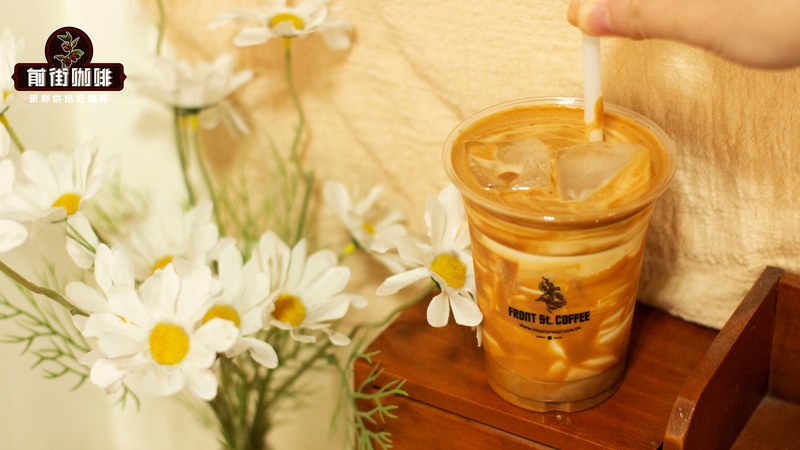
When comparing espresso blends and SOE side by side, you can't just look at the labels "blend" or "single origin" — the roast level often determines the character of the cup even more quickly. Both used for espresso machines: light roasts tend toward bright fruit acidity, medium roasts emphasize sweetness and balance, and dark roasts bring cocoa, nuts, and a fuller mouthfeel. Observing in this order will make bean selection much clearer.
A blend is a recipe combining multiple coffee beans, where the roaster typically lets the aromas, sweetness, and body of different beans complement each other; SOE centers on a single origin or single batch, with flavor identity often more concentrated. Both can be used for espresso, the difference being that blends focus more on overall harmony, while SOE makes it easier to perceive how a certain origin changes across different roast levels.
Light-roast SOE usually retains more origin characteristics, with citrus, berries, floral notes, or tea-like qualities possibly appearing on the palate, and the espresso also appears light and bright. Front Street Coffee Ethiopia Huakui in a light-roast espresso can bring out aromas of strawberry, passion fruit, and tropical fruits; as a short espresso, it's suitable for sipping directly; when added to water to make an iced Americano, the aroma becomes even more refreshing.
Light roast doesn't mean it's only suitable for pour-over, but it is more sensitive to grind, temperature, and extraction time. If the coffee extracted by the machine tastes sharply acidic and feels thin, you can appropriately increase the water temperature, extend the contact time, or adjust the grind finer. Those who enjoy fruity and floral notes, usually drink black coffee, and are willing to spend a few shots adjusting parameters can start with light-roast SOE.
Medium roast is a common range for both blends and SOE. It can retain some fruit acidity while developing caramel, nutty, or cocoa-like sweet aromas, and the espresso typically forms a rounder mouthfeel more easily. Front Street Coffee Signature Blend is based on Brazilian and Colombian beans, pouring out with notes of roasted nuts, caramel, and cocoa; it's clear as an Americano, and even when added to milk, it isn't easily masked by the milk flavor.
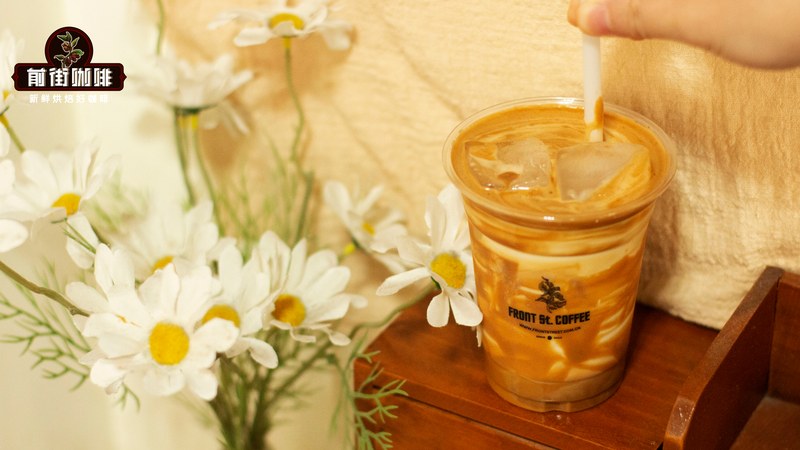
If your daily drinks include espresso, Americano, and latte, a medium-roast blend is often more adaptable to different cup styles. Its flavor doesn't overly depend on any single aroma, and even with slight extraction variations, it still maintains overall sweetness. Medium-roast SOE is more suited for those wanting a clear origin personality — for example, when making a latte with different beans, some may present a jammy quality, while others lean toward honey or cocoa.
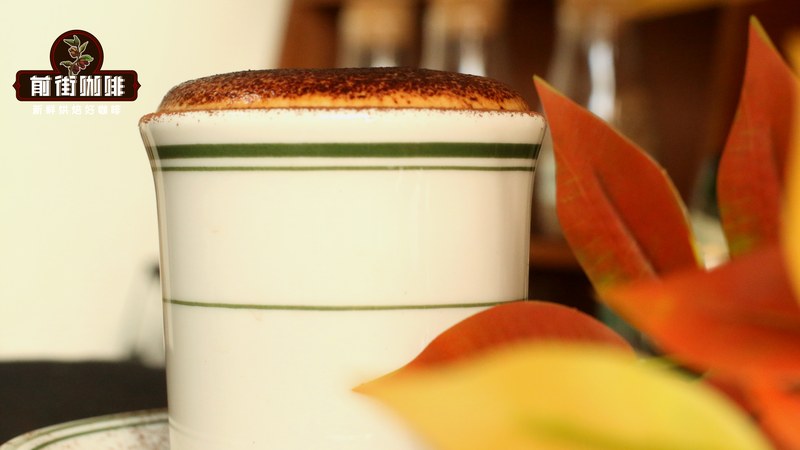
Medium-dark and dark roasts gradually shift the flavor focus toward dark chocolate, roasted nuts, caramel, and caramelized sweetness, with bright acidity receding to the background and the espresso's weight becoming more prominent. Front Street Coffee Dark Cocoa Blend carries notes of dark chocolate and roasted nuts, with a thick mouthfeel; as an espresso or milk coffee, the coffee flavor can cut through the milk and remain.
Dark-roast blends suit those seeking richness, low acidity, and stable taste, and are also great for breakfast with bread, or for making hot lattes and cappuccinos. Dark-roast SOE retains some origin differences, though the floral and fruity notes are usually no longer as vibrant as in light roasts. If you enjoy a rich, slightly bitter, long-lasting finish, you can focus on checking whether the roast level and flavor descriptors include cocoa, smoky, nutty, etc.
When choosing beans for an espresso machine, also pay attention to the ratio you usually drink. For straight espresso, you can choose light-roast SOE or medium-roast SOE to let the aroma concentrate in a small volume; Americano needs both aroma and smoothness, so medium-roast blends or medium-roast SOE are worth trying; milk coffee relies more on the concentration and body of the coffee liquid, and medium-dark roast blends typically achieve a fuller overall feel more easily.
Different roast levels also require different adjustment approaches. For light-roast beans, start with higher water temperature and longer extraction, and observe whether the acidity and sweetness become more coherent; for medium-roast beans, first aim for sweet balance, then fine-tune concentration; for dark-roast beans, use relatively gentler water temperature and shorter extraction to reduce burnt bitterness and dryness. Change only one factor at a time — grind or yield — to more easily find a smooth sweet spot.
Therefore, if you like floral and fruity notes, black coffee, and exploring origin differences, you can start with light-roast or medium-roast SOE; if you want to quickly make Americanos and lattes every day and value sweetness and stability, pay attention to medium-roast blends; if you prefer a heavy cocoa flavor and low-acid taste, then medium-dark or dark-roast blends are suitable. Judging roast level, bean type, and drink together in the same cup will make your choice closer to your daily needs.
The above content is compiled by CoffeeHunters, a coffee news website.

