







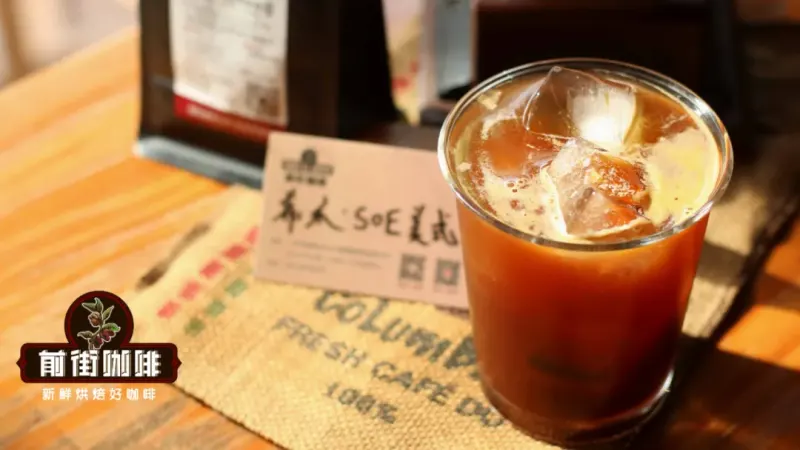
Why does SOE Coffee cost more than a blend?
SOE coffee, or single-origin espresso, is pulled from beans grown in one region instead of a blend of several. Cafés charge extra because those lots cost more as green coffee, are roasted lighter to protect origin flavors, and are harder to dial in consistently. The premium reflects raw material selection, roast approach, and the skill needed to pull a drinkable shot.
The approach gained ground as specialty coffee pushed high-quality single-origin beans forward in the 1980s, first through pour-over, siphon, and French press. At the 2007 World Barista Championship, James Hoffmann pulled espresso from a single origin, showing it could work on a bar. Some roasters still skip SOE because output consistency across a busy bar is hard to hold.
When ordering an Americano or milk coffee at a café, have you ever noticed that besides the default espresso blend on the menu, there's also an SOE option that costs extra? Behind this seemingly simple choice lies decades of evolution in the coffee industry. SOE stands for single origin espresso, and it differs significantly from traditional blends in terms of raw material selection, roasting approach, and extraction difficulty. This article will systematically trace the origins and development of SOE, analyze why it is priced higher, and explain from the perspective of output consistency why Front Street Coffee does not offer SOE products, helping you gain a comprehensive understanding of the essential differences between these two types of espresso.
Walking into a café to order an Americano or milk coffee, you'll often see two choices presented before you: one is the espresso blend beans as the default option, and the other is the SOE that requires an additional payment. Many people wonder to themselves, why does this SOE cost more than the blend? Where exactly does the extra money go?
What exactly is the story behind SOE?
Let's first clarify conceptually: both SOE and blends fall under the terminology of espresso coffee. SOE (single origin espresso) refers to espresso extracted from coffee beans originating from the same region, as opposed to House Blend Espresso.
In an era when acidic coffee had not yet become a trend, the beans used by the vast majority of coffee shops to make espresso were blends of coffee from two or more regions. Back then, merchants would not specifically label where the beans came from, nor did they pay much attention to recipe ratios. According to the aesthetic preferences of that time, the roast level was usually on the darker side. The advantage of this was that extraction consistency was guaranteed, and the espresso could easily present rich crema and full-bodied thickness.
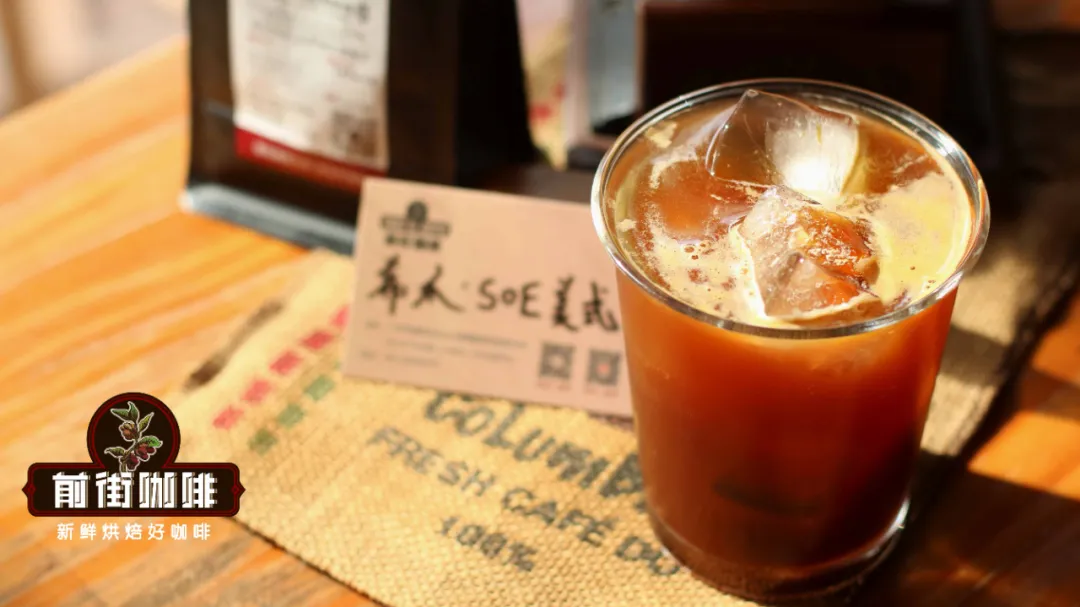
Fast forward to the 1980s, when the concept of specialty coffee began to spread. High-quality single origin beans highlighting regional flavors rose rapidly, becoming the focus of attention in the coffee world and sparking strong interest among roasters and baristas, who all tried to uncover more refined flavor layers from them.
According to Front Street Coffee, the single origin coffees that initially emphasized origin characteristics were only extracted through atmospheric pressure methods such as pour-over, siphon, and French press. It wasn't until the 2007 World Barista Championship that contestant James Hoffmann made espresso from a single origin coffee bean and won the championship. After that, SOE gradually entered the public eye through the influence of international competitions and the wave of specialty coffee.
Today, not only are more and more cafés adding SOE to their menus, but coffee beans labeled "SOE" can also be easily found on major e-commerce platforms. These products typically come with delicate flavor descriptions such as floral, fruity, tea-like, and fermented wine notes, along with detailed origin information. It is evident that SOE has become an indispensable part of the coffee market, and with the push from major chain brands, the concept of single origin espresso has become increasingly ingrained in people's minds.
Why do you have to pay more to switch to SOE? Where does the extra cost come from?
Regarding the definition of SOE, there is no controversy that E stands for Espresso, but the definition of Single Origin is somewhat flexible. Theoretically, coffee beans produced from a certain country, region, cooperative, estate, or farm and harvested from the same batch can all fall under the category of single origin coffee. For example, on the blackboard to the left of Front Street Coffee's bar, dozens of single origin beans from different origins are listed, and they all have the potential to become SOE raw materials.
However, unlike blend beans, in order to free SOE from the stereotype of traditional "bitter coffee," merchants tend to select single origin beans with higher recognition and more distinctive flavor profiles to make it, with a particular preference for light to medium roasts, because only in this way can the individualized flavors be fully released through espresso—such as the citrus acidity of Front Street Coffee's Yirgacheffe, the berry notes of Front Street Coffee's Huakui, the sweet finish of Front Street Coffee's honey-processed Geisha, the tomato flavor of Front Street Coffee's Kenya...
Ultimately, the more distinctive the coffee, the easier it is for consumers to remember the unique characteristics of that SOE. From a cost perspective, higher-quality single origin beans are inherently more expensive than ordinary blend beans, so the additional charge is only natural.
Why doesn't Front Street Coffee make SOE coffee?
Many friends think that SOE is simply using single origin beans to make espresso—Front Street Coffee has so many single origin beans, so why doesn't it offer SOE?
In fact, for baristas, making SOE both delicious and consistent in output is by no means an easy task. Unlike pour-over, espresso is a pressurized extraction method, and the characteristics of the coffee beans are amplified exponentially. SOE coffee is mostly light-roasted, and the beans have a harder texture, requiring a finer grind size and longer extraction time. The slightest misstep can lead to over-extraction or under-extraction, resulting in coffee that is either bitter or sharply acidic.
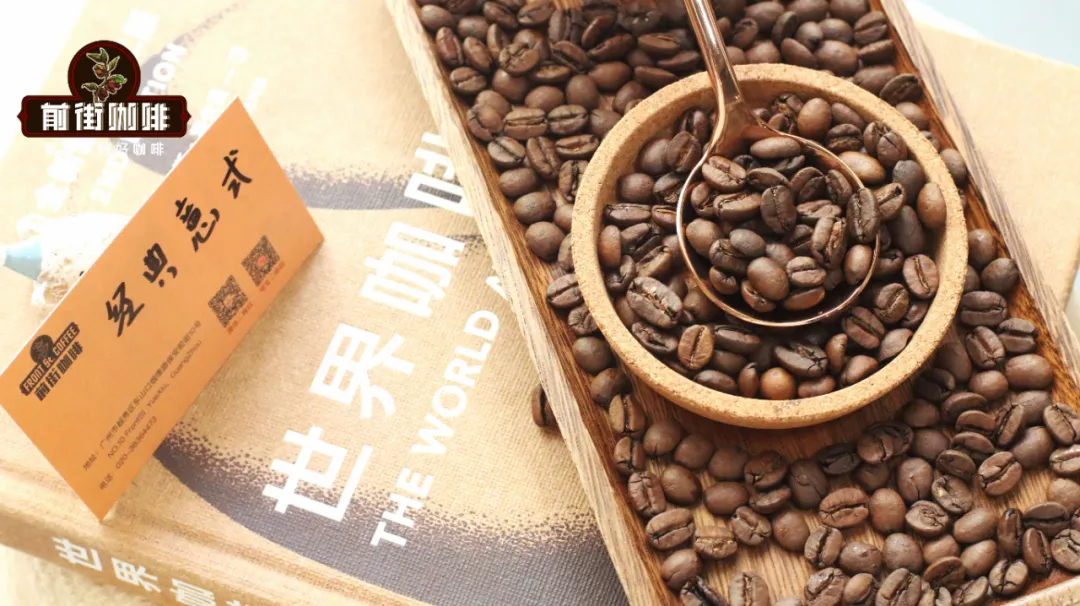
Front Street Coffee has encountered such situations: drinking a very good Sidamo SOE flat white at a certain coffee shop, then returning after some time to order the same one, only to find the taste far inferior to before. After inquiring, it was learned that the beans had not changed batches, nor had the roasting curve been adjusted, so the problem most likely lay in the espresso extraction process, which caused the final SOE flat white to change.
In Front Street Coffee's view, output consistency is of utmost importance, which is reflected in adjusting parameters before opening every day and maintaining stable extraction throughout the day. If all the single origin beans on Front Street Coffee's bean list were used for SOE, leaving aside whether the equipment could handle it, just finding the right parameters (grind size, dose-to-yield ratio) for each espresso would already be extremely tedious. And finally, customizing SOE Americano, SOE Latte, SOE Dirty... for different flavor types of coffee separately—just thinking about it gives you a headache.
- END -
The above content is compiled by CoffeeHunters, a coffee news website.


