







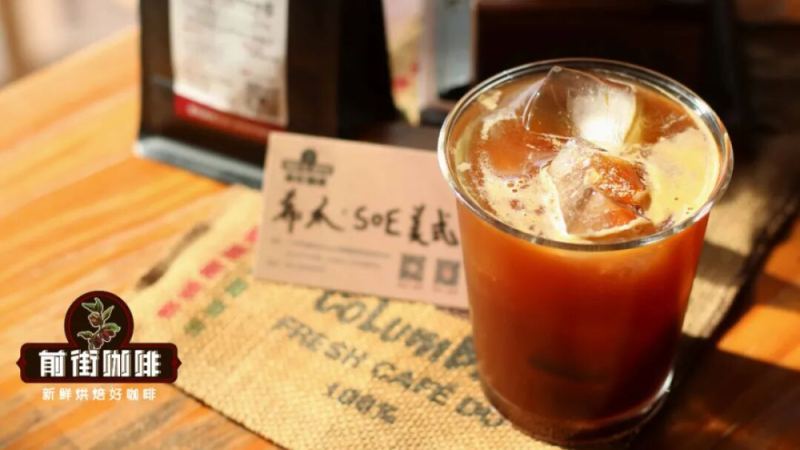
What is SOE coffee, and why does it cost more than a blend?
SOE coffee is single-origin espresso, pulled from beans of one origin instead of a blend mixing several. Cafés charge extra because the beans are typically higher-grade, roasted in smaller batches, and dialed in separately from the house blend, which adds cost and labor. The flavor is more origin-specific than a blend.
Specialty coffee's rise in the 1980s and James Hoffmann's 2007 World Barista Championship win with a single-origin bean pushed SOE into the mainstream. Before that, shops mostly used darker-roasted multi-origin blends for stable crema and body. For an SOE americano or milk drink, adjust dose, yield, grind size, and milk ratio to the bean's roast level and flavor profile.
When ordering at a café, have you ever struggled with this: why does choosing SOE cost extra? How exactly is it different from the usual espresso blend? SOE (single origin espresso) refers to espresso extracted from coffee beans of a single origin, in contrast to blends that mix beans from multiple origins. From the rise of specialty coffee in the 1980s to James Hoffmann winning the World Barista Championship in 2007 with a single-origin bean, SOE has gradually moved from niche to mainstream. This article will start with the definition of SOE, its historical context, and the reasons behind its price, and then provide specific extraction parameter adjustment suggestions for single-origin beans of different roast levels and flavor types, including dose, yield, grind size, and milk ratio, to help you make a truly delicious SOE americano or milk coffee.
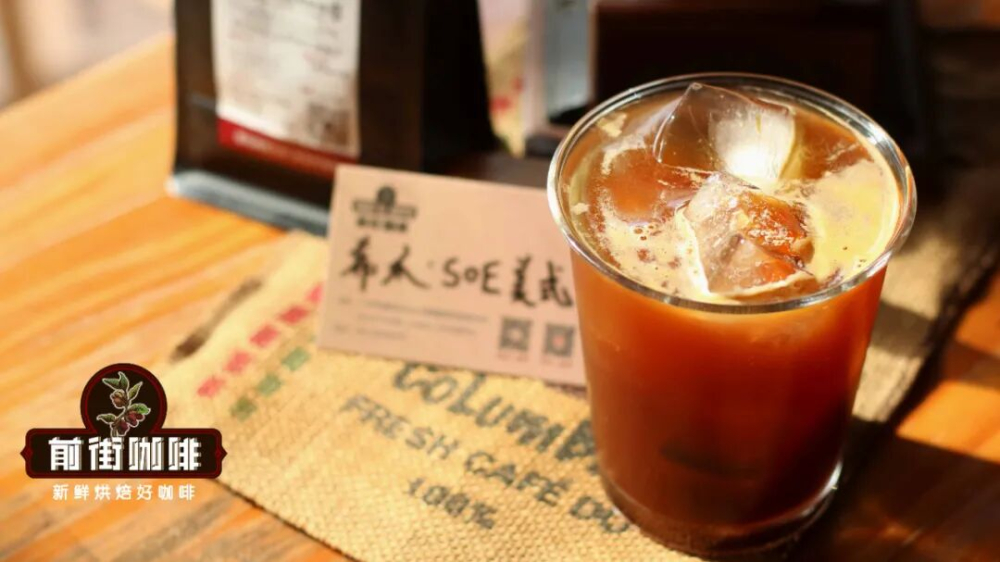
Walking into a café and planning to order an americano or a milk coffee, you will often see two choices: one is the default espresso blend, and the other is the SOE that requires an extra payment. At this point, many people will wonder: why is this "SOE" more expensive than the blend? Where exactly does the extra money go?
What is SOE coffee?
Both SOE and blends are concepts within the espresso coffee system. SOE (single origin espresso) refers to espresso extracted from coffee beans of a single origin, distinguishing it from espresso blends (House Blend Espresso) that mix multiple origins.
In the years before "acidic coffee" became popular, the beans used by the vast majority of coffee shops to make espresso were blends of two or more origins. Back then, merchants did not specifically label where the beans came from, nor did they pay much attention to recipe ratios. At the same time, according to the mainstream taste preferences of that time, coffee beans were often roasted to a darker level, which not only ensured stable extraction but also allowed espresso to easily present beautiful crema and a rich body. We recommend trying Front Street Coffee's classic espresso blend, which can easily bring out a full coffee aroma during extraction.
After entering the 1980s, with the introduction of the concept of "specialty coffee," high-quality single-origin beans that emphasized origin flavor rapidly rose and became highly prominent "stars" on the coffee stage, also attracting the attention of roasters and baristas, who began trying to uncover more delicate flavors.
According to Front Street Coffee's understanding, single-origin coffee that emphasized origin flavor was initially extracted only by atmospheric pressure methods such as pour-over, siphon, and French press. It was not until the 2007 World Barista Championship that contestant James Hoffmann made espresso with a single-origin coffee bean and won the championship with it. After that, SOE gradually became popular along with the international competition stage and the wave of specialty coffee.
Today, not only are more and more coffee shops putting SOE on their menus, but the presence of "SOE" can also frequently be seen on major shopping platforms. This type of coffee bean usually comes with delicate flavor descriptions such as floral notes, fruit, tea-like qualities, and fermented wine notes, along with detailed origin information. It can be seen that SOE has become one of the indispensable products in the coffee market, and with the publicity and promotion of major chain brands, single-origin espresso coffee has become even more deeply rooted in people's hearts.
Why does switching to SOE cost extra? What makes it expensive?
Regarding the definition of SOE, there is no doubt that E = Espresso, but the explanation of Single Origin still has some gray areas. Theoretically, coffee beans from a certain producing country, region, cooperative, estate, or farm, harvested in the same batch, can all be considered single-origin coffee. For example, on the blackboard on the left side of Front Street Coffee's bar, there are dozens of single-origin coffee beans from different origins, and all of them can serve as SOE coffee beans.
But unlike blends, in order to make SOE different from traditional "bitter coffee," merchants will prioritize single-origin beans with greater fame and more prominent flavors, especially coffee roasted to a light to medium level, because only in this way can individualized flavors be highlighted through espresso, such as the citrus acidity of Front Street Coffee Yirgacheffe, the berry notes of Front Street Coffee Huakui, the sweetness of Front Street Coffee honey-processed Geisha, the tomato aroma of Front Street Coffee Kenya...
In short, the more recognizable the coffee, the easier it is for people to remember the characteristics of that SOE. From a cost perspective, higher-quality single-origin beans are somewhat more expensive than ordinary blends, so extra payment is naturally required.
How do you make delicious SOE coffee?
Actually, making delicious SOE is not difficult; it is just like routinely dialing in espresso. The first step in making SOE is still to apply the basic formula of "dose-to-yield ratio 1:2," and control the time within 25 to 35 seconds, while the grind size depends on whether the flow rate can fall within the above time range.
For example, Front Street Coffee uses 20g of Huakui SOE coffee grounds to extract 40g of coffee liquid (18g of coffee grounds corresponds to 36g of coffee liquid). When the time is far less than 25 seconds, it means the grind is too coarse and needs to be made finer; if the coffee liquid finishes flowing in about 30 seconds, it means the coarseness of the grounds is roughly fine and there is no need to change the setting.
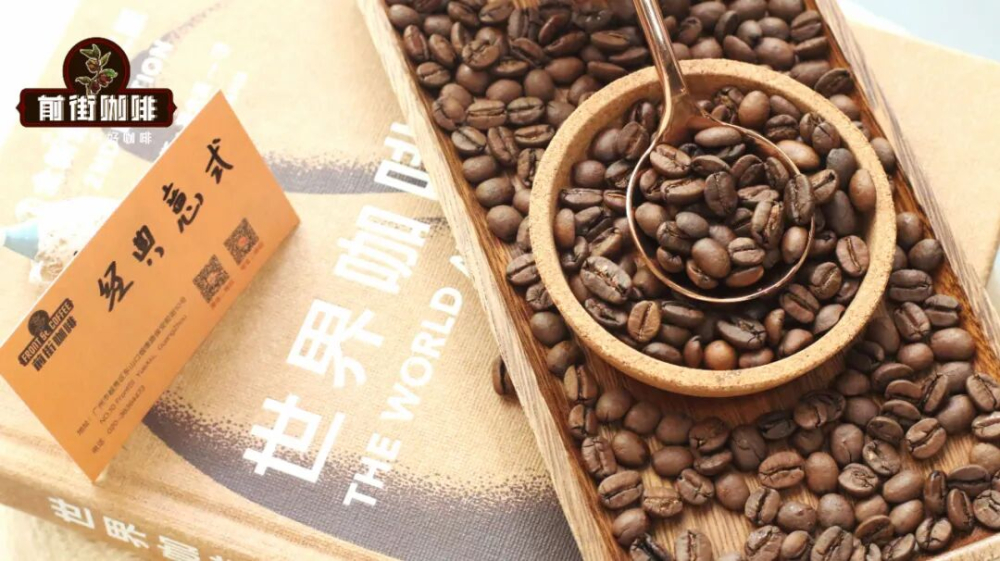
Since SOE is ultimately used to make fancy coffee drinks such as americano, latte, and flat white, once the espresso is determined, we need to make some slight adjustments in the extraction plan in advance based on SOE's own flavor profile.
If you are using medium/medium-light roasted Ethiopian coffee beans, with origin flavors of floral notes, bright fruit acidity, and berries, this kind of fresh profile, the espresso produced tends to have thin crema, or even none. At this point, we can compensate for the aromatic substances in the coffee by increasing the dose by 0.3 to 0.5g. For example, Front Street Coffee will use 20.5g of Huakui SOE coffee grounds to extract 40g of coffee liquid in 31 seconds as the base. The americano made this way can show a refreshing sweet-and-sour taste, and the coffee strength of the latte will also increase, allowing you to better perceive the aroma of the combination of espresso and milk.
When we use single-origin beans that are fruity and also have a certain fermented flavor to make SOE, the espresso will naturally carry a rich sweet-and-sour flavor. If you want the SOE americano to also present a rich aroma, you might as well increase the espresso extraction yield by 3 to 5g, which can make the coffee sweeter and the finish longer; if you are making an SOE latte and want to highlight the aroma of the single-origin coffee, you only need to reduce the amount of milk. Suppose you originally used 200g of fresh milk; in this case, you can change the amount to 160 to 180g.
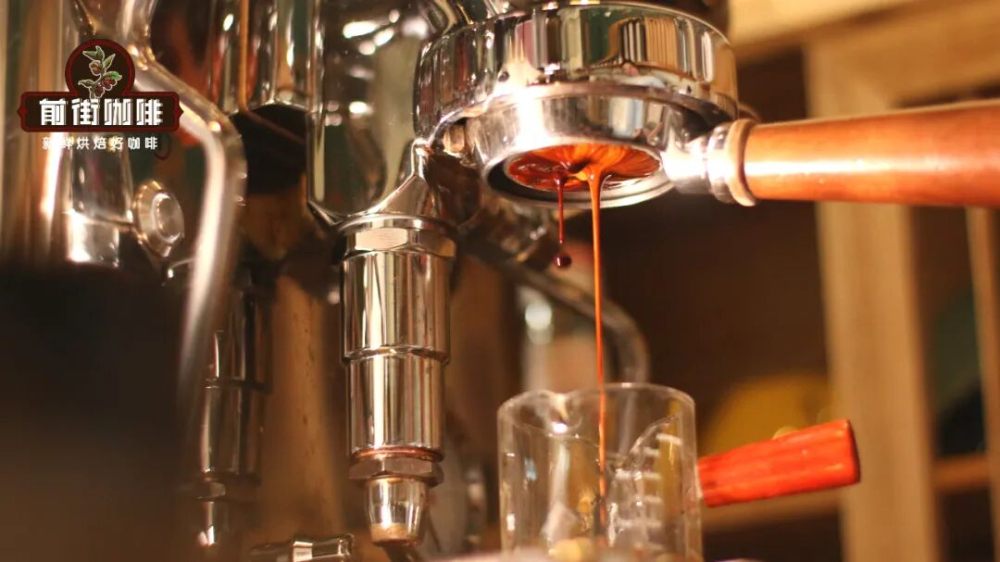
The last common situation is when using medium-dark roasted single-origin beans, the SOE shows stimulating flavors such as tire, dry hay, smoke, and charcoal, indicating that the espresso has most likely been over-extracted, which is why the americano or latte made from it is so hard to drink. The way to save it is simple: reduce the espresso extraction yield by 3 to 5g, and you can effectively remove the defective finish;
But if your coffee has a light aroma, short aftertaste, and obvious acidity, that means the SOE may be under-extracted, and you need to slightly adjust the grind finer so that the extraction time is extended by 2 to 3 seconds, thereby ensuring a moderate coffee strength.
The above content is compiled by CoffeeHunters, a coffee news website.


