







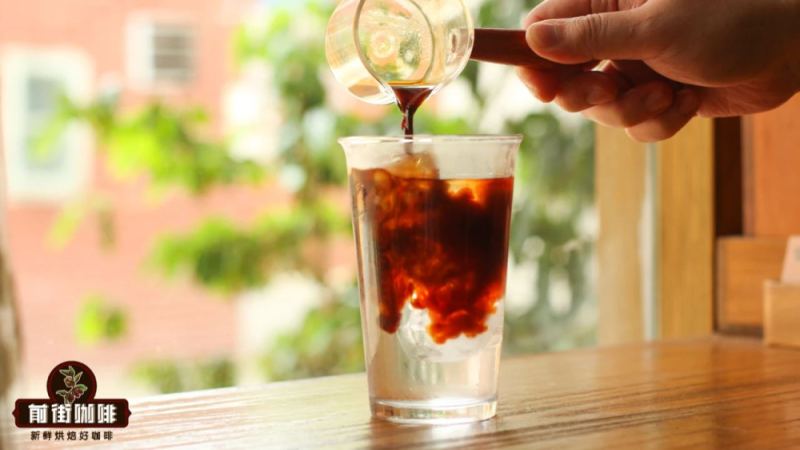
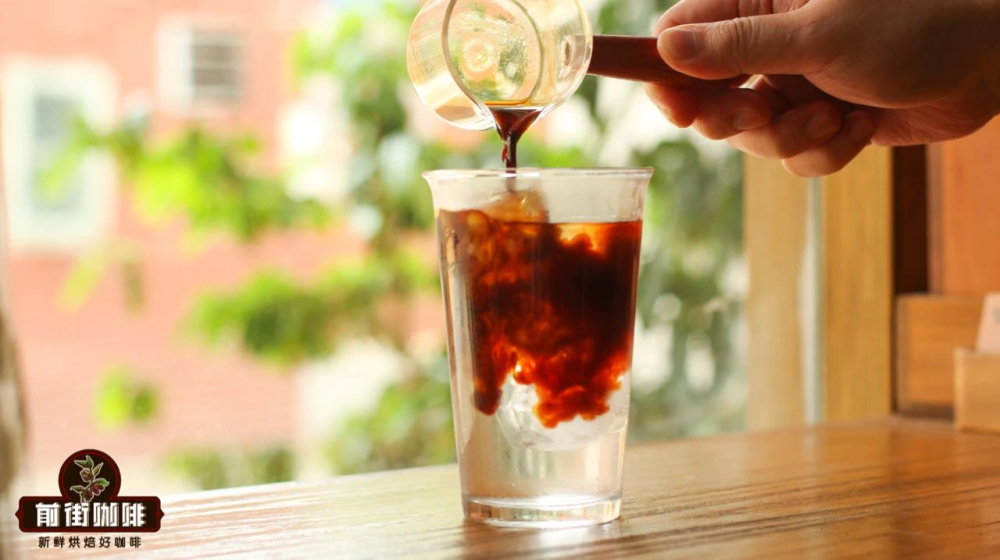
Is SOE Americano Better Than a Blend Espresso?
An SOE americano is made by pulling espresso from a single-origin, single-region, or single-estate coffee and adding water. It is not automatically better than a blend. Espresso concentrates a bean's flavors several times over, so light roasts can turn sharp or vinegary and dark roasts can read as burnt and smoky. The answer depends on the bean and the roast.
The article traces how SOE espresso moved from blends to single-origin beans, then looks at Yirgacheffe Natural Red Cherry and Costa Rica Mozart served as espresso. Americanos and lattes made from these beans each show a distinct flavor direction, with fruit and floral notes carrying through the milk or hot water. SOE costs more because single-lot beans and dialing in require more care.
In specialty coffee shops, SOE (single origin espresso) has become almost a regular on the menu. Is espresso made from single-origin beans really superior to blends? Which beans are suitable for pulling espresso? From the perspective of Front Street Coffee, this article sorts out the origin of the SOE concept, how it differs from blends in actual service, and how, after Front Street turned single-origin beans such as Yirgacheffe Natural Red Cherry and Costa Rica Mozart into espresso, Americanos and lattes each present their own flavor directions. If you are both curious and hesitant about SOE, you might as well finish reading this article before making a judgment.
For more specialty coffee-related content, welcome to follow: Front Street Coffee (Frontsteet Coffee)
Walking into today's specialty coffee shops, espresso drinks marked SOE (single origin espresso) on the menu are almost everywhere. So, is espresso extracted from single-origin coffee beans necessarily better than espresso made from blends? And which single-origin beans are up to the task of making espresso? Front Street sorts out these questions one by one in this article.
What exactly is SOE?
SOE (single origin espresso) refers to espresso extracted from coffee beans from a single origin, single region, or single estate. The popularity of SOE actually reflects that enthusiasts' pursuit of specialty coffee is no longer limited to the pour-over field. In the past, it was generally believed that only blends could give espresso a stable, rich flavor with intertwined sweetness and bitterness; as the concept of specialty coffee spread, people began turning to single-origin beans to extract espresso with more distinct layering.
SOE is more expensive, so is it necessarily better tasting than espresso made from ordinary blends?
The answer is not absolute. Espresso is a coffee liquid extracted quickly under pressure at extremely high concentration, and the beans' original flavors are magnified several times over. Beans that perform just right in pour-over may go to extremes once made into espresso. For example, light-roasted beans easily over-amplify acidity, and originally pleasant fruit acidity can turn into sharp sourness or even a vinegary feel; dark-roasted beans may further intensify bitterness, showing obvious burnt bitterness and smoky notes, making them hard to drink.
Then why is SOE still so popular?
As Front Street mentioned earlier, the rise of SOE reflects coffee enthusiasts' exploration of extreme flavors. This has also led many people to form a habitual judgment—that SOE's flavor must be superior to blends. Some shops even blindly launch it without truly understanding SOE, assuming that beans that taste good in pour-over will necessarily taste good as espresso.
But they often overlook one point: after coffee beans are made into espresso, quality is difficult to keep stable over the long term. So many times, you have a good cup of SOE at this shop, and the next time you go you may be disappointed. This is also why blends have become the standard for espresso—by combining different origins and different bean varieties in proportions, the flavor can remain stable over a longer period.
Do not blindly follow the trend and make SOE!
SOE can be offered as a limited item in a shop, but it is not suitable as a long-term flagship, and "my shop only sells SOE" is even less advisable. Front Street has also talked with many coffee professionals about the issue of serving SOE, and everyone's feedback was strikingly consistent: many customers find it unremarkable after drinking it, no better than espresso made from blends. Some shops that originally only did SOE ultimately had to face reality and switch back to blends.
Which coffee beans are suitable for making SOE espresso?
If you want to better present regional flavor, you can choose beans with high flavor recognition to make SOE. Although Front Street Coffee (FrontStreet Coffee) does not specifically sell single-origin beans for SOE, out of a spirit of exploration it has also used many single-origin beans for espresso extraction tests. Below are several single-origin beans worth trying for SOE for reference. (Only beans are recommended here; fixed parameters cannot be given, since every coffee machine has a different "temperament.")
Light roast "Front Street Coffee (FrontStreet Coffee) Yirgacheffe Natural Red Cherry Coffee Beans" After extraction into espresso, the flavor shows berry-like sweet acidity, the acidity is not too sharp, and it has a caramel finish. Made into an Americano, the overall cup is especially soft; made into a latte, the soft acidity sets off the milk's sweet aroma, and a honey-like sweetness can still be felt in the aftertaste.
Medium roast "Front Street Coffee (FrontStreet Coffee) Costa Rica Mozart Coffee Beans" After extraction into espresso, the raisin aroma is very prominent, with pleasant sweet acidity and fermented notes. Made into an Americano, it presents fruity sweet acidity and fermented aroma, with a faint floral note in the finish; made into a latte, the charming dried-fruit aroma intertwines with sweet acidity while also bringing out the milk's sweetness.
The above content is compiled by CoffeeHunters, a coffee news website.


