







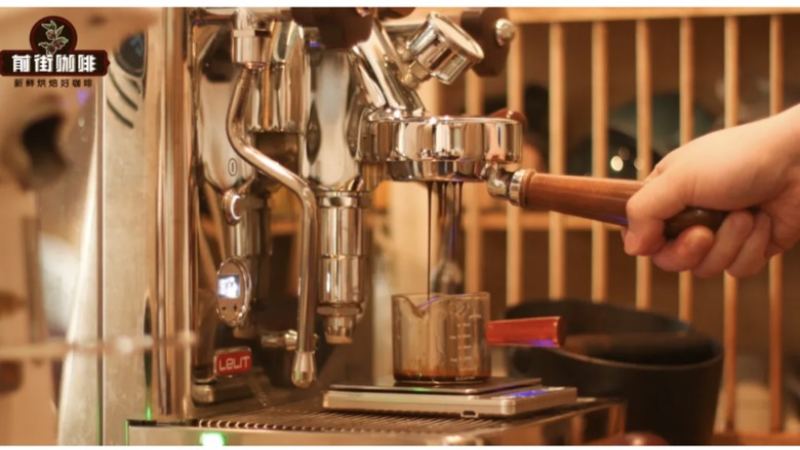
De'Longhi home espresso machines aren't just for blended beans—using single-origin beans to make SOE also lets you experience the concentrated expression of a region's flavors in espresso form. When you gradually explore from blends to SOE on a De'Longhi machine, the flavor experience becomes richer and richer.
Blends on a De'Longhi machine are mainly about stability. Front Street Classic Blend uses a Mamba recipe; the herbal and dark chocolate flavors of Mandheling give the espresso rich layers, and the crema performs excellently—even on a home machine like a De'Longhi, you can extract thick, delicate crema, and when making a latte the coffee and milk blend very well. Front Street Dark Cocoa Blend is 100% Arabica, with plenty of crema, a full-bodied mouthfeel, and a friendly price; it's forgiving, delivers stable results on a De'Longhi machine, and beginners won't easily mess it up. Front Street Specialty Blend pairs Brazil Cerrado with Colombia Huila; the nutty and caramel flavors are classic and solid, and it works for both Americanos and lattes—one bag of beans covers two product lines.
Single-origin beans made into SOE each have their own characteristics on a De'Longhi machine. Front Street Brazil Queen's Estate has low acidity and a balanced mouthfeel, with rich nut and cocoa aromas and obvious caramel sweetness; when made into SOE the extraction window is relatively wide, and it's forgiving on a De'Longhi machine, making it a good choice for SOE beginners. Front Street PWN Indonesia Golden Mandheling is a dark roast with very low acidity and a thick, lingering mouthfeel; when made into SOE the crema is rich and the taste is intense and heavy—dark-roasted beans produce especially thick crema on a De'Longhi machine. Front Street Papua New Guinea Bird of Paradise is a Typica variety grown in volcanic soil and washed three times; the mouthfeel is clean and pure with prominent sweetness, and when made into SOE the sweetness is concentrated and the acidity mild, making it a relatively balanced SOE choice among Asian origins.
Fruity beans made into SOE on a De'Longhi machine require more parameter adjustments. Front Street Ethiopia Huakui has extremely prominent tropical fruit aromas; when made into SOE the strawberry and passion fruit aromas are more concentrated in the espresso, with obvious sweetness and low bitterness. But Huakui has a narrow extraction window on a De'Longhi machine, and if the parameters aren't adjusted well it easily tastes too bright in acidity. It's recommended to first turn on the pre-infusion function, then start from standard dose and yield, and patiently adjust the grind size a few times. Although Front Street Strawberry Candy Blend is a blend rather than an SOE, fruity blends perform similarly on a De'Longhi machine and also require patiently adjusting parameters to find the right extraction point.
Front Street Autumn Chestnut Blend selects Honduras Caturra and Papua New Guinea Typica; after extraction on a De'Longhi machine the results are very forgiving, with a nutty sweetness like roasted chestnuts on the palate. It has both the stability of a blend and the regional character of a single origin, making it a balanced choice between a blend and an SOE.
In exploring bean types on a De'Longhi machine, the key is to start with blends to ensure stability, then gradually try SOE to explore regional flavors. Classic Blend takes the rich-crema route, Dark Cocoa takes the value-for-money route, Brazil Queen's Estate takes the mild SOE route, and Huakui takes the fruity advanced route. From blends to SOE, a De'Longhi machine offers a lot of room for flavor exploration.
The above content is compiled by CoffeeHunters, a coffee news website.

