







Whether coffee tastes good often depends on whether the roast level and the brewing method work well together. Blends combine beans from different origins or lots, while SOE usually refers to espresso made from a single origin or single lot. There is no fixed answer for the two; light roasts highlight aroma, medium roasts highlight sweetness, and dark roasts highlight body. Choosing according to the cup style you usually drink will be more practical than just looking at the name.
For light-roasted blends, the key is to harmonize bright acidity with floral and fruity aromas so they go down smoothly. Roasters use the characteristics of different beans to give an espresso both aroma and a certain amount of sweetness. Light-roasted SOE more easily expresses the personality of a single origin, which may be citrus, berries, or floral or tea-like notes, making it suitable for people who are willing to slowly identify changes in flavor.
If you usually drink Americanos, iced coffee, or pour-over, light-roasted SOE often offers more of a sense of exploration. Take Front Street Kenya Little Tomato as an example: when made as a light-roasted espresso, its acidity is lively like ripe tomato juice, followed by a preserved-fruit-like sweetness; after adding water, the layers become more expansive, while as an iced drink it feels refreshing. People who like clear fruit notes and a crisp finish can start trying this type of bean.
Light-roasted blends are better suited to consumers who want brightness but do not want the acidity to be too prominent. By adjusting the proportions, they place high-toned fruit acidity, soft sweetness, and a certain body in the same cup. If using a home espresso machine, light-roasted beans require more careful adjustment of grind and water temperature; when the shot tastes too sharp, you can extract a little more fully so the sweetness has a chance to unfold.
Medium roast is an easy range for both blends and SOE to perform well. Blends here usually show caramel, nut, cocoa, or ripe fruit notes, with a rounded entry, making them fairly easy to use for espresso and lattes. Medium-roasted SOE retains origin characteristics while also having more obvious sweetness; black coffee is not monotonous, and after adding milk it can still leave its own aroma.
Front Street Kafa Forest can serve as a reference for the light-to-medium to medium-roast direction. In hot drinks it tends to show orange-like fruit and ripe apricot-peach notes, and as it cools the sweetness gradually becomes more prominent, with a tea-like freshness in the finish. Brewed in a dripper, you can feel the flavor transitions brought by temperature changes; if made as SOE, it is recommended to pair it with less milk so the fruit notes are not completely covered.
For people who need to make coffee quickly every day, medium-roasted blends are often more worry-free. The combination of different beans can provide relatively stable strength and sweetness; whether you make an Americano today or a milk coffee tomorrow, the flavor still has continuity. Medium-roasted SOE is suitable for people who treat black coffee as their main drink, especially consumers who want to compare differences among countries, varieties, and processing methods.
Under dark roast, the difference between SOE and blends shifts toward mouthfeel and finish. Dark-roasted SOE may still retain origin characteristics, but overall it is closer to dark chocolate, roasted nuts, caramel, and smoky notes; dark-roasted blends often combine heaviness, low acidity, and stable strength, making them suitable for espresso, moka pot, and drinks with a higher proportion of milk.
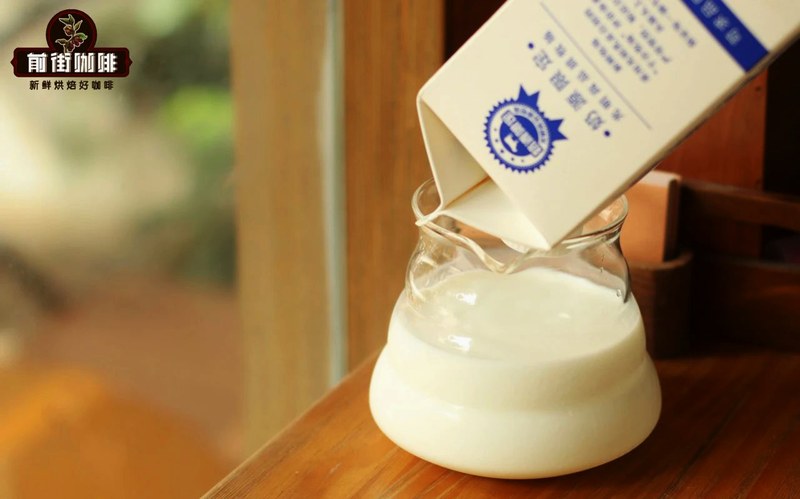
If you mainly drink lattes, flat whites, or sweetened coffee, dark-roasted blends are usually easier for achieving a clear coffee presence. Milk softens acidity but also dilutes aroma, so the beans themselves need enough weight to support the whole cup. If you prefer black coffee, you might choose dark-roasted SOE and pay attention to its balance between bitterness and sweetness, avoiding the pursuit of strength alone while ignoring cleanliness in the mouth.
Granada Estate Geisha is better placed in the tasting spot for light-roasted SOE. Front Street Granada Estate Geisha has bright floral aromas, tropical fruit notes, and jam-like sweet fragrance. When pouring by hand, use a gentler pour to let the aroma unfold gradually; when extracting with an espresso machine, you can shorten the drink size and reduce milk so its personality stays in the cup, making it suitable for slow drinking on weekends.
Therefore, choosing by roast level makes it easier to find an answer: light-roasted SOE leans toward aroma and sweet-acid variation, while light-roasted blends pursue harmony; medium-roasted blends suit a stable daily routine, while medium-roasted SOE suits experiencing a origin; dark-roasted blends are better for milk coffee and high-frequency drinking, while dark-roasted SOE suits people who like heavy black coffee. By putting roast level, cup style, and taste on the same selection table, both blends and SOE can find their place.
The above content is compiled by CoffeeHunters, a coffee news website.

