







What Is SOE Coffee and How Does It Compare to Blends?
SOE coffee means Single Origin Espresso: a shot pulled from beans of one origin, with the goal of amplifying that region's character. Cafes that once relied only on blends now run SOE lines, sometimes as a signature. Typical examples include a Yirgacheffe with jasmine and citrus notes and a Kenya with a tomato-like acidity.
SOE beans can also be brewed as pour-over, though the recipe needs adjusting because the roast is built for pressure. Flavor and roast level move together, and resting matters: fresh beans need time to degas before the shot tastes settled. Blends remain more forgiving and balanced, which is why they still suit beginners.
In recent years, SOE coffee has become increasingly prominent in cafés, with some shops even treating it as a signature offering. SOE stands for Single Origin Espresso, which means extracting espresso from beans of a single origin, with the core idea being to amplify the unique character of the region. This article provides a systematic overview of SOE: explaining its definition and historical evolution, answering whether SOE beans can be used for pour-over, analyzing the relationship between flavor characteristics and roast level, objectively comparing SOE with blended coffee, and offering practical advice on resting periods and freshness, helping you better understand how to select and brew.
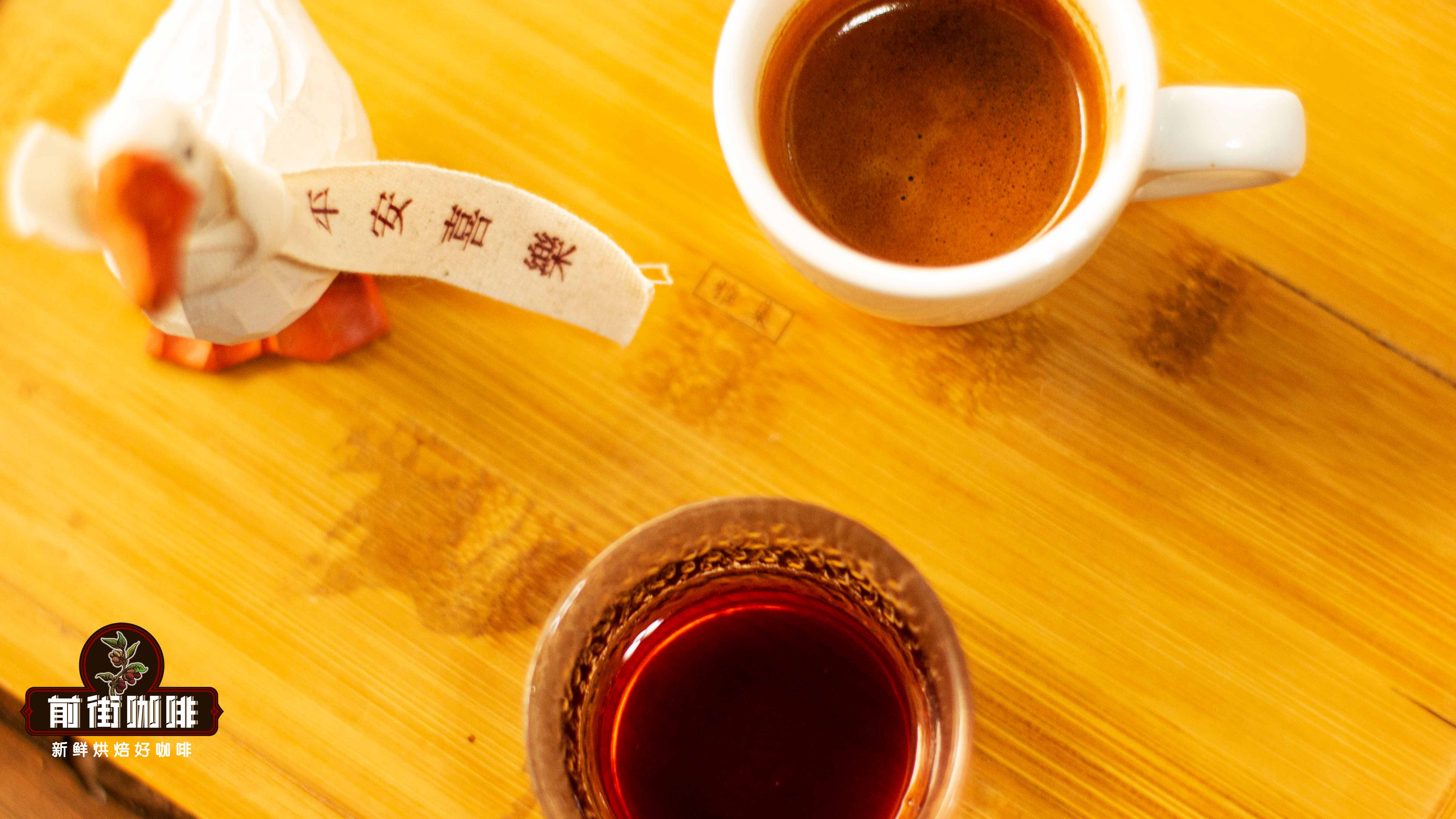
For a long time, cafés have relied mostly on blended beans for their espresso offerings. But as coffee culture has gradually spread, more and more shops have begun introducing SOE product lines, with some simply making SOE their core selling point. Now Front Street Coffee will walk you through a systematic understanding of SOE coffee~
What is SOE coffee?
SOE is the abbreviation of Single Origin Espresso, which can be translated into Chinese as single origin espresso, referring to a shot of espresso extracted from coffee beans from the same origin, in contrast to the blended bean approach.
In contrast, blended espresso (House Blend Espresso) is when a roaster combines beans from multiple origins with different flavors together for roasting (or roasts them separately first, then blends them in proportions), resulting in beans that can extract a stable, forgiving, well-balanced, and aromatic espresso, making them especially suitable for beginners. If you're about to try espresso-making for the first time, consider Front Street Classic Blend with its rich crema: it's medium-dark roasted, combining beans from Indonesia, Brazil, and Vietnam, and extracts an espresso with buttery, cocoa, and caramel biscuit-like flavors.
By comparison, SOE uses only single-origin beans, aiming to amplify and present the unique character of that origin. For example, Front Street's Yirgacheffe has jasmine-like aromas and citrus flavor tones, while Front Street's Kenya shows a distinctive tomato-like acidity—both are typical examples.
In the early days when espresso coffee was just emerging, cafés around the world were actually using single origin beans to make espresso—they just didn't deliberately label or explain it. Later, as coffee consumption demand continued to rise, bean quality from different origins varied greatly, with flavor and quality fluctuating. To avoid the negative effects of low-quality beans, some merchants tried blending beans from multiple origins together to keep the output flavor consistent.
In recent years, as the specialty coffee wave has intensified, industry professionals have placed more emphasis on bean traceability, and people increasingly want to taste the distinctive expression of well-known specialty origins in a cup of espresso—SOE has thus made a comeback.
Are SOE coffee beans suitable for pour-over?
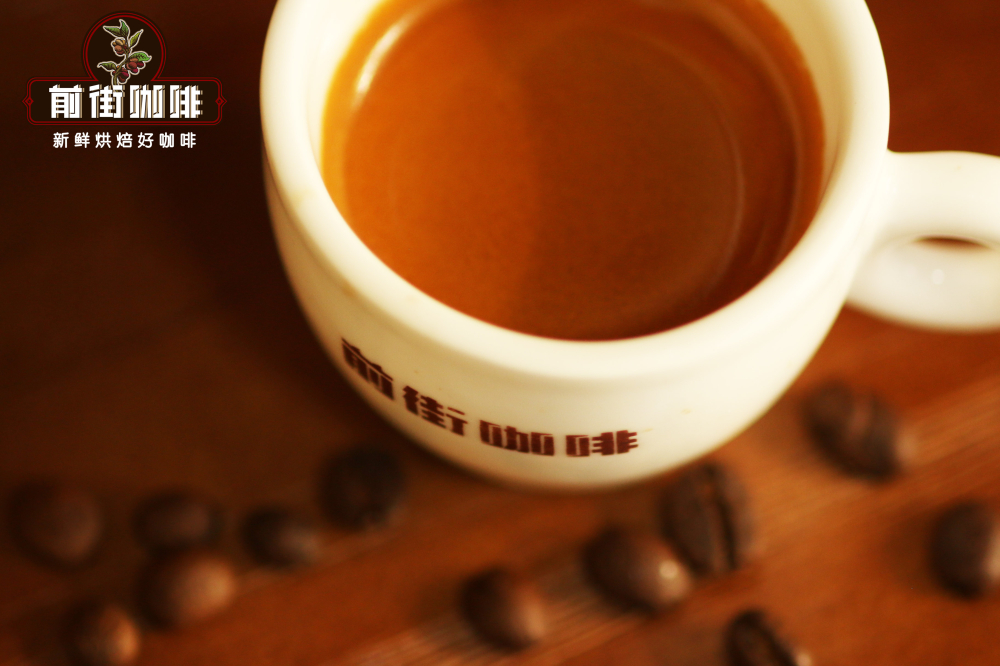
As the specialty philosophy continues to deepen, selecting high-quality single origin beans separately and including them on espresso menus has gradually become a new industry trend. However, before SOE became popular, single origin beans in shops were always presented only as pour-over, so those excellent SOE beans can naturally be used for pour-over too. Front Street's view is: as long as the parameters are set properly, pour-over coffee brewed with SOE beans can equally showcase the origin's signature flavors and rich layering.
Flavor characteristics of Single Origin Espresso (SOE)
Traditional espresso blends generally pursue a strong, thick, and balanced mouthfeel, while merchants creating SOE usually select beans that represent the origin's character and maximize the origin's characteristics through roast level adjustments. Simply put: Yirgacheffe must taste like Yirgacheffe originally does, and Mandheling must have the taste Mandheling should have.
If the beans themselves are known for floral and fruity tones, the roast will lean lighter, and the resulting SOE presents bright, lively sweet-and-sour notes of various fruits—like Front Street's naturally processed Huakui coffee beans, which offer a sweet-and-sour experience of strawberries and passion fruit on the palate.
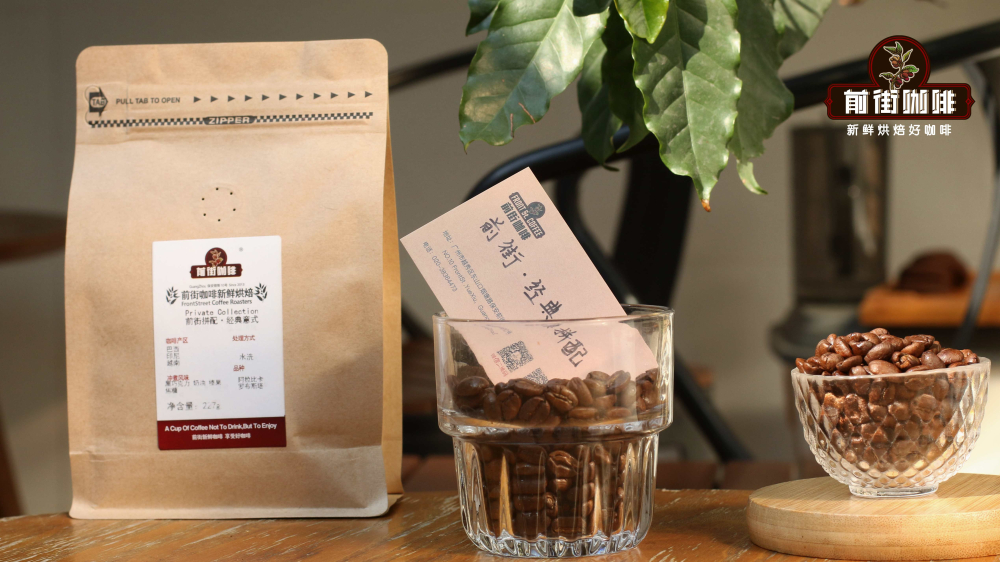
Conversely, if beans from origins with chocolate and nutty tones are selected, the roast level will be deeper, and the extracted espresso exudes a rich roasted hazelnut aroma. Like Front Street's Brazil Queen Estate coffee beans, which carry a sweet fragrance blending peanut butter and dark chocolate.
Which tastes better—SOE or blended coffee?
As mentioned earlier, SOE's mission is to highlight origin flavors, so the roast level won't be too dark, which also makes extracting various flavors more demanding. Espresso relies on high-temperature, high-pressure extraction, and the grind is quite fine—once parameters aren't well controlled, sharp and harsh negative flavors easily appear. In contrast, a quality blend combines superior beans from multiple origins, and with an appropriate roast level, the final product is aromatic, smooth, and excellently balanced. Thus, SOE isn't necessarily superior to blends.
Front Street has always hoped its espresso beans perform well in both aroma richness and mouthfeel balance, and all its blend products follow this design logic: balancing five dimensions—acidity, bitterness, sweetness, aroma, and body—to create a coffee with a distinct flavor profile. Specifically, Front Street Specialty Blend highlights a full, three-dimensional mixed nut aroma; Front Street Dark Cocoa Blend, recommended by many baristas and suitable for espresso moka pots, makes extreme value for money its selling point; and Front Street Commercial Blend aims to let everyone make café-quality coffee at home.
A few practical tips for brewing SOE
Whether a cup of SOE tastes good is influenced by multiple conditions: the quality of the beans themselves, whether the roast level is well judged, how fresh the beans are, and the range of extraction parameters—none can be overlooked.
Beans enter the degassing and resting phase 4–7 days after roasting (dark-roasted blends need about 10 days), after which they enter the optimal flavor period for stable performance. Once the aroma passes its peak, the flavor decays at an accelerating rate over time, so freshness directly determines how much flavor you can get during extraction. Front Street upholds the principle of "freshly roasted good coffee," and every batch of beans shipped is controlled within 5 days after roasting, so friends who order can fully enjoy the coffee within the complete flavor window.
The above content is compiled by CoffeeHunters, a coffee news website.


