







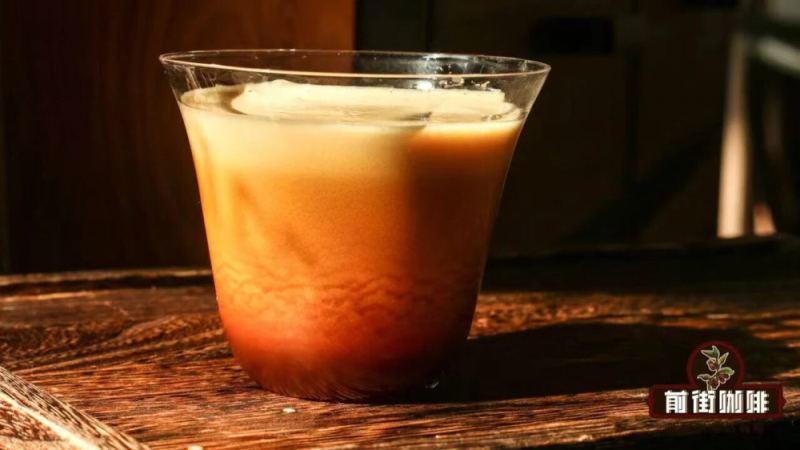
What Makes SOE Coffee Pricier Than a Blend?
SOE coffee is single-origin espresso, pulled from beans of one origin rather than a blend of several. It usually costs more because the roaster cannot hide defects behind other origins: the beans must be a higher grade, roasted with tighter control, and dialed in more carefully at the machine, since a single origin shifts with every harvest and lot.
Before specialty coffee took hold, espresso was mostly a blend roasted dark to mask off-flavors, giving stable notes of roasted hazelnut, chocolate and caramel. Lighter roasting later revealed each origin's own character, which is why comparisons such as SOE Brazil vs SOE Ethiopia differ so sharply, and why blends still hold an edge in stability and cost control.
In recent years, SOE single-origin espresso has rapidly gained popularity in China's coffee scene, with many chain brands using it to create their own signature offerings, forming a new trend. What exactly is the difference between SOE and espresso blends? Why is SOE generally more expensive than blended beans? This article starts with the definitions, roasting approaches, and flavor presentation of the two, analyzing one by one how factors such as bean grade, roasting control, and brewing difficulty drive up the cost of SOE. Combined with Front Street Coffee's store experience, it also shares key points on bean selection, extraction parameter adjustment, and freshness management for making SOE at home, helping you easily brew a cup of excellent single-origin espresso.
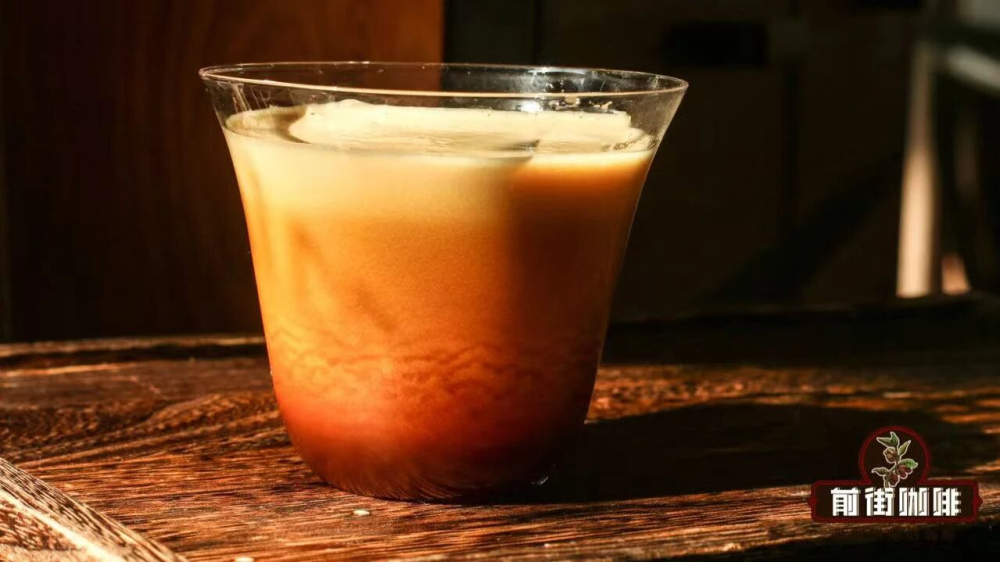
As drinking coffee gradually becomes part of daily life for the general public in China, consumers' demands for quality and individuality continue to rise. To make their products more recognizable, many chain brands have successively launched distinctive SOE single-origin espressos, setting off a new consumer trend.
What exactly is the difference between SOE and blends?
Before the concept of specialty coffee emerged, the raw material for espresso was usually a blend of beans from two or even more origins, and people did not particularly care about specific origin and batch information. Roasters often used darker roast levels to dissolve unpleasant off-flavors and sharp acidity in the beans. The espresso extracted this way had rich crema, a smooth and full entry, and balanced layers, with flavors mostly in the range of roasted hazelnut, chocolate, and caramel.
Front Street Coffee suggests that operators planning to open a shop prioritize espresso blends: on the one hand, it ensures stable output, and on the other hand, it makes cost control easier, offering outstanding value for money. If you prefer a full-bodied crema, you can choose Front Street commercial blend; if you prefer prominent nutty notes, Front Street specialty blend is a good choice to start with; if you love chocolate flavors, then trying Front Street's dark cocoa base blend is recommended.
In the 1980s, the concept of specialty coffee began to receive attention, and roasters gradually realized that different origins each had their own unique style. So they tried gradually lightening the roast level of some beans to highlight regional flavors, allowing more fruity notes to be "unearthed." Before that, single-origin coffee was mostly extracted through pour-over, siphon, or French press and other equipment, and people also began to study how to brew out the various flavors in coffee.
To stand out in competitions, some baristas often choose beans with unique styles to make drinks. James Hoffmann, who won the World Barista Championship (WBC) in 2007, was among the first to bring single-origin beans to the espresso machine, and SOE gradually became popular from then on.
SOE (single origin espresso) is single-origin espresso, referring to espresso made from beans from a single origin. The "origin" here can be a country, region, cooperative, estate, or even farm; as long as the coffee comes from the same harvest batch, it counts as single origin. For example, the dozens of beans from different origins displayed on the small blackboard in Front Street Coffee's stores are all single-origin, and Front Street usually presents them as pour-over. Single-origin coffee is built on the concept of specialty coffee, with the core goal of highlighting regional flavors. For example, Front Street's Yirgacheffe has jasmine floral aromas and citrus acidity, Front Street's Indonesian Mandheling has a mellow mouthfeel and herbal charm, and Front Street's Colombia is known for its rich chocolate notes.
In short, any espresso made from single-origin beans can be called SOE, and together with espresso blends (Blend), it belongs to the terminology of the espresso coffee system. To show the unique personality of the origin, SOE needs to be roasted a bit lighter. Take the classic Yirgacheffe—Front Street Sun-Dried Red Cherry—as an example: the extracted Red Cherry SOE has the sweet-tartness of berries and citrus, accompanied by a slight fermented note. This type of SOE has a relatively soft mouthfeel and clearer flavors, so shops often highlight and emphasize its flavor characteristics when serving it.
Why is SOE sold at a higher price than blends?
First, it is important to understand that beans emphasizing a single origin are generally higher grade than ordinary beans, so many cafes charge customers an extra supplement when offering SOE.
Single-origin beans used for pour-over emphasize faithfully restoring the unique regional flavor of the origin and the aroma of the beans themselves—Yirgacheffe should show fresh and bright citrus and lemon acidity, while Blue Mountain should give off sweet chocolate and caramel notes. Similarly, SOE must also convey the flavor characteristics that the origin should have. If roasted too dark, the aroma is easily covered by the heavy substances produced by roasting; if roasted too light, it may cause under-extraction, resulting in sharp acidity and a thin mouthfeel. Therefore, whether a cup of SOE tastes good greatly tests the "interpretation" skills of the roaster and barista.
Espresso belongs to pressure extraction, and the raw material is mostly blended beans. Producers combine beans from multiple origins and use dark roasting to create a pronounced bitterness and rich, mellow mouthfeel, with flavors basically confined to notes such as caramel, dark chocolate, nuts, and cocoa. In contrast, single-origin SOE, wanting to differentiate itself from traditional blends, uses lighter roasting to bring a lighter mouthfeel different from traditional bitter notes. For example, Ethiopian beans are dominated by fruity and floral notes. Such high recognizability makes it easier for customers to remember the style characteristics of SOE. However, from a cost perspective, better-quality single-origin beans naturally cost more, so it is reasonable for consumers to pay a bit more for them.
SOE has a higher production threshold
To present SOE's unique style, high-quality beans, an appropriate roast level, matching grind settings, and precise extraction—not a single link can fail. When adjusting espresso extraction, one must also take into account many subtle variables such as ambient humidity, extraction time, coffee grind size, dose, and brew ratio. Keeping the output stable is clearly more difficult.
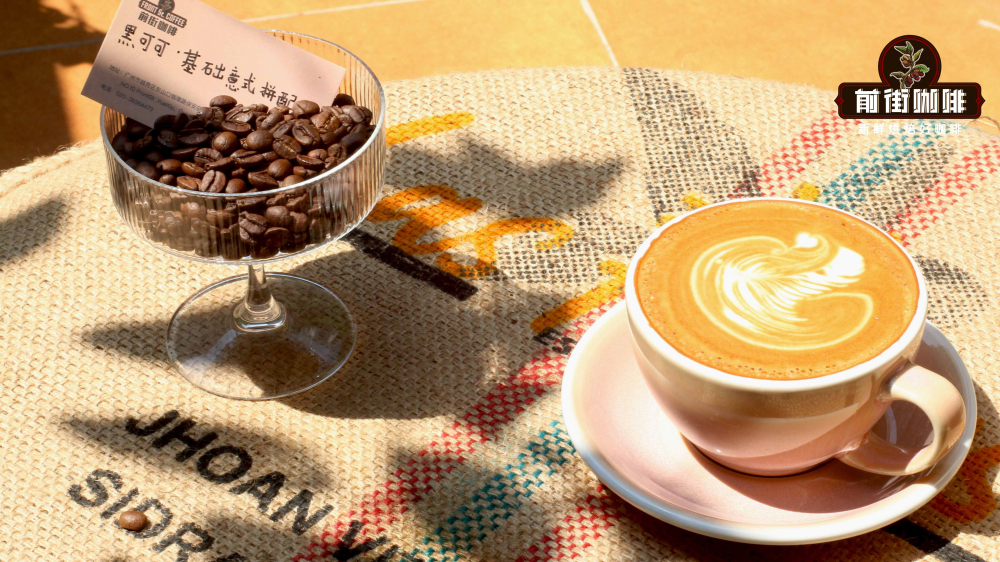
If you plan to make SOE at home, Front Street suggests choosing medium-dark roasted or flavor-oriented single-origin beans, which can avoid the strongly stimulating mouthfeel caused by roasting factors. Here, Front Street's Queen Estate coffee beans are recommended: from Brazil, with a medium-dark roast, the resulting SOE offers chocolate and roasted hazelnut, creamy smoothness, and a finish with a sugarcane-like sweet aftertaste. For those afraid of bitterness, consider Front Street's Mozart coffee beans—from Costa Rica in Latin America, using a raisin honey process, the finished SOE shows candied fruit, tropical fruit notes, and a faint floral aroma.
No matter which method is used to extract a bean, Front Street always believes freshness is extremely critical. Once the roast date is more than a month ago, some of the aroma may have been lost, and an unpleasant woody taste may also appear. Front Street hopes every customer who places an order can taste the coffee aroma within the best flavor period, so it promises to ship only fresh beans within 5 days after roasting. To make homemade SOE even better, Front Street suggests definitely choosing freshly roasted single-origin beans.
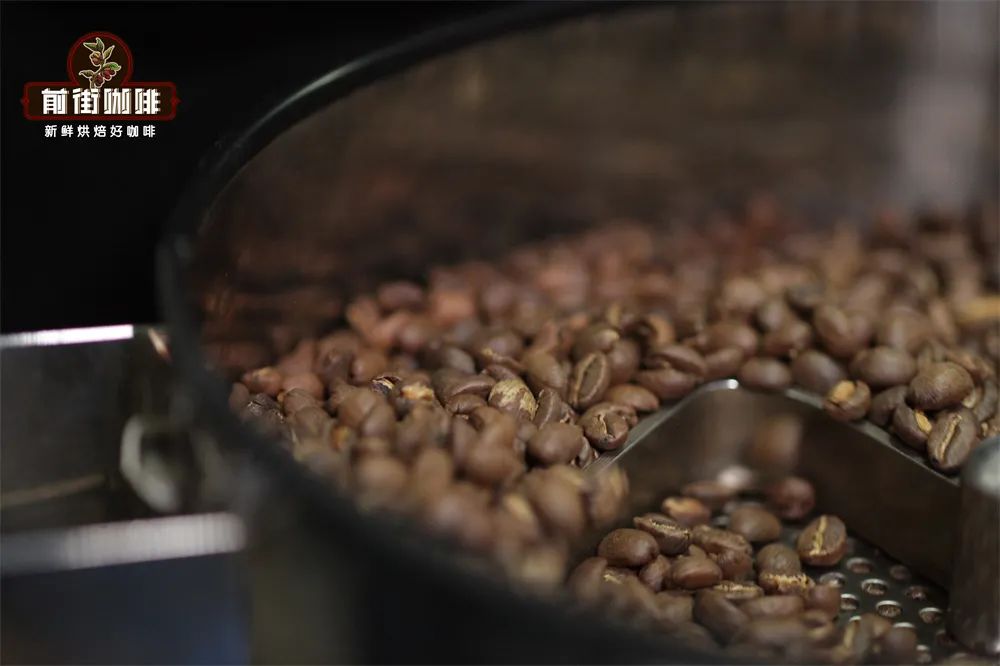
When extracting SOE with beans roasted on the lighter side, because the roasting time is shorter, the internal texture of the beans is still relatively hard, making flavor substances harder to extract. Therefore, parameters need to be adjusted to increase the extraction yield, such as lengthening extraction time, raising water temperature, making the grind finer, or increasing the dose. But espresso grinding is much finer than pour-over drip, so the adjustment range cannot be too large; otherwise, the variables can easily get out of control, and extraction becomes even more unstable. As a store operating daily, Front Street relies on long-accumulated experience for parameter adjustment; if we brew only a small amount at home and find it hard to grasp, Front Street suggests recording the data each time and summarizing the patterns between extraction variables and flavor presentation, which can help complete adjustments faster and reduce unnecessary waste.
The above content is compiled by CoffeeHunters, a coffee news website.


