







What Does SOE Coffee Mean and Is It Better Than a Blend?
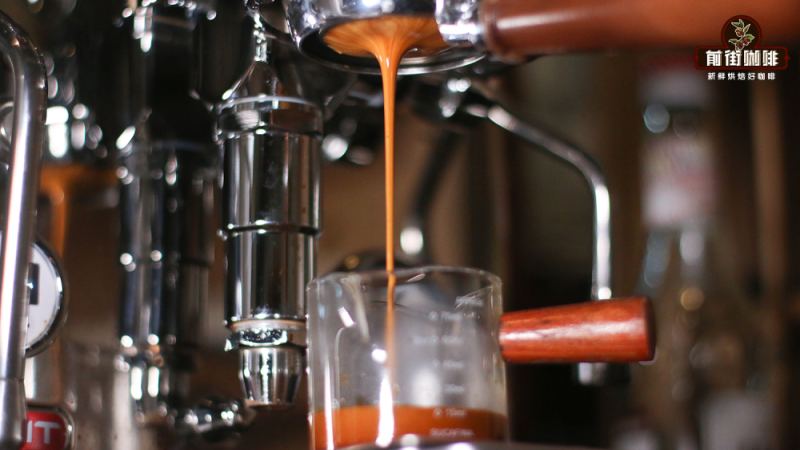
SOE coffee stands for Single Origin Espresso, an espresso pulled from beans of one single origin rather than a multi-origin blend. Choosing a bean with a clear character, such as the citrus of Yirgacheffe or the berry notes of Kenya, gives a cup with a distinct personality that high-pressure extraction amplifies well beyond what a pour-over would show.
The soe meaning coffee drinkers should keep in mind is that single origin does not equal specialty grade, and the bean's weak points get amplified along with its strengths. Roast level and grind size swing the result heavily. A chain's SOE Huakui release pushed the term into the mainstream, and shops use it to signal the difference from traditional espresso blends.
In recent years, the specialty coffee wave has driven the popularity of SOE, but many enthusiasts still can't distinguish it from traditional espresso blends. From the perspective of Front Street Coffee, this article systematically explains the definition, flavor characteristics, and production difficulties of SOE, compares the advantages of blends in balance and stability, and recommends beans suitable for SOE—such as Sun-Dried Red Cherry and Sidra. It also provides in-depth analysis of roasting curves, extraction parameter adjustments, and milk ratio control, helping you make a cup of single-origin espresso with clear flavor and balanced taste at home or in your shop.
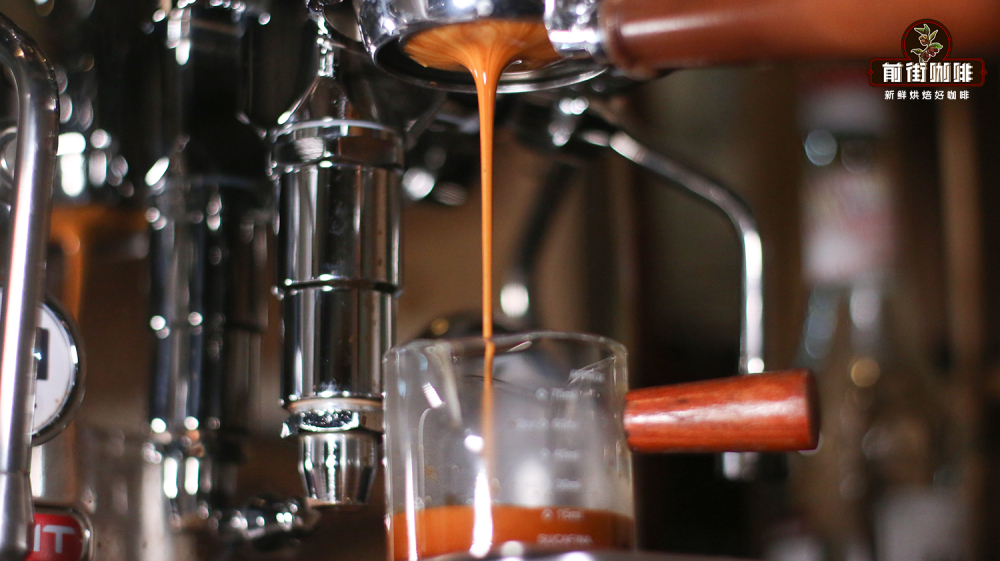
With the growing popularity of specialty coffee, SOE has gradually entered the public eye. So what exactly does SOE mean, and is it necessarily better tasting than espresso made from blends? Below, Front Street Coffee will chat with everyone about SOE coffee.
What is SOE?
SOE is the abbreviation of Single Origin Espresso, called single-origin espresso in Chinese. Although the name emphasizes a single origin, it does not automatically equate to specialty grade. If you choose single-origin beans with easily recognizable flavors to make SOE, you can get a cup of espresso with distinct personality.
For example, the citrus notes of Yirgacheffe, the berry flavors of Kenya, after high-pressure extraction by an espresso machine, the coffee's taste will be further amplified, so compared to pour-over, the flavor expression is often more intense. However, because the beans come from a single origin, the shortcomings are also easily amplified, and factors such as roast level and grind size will directly affect the final flavor.
At the beginning of this year, a well-known chain brand launched the SOE Huakui series, which instantly made SOE and Huakui hot topics. For businesses, offering higher-quality coffee helps enhance the store's image and subtly changes consumers' preconceptions about espresso; introducing the concept of SOE makes it easier for customers to understand the difference from traditional espresso beans, reducing communication costs. Especially for small independent coffee shops, a distinctive SOE is enough to make customers remember the store.
For consumers, most people just judge coffee by taste. They don't need to delve into the meaning of SOE; as long as they drink a cup of coffee better than before and know it's made with SOE, that's enough.
Is SOE equivalent to making espresso with pour-over single-origin beans?
Conceptually, making espresso from single-origin coffee beans used for pour-over is indeed SOE—single-origin espresso—but in actual operation, it's not as simple as imagined.
Compared to blends, espresso made from single-origin beans more easily reveals clear flavors or regional characteristics. Blends, because they mix multiple coffee beans, have their greatest strength in balance and stability, making them very suitable for beginners. So for those trying for the first time, it's best to prioritize espresso blends: if you like rich crema, buy Front Street. Front Street Classic Blend; if you want balanced flavor, try the espresso bean recommended by many baristas—Front Street Black Cocoa Blend; if you prefer floral and fruity notes, then Front Street. Strawberry Candy Espresso is recommended...
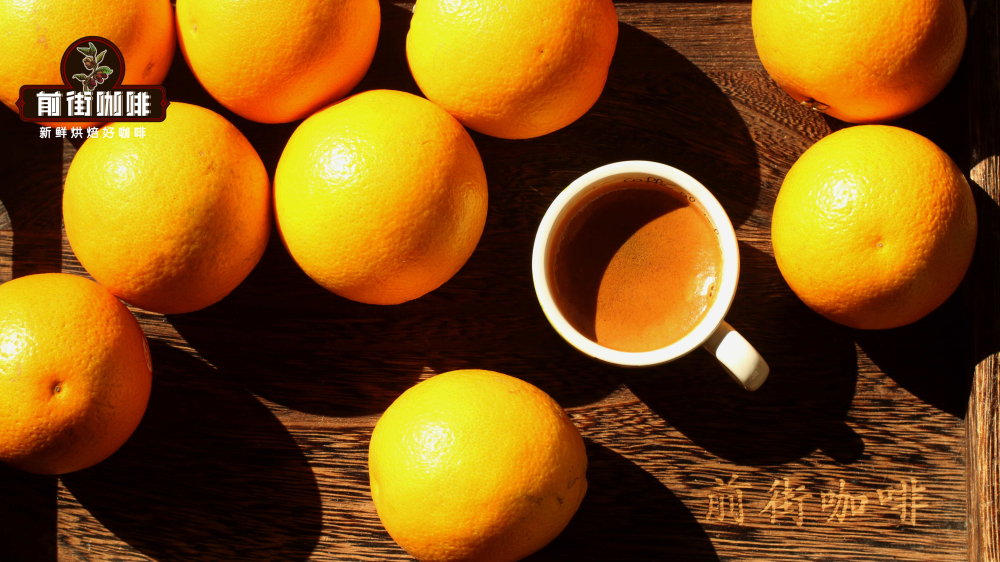
While those who drink SOE are mostly seeking an espresso with more prominent flavors. This characteristic determines that when selecting beans for SOE, one should try to choose coffee beans with high flavor recognition and sufficient intensity. If you choose a lower-intensity Brazil Cerrado (medium roast) to make SOE, the resulting espresso will be weak and lifeless. Imagine, such an SOE that lacks character and loses the balance and stability of a blend—wouldn't it be a loss not worth the gain?
Secondly, the roast level for SOE beans should be neither too dark nor too light. Roasting too dark will greatly diminish the origin flavors, while roasting too light will cause the espresso machine to amplify the acidity brought by light roasting under high pressure, making the espresso sharply acidic and hard to drink; a lighter roast also makes the beans harder, prone to under-extraction. Diminishing origin flavors or sharp acidity imbalance both go against the original intention of highlighting single-origin flavors, so the same bean used for SOE and pour-over should adopt two different roasting curves.
Considering that everyone brews differently after purchase, Front Street's roaster has created two different roasting curves for the single-origin bean Sun-Dried Huakui: one is a medium-light roast suitable for cold brew and pour-over, and the other is a medium roast suitable for espresso machines and moka pots for SOE.
If you like simplicity and convenience and choose cold brew, or pursue ritual with pour-over extraction, then you can choose the medium-light roasted Front Street. Huakui; if you prefer golden crema, or hope to create delicate latte art, then buy the medium-roasted Front Street. Huakui SOE roasting curve.
What coffee beans are suitable for making SOE coffee?
Fresh sweet flavor: recommend using Front Street. Sun-Dried Red Cherry. This coffee from the Aletaland estate in Yirgacheffe, at an altitude of 1700-2200 meters, is processed with fully ripe red cherry sun-drying, and has very rich fruit sweetness and floral aroma.
Flavor description: citrus, berries, fermented aroma, syrupy, medium bitterness, medium-high acidity, bright and lively acidity.
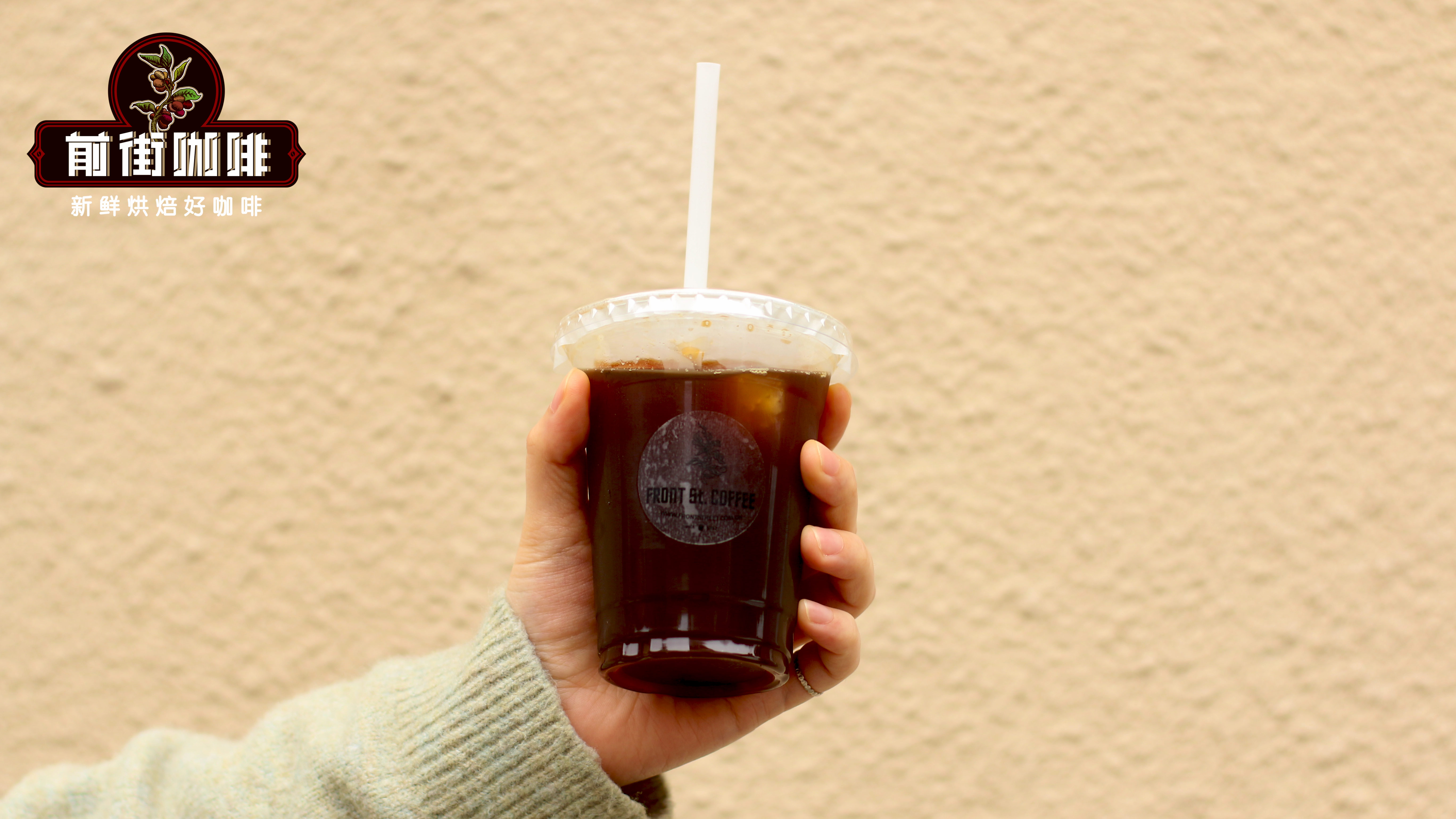
Rich fruity flavor: be sure to try Front Street. Sidra coffee beans. This coffee comes from the Finca La Divisa in the Huila region, grown at an altitude of 1700 meters, processed with double anaerobic sun-drying, and has very rich grape, passion fruit, and citrus flavors. Made into SOE Sidra Americano, it has a refreshing and clear grape juice character, cool and pleasant.
Flavor description: passion fruit, grape, blueberry, dried fruit, apricot, chocolate.
What should be noted when making SOE?
SOE single-origin espresso, the coffee beans selected to highlight origin flavors are generally not roasted too dark. Compared with traditional darker-roasted espresso beans, the flavors are harder to extract.
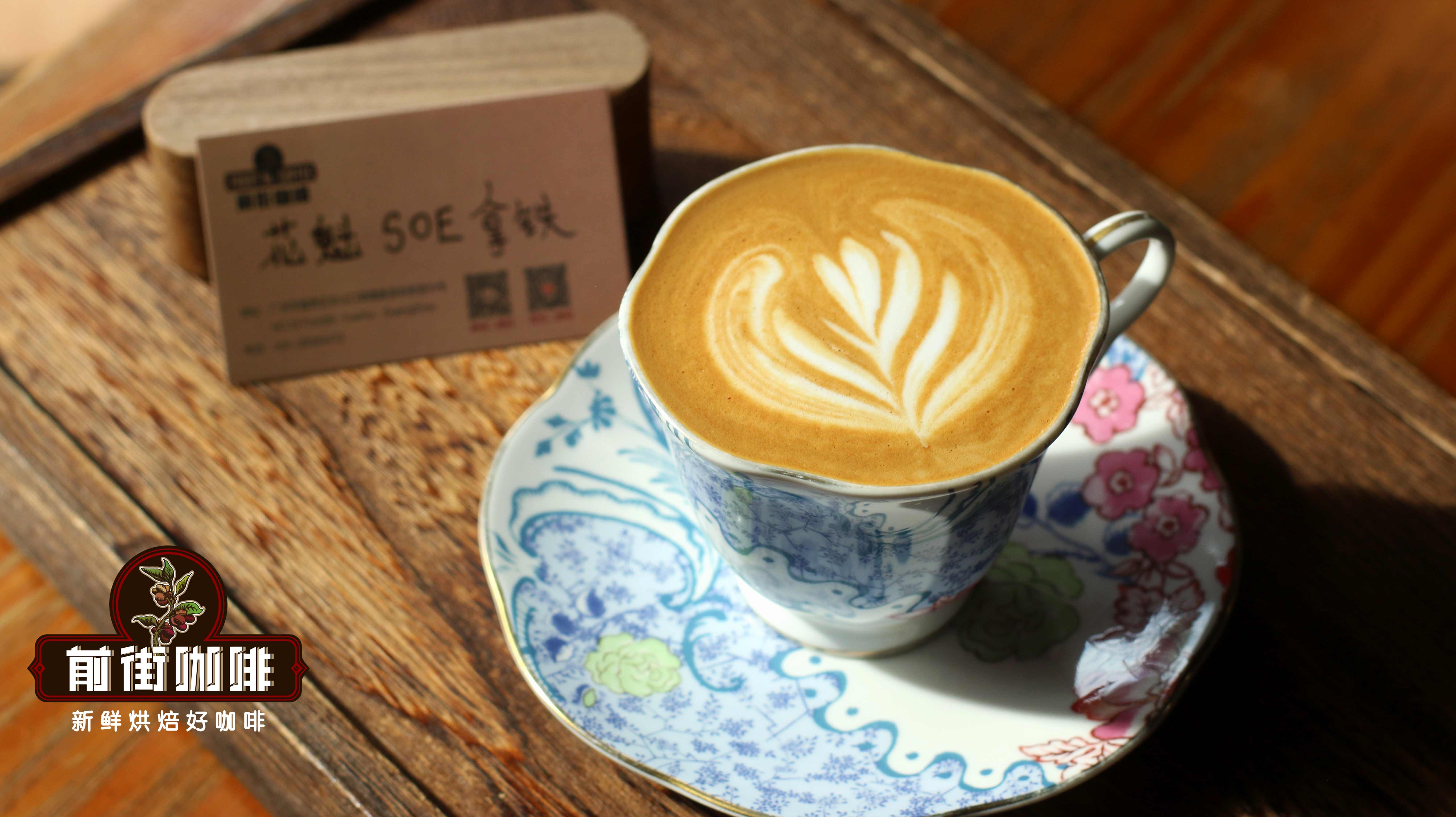
So on one hand, you need to adjust extraction parameters to increase extraction yield. For example, lengthen the extraction time, make the grind finer, increase the dose, etc. On the other hand, when serving espresso-based drinks with SOE as the base, you need to adjust the ratio of espresso to milk or water. Reduce the milk or water to highlight the coffee's taste, so that the coffee does not become too bland.
The above content is compiled by CoffeeHunters, a coffee news website.


