







Are SOE coffee beans actually better than a house blend?
SOE coffee beans are not automatically better than a blend. SOE stands for single origin espresso, meaning one origin is pulled as espresso, while a blend mixes several origins. A cafe may charge extra for SOE, yet the price tag reflects positioning and cost, not a ranking of quality. A cheap SOE can taste thin, and a well-built blend can taste complex.
The clearest difference shows up in flavor and price. An SOE highlights one origin's specific character, so it tends to taste narrower but more distinct. A blend aims for balance and consistency across batches, which is why many shops use it as the base option. Blends made by independent roasters abroad can cost as much as SOE coffee, so ordering comes down to preferred flavor, not status.
When ordering at a coffee shop, more and more people find themselves torn: should they choose a regular blend or pay extra to upgrade to an SOE? Is SOE necessarily more premium and better-tasting than a blend? Is it the same thing as a single-origin bean for pour-over? Starting from the definition, this article sorts out the real relationship between SOE and blended beans, analyzes their differences in flavor, price, and commercial positioning, and introduces the characteristics and suitable scenarios of several Front Street Coffee espresso blends, helping you make a clearer judgment when ordering or purchasing.
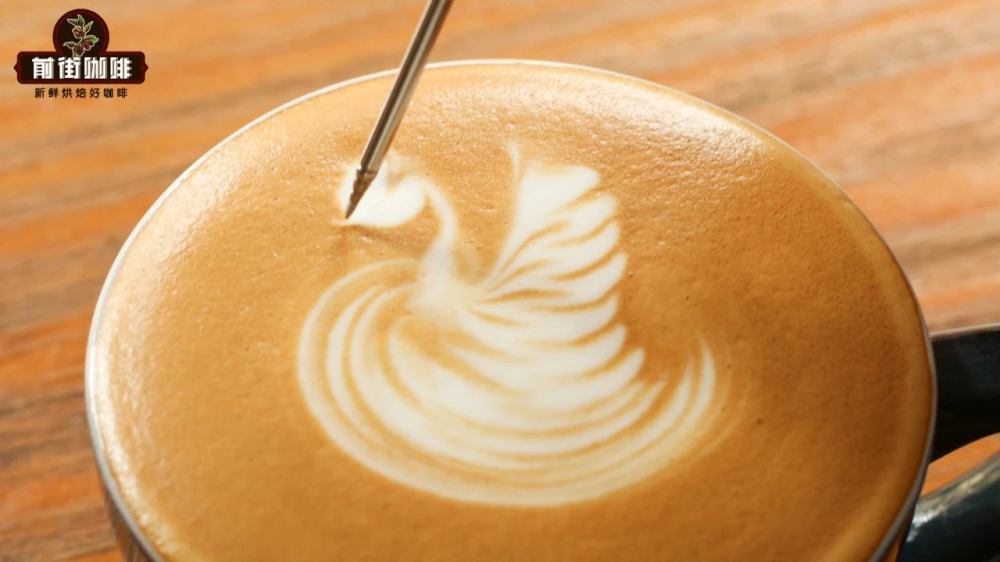
The fierce competition in the coffee industry can be glimpsed right from the menu. In the past, when you walked into a coffee shop to order, the most you'd agonize over was whether to get a latte or a cappuccino. Nowadays, just choosing a latte means facing a whole combinatorial matrix of Bean No. 1, Bean No. 2, and milk, oat milk, or coconut milk.
Many times, you originally just wanted to order an ordinary latte, but the barista enthusiastically recommends spending 3 extra yuan to "upgrade" the base blend to SOE coffee beans; then immediately suggests adding another 5 yuan to swap the milk for coconut milk. So an originally ordinary latte ends up becoming an SOE coconut milk latte (barely still a latte, let's say).
So here's the question: from a latte to an SOE coconut milk latte, is that an upgrade? Is the latter necessarily better than the former? At the moment of payment, it's certainly an upgrade—because you paid more. Something you pay extra for is called an upgrade; swapping something else at the same price is called a substitute. But when you actually taste it, what you're thinking is usually: "It should taste better than an ordinary latte—more precisely, it's a flavor expression different from an ordinary latte."
Since many coffee shops treat blended beans as the base option, some brands use SOE as a paid substitute bean. As a result, many consumers assume by default: SOE is more premium and more specialty than an ordinary blend.
But from the definition, there's no hierarchy of superior or inferior between SOE and blends. SOE can be very cheap, and it can taste terrible; blended beans can likewise be made exceptionally well and cost a lot. Many independent coffee shops abroad roll out blends with distinctive flavors, priced no lower than SOE, and after drinking them you're left deeply impressed. For example, Front Street Coffee's Strawberry Candy espresso blend brings together single-origin coffees from three renowned origins—Colombia, Ethiopia, and Costa Rica—and after extraction presents rich layers of rose, grape, dried blueberry, orange, and fruit gummy.
In China, SOE becoming a trend is more the result of commercial choices. China's commercial coffee scene started relatively late and carried little historical baggage, so over the past decade it easily embraced the specialty coffee wave (of course, it also has to do with consumers' wallets being fuller). People therefore naturally assume that single-origin coffee is better than the blends they drank in the past, and a saying bubbles up from the bottom of their hearts: you get what you pay for.
Blending is actually a technical craft—any effect you want can be achieved through blending. Blending an excellent flavor regardless of cost is doable; blending a bean that's both good and affordable with economy as the core is also doable (by "good and affordable," we mean flavor quality higher than single-origin beans at the same price). Here we recommend the Front Street espresso series: Front Street Specialty Blend, Front Street Commercial Blend, Front Street Classic Blend, and Front Street Black Cocoa Base Blend. So with blended beans, the key is what result you want—but because in the past many coffee shops chose good-and-affordable blends, people's perception of blended beans has formed a stereotype.
If you want to recreate the taste of a coffee shop, or want to become a shop owner, then Front Street Commercial Blend is the first choice. Compared with other espresso coffees, Front Street Commercial Blend uses the classic pairing of Brazil and Colombia, plus a small amount of Robusta to add the icing on the cake to the original flavor layers; the coffee shows complex nutty aromas of almond, apricot kernel, and walnut, with good crema fluidity and a low-acid, full-bodied taste—plus a price advantage, it's undoubtedly the best choice for opening a shop.
Another one is Front Street Black Cocoa Blend, recommended by many baristas, suitable for all types of coffee shops, bakeries, beverage shops, and home espresso machines. Yunnan washed small-bean coffee plus Brazil semi-washed coffee combines a nutty note with the ripe plum acidity; ground into powder it gives off the aroma of creamy chocolate and cocoa cookies, with a balanced taste and golden-glossy crema—very suitable for those opening a shop or brewing at home.
Compared with single-origin beans, whose positioning was specialty coffee from the very start, it is directly applied to espresso to become SOE. In merchants' positioning, SOE must be higher than blended beans. The logic is this: whether SOE or blended beans, the quality and flavor mainly depend on what kind of coffee beans you choose. As people's demands for coffee quality (flavor) keep rising, launching higher-priced, better-flavored coffee beans is an inevitable trend.
Whether single-origin or blended, both are just a means. Given that people have the stereotype of blended beans as "low-end beans," choosing a brand-new concept, SOE, makes it easier for people to accept the fact of high-end beans. So when merchants choose coffee beans for SOE, they focus on flavor, with the goal of letting everyone tell the difference from the base option. Therefore, you won't see coffee shops launching Mandheling SOE, Robusta SOE, or Brazil SOE; usually they're Ethiopia SOE, Costa Rica SOE, anaerobic Colombia SOE—coffee beans with flavor expressions completely different from traditional blends.
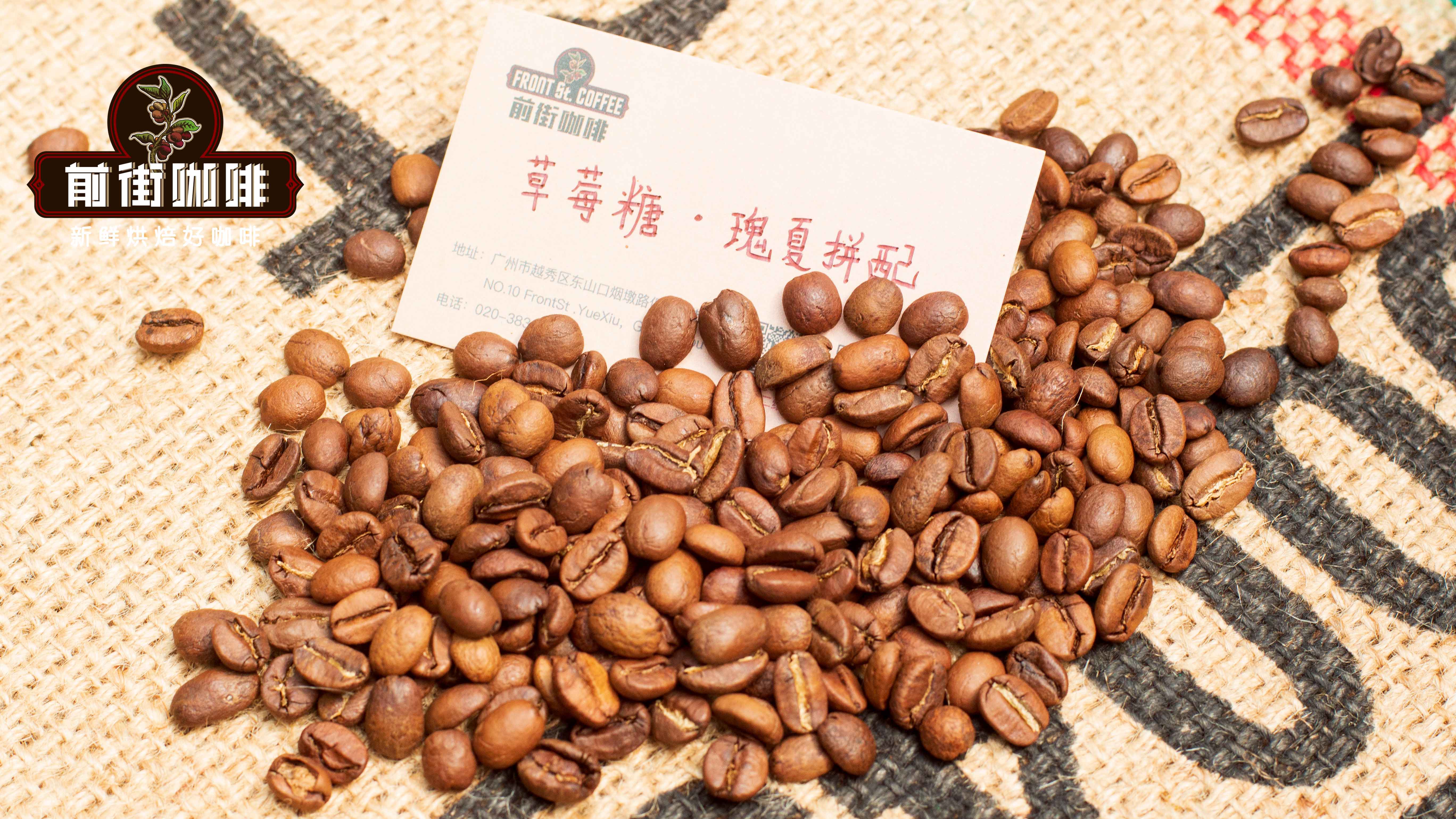
Once the concept of SOE becomes fully widespread, the next trendy concept will be specialty blends, and the already-popular SOE beans will once again become an ingredient in the recipe. By now everyone should understand: SOE and blends are just a method, with no distinction of which is more high-end; if we look at it from the level of technical skill, blending is harder to do well than SOE, but once done well, its ceiling is higher than single-origin—that is, "1+1>2."
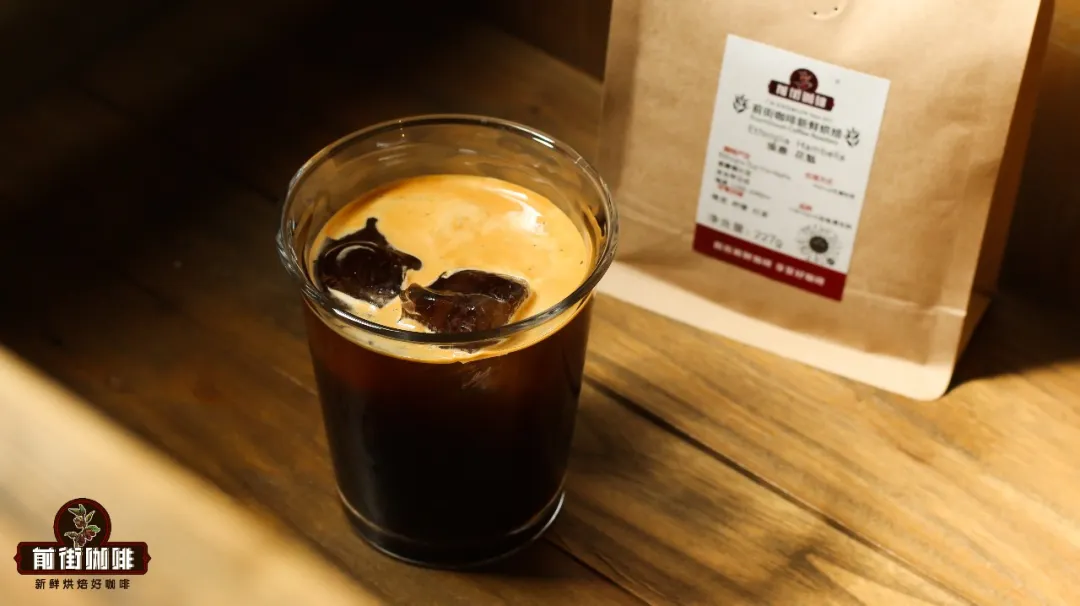
Coming back to the present, the overall quality of coffee beans is rising; even the most basic blend isn't as bad as it's made out to be. After switching to SOE coffee beans, what differs is the flavor expression: the base blend has a traditional nutty-chocolate balanced flavor, while SOE tends to have more distinctive flavors—for example, Huakui SOE shows a sweet-and-sour berry taste.
The above content is compiled by CoffeeHunters, a coffee news website.


