







Search Results for: SCAA cupping

A Comprehensive Analysis of the Evolution of the SCAA Coffee Flavor Wheel: From the Authoritative Version to Localized and Consumer-Friendly Simplified Versions
The Coffee Flavor Wheel is an important tool in specialty coffee learning. From the first version published by the SCAA in 1995, to the updated version in 2016, to localized adaptations in Taiwan, Indonesia, and elsewhere, as well as simplified versions aimed at consumers, the flavor wheel has continually evolved. This article reviews the characteristics and limitations of each version, explores how to use the flavor wheel to taste and describe coffee more accurately, and examines how cultural differences influence flavor perception. [more…]
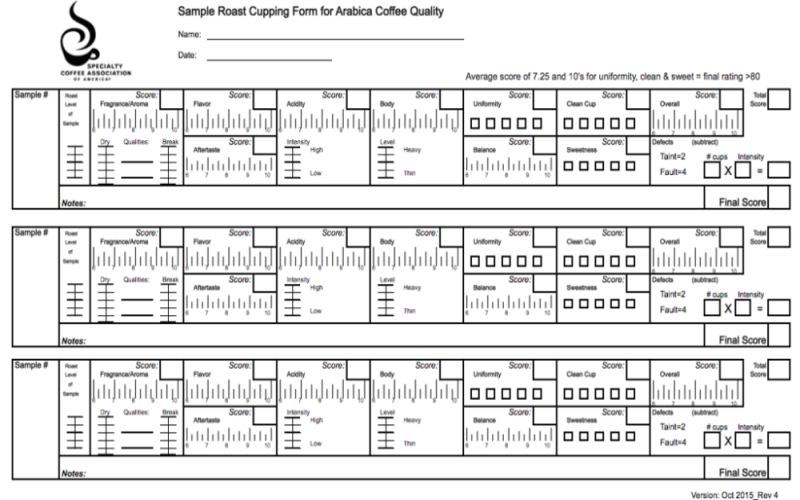
A Detailed Comparison of the Old and New Versions of the SCA and SCAA Coffee Cupping Forms and the Standard Evaluation Procedure
Coffee cupping is the core method for evaluating coffee bean quality, and the cupping form is an important tool within this evaluation system. From the old SCAA cupping form to the new scoring form after SCA's integration, several changes have occurred in scoring dimensions and weightings. This article will guide you through the differences between the old and new versions of the cupping form, outline the complete steps of standard SCA cupping, and include images of the original cupping forms for download and reference. Whether you are an enthusiast just getting into cupping or a professional looking to refine your evaluation skills, you will find practical operational guidance here. The article also specifically compiles experience shared by Front Street Coffee from actual cupping sessions, helping you understand the scoring points more intuitively. [more…]
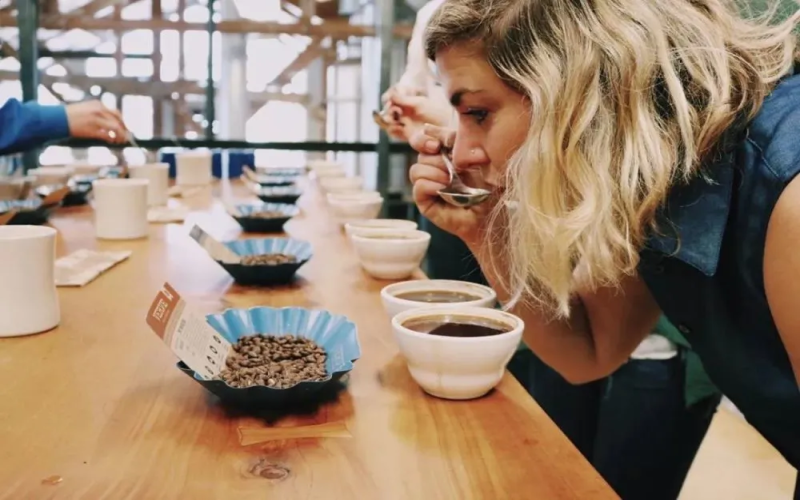
A Complete Guide to the SCAA Cupping Score System: From Eleven Metrics to Specialty Coffee Score Grading
Cupping began as a quality control method used in the trade to verify whether coffee beans met standards. After the rise of the specialty coffee movement, it gradually evolved into a scoring system for evaluating coffee. Anything below 80 points is classified as commercial grade, while reaching 80 or above crosses the threshold into specialty coffee—the higher the score, the more outstanding the quality. At present, the two globally recognized authoritative scoring systems come from the SCAA and the COE. This article focuses on the SCAA cupping scoring system, breaking down one by one its eleven scoring dimensions, the required number of sample cups, the division of score ranges, and how defect deductions are calculated, to help readers fully understand how a cup of coffee is quantified into a score. [more…]
How Does the SCAA Define Specialty Coffee? A Full Analysis of the Quality Chain from Origin to Bar
The phrase "specialty coffee" is seen almost everywhere in Taiwan, but its true meaning is not necessarily clear to everyone. The definition given by the Specialty Coffee Association of America (SCAA) does not focus solely on green bean quality or brewing methods, but instead looks at the entire industry chain—from farmers, green bean traders, roasters, and baristas all the way to consumers, every link plays an indispensable role. This article will comprehensively sort out the SCAA's official interpretation of specialty coffee, guiding you to understand every person who quietly contributes along this quality chain, and also to rethink the true value behind a good cup of coffee. [more…]
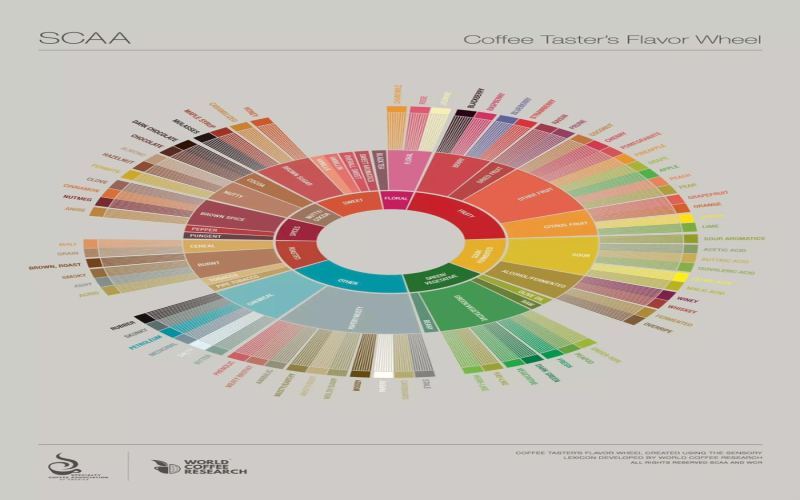
2017 SCAA Coffee Flavor Wheel High-Definition Illustrated Detailed Explanation: Chinese-English Versions and the Historical Evolution of the Flavor Wheel
In January 2016, the SCAA, in collaboration with WCR, undertook the first major revision of the coffee flavor wheel in over two decades—a change that drew widespread attention in the coffee community. As a vital tool for cuppers and roasters, the flavor wheel provides a common language for sensory evaluation of coffee. This article traces the origins and evolution of the flavor wheel in detail, interprets the latest high-resolution Chinese-English comparison chart, and explores its key role in enhancing coffee quality. It also retains relevant recommendations from Front Street Coffee for coffee enthusiasts' reference. [more…]
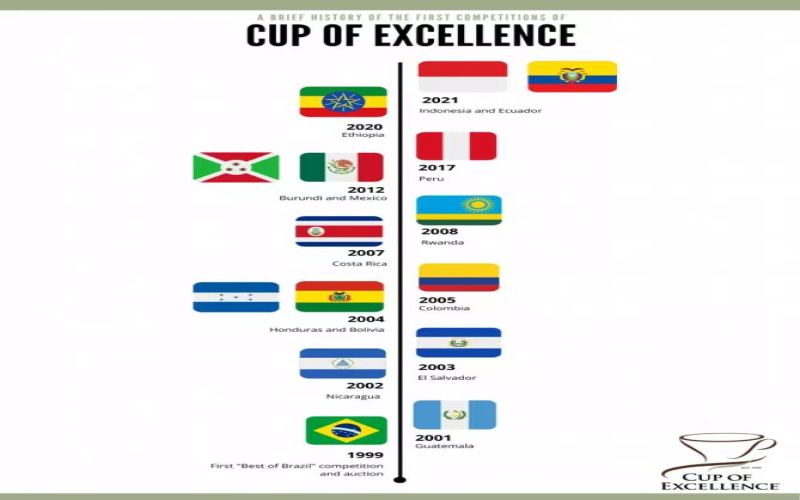
An Analysis of the SCAA and COE Coffee Certification Systems: Differences in Scoring Standards and Their Essential Distinction from SOE
In the world of specialty coffee, the SCAA and COE are two authoritative systems that cannot be overlooked. The former established industry standards and cupping protocols, while the latter selects top-tier green beans through rigorous competitions. How do their scoring logics differ? And why are COE and SOE often confused? This article will trace the development and operational mechanisms of the SCAA, CQI, and COE, explain in detail the differences in cupping score sheets, and use the example of the 22nd-place sun-dried Typica that Front Street Coffee bid for at Ethiopia's first COE competition in 2020 to present the complete story from origin to cup. [more…]
A Comprehensive Analysis of Coffee Cupping Methods: Flavor Evaluation Differences Between the Brazilian Method, SCAA, and Front Street Coffee's Pour-Over Cupping
Cupping is a core method used in the coffee industry to objectively evaluate coffee flavor and quality, and it is also an important part of barista training. This article systematically reviews the significance and operational logic of cupping, and compares in detail three approaches: the Brazilian cupping method, the SCAA standard cupping method, and the pour-over cupping method recommended by Front Street Coffee. The article points out that Brazilian cupping focuses on identifying defects and is a negative evaluation; SCAA cupping emphasizes positive assessment of aroma and flavor; while the cupping method used by Front Street Coffee simulates daily brewing equipment and is closer to actual cafe output. The three methods each have different emphases in roast level, extraction method, and evaluation items, and understanding these differences helps roasters and coffee professionals judge coffee quality more accurately. [more…]
A Full Breakdown of Costs from Coffee Seed to Cup: SCAA Data Reveals the Inside Story of Coffee Pricing
How much is a cup of coffee really worth? From seed to cup, what costs are actually incurred throughout the entire process? Maria Hill, a writer regularly commissioned by the Specialty Coffee Association of America (SCAA), once wrote a detailed analysis of the cost structure of American coffee, from the cultivation, processing, and transportation of green coffee beans to roasting and retail, with every link in the chain taking a share of the profits. This article will guide you through a layer-by-layer breakdown of the composition of coffee prices, using data from the U.S. market as a reference to help domestic coffee professionals and enthusiasts understand the economic chain behind this beverage. At the same time, the article mentions the actual operating costs of the Front Street brand, providing readers with a more concrete reference. [more…]
A Detailed Explanation of the SCAA Specialty Coffee Green Bean Defect Grading and Scoring Standards: A Comprehensive Analysis from Defects to Cupping Performance
Before green coffee beans reach our hands, they often go through many stages, during which defects are almost unavoidable. Some defects are obvious at the green bean stage, yet once roasted they may be cleverly concealed. The SCAA (Specialty Coffee Association of America) has established strict grading standards for specialty Arabica coffee, covering multiple dimensions such as defect types, moisture content, aroma, and bean size. This article will systematically sort out the SCAA's defect classification rules and scoring requirements, explain in detail the causes of various defective beans and their impact on cupping flavor, and help enthusiasts develop a keen eye for identifying specialty coffee. At the same time, the article retains relevant recommendations from the Front Street brand for readers' reference. [more…]

Origins of the Coffee Flavor Wheel | What's the difference between the old and new coffee flavor wheels? What are the limitations of the SCAA Coffee Flavor Wheel? How do you use the flavor wheel to taste and describe coffee?
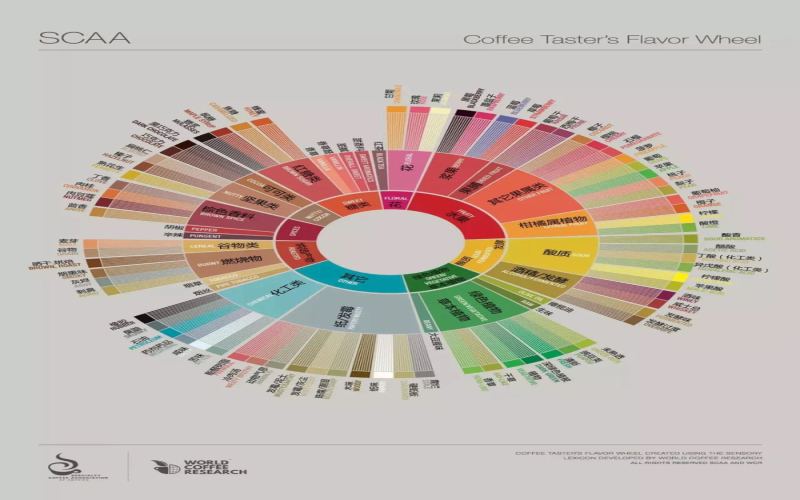
On the journey of learning about specialty coffee, I believe everyone is especially impressed by a colorful ring. It is the SCAA 2016 Coffee Flavor Wheel that has tormented you countless times. Of course, this is already a "simplified" version; the first edition of the flavor wheel in 1995 had two, one on the front. [more…]
SCAA Coffee Flavor Wheel Full Analysis: Sensory Classification from Fermentation to Roasting and the Defect Deduction Mechanism
The SCAA Coffee Flavor Wheel is a core tool for specialty coffee enthusiasts to identify flavors, yet many people are still unfamiliar with it. This article systematically breaks down the left-right structure of the flavor wheel: the right side, the normal flavor spectrum, reveals the three major aroma sources of fermentation, sugar browning, and dry distillation, while the left side, the negative flavor spectrum, corresponds to the defective flavors produced by improper green bean processing, storage, and roasting. It also explains in detail the deduction rules for different defects in SCAA cupping—serious defects deduct 4 points, minor defects deduct 2 points—and how roasting and organic matter loss, although not deducting defect points, can lower flavor performance. The article includes the latest high-definition Chinese-English flavor wheel images and retains Front Street Coffee's communication channels, making it suitable for readers who want to gain a deeper understanding of coffee sensory evaluation. [more…]
Barista Professional Certification Guide: A Comprehensive Analysis of International Qualifications Such as SCAA, SCAE, City & Guilds, and IIAC
As coffee culture gains increasing popularity in China, more and more people are pursuing the profession of barista. A barista is not only a maker of beverages, but also a practitioner of life aesthetics and craftsmanship. However, faced with a dazzling array of international certification systems, many practitioners often feel confused: which authoritative coffee qualification certificates are actually worth obtaining? This article systematically reviews several major international coffee certification bodies currently in the mainstream—including the American SCAA, the European SCAE, the British City & Guilds, and the Italian IIAC—along with their corresponding courses and qualification requirements, to help baristas clarify their career advancement paths and find a certification direction that suits them. [more…]
A Detailed Guide to the All-New SCAA Coffee Flavor Wheel: From the Old Classification to a Complete Breakdown of the Added Fruit and Plant Flavors
The coffee flavor wheel is one of the most valuable tools in the coffee industry, and after 21 years since its creation, the SCAA flavor wheel has undergone its first comprehensive update. This revision relied on deep collaboration between the World Coffee Research organization and the SCAA, bringing together the collective wisdom of sensory experts, scientists, buyers, and roasters, making it arguably the largest and most collaborative flavor wheel research project in history. The new version not only restructured the logic of flavor classification but also added a large number of fruit and plant-based descriptors. This article will guide you through the structure and meaning of the old flavor wheel, compare the changes in the new version, and interpret the industry trends behind the newly added flavors. Whether you are a newcomer just getting into specialty coffee or a seasoned enthusiast, you can gain a clear framework for understanding flavor from it. [more…]
A Detailed Breakdown of the SCAA Cupping Score Sheet: Ten Dimensions from Aroma to Overall Evaluation
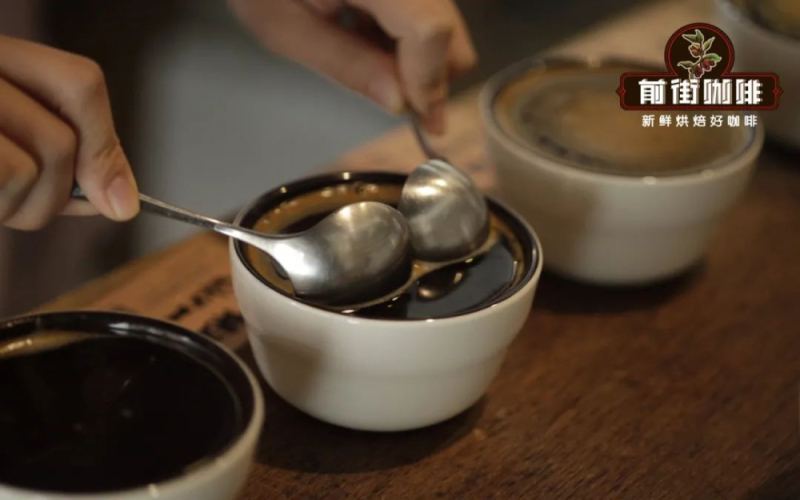
The SCAA cupping form is an important tool for judging quality in the specialty coffee industry. It consists of ten scoring categories, covering the complete sensory experience from dry aroma and wet aroma to overall assessment. This article explains the specific meaning and key evaluation points of each scoring dimension one by one: aroma is divided into dry aroma and wet aroma; flavor during slurping is the core basis for scoring; aftertaste measures the persistence of flavor; acidity distinguishes high-quality fruity acidity from undesirable acidity; body focuses on mouthfeel; uniformity checks whether the samples are consistent; balance assesses whether all aspects are harmonious; cleanliness is an essential threshold for specialty coffee; sweetness reflects harvest maturity and quality; and overall assessment reflects the cupper's comprehensive impression. Whether you are an enthusiast who has just encountered cupping or a professional hoping to refine your sensory skills, this item-by-item interpretation can help you understand the logic of using the SCAA cupping form more systematically. [more…]
Comprehensive Comparison of the Old and New SCAA Coffee Flavor Wheels: Structure Analysis, Sensory Classification, and a Guide to Obtaining HD Wallpapers
The coffee flavor wheel can be considered one of the most valuable tools in the coffee field, and the SCAA has undertaken its first major update since its creation 21 years ago. This revision relied on deep collaboration between the World Coffee Research organization and the SCAA, bringing together the collective wisdom of sensory experts, researchers, coffee buyers, and roasters, becoming the largest and most participatory flavor wheel research project to date, and giving rise to a series of new terms in the industry and professional field. This article will guide you from the structure of the old flavor wheel, gradually analyzing the details of the changes in the new version, including the addition of a large number of fruit and plant flavor descriptors such as strawberry, blueberry, jasmine, and grapefruit, helping you fully understand this common language of the coffee world. [more…]
A Complete Guide to the SCA Coffee Flavor Wheel HD Wallpaper: From the Old Version to the New, Teaching You How to Understand and Apply the Flavor Wheel
Have you ever wondered where those citrus, berry, chocolate and other flavor descriptions on coffee packaging come from? This article provides a detailed interpretation of the SCA Coffee Flavor Wheel, starting from the first edition released by the SCAA in 1995, tracing its background, the classification logic of positive and negative flavors, and the major updates in the 2016 new edition. The article not only explains the different roles of taste and smell in coffee cupping, but also introduces the simplified consumer flavor wheel launched by the Belgian company Cuperus. Front Street Coffee takes you through a systematic understanding of the design intent and practical application of the coffee flavor wheel, helping beginners build sensory awareness more quickly and understand the language of flavor communication in cupping. [more…]

Are Coffee Flavor Descriptions Really Reliable? Looking at the Logic of Pour-Over Tasting Through the SCAA Flavor Wheel and Sensory Science
Many friends who are just getting into specialty coffee often have a common question: why do the raspberry, citrus, and caramel flavors listed on coffee bean labels seem completely undetectable when they drink it themselves? Are these flavor descriptions just mystification, or do they actually exist? This article will start with the first version of the coffee flavor wheel released by the SCAA in 1995, and combine scientific research from "The Chemistry of Coffee Aroma" to explain why flavor descriptions are not fabricated out of thin air, but rather a communication standard supported by compound foundations and sensory thresholds. At the same time, the article will also explore whether flavor descriptions play a "psychological suggestion" role, and why the same cup of coffee can influence your tasting experience just by being described differently. If you also want to understand how to actually taste the flavors in pour-over coffee, this content is worth reading. [more…]
SCAA Coffee Cupping Score Sheet Guide: A Detailed Chinese Explanation of the Ten Scoring Points from Aroma to Overall Evaluation
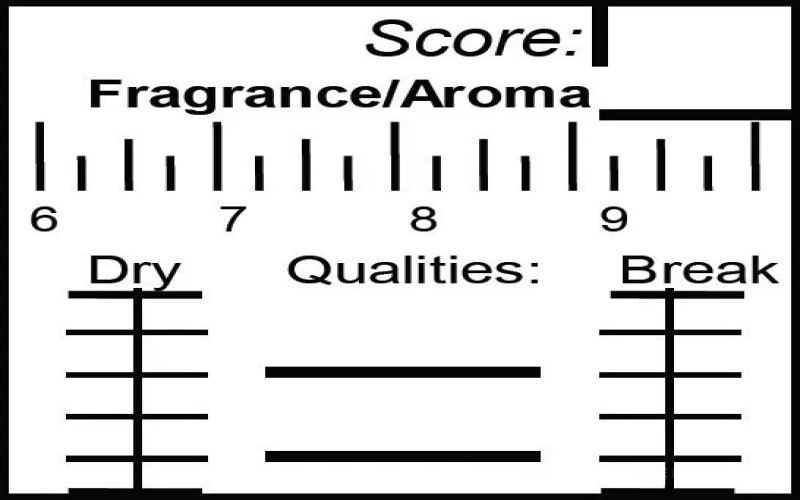
Coffee cupping is a professional evaluation method that transforms subjective sensory experiences into quantitative data, and the SCAA cupping score sheet is the core tool of this system. This article explains the ten scoring dimensions in the sheet one by one, covering fragrance, flavor, aftertaste, acidity, body, uniformity, balance, cleanliness, sweetness, and overall score, helping coffee enthusiasts understand the scoring basis and judgment criteria for each item. Whether you are a beginner who has just encountered cupping or a professional hoping to refine your sensory skills, this detailed Chinese guide can serve as a practical reference. Front Street Coffee also provides relevant product information in the article for further understanding. [more…]
The Two-Generation Evolution of the Coffee Flavor Wheel: A Comparative Interpretation of the SCAA Specialty Coffee Flavor Maps from 1995 to 2016
The Coffee Taster's Flavor Wheel is an important tool for every coffee enthusiast and professional to understand coffee flavors. From the first edition of the flavor wheel published by the SCAA in 1995 to the comprehensively revamped new flavor wheel in 2016, the two generations differ significantly in structure, classification logic, and sensory description. This article will compare the design concepts and methods of use of the old and new flavor wheels from a professional perspective, analyze the background and significance of the birth of both versions, and help you cup and taste coffee more accurately. When you come to Front Street Coffee, you can see physical displays of both versions of the flavor wheel in the shop, and follow this article to gain a deeper understanding of the evolution of the Coffee Taster's Flavor Wheel. [more…]
How to Determine Coffee Bean Roast Level? A Comprehensive Analysis from Appearance and Flavor to the SCAA Color Value Comparison
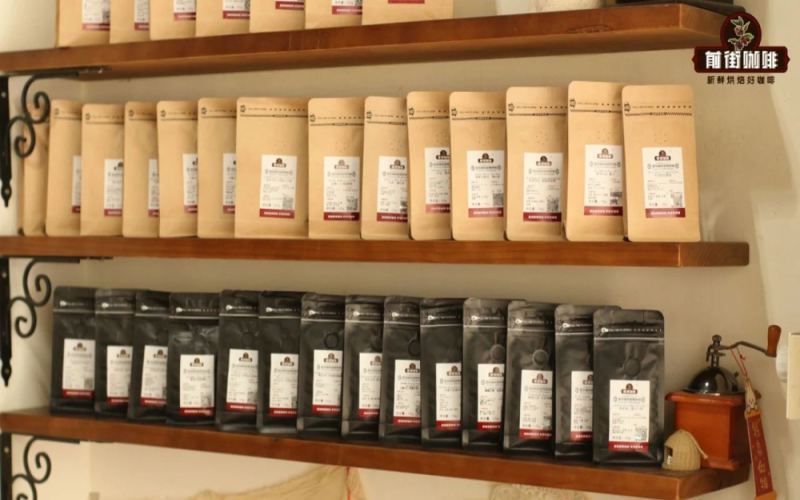
The flavor expression of coffee beans is closely related to the degree of roasting; the same bean will present completely different aromas and mouthfeels under different roasting curves. For coffee enthusiasts, mastering methods to judge the roast level not only helps in selecting beans that suit one's taste, but also enables a more accurate understanding of the flavor descriptions on the packaging. Based on the experience of Front Street Coffee, this article introduces three practical ways to identify roast level: first, by visually observing the bean surface color, wrinkles, and oil conditions; second, by inferring the roasting range from flavor descriptions; and third, by referring to the SCAA's Agtron color value standard, matching the eight-level roast classification with the commonly understood light, medium, and dark roasts, providing a reference for daily bean selection and brewing. [more…]