







How does the roasting process change bean color and flavor?
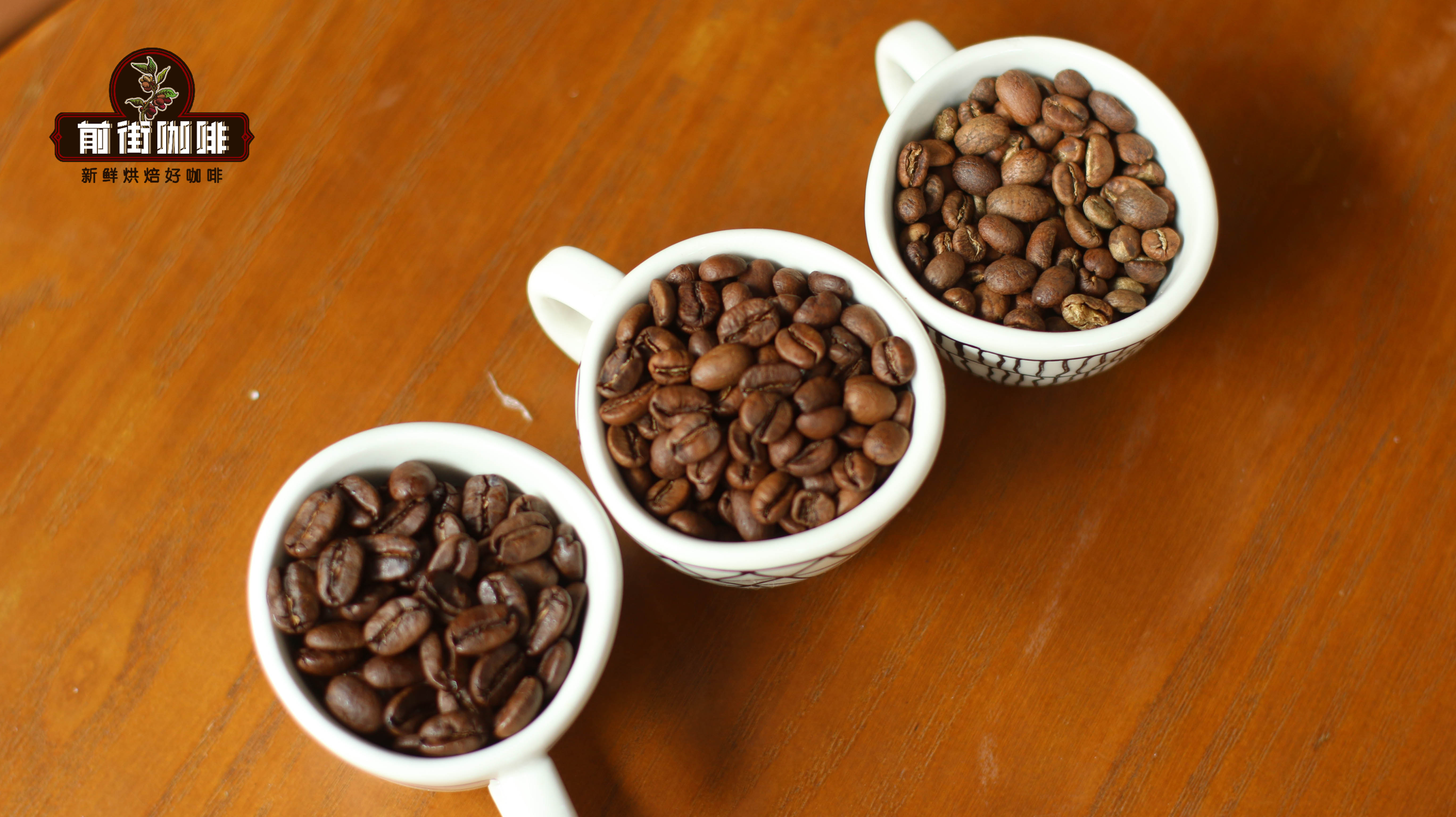
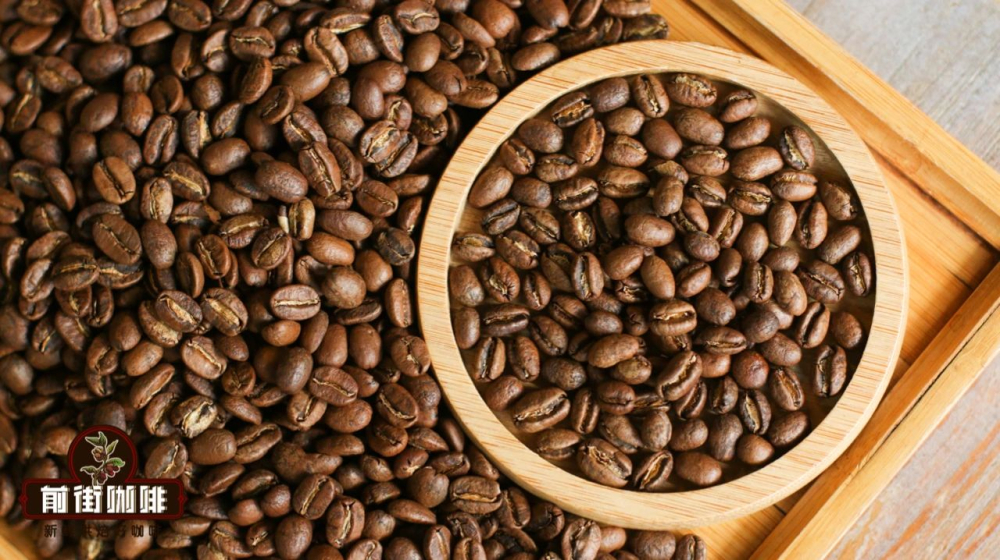
Roast level can be judged in three practical ways: by eye, by taste description, and by color value. Light-roasted beans look light brown with visible surface wrinkles, medium roasts turn brown with wrinkles smoothing out, and dark roasts look blackened and glossy, with oil sometimes appearing on the surface.
The roasting process behind those differences also drives flavor, so the same bean tastes unlike itself at different levels. The SCAA Agtron color value standard maps eight roast classifications onto the everyday light, medium and dark categories, and industrial coffee roasters rely on similar readings to keep batches consistent for buyers and brewers.
The flavor profile of coffee beans is closely tied to the roast level; the same bean can present completely different aromas and mouthfeel under different roasting curves. For coffee enthusiasts, mastering methods to judge roast level not only helps in selecting beans that suit one's taste, but also allows for a more accurate understanding of the flavor descriptions on packaging. Drawing on the experience of Front Street Coffee, this article introduces three practical ways to identify roast level: first, by visually observing the bean surface color, wrinkles, and oil conditions; second, by inferring the roast range from flavor descriptions; and third, by referencing the SCAA's Agtron color value standard, mapping the eight-level roast classification to the commonly understood light, medium, and dark roasts, providing a reference for daily bean selection and brewing.
For more specialty coffee knowledge, please follow: Front Street Coffee (Frontsteet Coffee)
The coffee beans we buy every day have without exception all gone through the roasting process—it is this step that gives the beans their captivating aroma, and differences in roast level also bring completely different drinking experiences. In this issue, Front Street Coffee (FrontStreet Coffee) will discuss several practical methods for identifying roast level.
I. Judging by Eye Divided by the roast levels we commonly encounter in daily life, there are roughly three types: light roast, medium roast, and dark roast.
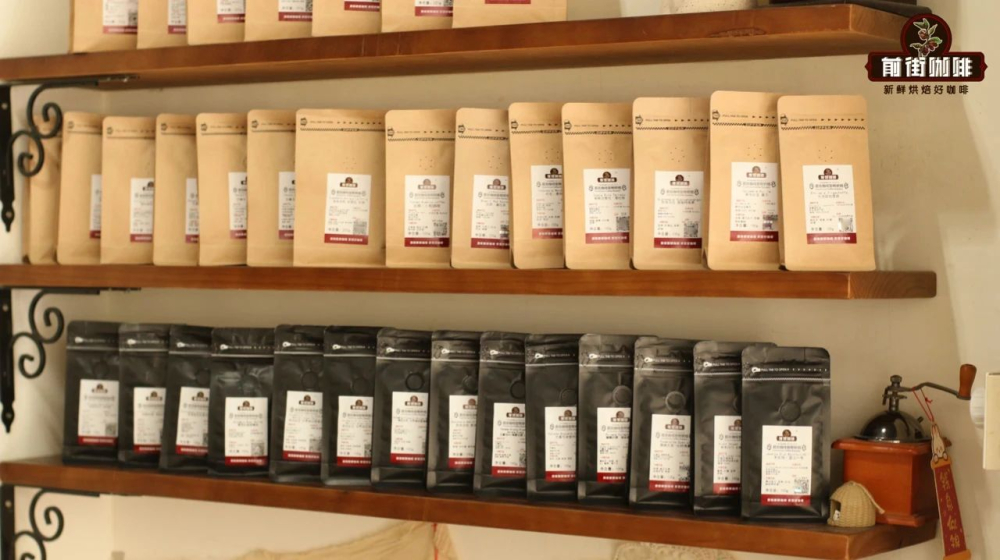
Green coffee beans typically have a pale yellow or light green color, which gradually darkens after roasting. Light-roasted beans are generally light brown with relatively pronounced surface wrinkles; for this range you can try Front Street Fruit Dingding, Front Street Little Tomato, and Front Street Huakui; medium-roasted beans are darker in color, appearing brown, with surface wrinkles tending to smooth out; recommended are Front Street Strawberry Candy, Front Street Xizhua, and Front Street Bird of Paradise; dark-roasted beans have a blackened surface and smooth texture, and some darker roasts even exude oil on the bean surface, looking glossy and shiny; for dark-roasted beans, Front Street Golden Mandheling is recommended.
II. Inferring by Taste Actually, there is another trick: inferring from the flavor description provided by the shop which range the roast level roughly falls into. Generally speaking, beans whose flavor descriptions include floral, citrus, berry, and other fruity notes are mostly medium-light roasts; if described with maple syrup, cane sugar, caramel, and other sweetness-centered notes, they are mostly medium roasts; and if described with nutty, cocoa, caramel, herbal, and other bitterness-leaning notes, they often belong to medium-dark roasts.
Of course, this classification method is hardly rigorous, but it often works in practice. The reason is that ordinary customers do not have a very deep understanding of roasting, nor do they need to reach a professional level. Roasting itself is controlled by professional roasters, and flavor descriptions are also conclusions drawn by professional baristas after cupping, so the expressions naturally have a corresponding basis, and using them as a reference is indeed a good approach for judgment.
So, is there a more scientific means to identify the roast level of coffee? The answer is yes.
III. Judging Roast Level by SCAA Color Value There are several key points in the coffee roasting process, one of which is first crack. Before first crack occurs, it can basically be considered that the beans are not yet "done." First crack begins, intensifies, and after it ends there is a quiet period of 1 to 2 minutes, followed by second crack. The later the beans are dropped after first crack, the darker the roast level.
The SCAA uses infrared caramelization measurement technology (Agtron) to measure the color of coffee beans, thereby determining the roast level, and divides colors from light to dark into eight levels, producing eight standard color tiles for the coffee industry to use as a reference for roast identification.
Agtron color value #95: Light Roast Drop time: when first crack is about to end intensively
Agtron color value #85: Cinnamon Roast Drop time: around the end of first crack
Agtron color value #75: Medium Roast Drop time: after first crack ends
Agtron color value #65: High Roast Drop time: the quiet period between first crack and second crack
Agtron color value #55: City Roast Drop time: the start of second crack
Agtron color value #45: Full City Roast Drop time: before second crack intensifies
Agtron color value #35: French Roast Drop time: when second crack is intense
Agtron color value #25: Itatian Roast Drop time: when oil begins to exude onto the bean surface
So, what is the correspondence between this standard and what we commonly call light, medium, and dark roasts?
Considering that many coffee enthusiasts are not very familiar with the SCAA's Agtron standard, these eight categories can be simplified into four groups for understanding:
Light Roast (highlighting fruity acidity and floral/fruit aromas): Light Roast, Cinnamon Roast
Medium Roast (increased sweetness, balanced): Medium Roast, High Roast
Medium-Dark Roast (maximized sugar transformation, bitterness giving way to sweetness): City Roast, Full City Roast
Dark Roast (emphasizing both bitterness and body): French Roast, Itatian Roast
The above content is compiled by CoffeeHunters, a coffee news website.


