







Search Results for: Cupper
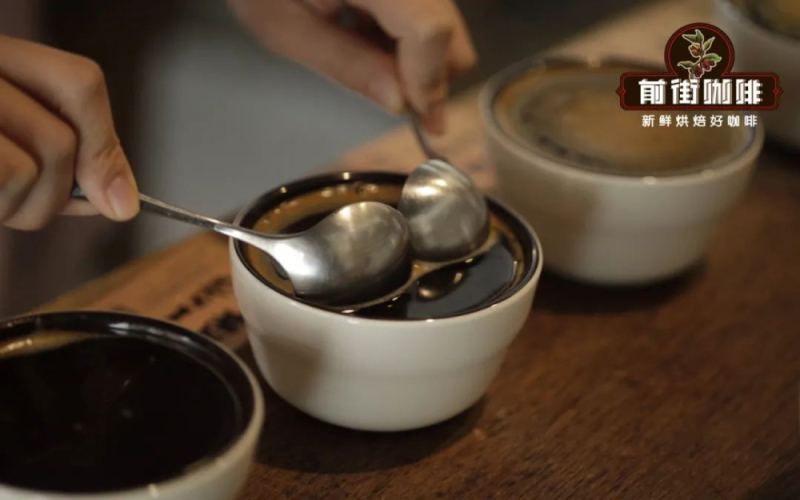
A Detailed Breakdown of the SCAA Cupping Score Sheet: Ten Dimensions from Aroma to Overall Evaluation
The SCAA cupping form is an important tool for judging quality in the specialty coffee industry. It consists of ten scoring categories, covering the complete sensory experience from dry aroma and wet aroma to overall assessment. This article explains the specific meaning and key evaluation points of each scoring dimension one by one: aroma is divided into dry aroma and wet aroma; flavor during slurping is the core basis for scoring; aftertaste measures the persistence of flavor; acidity distinguishes high-quality fruity acidity from undesirable acidity; body focuses on mouthfeel; uniformity checks whether the samples are consistent; balance assesses whether all aspects are harmonious; cleanliness is an essential threshold for specialty coffee; sweetness reflects harvest maturity and quality; and overall assessment reflects the cupper's comprehensive impression. Whether you are an enthusiast who has just encountered cupping or a professional hoping to refine your sensory skills, this item-by-item interpretation can help you understand the logic of using the SCAA cupping form more systematically. [more…]
How Do Coffee Cuppers Objectively Evaluate Specialty Coffee Flavor? An Analysis of the Standardized Evaluation System for Coffee Bean Quality
The same cup of coffee—some people taste plum acidity and whisky aroma, while others find it merely sweet and easy to drink. So who ultimately decides these flavor differences? The quality assessment of specialty coffee relies on a team of professionally trained and certified Q graders, who follow a globally standardized procedure to score each item one by one, including dry fragrance, wet aroma, flavor, aftertaste, acidity, body, uniformity, balance, cleanliness, and sweetness. This article breaks down the complete cupping procedure in detail, from grind size, coffee-to-water ratio, and water temperature to breaking the crust, skimming, and slurping, and explains the specific meaning of scores from 6 to 10 in the SCAA scoring standards, helping coffee enthusiasts understand the reference value and limitations of cupping scores and find the coffee flavors that truly suit them. [more…]
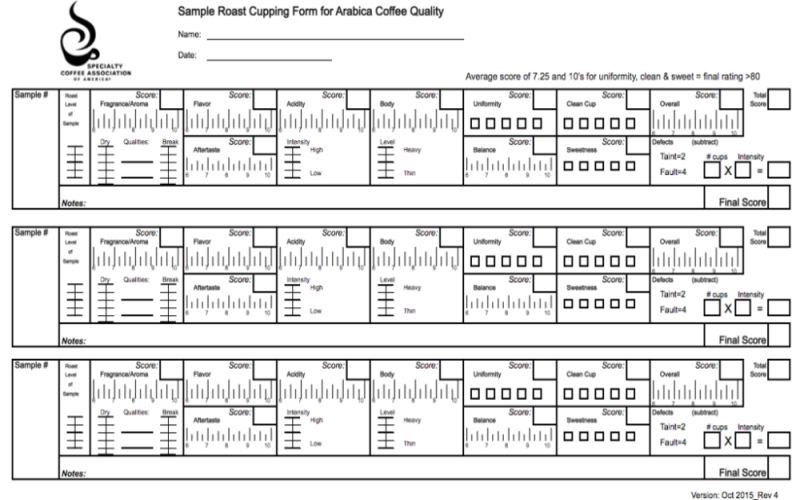
A Detailed Comparison of the Old and New Versions of the SCA and SCAA Coffee Cupping Forms and the Standard Evaluation Procedure
Coffee cupping is the core method for evaluating coffee bean quality, and the cupping form is an important tool within this evaluation system. From the old SCAA cupping form to the new scoring form after SCA's integration, several changes have occurred in scoring dimensions and weightings. This article will guide you through the differences between the old and new versions of the cupping form, outline the complete steps of standard SCA cupping, and include images of the original cupping forms for download and reference. Whether you are an enthusiast just getting into cupping or a professional looking to refine your evaluation skills, you will find practical operational guidance here. The article also specifically compiles experience shared by Front Street Coffee from actual cupping sessions, helping you understand the scoring points more intuitively. [more…]
Is Colombian Geisha Coffee an Arabica? Understanding the Flavor Differences Across Growing Regions in One Article
Geisha is an Arabica variety originating from the Gesha Mountains of Ethiopia. It rose to fame after being discovered at Hacienda La Esmeralda in Panama, once fetching a high price of nearly $290 per kilogram. The Herrera family of Finca La Esperanza in Colombia introduced Geisha from Panama in 2007. After years of trial cultivation, they finally won the championship at the Specialty Coffee Association of America's annual green coffee competition in 2011. This article begins with the variety's origin and spread, then combines the author's cupping session in Wangjing, Beijing with Colombian cupper Pei Daxing, documenting in detail the brewing and tasting process of three Geisha coffees, and summarizing their flavor characteristics: lively acidity, intense floral and fruity notes, and a balanced, smooth mouthfeel. At the same time, the article also outlines the flavor differences among Colombia's various coffee-producing regions, providing a practical tasting reference for coffee enthusiasts. [more…]
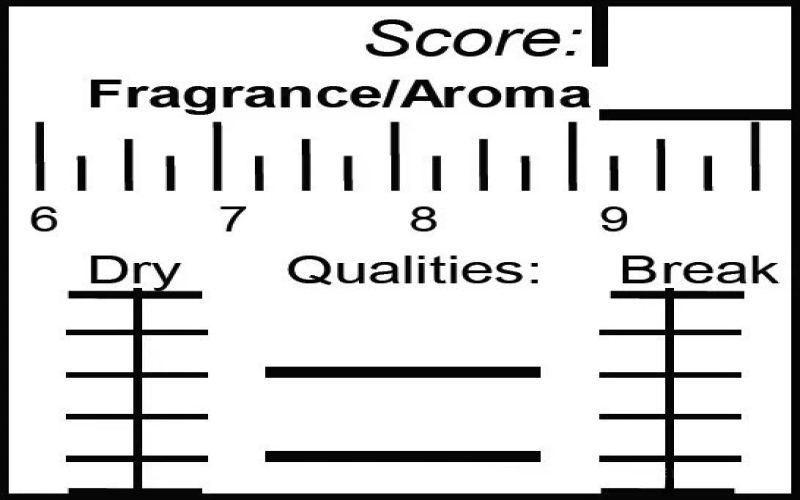
SCAA Coffee Cupping Score Sheet Guide: A Detailed Chinese Explanation of the Ten Scoring Points from Aroma to Overall Evaluation
Coffee cupping is a professional evaluation method that transforms subjective sensory experiences into quantitative data, and the SCAA cupping score sheet is the core tool of this system. This article explains the ten scoring dimensions in the sheet one by one, covering fragrance, flavor, aftertaste, acidity, body, uniformity, balance, cleanliness, sweetness, and overall score, helping coffee enthusiasts understand the scoring basis and judgment criteria for each item. Whether you are a beginner who has just encountered cupping or a professional hoping to refine your sensory skills, this detailed Chinese guide can serve as a practical reference. Front Street Coffee also provides relevant product information in the article for further understanding. [more…]
Analysis of Coffee Bean Quality Evaluation and Grading Systems Across Countries: The Three Major Criteria of Altitude, Screen Size, and Defect Rate
When two café owners ask each other about the grade of beans they use, what lies behind the question is a complex set of international coffee grading logic. Brazil's defect-score system, Central America's altitude standards, East Africa's screen sizes—each producing country has developed a completely different quality evaluation system based on its own national conditions. This article will systematically sort out three mainstream grading methods: by origin altitude, by green bean screen size, and by a composite evaluation method combining screen size and defective bean ratio, and will explain in detail Brazil's unique three-tier grading system and its strict cupper culture. Whether you are a newly initiated enthusiast or a seasoned professional, understanding these standards can help you judge coffee quality more accurately and also provide a reference for everyday purchasing. [more…]
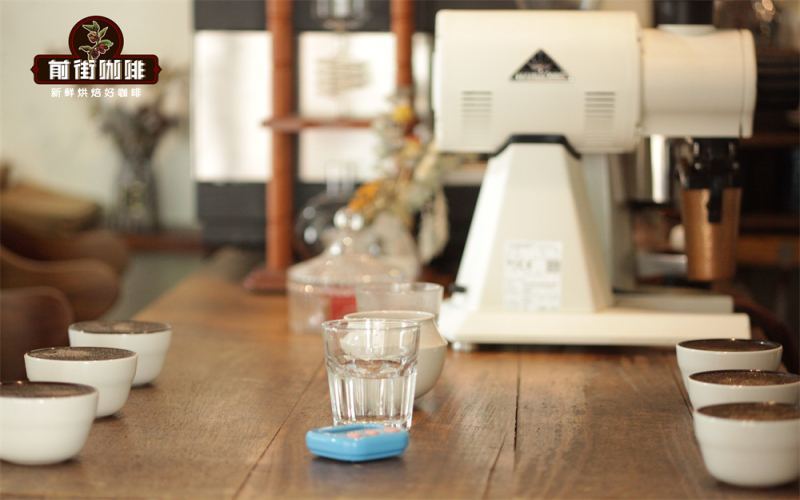
A Detailed Guide to the SCA and CoE Coffee Cupping Scoring Systems: Flavor Wheel Application and 2023 HD Wallpaper Resources
Cupping is the primary step for verifying coffee quality after roasting. By standardizing grind size, coffee-to-water ratio, water temperature, and steep time, it objectively reveals a bean's truest flavors. This article systematically outlines the purpose of cupping, the required equipment, and standard parameters, walks step by step through the complete process of pouring, smelling, breaking the crust, and slurping, and takes an in-depth look at the eight scoring categories on the CoE cupping form and how they differ from the SCA scoring system. It also compiles common descriptive terms from the flavor wheel and includes a high-resolution 2023 flavor wheel wallpaper resource, making it a handy reference for coffee enthusiasts and professionals alike. [more…]
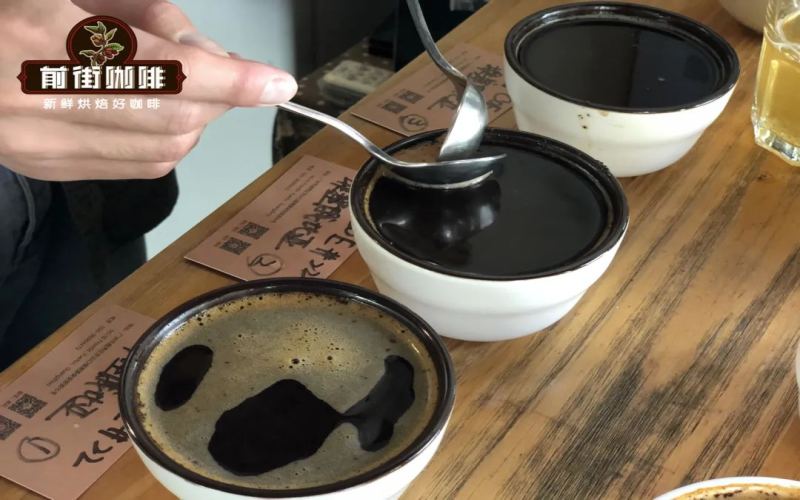
Cupping Slurp
Cupping is one of the core tasks of coffee industry professionals, and it is a way to help people evaluate coffee flavors and characteristics in a relatively fair and systematic manner. Cupping takes place throughout the entire coffee supply chain, not only at the consumer end in coffee shops, but also at the production end, including mid- and upstream roasteries and places of origin. So how do you perform a cupping? [more…]
Pour-over for two
There are many ways to brew coffee, from the siphon method that feels like a chemist conducting an experiment, to simple extraction methods like the French press. Among them, pour-over may be the one with the most room for experimentation. Most brewing tutorials online are for a single serving, so how do you brew for multiple people? Attentive readers may have noticed that most brewing tutorials [more…]
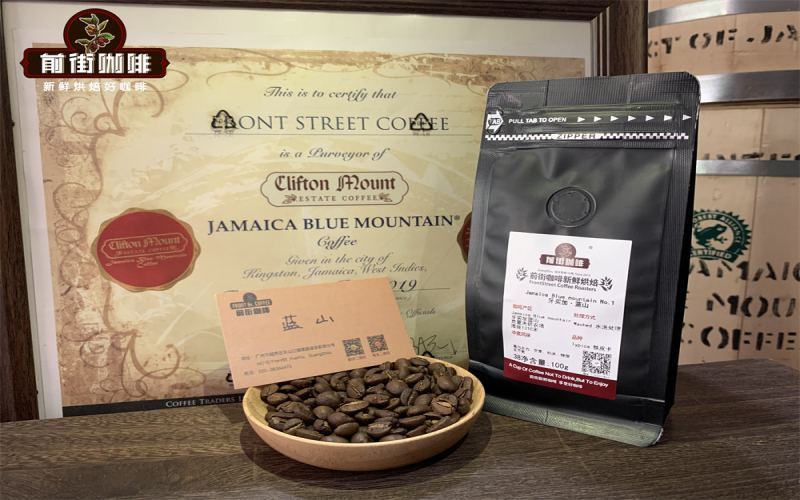
Jamaica Mavis Bank Blue Mountain No. 1 Coffee: Origin, Processing, and Flavor Profile Analysis
Blue Mountain coffee is Jamaica's most iconic coffee calling card, and Mavis Bank is a pivotal green bean processing facility in this producing region. This article begins with Mavis Bank's geographical location and historical evolution, tracing the Moon family's over-a-century-long operating history, and extends to the terroir conditions of the legally designated Blue Mountain producing area. It then provides a detailed explanation of the complete processing chain from harvesting red cherries to washing, sun-drying, resting, and hulling, as well as the No.1 grade standard of 17/18 screen size and a defect rate below 2%. Finally, it covers the medium-dark roast performance of Front Street Blue Mountain No.1 coffee beans, bringing out flavor impressions of nuts, chocolate, and caramel. [more…]
Exploring Jamaican Mavis Bank Blue Mountain No. 1: A Complete Analysis from Origin to Flavor
Jamaican Blue Mountain coffee has always been a benchmark in the specialty coffee world, and Mavis Bank, as a core processing facility in the legally designated Blue Mountain No. 1 producing region, is especially noteworthy for the Blue Mountain No. 1 it produces. This article takes you through the historical origins of Mavis Bank, the unique geographical environment of the Blue Mountain region, and the complete process from green bean processing to the flavor in the cup. Front Street Blue Mountain No. 1 coffee beans are rigorously selected at the No. 1 grade of 17/18 screen size with a defect rate below 2%, and are medium-dark roasted, presenting nutty walnut aromas with a chocolate and caramel-like sweetness on the finish, making them an unmissable choice for coffee lovers. [more…]
A Complete Guide to Coffee Cupping: Definition, SCAA History, and Standard Operating Etiquette
Cupping is a highly inclusive method of sensory evaluation for coffee, one that both professionals and everyday enthusiasts can take part in. Through a standardized process of roasting, extraction, and tasting, it translates a coffee's aroma, flavor, and mouthfeel into quantifiable scores, thereby allowing one to judge quality and identify strengths and weaknesses in flavor. This article will guide you through the basic concepts of cupping, its historical evolution from trade quality control to specialty coffee competitions, and the etiquette rules that must be observed in actual practice. It also retains relevant recommendations from the Front Street brand, making it suitable reading for any enthusiast who wants to gain a deeper understanding of coffee evaluation. [more…]
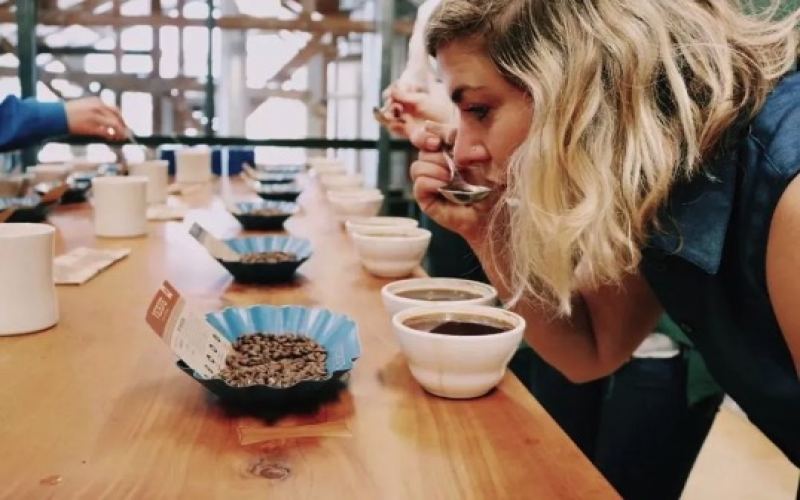
The scoring criteria for coffee cupping. SCA How to evaluate a cup of coffee.
The scoring criteria for coffee cupping. The cupping of coffee beans was initially to ensure whether the quality of the coffee beans that are about to enter the trade is qualified. With the passage of time, after the concept of specialty coffee was b [more…]
2024 Panama BOP Geisha Washed Group Champion: In-Depth Analysis of Lerida Estate
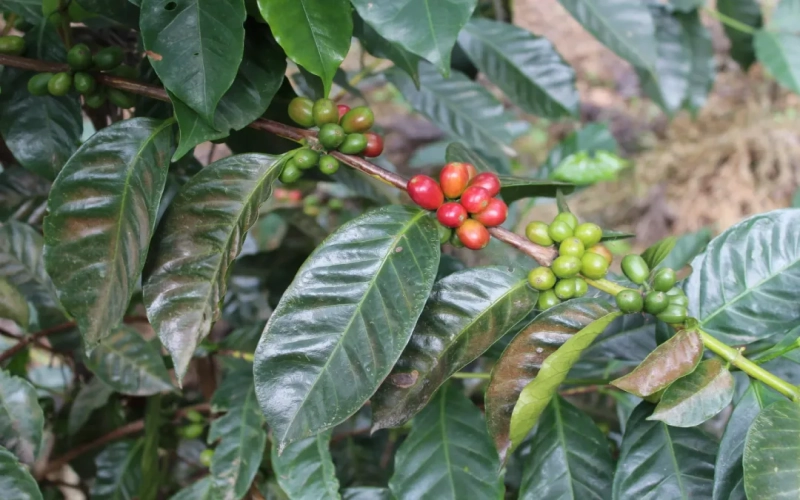
The results of the 2024 Best of Panama (BOP) competition have been announced. In the Washed Geisha category, Elida Estate's Lorenny Estate claimed the crown with a score of 95.5 points, and this emerging estate under Adela Coffee is rising rapidly. The reason Panamanian coffee has long occupied the pinnacle of the specialty coffee world is not only the legendary flavor of the Geisha variety, but also the decades of promotion by the SCAP association and the BOP competition. This article will guide you through an in-depth understanding of Panama's coffee-growing regions and terroir, the unique microclimate of Boquete, and the cultivation background and estate owner's story of the champion estate Lorenny. It also includes Front Street Coffee's recommendations and purchasing advice for this champion bean. [more…]
What Exactly Does Balance in Pour-Over Coffee Mean? The Balanced Advantage of the Typica Variety, Seen Through the High Price of Blue Mountain Coffee
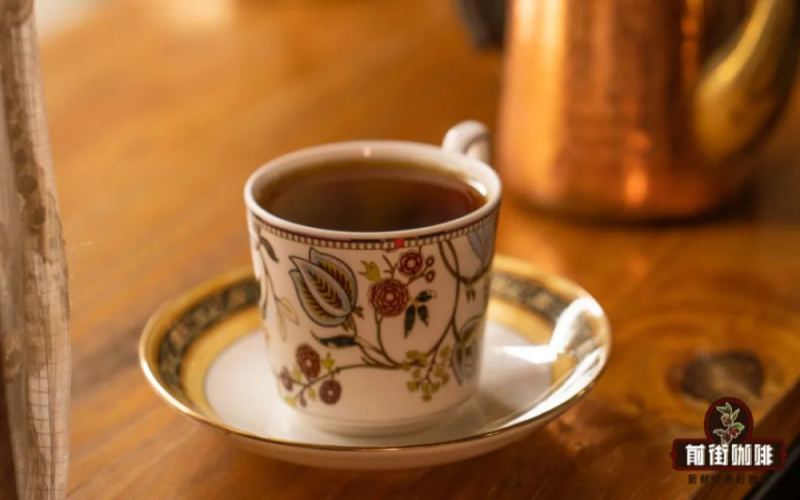
In coffee cupping, "balance" is an important scoring dimension, but what it measures goes far beyond the simple harmony of acidity, sweetness, and bitterness. The interrelationship among four elements—acidity, sweetness, body, and aftertaste—is the true criterion for judging balance. Blue Mountain coffee has always been renowned for its balance; even though it may not excel in any single aspect on its own, it delivers the most comfortable overall experience. Starting from Front Street Coffee's cupping experience and drawing on specific cases, this article analyzes the meaning of balance, and explores the reasons behind Blue Mountain coffee's high price as well as the unique advantages of its Typica variety. [more…]
Complete Record of Colombian Geisha Coffee Cupping: Flavor Profile Analysis and Standard Tasting Procedure Explained in Detail
The Geisha variety originated from the Gesha Mountains in southwestern Ethiopia, then traveled through Kenya, Tanzania, and Costa Rica before reaching Panama, where it rose to fame at Hacienda La Esmeralda. Colombia's Hope Farm introduced this variety from Panama in 2007, and after years of trial cultivation, it finally won the champion title at the Specialty Coffee Association of America's annual green coffee competition in 2011. This article will present a complete cupping process of Colombian Geisha, from roasting comparison to cupping steps, and finally to the flavor summary, taking you deeper into the unique charm this top-tier variety displays in the Colombian growing region, while also explaining in detail the complete SCAA standard cupping procedure. [more…]
Coffee Bean Buying Guide | Whole Beans or Ground Coffee: Which Is Better? Which Coffee Beans Suit Pour-Over, French Press, Espresso Machines, and Clever Drippers?
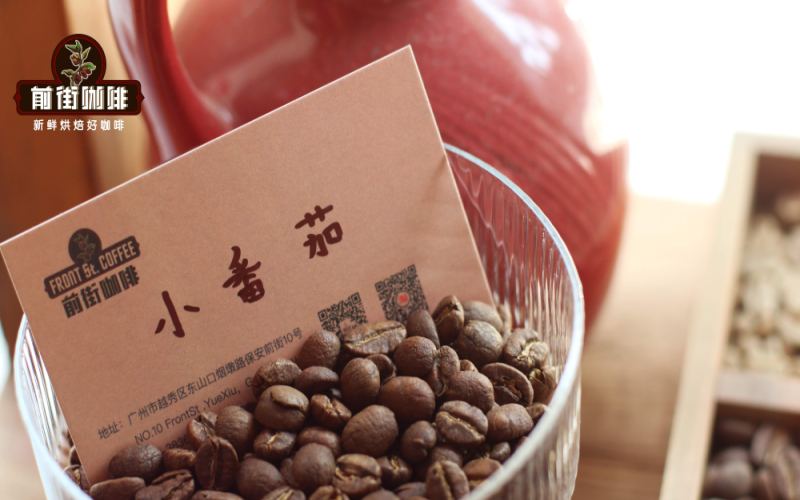
Aroma is the soul of coffee beans, and freshness is the guarantee of their quality. Therefore, Front Street Coffee believes that to buy coffee rich in aroma, you need to choose freshly roasted coffee beans. Below are six tips and guidelines on buying coffee beans that Front Street Coffee has compiled for you, as a gift to those who love coffee. When buying roasted coffee beans, [more…]
An In-Depth Look at Korean Coffee Culture: A Unique Development History from Certification Systems to Signature Drinks
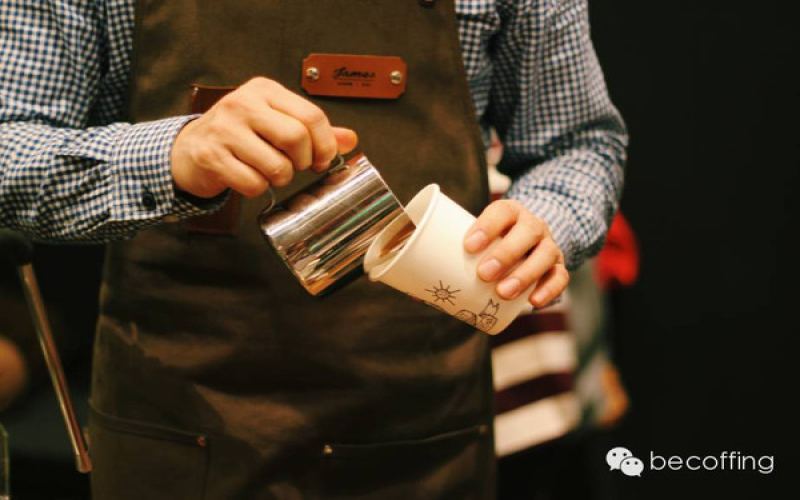
South Korea's coffee culture is increasingly demonstrating international influence, not only hosting one of the world's largest coffee festivals but also leading the world with an astonishing number of barista certifications. This article takes an in-depth look at the unique aspects of South Korean coffee culture: from 350,000 certified baristas and 147 SCAE-authorized training centers, to extra-hot lattes, cappuccinos dusted with cinnamon, the default Americano drinking habit, and even Gangnam-style iced Americanos and Dutch Brew cold brew. Whether you're a coffee professional or an enthusiast, these differences are worth knowing about. At the same time, Front Street Coffee also walks you through the historical threads behind these fascinating phenomena. [more…]
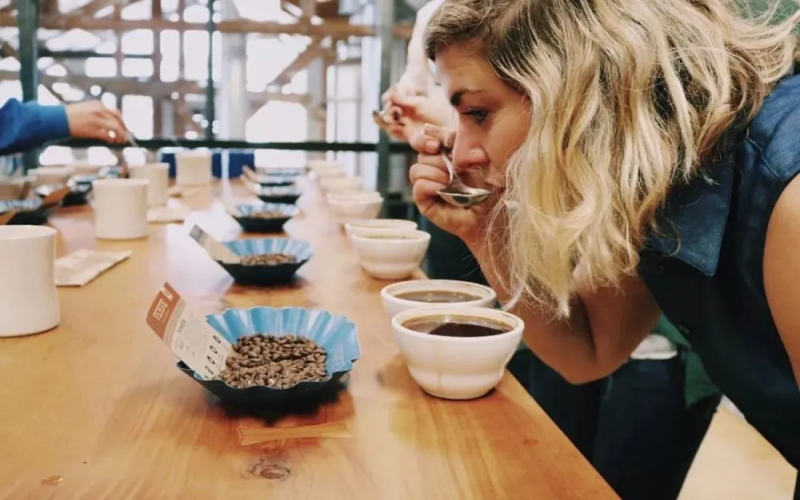
A Complete Guide to the SCAA Cupping Score System: From Eleven Metrics to Specialty Coffee Score Grading
Cupping began as a quality control method used in the trade to verify whether coffee beans met standards. After the rise of the specialty coffee movement, it gradually evolved into a scoring system for evaluating coffee. Anything below 80 points is classified as commercial grade, while reaching 80 or above crosses the threshold into specialty coffee—the higher the score, the more outstanding the quality. At present, the two globally recognized authoritative scoring systems come from the SCAA and the COE. This article focuses on the SCAA cupping scoring system, breaking down one by one its eleven scoring dimensions, the required number of sample cups, the division of score ranges, and how defect deductions are calculated, to help readers fully understand how a cup of coffee is quantified into a score. [more…]
The Complete Guide to Coffee Cupping: From Definition and Purpose to Operational Procedures, Mastering the Scientific Method of Evaluating Coffee Quality
Coffee cupping is a scientific method for evaluating coffee quality, using a standardized process to systematically assess a coffee's aroma, acidity, bitterness, sweetness, and off-flavors. Cupping not only helps consumers choose coffee that suits their taste, but can also be used to compare the merits of coffee beans roasted in different ways or from different origins. This article will provide a complete introduction to the definition, purpose, required equipment, and detailed operating steps of cupping, while also explaining the classification of green coffee beans and roasted beans. In addition, the article also recommends related products from Front Street Coffee, offering a practical reference for coffee enthusiasts. Whether you are a coffee enthusiast who has just gotten started or a professional hoping to refine your tasting skills, this cupping guide will provide you with a clear operational framework. [more…]