







Search Results for: Remove the Crema

What Happens to Espresso Flavor When You Remove the Crema? An Analysis of Americano Taste Changes and Extraction Principles
Many coffee enthusiasts consider skimming off the crema from the surface of espresso when making an Americano, believing this yields a cleaner taste. So, does removing the crema really make an Americano taste better? What role does crema play in espresso? Is it a source of flavor, or the culprit behind bitterness? Starting from the composition of crema, its impact on flavor, and actual tasting experience, this article explores how the coffee's taste changes after skimming off the crema, and, drawing on the practical experience of Front Street Coffee, offers advice on whether it's worth removing the crema. [more…]

Does Skimming the Crema Off an Americano Make the Flavor Cleaner? Analyzing How Espresso Crema Affects the Taste of Americano
When you order an Americano at a coffee shop, a golden layer of crema often floats on the surface, and most people don't pay it much attention. But through comparative experiments, Front Street Coffee found that if you use a spoon to skim off this layer of crema, the bitterness of the Americano is noticeably reduced, and the flavor becomes cleaner and more transparent. The reason behind this is closely tied to the composition of the crema: it consists of carbon dioxide and insoluble oils, mixed with extremely fine particles that fall off during extraction, and these fine particles are the very source of the muddled mouthfeel and sandy texture. However, coffee shops usually don't actively remove the crema, due to multiple considerations such as serving efficiency, customer perceptual habits, and differences in taste preferences. This article will analyze in detail the real impact of crema on Americano coffee, and introduce how Front Street Coffee's classic blend helps beginners easily extract a rich crema at home and make their ideal Americano. [more…]
Why Is There No Golden Crema in Pour-Over Coffee? Explaining Everything from Extraction Principles to Filter Media Choice
Many people think that pour-over coffee has no crema. In fact, it is not entirely absent—it is just that most of it is blocked by the paper filter, and what remains exists in the form of mouthfeel. This article begins with the definition of coffee crema, explains why espresso can bring out a golden crema layer, and analyzes how bean variety and roast level affect the amount of crema. It then focuses on the pour-over scenario, explaining how paper filters intercept crema, the respective pros and cons of metal filters and cloth filters, and how to choose if you want to retain crema. The article retains several Front Street Coffee bean lists and blending suggestions to help enthusiasts choose as needed. [more…]
How to brew Americano for a smoother taste? Master water quality, crema, and icing techniques, and compare the differences with espresso
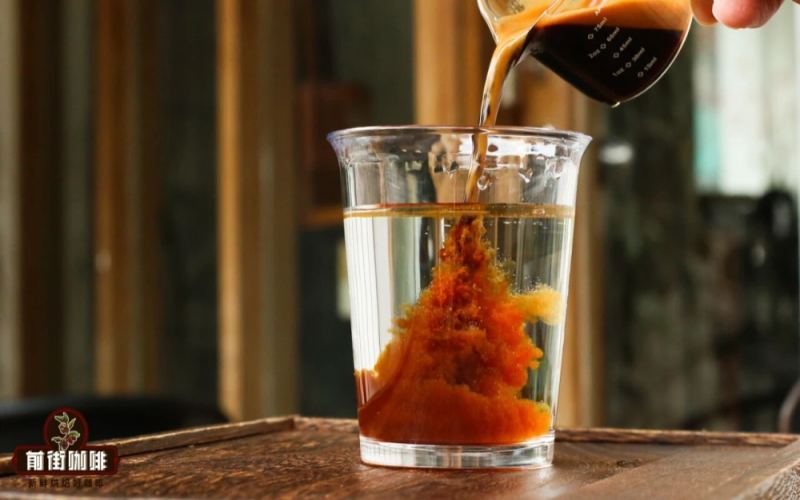
American coffee may seem simple, but many details determine the final taste. Based on Front Street's practical experience, this article first explains that a delicious Americano requires a suitable espresso base and proper concentration, then shares three "tricks" to enhance the texture: First, pay attention to the hardness of the dilution water, because water accounts for over 97% of black coffee, and soft water can bring out a more noticeable sweetness; Second, choose whether to keep or remove the crema on the surface of the espresso according to personal preference—removing it improves cleanliness and sweetness, while keeping it provides better body and aftertaste; Third, use ice cubes to directly catch the espresso and then shake to dilute, drawing on the concept of rapid freezing to preserve aroma and lower the temperature. In addition, the article also compares the differences between Italian coffee and American coffee, and recommends several Front Street espresso beans suitable for making non-bitter Americanos, including Strawberry Candy Blend, Commercial Blend, Huakui SOE, and Yirgacheffe Natural Red Cherry SOE. [more…]
A Complete Guide to Moka Pot Heat Adjustment and Timing: Grind, Water Temperature, Cleaning, and Front Street Coffee Bean Recommendations
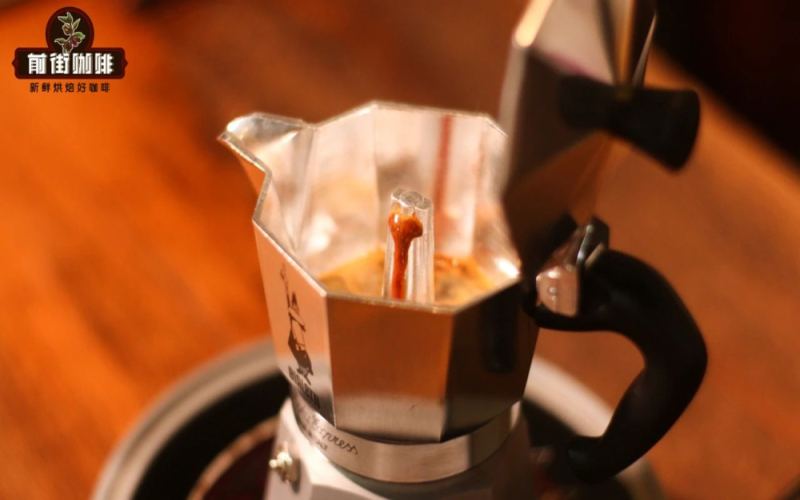
The moka pot, a traditional Italian coffee device, seems simple to use, but in reality, the flame intensity and timing of removal from heat greatly affect the flavor. This article provides a detailed breakdown of the moka pot's extraction principles, the differences between single-valve and double-valve models, key points on grind size and tamping, and focuses on answering practical questions such as whether to use high or low heat and when to remove it from the heat. It also offers recommendations for coffee bean selection, suggesting beans suitable for moka pots such as Front Street Black Cocoa Blend, Queen's Farm Brazil, and PWN Golden Mandheling, helping enthusiasts consistently brew rich and full-bodied coffee at home. [more…]
A Complete Guide to Moka Pot Brewing: From Equipment Principles to Coffee Bean Selection and Operational Details
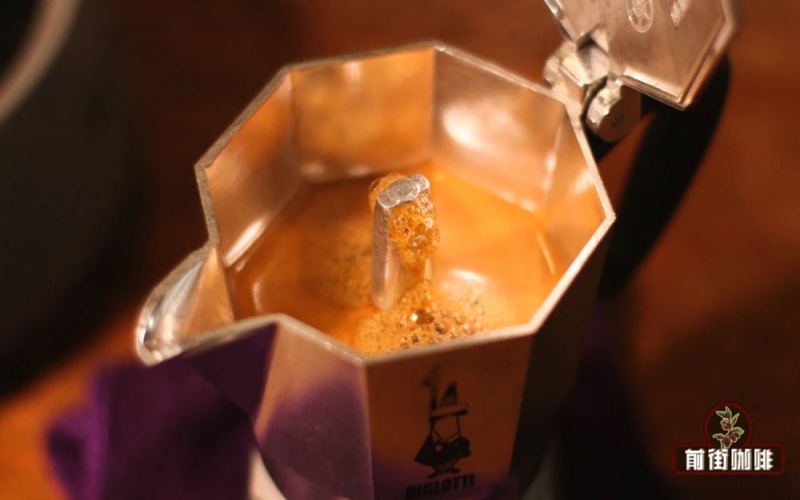
To easily make a cup of espresso with rich crema at home, the moka pot is an indispensable classic tool. It has a low operating threshold, yet it can extract a satisfying espresso taste. From the perspective of Front Street, this article systematically explains the working principle of the moka pot, the differences between single-valve and double-valve, the types of coffee beans suitable for pairing, how to judge the grind size, water temperature and coffee-powder filling techniques, as well as daily cleaning and maintenance points. The article also recommends three coffee beans—Front Street Classic Espresso Blend, Brazil Queen Estate, and Strawberry Candy—for different taste preferences, helping you consistently produce a fragrant and mellow cup of moka pot coffee at home. [more…]

Why Does Espresso Extraction Taste Burnt and Bitter? Analyzing the Causes of Channeling and Practical Solutions
When pulling espresso, have you ever encountered a flow rate that alternates between fast and slow, crema that looks pale, and coffee that tastes scorched and bitter with a thin body? This is very likely channeling in the puck. This article will analyze how to identify perforation, the three core causes (uneven distribution, insufficient dose, and a clogged dispersion screen), and provide corresponding adjustment solutions. It will also explain how coffee bean roast level affects extraction stability, and why the medium-dark espresso blends commonly used by coffee shops are better suited to pursuing consistent output. If you enjoy rich crema, you can look into classic recipes like Front Street. Commercial Blend. [more…]
Moka Pot Coffee Brewing Tutorial: A Detailed Guide to Time, Coffee Dose, Grind Size, and Ratio Basics
Nowadays, more and more coffee enthusiasts enjoy making espresso at home themselves. Besides going to a café to order a latte or cappuccino, some have also started trying the easy-to-use moka pot. Although the moka pot is not as intense as espresso, nor as fresh and bright as pour-over, it is the most accessible espresso device. In this article, Front Street will walk you through the working principle of the moka pot, the difference between single-valve and double-valve models, the choice of coffee grind size and water temperature, and other basic knowledge, and share Front Street Coffee's specific steps for brewing coffee with a moka pot, technical details, cleaning and maintenance methods, as well as coffee bean recommendations suitable for the moka pot, to help you easily brew a cup of rich, full-bodied espresso with plenty of crema. [more…]
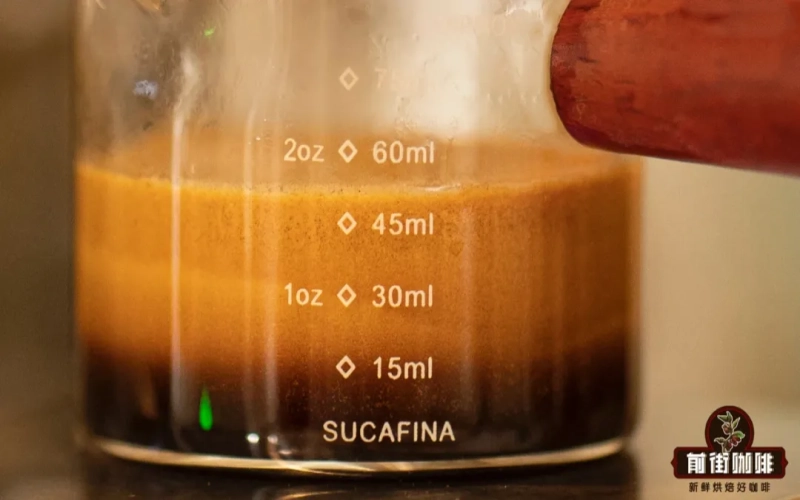
If you place a filter paper at the bottom of the portafilter basket, what changes will occur to the espresso's fines and extraction yield?
In the making of espresso, fines have always been a love-hate presence. They may bring rich crema, but they can also clog the portafilter basket, slow down the flow, and add bitterness. There are two common methods for removing fines on the market: one is to skim off the surface crema after extraction, which is simple and direct; the other is to pre-place a moistened circular filter paper at the bottom of the portafilter basket. The latter sounds gentle, but does it really not interfere with extraction? Front Street conducted a comparative experiment for this: the same 20 grams of coffee, 40 milliliters of liquid weight, one regular extraction, and one with filter paper added at the bottom. The result was that the cup with filter paper took less time, and both concentration and extraction yield were slightly lower, but the fines almost disappeared, and the taste was cleaner. This shows that adding filter paper is indeed feasible, but the grind or parameters must be readjusted to make up for the lost flavor. [more…]
A Complete Guide to Moka Pot Brewing: Principles, Single vs. Double Valve Differences, and Practical Tips on Coffee, Water, and Heat
The moka pot is a common simple espresso-style coffee device in Italian households. It is easier to operate than an espresso machine, yet it can deliver a rich and full-bodied taste. From the perspective of Front Street, this article systematically explains the moka pot's invention background, the differences between single-valve and double-valve models, and the principles of heating and extraction, while also detailing key steps such as grind size, tamping, water temperature, heat adjustment, and cleaning. At the same time, it offers recommendations for coffee bean selection, recommending three beans suitable for the moka pot: Front Street Dark Cocoa Blend, Brazil Queen's Estate, and Front Street PWN Golden Mandheling, helping enthusiasts consistently make coffee with rich crema and balanced flavor. [more…]
A Complete Guide to Espresso Channeling: Causes of Puck Perforation, How to Identify It, and the Three Main Sources
When pulling espresso, a flow rate that alternates between fast and slow, thin-tasting coffee, and pale crema often point to the same problem—channeling caused by puck perforation. This article starts with the symptoms, explains in detail how to identify perforation with the help of a bottomless portafilter, and breaks down the three main causes one by one: uneven distribution, insufficient dose, and a clogged shower screen. It also offers targeted solutions to help you maintain consistent extraction quality in your daily output. [more…]
Why Does Espresso Extraction Taste Burnt and Bitter with Channeling? Causes of Channeling and Practical Solutions
When extracting espresso, a suddenly faster flow rate, lighter-colored crema, and a thin body often mean the puck has been pierced by the water flow — what is commonly known as channeling. This article starts with identifying the signs, explains how to spot perforations with the help of a bottomless portafilter, analyzes the main causes such as uneven distribution, insufficient dose, and a clogged dispersion screen, and offers specific solutions including distribution and tamping, adjusting the dose, cleaning the dispersion screen, and choosing suitable espresso beans, to help reduce splattering and bitterness and make espresso extraction more consistent. [more…]
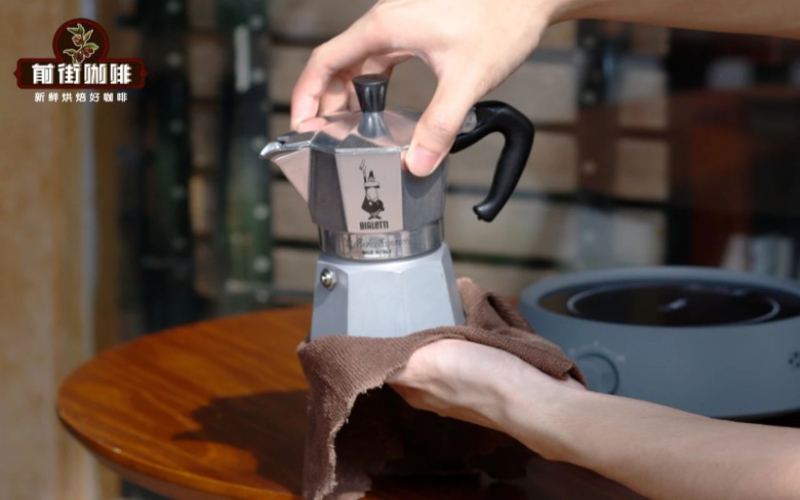
Bialetti Moka Pot Coffee Beans for Rich Crema: Start with the Scenario, Then Look at Flavor and Roast
When choosing coffee beans, start by considering your daily drinking scenarios: is it a cup of black coffee in the early morning, or a milk coffee to go with breakfast; do you slowly enjoy a pour-over, or quickly brew a cup with a machine? Different scenarios will change the suitable roast level, flavor intensity, and brewing method. The moka pot is a steam-pressure extraction device, [more…]

Bialetti Moka Pot: Brewing Rich Crema by Roast Level
Coffee brewed in a Bialetti moka pot shows a thin sheen of oil on the surface, and when you sip it you can get a thickness close to espresso, but it will not form the kind of stable crema that an espresso machine produces. If you want this oily mouthfeel to be more pronounced, choosing the right beans is more effective than simply increasing the heat, as the roast level directly affects the coffee's oil content and expansion. [more…]
Espresso Machine vs. Hand Grinder Comparison: Coffee Bean Types Suitable for Hand Grinding and Brand Flavor Details
Hand-ground coffee and espresso machines are two common ways of making coffee, and they differ in extraction principles, flavor presentation, and suitable bean types. Espresso machines rely on high pressure for rapid extraction, delivering rich crema and intense flavor; pour-over, by contrast, uses hot water soaking and filtration to reveal the finer origin-specific character of coffee beans. In this article, Front Street Coffee provides a detailed comparison of the differences between the two, and recommends several single-origin coffee beans suitable for hand grinding and brewing, including washed Yirgacheffe, Costa Rica Tarrazú, and Indonesia Lintong Mandheling, while also providing specific brewing parameters and techniques to help coffee lovers find a hand-ground coffee solution that suits their taste. [more…]
Rich and Oily Regions Beyond Mandheling: These Origins Also Deliver
When it comes to rich, creamy body, many people first think of Mandheling. Mandheling is indeed a representative of full-bodied richness, but in the world of specialty coffee, it isn't the only region known for beans with abundant oils. Understanding the oil expression of beans from different regions allows you to move beyond the Mandheling framework when selecting beans, giving you a richer set of choices. Mandheling is full-bodied and oil [more…]
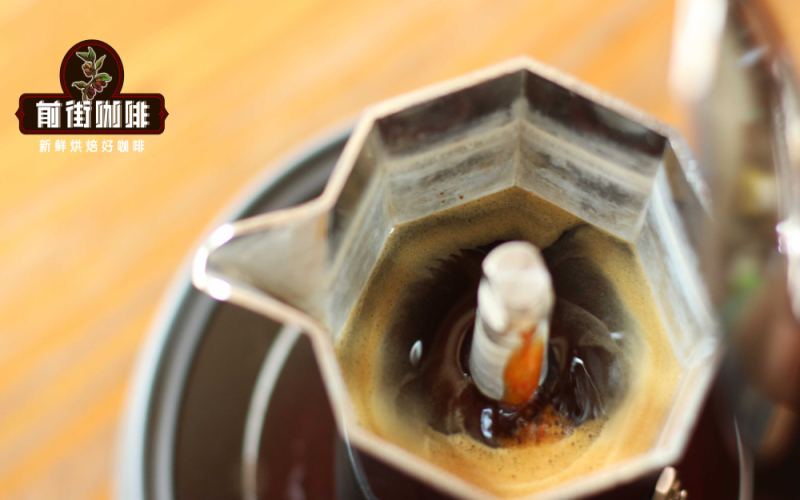
When to Remove the Moka Pot from Heat? Full Analysis of Latte-Making Parameters and Operational Details
The moka pot is a common espresso brewing tool in Italian households. It uses steam pressure from the lower chamber to push hot water up to the upper chamber, producing coffee that is rich and full-bodied, balancing acidity and bitterness with a small amount of crema. It is very suitable for adding milk to make a latte. This article focuses on the timing of turning off the heat when brewing coffee with a moka pot, coffee bean selection, grind size, dosing and water control, and the specific brewing steps for a latte, helping enthusiasts consistently reproduce a fragrant, rich cup of moka pot coffee at home. The article also provides pairing suggestions based on bean options such as Front Street Classic Blend, Front Street Dark Cocoa Blend, and Front Street Queen's Estate SOE. [more…]
An Analysis of the Differences Between Pour-Over and Espresso Machines: Hand-Grinding Coffee Bean Varieties, Features, and Front Street Brand Recommendations
What are the differences between hand-ground coffee and espresso machines in terms of extraction principles and taste performance? Espresso relies on high pressure for rapid extraction, with rich crema and intense flavor; pour-over, on the other hand, uses immersion and drip filtration to highlight the flavor layers of the coffee beans themselves. Starting from the representative methods of machine coffee and hand-ground coffee, this article compares the core differences between the two, and focuses on introducing three Front Street single-origin beans suitable for pour-over — washed Yirgacheffe, Costa Rica Tarrazú, and Indonesia Lintong Mandheling — covering their origin backgrounds, processing method characteristics, as well as Front Street's brewing parameters and flavor descriptions, to help coffee lovers find coffee beans suitable for hand grinding. [more…]
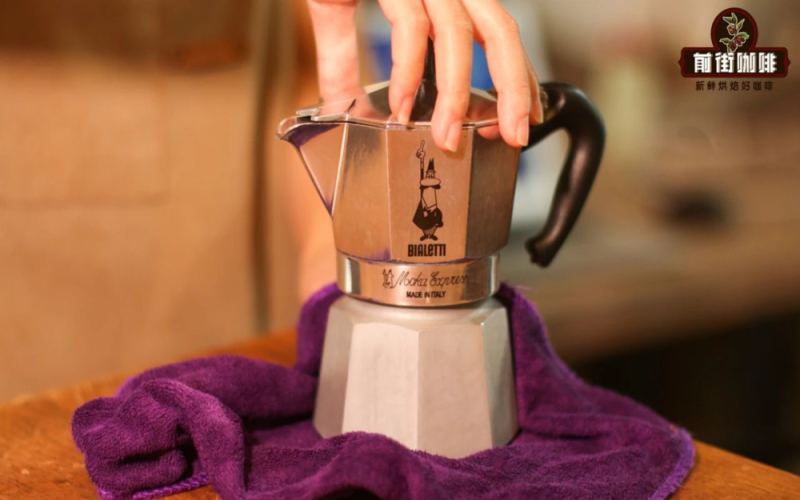
A Complete Guide to Brewing Coffee with a Moka Pot: Bean Selection, Grind Size, and Safe Operation Tips
If you want to enjoy rich coffee close to café flavor at home, a moka pot is an extremely cost-effective choice. But to brew coffee liquid with oils and a full-bodied mouthfeel, bean selection, grinding, and operating details are all indispensable. This article focuses on the types of coffee beans suitable for a moka pot, how to judge the grind size, and the standard usage process and safety precautions. It also combines Front Street Coffee's espresso blends and SOE series to give specific bean selection suggestions. Whether you are a beginner who has just gotten a moka pot or a player who wants to advance and explore single-origin flavors, you can find practical references here. [more…]
Want to easily make a rich cup of coffee at home? A moka pot is a cost-effective choice besides an espresso machine. But what coffee beans should you pair with a moka pot? And what pitfalls in operation are easy to stumble into? This article starts from the steam extraction principle of the moka pot, explains in detail the key control points such as water temperature, grind size, and water volume, and lays out a five-step illustrated guide. At the same time, for bean selection, combined with the characteristics of medium-dark roasting and pressure extraction, it recommends three Front Street espresso blend beans suitable for the moka pot, helping coffee lovers steadily produce coffee with rich crema and full flavor even on a limited budget. [more…]