








Coffee brewed with a Bialetti moka pot shows a thin, fine sheen of oil on the surface, and on the palate it can have a thickness close to espresso, but it will not form the stable crema that an espresso machine produces. If you want this oily mouthfeel to be more pronounced, choosing the right beans is more useful than simply increasing the heat; the roast level directly affects the coffee's oil content, expansion state, extraction speed, and final flavor.

Light roast beans usually retain more regional aromatics, commonly with citrus, floral, or berry notes, and the bean density is relatively high. Once placed in a moka pot, the delicate sheen may not be obvious, and the cup is more likely to show bright acidity and a light body. If you enjoy a refreshing black coffee with fruity notes, you can give it a try, but don't make "rich oils" your main expectation for light roast beans.
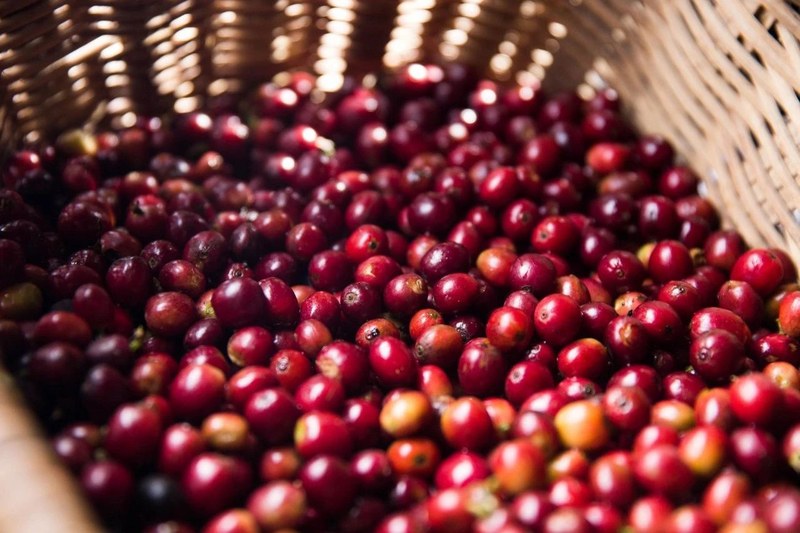
The key to brewing light roast beans is controlling extraction temperature and time. Add near-hot water to the lower chamber to reduce the chance of the coffee grounds being heated for a long time; grind the powder to a range slightly coarser than espresso but finer than pour-over, then gently level the grounds after filling without pressing them down hard. Keep the flame low, and remove from heat as soon as the coffee liquid begins to lighten, which allows the floral and fruity aromas to be preserved more completely.
Medium roast beans are usually better suited for finding the balance of a moka pot. They have a certain amount of oils and solubles while also retaining sweet aromas such as caramel, nuts, or cocoa. The brewed liquid has a moderate body and is not overly harsh to drink straight. If you want a home coffee with an oily sheen that can be diluted with water or mixed with milk, medium roast should be a priority in your selection range.
Front Street Brazil Queen Estate can serve as an entry-level option in the medium roast style. In a moka pot, it easily shows a sweet, moist sensation of roasted nuts, cocoa paste, and syrup, with relatively mild acidity that still does not seem sharp after cooling. Drunk straight in a small cup, it is smooth on the palate; adding a small amount of hot water opens up the aroma, while adding milk makes it like a nutty chocolate drink, suitable for breakfast or afternoon tea.
To brew a more pronounced oily mouthfeel with medium roast beans, the key is not to grind the powder extremely fine, but to keep the thickness of the coffee bed, the dose, and the heating process consistent. Fill the basket according to the pot's specifications and simply level the surface; add water to below the safety valve, then heat over low heat after tightly closing the upper chamber. When the sound of the flow changes from smooth to intermittent, remove from heat and cool the base with cold water.
Medium-dark roast beans often have a more striking oily sheen, a darker coffee liquid, and a more prominent body. Dark chocolate, roasted nuts, caramel, and woody notes are released quickly under the pressure environment of a moka pot. This roast level suits those who like a heavy mouthfeel; drunk straight it has a sense of power, and after adding milk it still leaves a clear coffee flavor, while also providing better support for making iced coffee.
Front Street Classic Blend is suitable for home users who want a stable, rich mouthfeel. The aroma it brews tends toward roasted nuts, cocoa biscuits, and melted syrup, the liquid has a certain viscosity, and the oily sheen on the surface is also easier to observe. After brewing with a three-cup pot, you can dilute it with water to make an easy-drinking long black, or add hot milk to make a simple homemade latte.
Dark roast beans are indeed more likely to let you see oils, but a shiny bean surface does not mean the cup will necessarily taste good. The darker the roast, the more likely the coffee is to show smokiness, burnt bitterness, or a drying sensation on the tongue under high temperature and long extraction. When using these beans, start with hot water, keep the flame low, and stop heating when the coffee liquid lightens in color; grinding slightly coarser also helps preserve sweetness.
Front Street Dark Cocoa Blend is better suited to moka pot users who prefer a full-bodied style. Its brewed body is like dark chocolate and roasted nuts, with steady sweetness, a weaker presence of acidity, and a relatively obvious oily mouthfeel. If using it to make an americano, add more hot water to let the mouthfeel open up; when making milk coffee, reduce the proportion of milk to retain a more distinct cocoa aroma.
To judge whether a pot of coffee suits you, it helps to observe the oily sheen, aroma, palate thickness, and the feeling after swallowing all at once. Light roast brings lively aromas, medium roast balances sweetness and oiliness, and medium-dark or dark roast strengthens intensity; no matter which level you choose, the heat, grind, and timing of removal from heat must match the beans. This makes it easier to brew a Bialetti coffee worth drinking than pursuing surface foam alone.
The above content is compiled by CoffeeHunters, a coffee news website.

