







Can You Fix a Bitter Americano With Water, Crema and Ice
A bitter americano usually comes down to the espresso base and the dilution. Starting with a properly extracted shot and controlling concentration are the two conditions that bring the drink closer to personal taste. Water makes up over 97% of black coffee, so softer water tends to bring out more pronounced sweetness in the final cup.
Three adjustments help: match the dilution water's hardness to the coffee, decide whether to keep or remove the crema based on preference, and pour the espresso directly onto ice before shaking and diluting to preserve aroma. Whether an iced americano tastes bitter depends on these choices plus the beans; medium-roast espresso blends and SOE options such as Huale and Yirgacheffe Natural Red Cherry are often used.
Americano may seem simple, but many details determine the final taste. Drawing on Front Street Coffee's practical experience, this article first explains that a delicious Americano requires a suitable espresso base and an appropriate concentration, then shares three "tricks" to enhance the texture: first, pay attention to the hardness of the dilution water, because water makes up over 97% of black coffee, and soft water brings out a more pronounced sweetness; second, decide whether to keep or remove the crema on the surface of the espresso based on personal preference—removing it improves cleanliness and sweetness, while keeping it enhances body and aftertaste; third, catch the espresso directly on ice cubes, then shake and dilute, borrowing the concept of rapid chilling to preserve aroma and lower the temperature. In addition, the article compares the differences between espresso and Americano, and recommends several Front Street Coffee espresso beans suitable for making a non-bitter Americano, including Strawberry Candy Blend, Commercial Blend, Huale SOE, and Yirgacheffe Natural Red Cherry SOE.
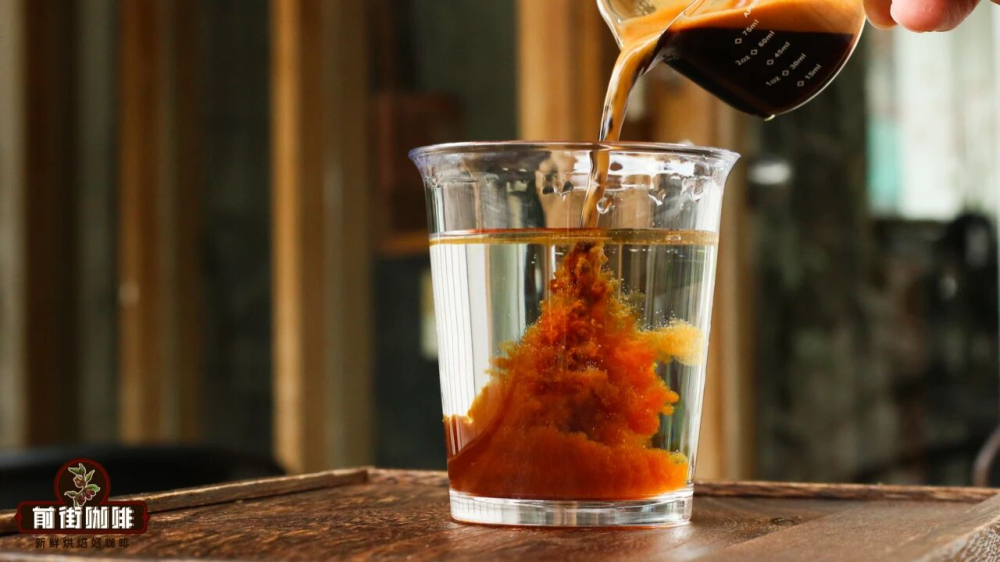
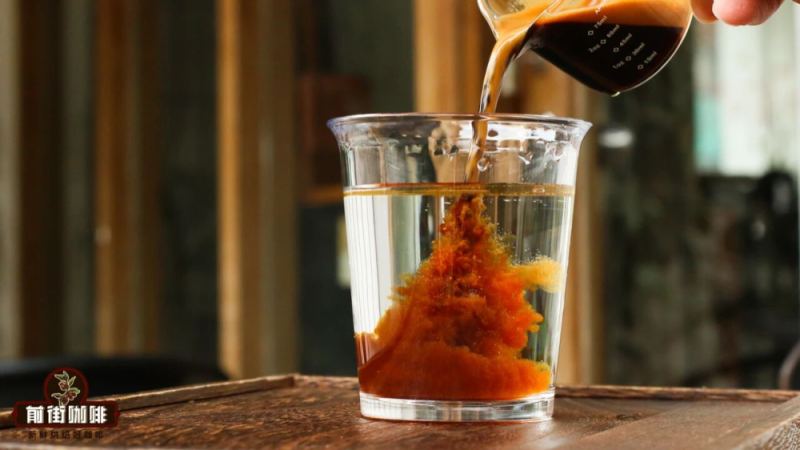
Front Street Coffee once discussed with everyone: to get a satisfying Americano, you not only need to extract a proper espresso as the base, but also control the concentration within a suitable range. Only when both conditions are met can the Americano we make be closer to our personal taste preferences.
Once we have mastered the conventional method of making an Americano, we might as well try some popular online "tricks" for making Americano taste better. Although these methods differ somewhat from the standard Americano process, they can indeed improve the drinking experience of Americano in certain aspects. Now let Front Street Coffee introduce what these popular "tricks" specifically are.
A delicious Americano is founded on high-quality coffee beans. If you want to make an Americano with sweetness and no noticeable bitterness, you should choose medium-roast espresso beans. Here we recommend Front Street Coffee Strawberry Candy Espresso Blend, which consists of Colombian beans combined with Costa Rican and Ethiopian beans, maximizing the aromas of strawberry, grape, almond, and cream. It has a medium crema performance, and when used to make an Americano, it gives off a soft and fragrant floral note, with a refreshing entry and very weak bitterness.
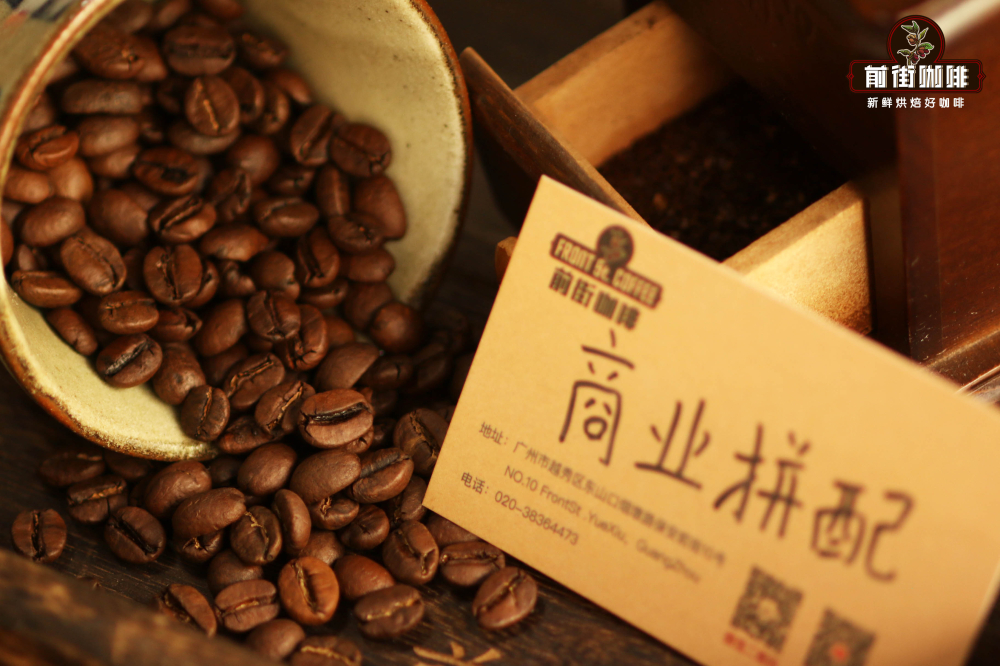
If you plan to open a coffee shop, then choose Front Street Coffee Commercial Blend Espresso Beans. This blend combines Colombian, Brazilian, and a small amount of Robusta beans, with a medium-dark roast, aiming to let people easily replicate a café-level taste. It has a rich and delicate crema, with flavors of caramel sweetness, nutty and cocoa notes, and dark chocolate tones. The acidity and sweetness are relatively balanced, with a slight sweet aftertaste and a long finish.

Many friends prefer a refreshing and non-bitter Americano, so you can try medium-roast espresso beans. Baristas highly recommend Front Street Coffee Huale SOE with strawberry and guava flavors, and Front Street Coffee Yirgacheffe Natural Red Cherry SOE with citrus and lemon acidity. Both single-origin coffees have low bitterness and a gentle character, making them very friendly for those new to coffee.
1. Water for Americano
When extracting coffee, water quality is a factor we care about very much. Because water participates in the extraction process from beginning to end, and the hardness of water affects the dissolution of flavor substances. Therefore, to extract an ideal cup of coffee, we specifically seek out and use softer water.

However, this attention to water quality is based on the premise that water participates in the entire extraction process. So some friends may ask: for Americano, water mainly serves to dilute the coffee concentration and is not responsible for extraction—in that case, is it still necessary to care about the hardness of the water?
The answer is: it is still worth paying attention to. Although the espresso itself already determines the flavor foundation of the Americano, the water added afterward for dilution can also change the overall texture of an Americano.
Friends who have tasted both soft water and hard water should have some sense: compared to soft water, hard water has a diminished mouthfeel, and its sweetness is not as prominent. Since water accounts for over 97% of a cup of black coffee, this directly shows how crucial water quality is to coffee. The same principle applies to Americano, so we can also pay a little attention to the water quality used.
2. The choice of crema
Many friends actually already know this secret: whether to keep the crema on the surface of the espresso. Although this golden Crema is often called "the soul of espresso," it is not absolutely necessary to keep it for an Americano.
This is because Crema is not only composed of carbon dioxide and the lipids of coffee beans; due to the limited filtering ability of the portafilter basket, it also carries quite a few coffee fines. The presence of fines has both pros and cons: the advantage is that it gives the coffee higher body, making it taste fuller; the disadvantage is that the fines themselves are somewhat bitter and are insoluble substances, so once mixed into the coffee, cleanliness and sweetness are somewhat reduced.
When we remove the crema from the espresso before making an Americano, we find that this Americano is cleaner than before and has improved sweetness. So when making an Americano, we can decide whether to keep the crema based on our own preference.
If you prefer an Americano with high cleanliness and strong sweetness, then before pouring water into the espresso, use a spoon or filter paper to skim off the crema; if you value body and a long aftertaste more, then just continue with the conventional method. There is no distinction of better or worse between the two; the final choice mainly depends on personal taste.
3. Catching espresso on ice cubes
Pouring espresso first and then adding water is the standard Americano method, which allows the coffee and water to blend more fully and makes the concentration of the whole Americano more uniform. But since Paragon's "rapid chilling" concept became widely known (rapidly cooling extracted coffee can preserve 40% more aroma), iced Americano has gained a brand-new method: first catch the espresso in a cup containing ice cubes, then shake, and finally add water to dilute.
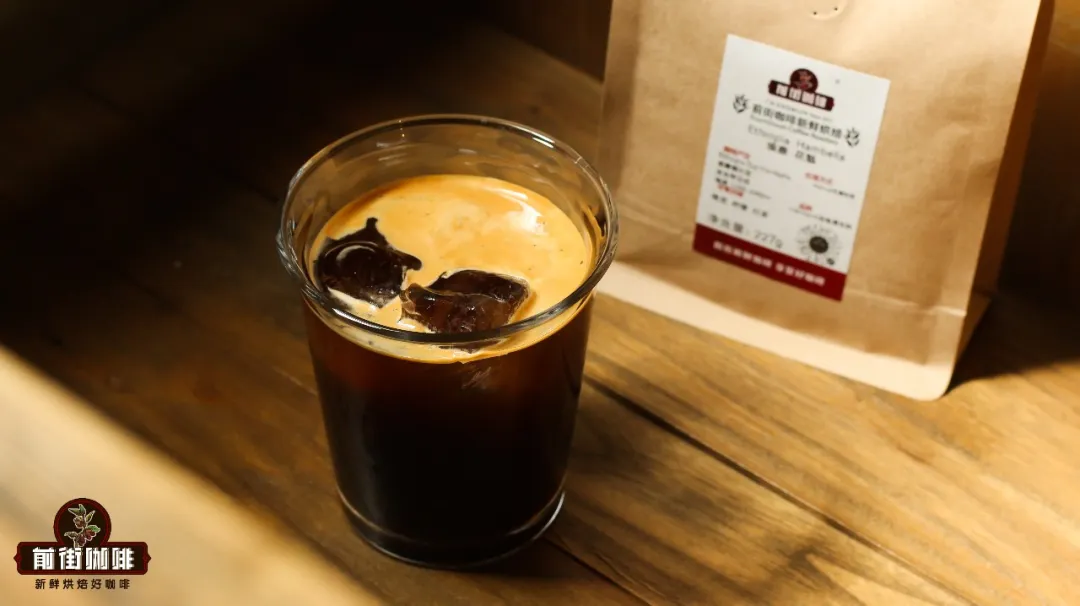
Similar to the "rapid chilling" principle, the espresso falls onto the ice cubes and immediately cools down, and then shaking further lowers the temperature. It is said that this can lock in a large amount of aromatic substances, giving the Americano a richer layered expression.
Front Street Coffee specifically compared the iced Americano made this way with the conventional method (conventional iced Americano is pouring the extracted espresso over ice cubes, then adding water and stirring). How did the result turn out... There is indeed a certain difference, but the aroma performance is secondary; the main difference lies in the temperature of the two.
The Americano made by catching espresso on ice cubes has a lower temperature, because the espresso directly contacts the ice cubes and the temperature is instantly pulled down; while the conventional Americano, because ice and water are added later, cools more slowly, so its mouthfeel is slightly inferior. As for the aroma, it is because of the difference in mouthfeel that people feel the former is slightly better than the latter.
So, if you drink it immediately after extraction, this extraction method is worth a try. But it also increases the hassle. Whether to change your method for this slight difference depends on your personal choice.
- END -
The above content is compiled by CoffeeHunters, a coffee news website.


