







Search Results for: Refrigerator Storage
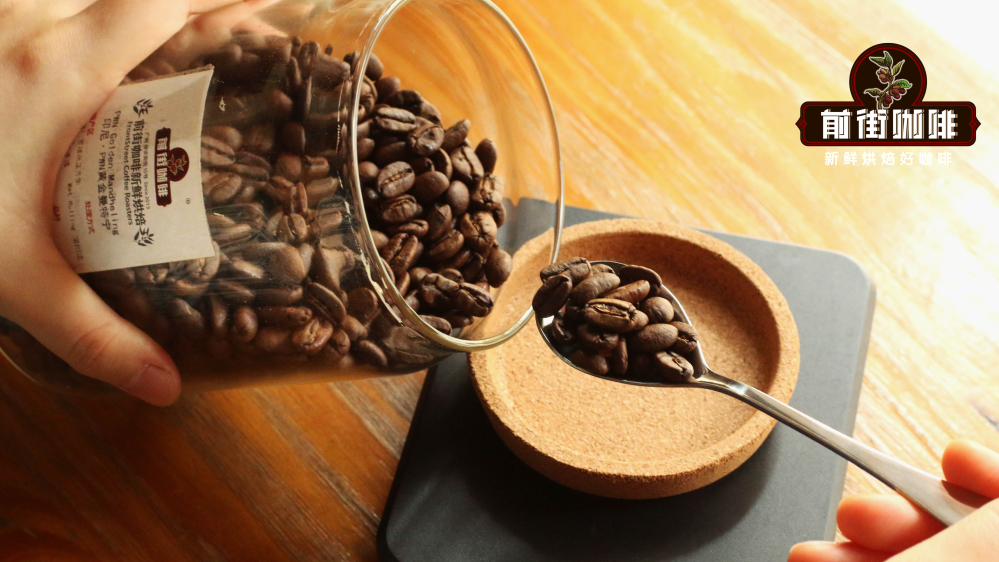
Specialty Coffee Bean Storage | How Long Can Hand-Brewed Single-Origin Beans Be Stored? Can Coffee Beans Be Stored in the Refrigerator? What Factors Affect Coffee Freshness?
Introduction: How long do coffee beans stay fresh? What is the best way to store coffee beans? Should coffee beans be kept in the refrigerator? The freshness of coffee beans directly affects the flavor of a cup of coffee, and proper storage is a key factor influencing their freshness. Front Street Coffee would like to emphasize that there are mainly two ways to store coffee beans. [more…]

Home Coffee Bean Storage Methods | Can Freshly Roasted Coffee Beans Be Frozen in the Refrigerator? Can Sealing the Degassing Valve Slow Down the Loss of Coffee Bean Flavor?
Recently, everyone has probably stocked up on beans during Double Eleven. The questions asked to Front Street are all things like "How long can the flavor of unopened coffee beans be preserved at most?" and "How can opened coffee beans be stored to slow down the rate of flavor loss?" Today, Front Street will talk about the issue of storing coffee beans. How long can the flavor of coffee beans be preserved? Can it be asked this [more…]
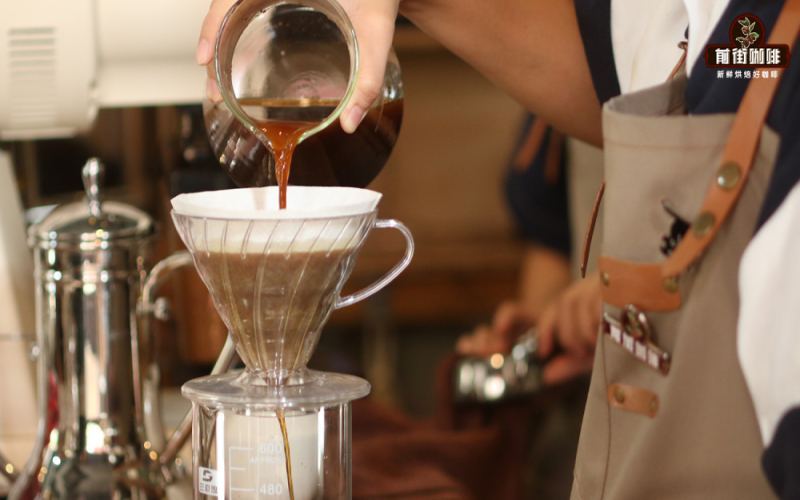
Is Cold Brew Coffee Suitable for Long-Term Storage? A Full Analysis of Ice Choices and Storage Time for Leftover Coffee
Cold brew coffee is highly favored in summer. It is usually made by steeping coffee in the refrigerator overnight using a coffee filter, and can be prepared by either pour-over or drip methods. It takes about 12 to 18 hours, yet the flavor is quite excellent. Many people believe that iced coffee is better than hot coffee, like a dessert in a glass. With ice cubes, coffee, flavored syrup, and dairy products combined, the result is amazing, and it can easily be made at home. When making it, you should choose high-quality coffee beans. Front Street Coffee's dark-roasted Brazil and Mandheling coffees are both good choices. The type of ice also matters. Crushed ice, medium ice cubes, and large ice cubes each have their own suitable uses. As for whether leftover cold brew can be stored in the refrigerator, the answer depends on the type of coffee and the storage method. Cold brew can be refrigerated for 2 to 3 days, while drip iced coffee is best kept for no more than 24 hours. [more…]

Practical Methods to Extend Coffee Bean Freshness: From Humidity-Proofing During the Mould-Return Season to the Right Approach for Fridge Storage
When the southern "hui nan tian" (return of the damp) arrives, everything at home feels wet, and coffee beans are no exception—they too risk absorbing moisture and growing mold. If you want your pour-over coffee beans to last longer without their flavor fading, the way you store them becomes especially critical. This article centers on how to store coffee beans so they keep longer, starting with the real frustrations of Lingnan's humid climate, analyzing the pros and cons of common practices such as airtight canisters and refrigerator chilling, and warning about the fatal impact of fridge odors on coffee beans. It also draws on the product characteristics of Front Street Coffee to offer storage suggestions better suited to daily life, helping coffee lovers extend their beans' peak flavor period as much as possible in a humid environment. [more…]
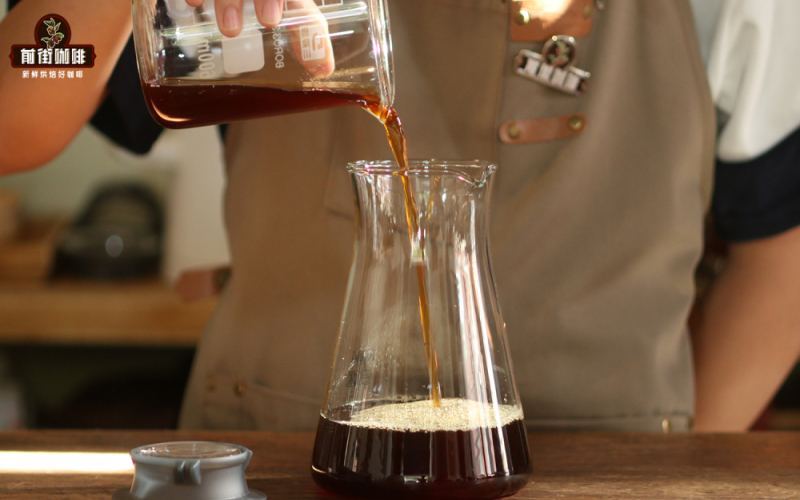
Analysis of Ice Drip and Cold Brew Coffee Storage Time in the Refrigerator: Why the Flavor Is Better After 12 Hours of Chilling
In recent years, more and more coffee enthusiasts have begun trying their hand at making cold brew and ice drip coffee at home, and the ice drip coffee produced by Front Street Coffee is often in short supply. Many friends are concerned about: how long can this kind of low-temperature extracted iced coffee be kept after being placed in the refrigerator? Why does ice drip coffee actually taste better after 12 hours of refrigeration? This article will focus on the principles of low-temperature extraction, equipment selection, coffee bean recommendations, and the flavor evolution during refrigeration, systematically answering the shelf life and optimal drinking time of iced coffee, helping you both enjoy great taste and ensure safety. [more…]
Should Coffee Beans Be Refrigerated or Frozen? Understanding the Science of Freezer Freshness and Proper Everyday Storage
How to properly store coffee beans after bringing them home is a topic many enthusiasts often discuss. Some people habitually put their beans in the fridge, while others worry that moisture will instead harm the quality. After noticing this question in the community chat, Front Street specifically sorted out the principles behind frozen storage and the conditions for its use. Freezing can indeed slow oxidation and lock in flavor, but improper handling can also lead to moisture and flavor transfer issues. This article will explain the purpose of freezing coffee beans, its effect on grinding, the hardware conditions that need to be met, and more practical ways to store coffee beans day to day, helping you keep your beans in good condition at home. [more…]
The Complete Guide to Coffee Bean Freshness: A Practical Guide from Causes of Staleness to Optimal Storage Methods
Many people buy coffee beans to brew at home, yet often overlook the impact of storage methods on flavor. Once coffee beans are opened, light, oxygen, moisture, and high temperatures all accelerate their aging, leading to loss of aroma and even off-flavors. This article will start with the four major external factors affecting coffee freshness, analyze their mechanisms of action one by one, and provide practical storage recommendations. At the same time, we will also answer common questions such as whether coffee can be put in the refrigerator and how long coffee beans can stay fresh, helping you enjoy a truly fresh cup of coffee within its optimal flavor period. Whether you are a beginner just starting out or an enthusiast with some experience, this basic knowledge about storage is worth understanding. [more…]
Complete Iced Drip Coffee Making Tutorial: Practical Points from Extraction Parameters to Refrigerated Storage
Cold brew coffee was originally invented to make coffee last longer. Extracting with cold water does not draw out large amounts of coffee oils the way hot water does, so if stored properly in the refrigerator, it can keep for a month without any problem. After three days of aging, the flavor becomes even mellower. However, cold water extraction takes a very long time—common methods can even require dripping for more than 24 hours—and the caffeine concentration is relatively high. In fact, when making it at home, using room-temperature water instead of ice water works just as well and can shorten the time. This article will explain in detail the complete cold brew process, including sterilizing equipment, choosing grind size, the coffee-to-water ratio, controlling drip speed, and how to prevent refrigerator odors from affecting the coffee's flavor, helping you make a rich and aromatic cup of cold brew coffee. [more…]
Three Major Taboos in Coffee Bean Storage and Analysis of Freezing Feasibility: Practical Tips from Moisture Prevention to Thawing
As the Spring Festival approaches, courier services are gradually suspending operations, and many coffee lovers have already stocked up on beans in advance. But how to keep coffee beans fresh during this period has become a concern for everyone. Storing coffee beans requires avoiding three major enemies: high temperatures, moisture, and oxidation. High temperatures accelerate the loss of aroma, moisture easily leads to mold, and oxidation shortens the optimal flavor period. Front Street recommends that unopened original packaging be kept in a cool, dry place, and that an airtight container be used after opening. As for refrigeration or freezing, although it can slow oxidation, it comes with the challenges of absorbing odors and becoming damp during thawing. This article will break down these storage points in detail to help you enjoy the New Year with peace of mind. [more…]
The Complete Guide to Coffee Bean Freshness: Analysis of the Four Major External Factors Affecting Flavor and the Best Storage Methods
Many coffee lovers are in the habit of buying coffee beans and brewing at home, but how to store them properly to slow down deterioration and preserve the alluring flavors of specialty coffee is a body of knowledge that is easily overlooked. This article, from Front Street's perspective, systematically examines how the four external factors—direct light, oxygen, moisture, and high temperature—affect coffee freshness, and offers corresponding protective strategies for each. We will also discuss the key points for choosing airtight containers, recommendations for storage locations, and common misconceptions about storing coffee in the refrigerator, and finally answer the key question of how long coffee beans and ground coffee each stay fresh, helping you enjoy a truly good cup within its optimal flavor window. [more…]
The Complete Guide to Coffee Bean Storage: Can Freezing in the Refrigerator Extend Freshness and Key Points for Moisture and Odor Prevention
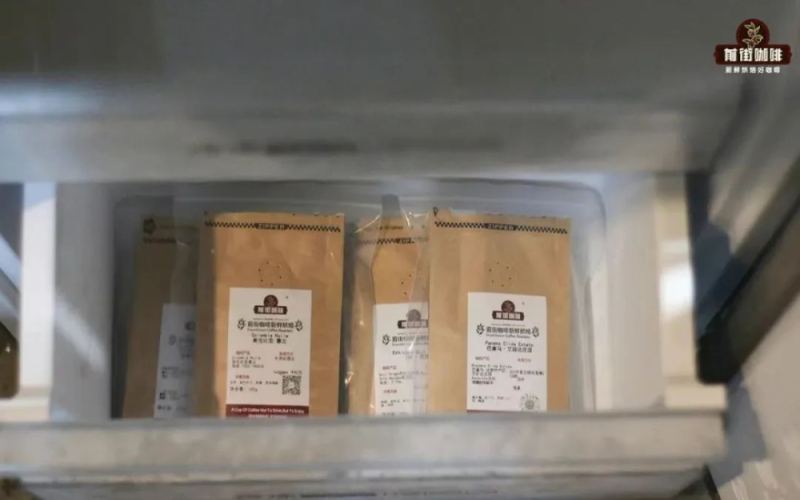
Bought too many coffee beans and can't finish them for a while—can you just toss them in the fridge? Should they go in the refrigerator or the freezer? This article centers on the real goal of "freshness"—preserving aroma—and breaks down the five great enemies: strong light, high heat, moisture, oxygen, and odors, while offering practical home freshness-locking solutions. It also draws on the experimental conclusions of Swiss scientist SAMO SMRKE to explain that freezing can significantly slow down coffee bean degassing and delay the peak flavor period, but improper handling can also lead to air leakage, moisture absorption, and odor transfer. At the end, Front Street's detailed freezing and thawing tips are included to help you store your beans more reliably and enjoy better-tasting coffee. [more…]

Making Purified Milk at Home: A Full Guide to Ice Beer Thawing Methods, Milk Extraction Ratios, and Storage Tips
In the world of milk coffee, espresso is certainly the soul, but the choice of milk is equally important. In recent years, Ice Blogger purified milk, with its rich, sweet, and fragrant taste, has moved from specialty coffee shops into home kitchens, becoming a staple ingredient for many coffee lovers. This article addresses common questions about homemade Ice Blogger: from its German origins and appearances at WBC competitions, to the specific steps of freeze purification; from the choice between 200ml small bottles and 1-liter packs, and the impact of a 40% to 60% milk extraction ratio on flavor, to the time differences and hygiene considerations between room temperature and refrigerated thawing; finally, it also compiles recommended storage periods for homemade Ice Blogger. Front Street Coffee, combined with comparative experiments, provides a complete guide for friends who want to replicate Ice Blogger milk coffee at home. [more…]
Should coffee beans be stored in the refrigerator? How long can they stay fresh after grinding? This article explains shelf life and flavor changes clearly.
Coffee enthusiasts often struggle with storage questions: should coffee beans be put in the refrigerator after purchase? And how long can they be stored once a merchant has ground them into powder? The impact of freshness on flavor is self-evident, but ground coffee has a dramatically increased surface area exposed to air, causing aromas to dissipate far faster than with whole beans. Drawing on Front Street Coffee's practical experience and comparative experiments, this article sorts out the optimal flavor window for coffee beans, the finer points of storage environments, and how ground coffee's flavor evolves over different storage days, helping you find a balance between convenience and quality. If you're also in the habit of stockpiling ground coffee all at once or grinding ahead of time, this piece is worth a read. [more…]
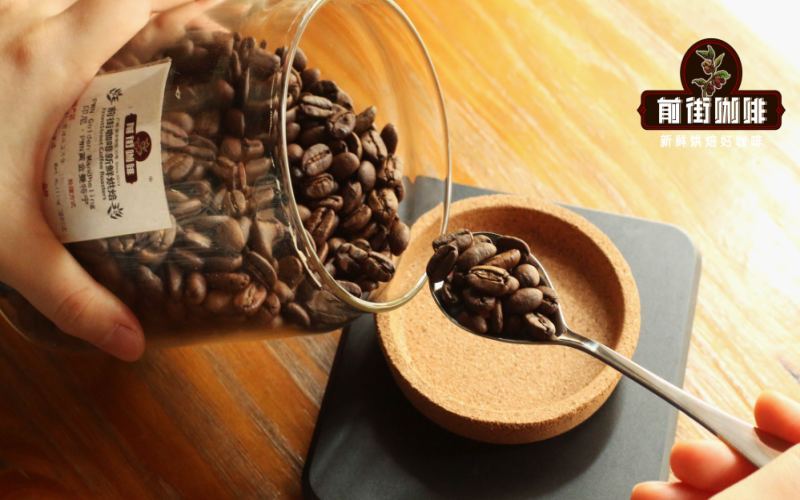
Analysis of Key Factors Affecting Coffee Bean Freshness and Practical Storage Methods
The freshness of coffee beans directly determines the flavor performance of a cup of coffee, and whether the storage method is appropriate is the core factor affecting freshness. In this article, Front Street Coffee systematically sorts out the differences between the two types of storage scenarios for green coffee beans and roasted beans, focusing on analyzing the mechanisms of the three major "killers" of coffee bean freshness: light sources, high temperature, humidity, and oxygen, and provides practical storage solutions such as one-way exhaust valve sealed bags and vacuum-sealed canisters. At the same time, the article also answers common questions such as the difference between the optimal drinking period and the shelf life of coffee beans, and whether they are suitable for refrigerator storage, helping coffee enthusiasts protect the flavor of every bag of beans in a more scientific way. [more…]
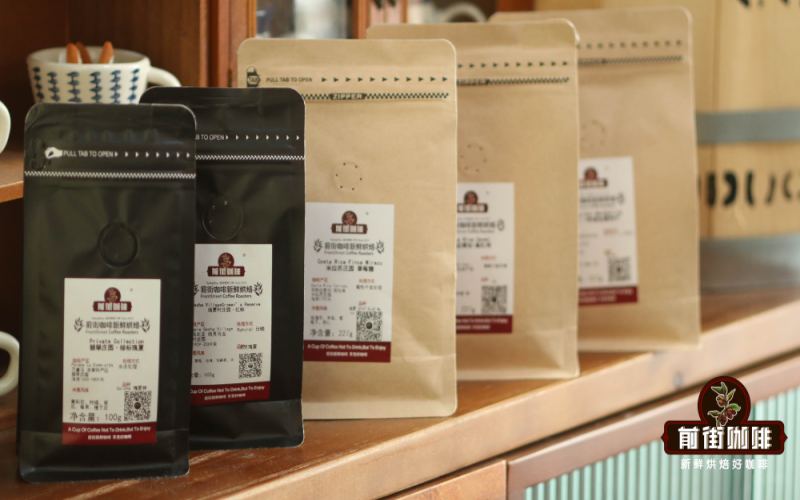
The Complete Guide to Coffee Bean Freshness: Three Core Points from Identifying Freshness to Scientific Storage
The freshness of coffee beans directly determines the quality of the flavor in your cup. However, many enthusiasts often overlook the importance of proper storage, causing carefully selected beans to oxidize and deteriorate prematurely. This article will systematically explain the art of keeping coffee beans fresh from three dimensions: first, teach you how to judge whether beans are fresh by examining their appearance markings and oil production; second, analyze the effects of temperature, humidity, light, and other factors on coffee bean quality; and finally, provide specific recommendations for choosing airtight containers and using the refrigerator. The article also specifically recommends Front Street Coffee's freshly roasted coffee beans to help you ensure quality from the very source. [more…]
Coffee Bean Freshness | How Do Coffee Beginners Choose Fresh Coffee Beans? How Long Can Coffee Beans Be Stored After Opening? Which Is Better: A Sealed Coffee Bean Storage Canister or Storing Coffee Beans in the Refrigerator?
Many friends assume that freshly ground coffee means fresh coffee, but that's not actually the case. In reality, to truly enjoy the aroma of coffee, it's not just about grinding fresh—the roast time of the coffee beans also matters to some extent. Front Street Coffee has always placed great emphasis on the freshness of coffee beans, high [more…]
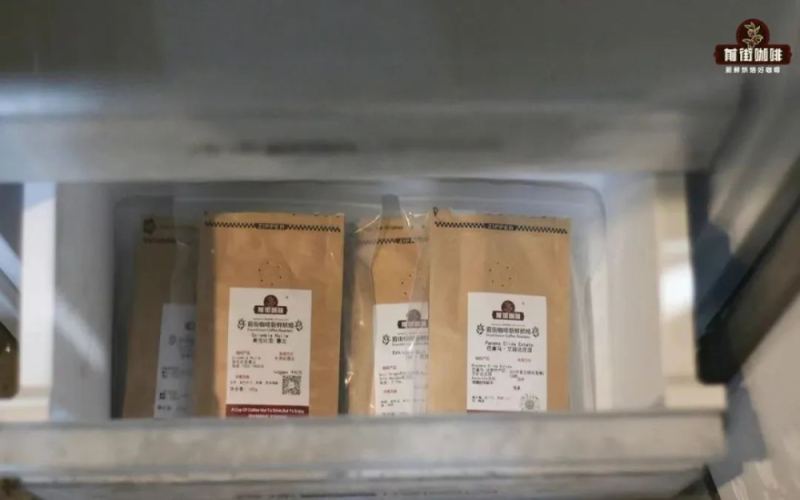
How to Balance Coffee Bean Shelf Life and Peak Flavor Window? A Full Guide to Proper Storage After Opening
Stockpiled a bunch of coffee beans but can't finish them? Should you refrigerate or freeze them? Which really matters more—the shelf life or the peak flavor window? Starting from a question a customer sent to Front Street, this article systematically sorts out the core logic of coffee bean preservation: first clarify what "freshness" actually is that we're after, then break down the strategies for dealing with the five great enemies—light, heat, moisture, oxygen, and odors—one by one, and finally provide practical steps and precautions for freezing, helping you find the freshness-locking solution that suits you best. [more…]
Jamaican Blue Mountain Coffee Pour-Over Tips: Immersion Brewing Parameters and Coffee Bean Storage Key Points
Jamaican Blue Mountain coffee is beloved by coffee enthusiasts for its balanced and mild flavor, but to fully unlock its layered complexity, both the brewing method and storage approach are crucial. This article focuses on the key extraction points for Blue Mountain coffee, with an emphasis on immersion brewing techniques—including the operational logic of methods such as the French press, drip brewing, and paper filter brewing—while also providing specific parameters such as grinding timing, water temperature, and coffee-to-water ratio. In addition, the article corrects the common misconception of storing coffee in the refrigerator, explaining why an airtight container with a one-way exhaust valve is the better choice. Whether you have just picked up a bag of Blue Mountain beans or want to further optimize your daily brewing, these practical tips are worth considering. [more…]
A Detailed Guide to Cold Brew Coffee Storage Methods, No-Fridge Brewing Tips, and Optimal Drinking Window
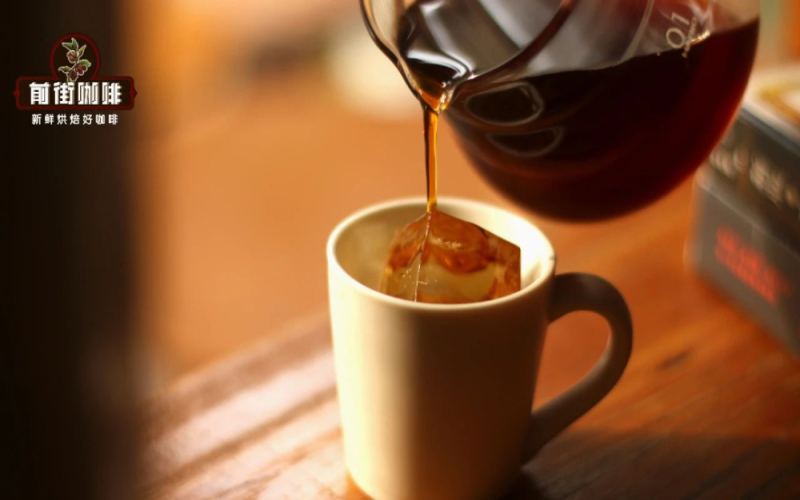
Cold brew coffee has become increasingly popular among coffee enthusiasts in recent years thanks to its rich, full-bodied character, low bitterness, and smooth mouthfeel. But many people still have questions about how to store it, how long it keeps, and what to do when there's no refrigerator available. This article will systematically answer how long cold brew coffee lasts, how to extend its flavor lifespan, and introduce practical methods for making cold brew without a refrigerator. At the same time, drawing on the flavor profiles of several beans—Front Street Coffee Yirgacheffe Red Cherry, Costa Rica Mozart, Colombia Pink Bourbon, and Panama Butterfly—it offers bean selection advice and detailed brewing parameters suited to cold brew, helping you easily make a cup of cold brew iced coffee with high distinctiveness and excellent sweetness. [more…]
Coffee Bean Storage | Can You Use the Freezer to Keep Coffee Beans Fresh? Do Frozen Coffee Beans Need to Be Thawed Before Brewing?
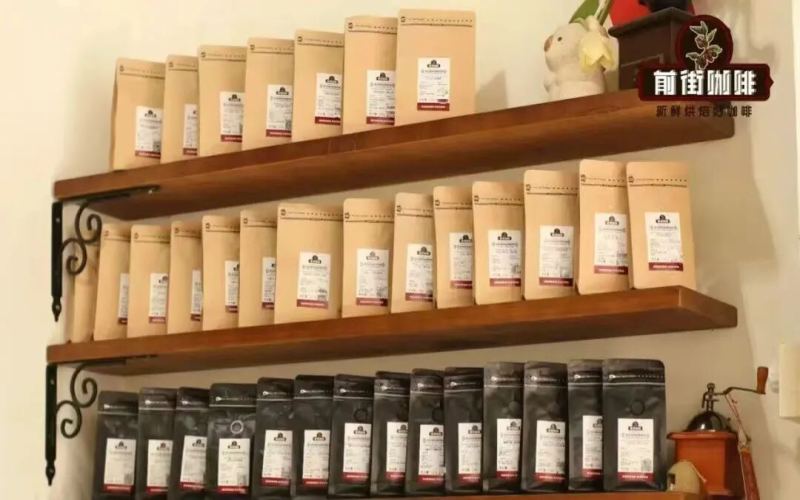
Freezing is a very popular method of "preserving" coffee beans in recent years. Simply seal the coffee beans and toss them into the freezer, and the flavor loss of the coffee will slow down, thus extending its shelf life. Many friends have adopted this method to stock up on coffee beans purchased during Front Street Coffee's discount events. [more…]