








What does a coffee store get right about bean storage?
Coffee beans stay fresh when kept away from four things: direct light, oxygen, moisture and heat. Store them in a dark place such as a cabinet, or use a dark-colored container. An airtight container with a rubber gasket keeps oxygen out, since oxidation starts the moment roasting ends and continues through the one-way degassing valve on most packaging.
A dry environment matters too, because humidity speeds deterioration and dulls the taste coffee drinkers expect. The practical routine is simple: buy only what will be used within the optimal flavor period, keep the container sealed and cool, and avoid repeated opening. Beginners and experienced brewers alike can follow these basics and notice the difference in the cup.
Many people buy coffee beans to brew at home, yet often overlook how storage affects flavor. Once coffee beans are opened, light, oxygen, moisture, and high heat all accelerate their aging, leading to loss of aroma and even off-flavors. This article starts with the four major external factors affecting coffee freshness, analyzes their mechanisms one by one, and offers practical storage advice. We will also answer common questions such as whether coffee can be put in the refrigerator and how long coffee beans stay fresh, helping you enjoy a truly fresh cup within the optimal flavor period. Whether you are a beginner or an experienced enthusiast, these storage basics are worth knowing.
Today, people no longer enjoy coffee only in cafés; more and more choose to buy coffee beans and brew slowly at home, savoring every sip. However, how exactly should coffee beans or ground coffee be stored after purchase to slow deterioration and preserve that fresh flavor? This is especially important after buying specialty coffee, which requires extra care in storage.
For those new to coffee, these storage basics may not be clear, and even some experienced enthusiasts may not fully grasp them. Front Street Coffee is here to have a serious chat: what is the best way to store coffee? Some practices do keep coffee tasty and fresh, while others do just the opposite. Ultimately, the key lies in the external conditions that affect coffee during storage.

How do external factors act on coffee beans?
To keep coffee at its best flavor, freshness is core. Four factors in the environment influence coffee freshness: direct light, oxygen, moisture, and heat. Below we analyze their effects one by one, along with countermeasures.
1. Direct light
Direct light—especially sunlight—accelerates the degradation of coffee beans, thereby lowering their quality. To avoid this, store coffee in a dark place such as a cabinet, or use a dark-colored container.
2. Oxygen
Contact with oxygen also causes coffee beans to deteriorate. In fact, the oxidation process begins the moment roasting is completed. Most packaging uses a special one-way degassing valve to address this, allowing carbon dioxide to escape while blocking oxygen from entering. For storage, an airtight container with a rubber gasket is the best choice to keep oxygen out.
3. Moisture (humidity)
Keeping coffee in a dry environment greatly helps maintain freshness. Moisture causes coffee beans to deteriorate rapidly, and ground coffee is even more severely affected by dampness. Once there is too much moisture, not only does the coffee spoil, but clumping also occurs.
4. High heat
Coffee is best stored in a cool place, because heat causes coffee beans to lose freshness. Coffee beans have already been roasted, so there is no need to heat them further before brewing.
Next, let's look at the best ways to store coffee and which practices to avoid.
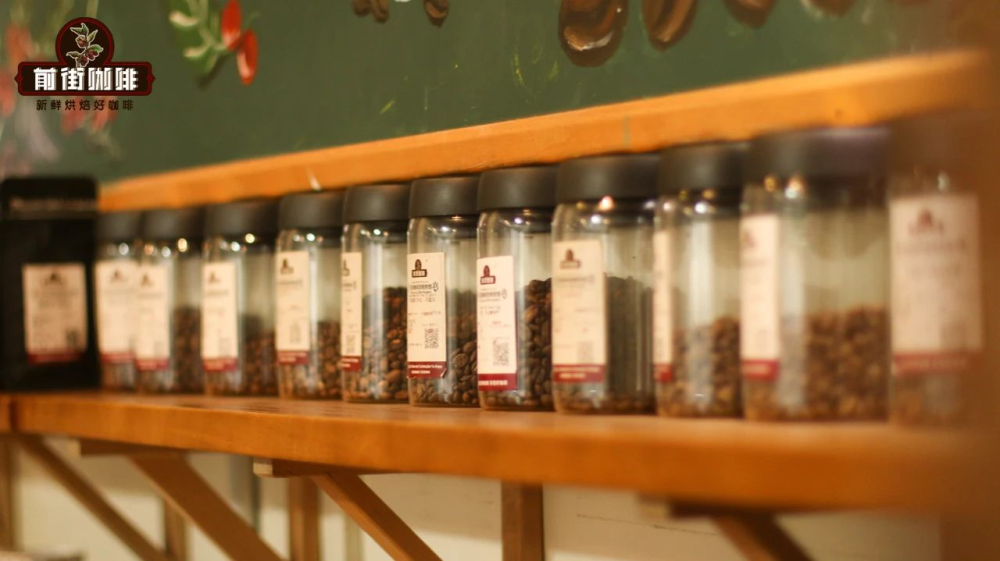
The best storage methods to maintain freshness
The ideal storage method is to keep the coffee in whole-bean form, place it in an airtight container, and store it in a cool, dry place. Generally speaking, whole beans maintain fresh flavor for a longer time, because ground coffee reacts with oxygen faster and loses flavor more quickly. Therefore, grinding coffee right before brewing is the best way to preserve flavor.
An airtight container can block oxygen from damaging coffee beans. The ideal airtight container has a rubber gasket on the rim and at one or more clasps. In contrast, containers with flip-top or screw-on lids may not provide sufficient oxygen barrier.
Where you store coffee is just as important as what container you choose. A dry, dark, low-temperature place is ideal. Try to put coffee in a cabinet or pantry rather than on the countertop to completely avoid light. If it must be on the countertop, use a dark-colored container.
Also remember: even if the coffee is already in a light-blocking container, heat can still affect it, so do not place coffee near the stove or oven.
How long can coffee be kept in the refrigerator?
Putting coffee in the refrigerator to keep it fresh is quite common. Unfortunately, the refrigerator does not make coffee fresher; instead, it accelerates deterioration. The idea of refrigerating for freshness likely stems from a miscommunication of the advice to "keep coffee away from heat sources."
The problem is that rapid temperature changes cause condensation on the surface of coffee beans, leading to moisture accumulating on the outside and inside of the beans. Moisture causes coffee beans to spoil within a few days. For these reasons, keeping coffee at room temperature or slightly below is best. In addition, coffee stored in the refrigerator absorbs odors from surrounding foods.
How long before coffee beans go bad?
Now that you know how to store coffee, how long can coffee stay fresh when stored optimally? Unfortunately, enjoying a cup at peak freshness is not easy. Coffee begins to decline in freshness the moment roasting is completed. The freshest coffee is within the days right after roasting. Pay attention to the roast date on the coffee bag; with proper storage, unground coffee beans typically stay good for about 40–60 days; once ground, even if sealed, aroma compounds dissipate rapidly within one to two weeks, so be sure to finish it as soon as possible.
Have you remembered all these coffee storage tips above? You are welcome to visit FrontStreet Coffee to taste coffee and join the discussion.
The above content is compiled by CoffeeHunters, a coffee news website.


