







Search Results for: Refrigeration
Cold Brew Coffee Shop Method | Is It Hard to Make Delicious Cold Drip Coffee at Home? Which High-Quality Single-Origin Coffee Beans Are Recommended for Cold Brew and Cold Drip?
To make delicious cold brew coffee, Front Street believes three things are essential: choosing floral and fruity coffee beans: since cold brew coffee is extracted at low temperature over a long period, more small-molecule substances in the coffee beans such as floral notes and fruit acids are extracted, while large-molecule substances such as tannic acid and other bitter compounds are difficult to extract. [more…]
Cold Brew Coffee Making | Can Espresso Grounds Be Used for Cold Brew Black Coffee? What Is the Water-to-Coffee Ratio and Steeping Time for a Cold Brew Coffee Maker?
Cold brew coffee is arguably the easiest of all coffee extraction methods and requires no technical skill whatsoever, making it a way for any coffee novice to easily brew delicious iced coffee. Front Street Coffee has shared quite a few articles about various aspects of cold brew knowledge, and has also conducted studies of various scales on the parameters involved. [more…]
Water Buffalo Milk Latte and Dirty: Can Milk Foam Latte Art, Sweetness, and Coffee Flavor Coexist?
Buffalo milk has long been a specialty dairy product in the Guangdong and Guangxi regions, and in recent years it has been increasingly used by coffee enthusiasts to pair with espresso. It contains higher levels of protein, fat, and calcium than regular milk, with a lower water content, making it sweeter and silkier to drink. So, is buffalo milk actually suitable for latte art? And what does it taste like in an iced latte or a Dirty? This time, Front Street Coffee selected the refrigerated fresh buffalo milk from the local Foshan brand Baifulu, paired with Front Street Coffee's classic blend coffee beans, to make three drinks: a flat white, an iced latte, and a Dirty. From milk foam texture and latte art performance to the flavor on the palate, we tested each one to see whether the combination of buffalo milk and coffee can achieve an effect where 1+1>2. [more…]
Creative Cold Drip Coffee Recipe Recommendations | Which Single-Origin Coffee Beans Make Tasty Cold Drip Cold Brew? How Long Is the Shelf Life of Cold Brew Cold Drip Coffee?
For more specialty coffee knowledge, please follow our WeChat official account: Front Street Coffee (FrontStreet Coffee). Recently, more and more friends have been making iced coffee such as cold brew coffee and ice drip coffee at home. The ice drip coffee pre-made by Front Street is also in short supply. Many friends have also asked, [more…]
Cold Brew Coffee Bean Recommendations | What is the extraction principle of cold brew coffee? How to make cold brew at home? How can coffee beginners choose single-origin beans for cold brew?
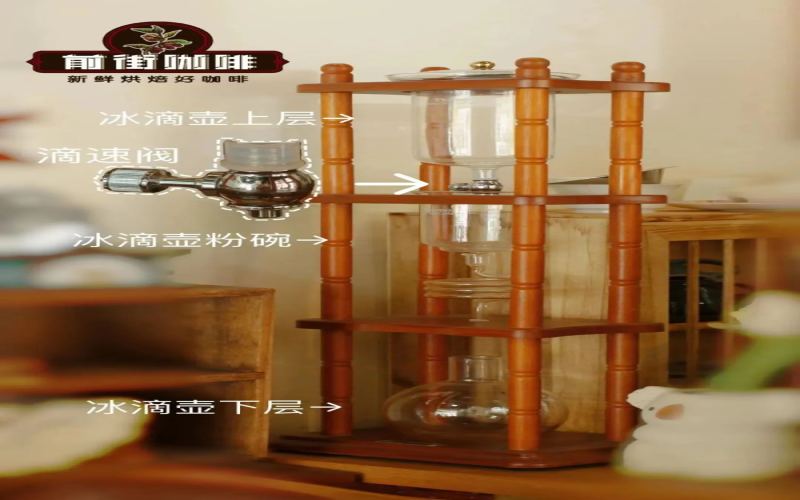
Ice drip coffee is made by slowly melting pure ice into small water droplets that evenly drip onto freshly ground coffee powder to extract the coffee essence, which is then naturally fermented through eight hours of refrigeration. Ice drip coffee has a mellow, pure taste, a pleasant balance of sweetness and acidity, and a refreshingly cool flavor, making it a must-have popular drink at Front Street Coffee every hot summer. What is the principle behind ice drip coffee? [more…]

Cold Brew Coffee Recipe | Which single-origin coffee beans are suitable for cold brew? What are the taste differences between cold brew coffee, cold brew coffee, and iced pour-over coffee?
As soon as summer arrives, for coffee lovers, nothing is better than a refreshingly icy cold coffee. If you reject high calories, care about mouthfeel and lingering finish, and love to explore and try new things, in summer you can try the goddess-level drinks in the iced coffee world, "Ice Drip Coffee" and "Cold Brew( [more…]
The Flavor Window of Rich Crema: Roasting Degassing Patterns and Daily Storage Rhythm
Freshly roasted coffee beans internally contain a large amount of carbon dioxide. These gases are both an important source of the rich crema layer produced during extraction and, in the early stage, also hinder the even contact between water and flavor compounds. Just-roasted coffee beans need to go through a period of natural degassing, so that the aromatic oils and soluble components inside can gradually [more…]
Choose cold brew coffee beans by roast level like this
The refreshing, sweet, or heavy character of cold brew coffee is closely tied to the roast level of the beans. Long, low-temperature extraction softens the acidity and accentuates the aroma and sweetness. When choosing beans, first check whether the packaging says light, medium, or dark roast, then consider whether you want to drink it black, over ice, or with milk—this will make your choice much more [more…]
Roast level determines the lightness and richness of cold brew.
The flavor direction of cold brew coffee is closely related to the roast level of the beans. Light-roasted beans, under low temperature and a slow water flow, tend to present floral notes, fruity acidity, and a bright sweetness; medium-roasted beans have a rounder mouthfeel and are suitable for making smooth, easy-drinking iced coffee; dark-roasted beans bring cocoa, nut, and caramel notes to the forefront, making them suitable for those who prefer a heavy [more…]
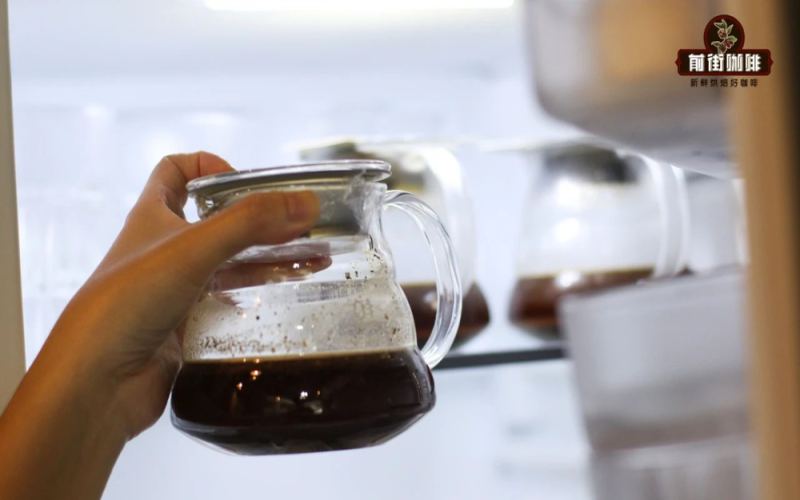
The Standard Method for Cold Brew Coffee: Grind Size Parameters, Benefits, and Differences from Iced Coffee
For more specialty coffee knowledge, please follow: Front Street Coffee (Frontsteet Coffee) There are many ways to make delicious iced coffee (types of iced coffee). From the more elaborate cold drip, to the quickest iced coffee pour-over; and the easy-to-make, and widely mainstream cold brew method. The cold brew method has many names, C [more…]
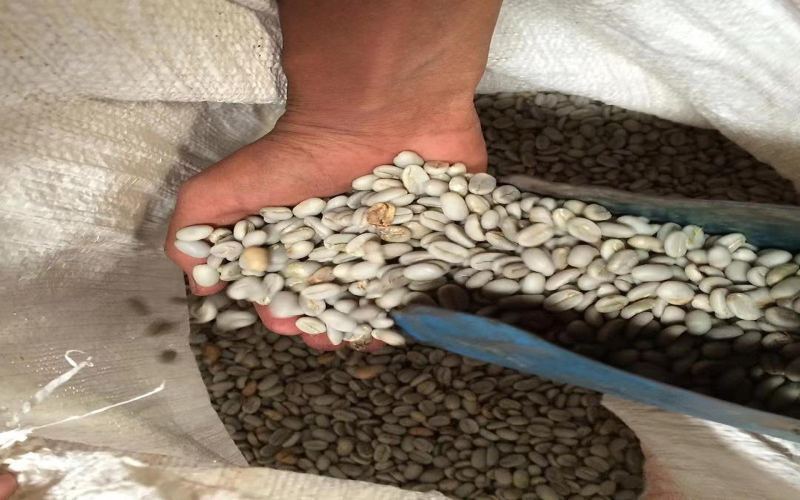
A can of cold brew: flavor differences from light to dark roast
The home method for cold brew coffee is not complicated; what truly shapes the final style is often the roast level of the coffee beans. Steeped in cold water the same way, light roasts tend to leave bright fruity acidity and aroma, medium roasts come across sweeter and smoother, and dark roasts have pronounced cocoa, nutty notes, and a heavy body. To make a jug of cold brew that suits your taste, [more…]
Espresso blend flavor calendar: when to start drinking after roasting
In the first few days after an espresso blend is roasted, the beans are still releasing carbon dioxide. If you pull a shot during this time, the puck is easily disturbed by the gas; the crema may look thick and rich, but the sip can taste loose and the aroma isn't fully focused. Planning together around the roast date, the expected opening date, and daily usage is often better than simply chasing freshly roasted beans [more…]

Moka pot coffee beans: when is the best time to start drinking for better flavor?
Coffee brewed with a moka pot is quite concentrated, and the condition of the beans directly affects how it tastes. Freshly roasted coffee beans are usually still releasing carbon dioxide; though the aroma may be punchy, the liquid can seem thin. After resting for a while, the sweetness, body, and finish gradually come together. When buying beans, besides looking at the flavor notes, also pay attention to the roast [more…]
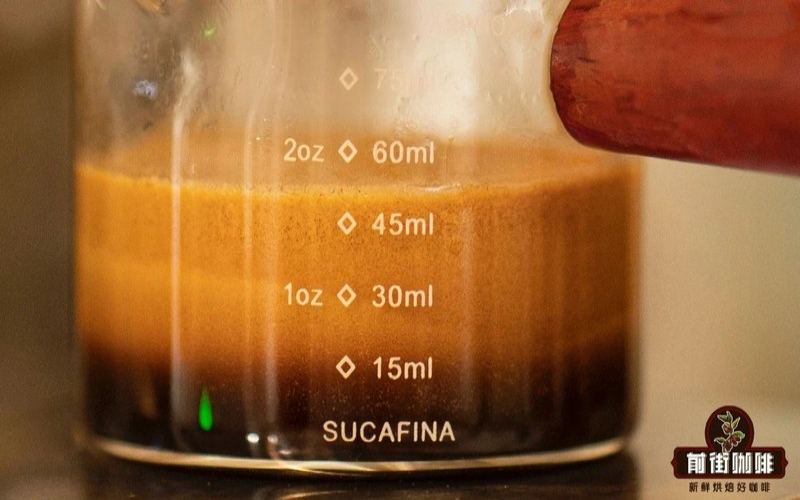
Rich Coffee Bean Recommendations: Make Every Cup Catch the Flavor Window
Full-bodied mouthfeel is not a flavor that is fixed in place the moment coffee beans are freshly roasted. After the beans come out of the roaster, they continue to slowly release carbon dioxide internally, and the aroma, sweetness, and mouthfeel will shift over time. If brewed too early, the cup may have a noticeable gassy sensation; when left to the right stage, flavors such as nuts, cocoa, and caramel are more likely to connect. [more…]
Grasping the Degassing Period and Aroma Peak: Flavor Rotation of Three Specialty Espresso Coffee Beans
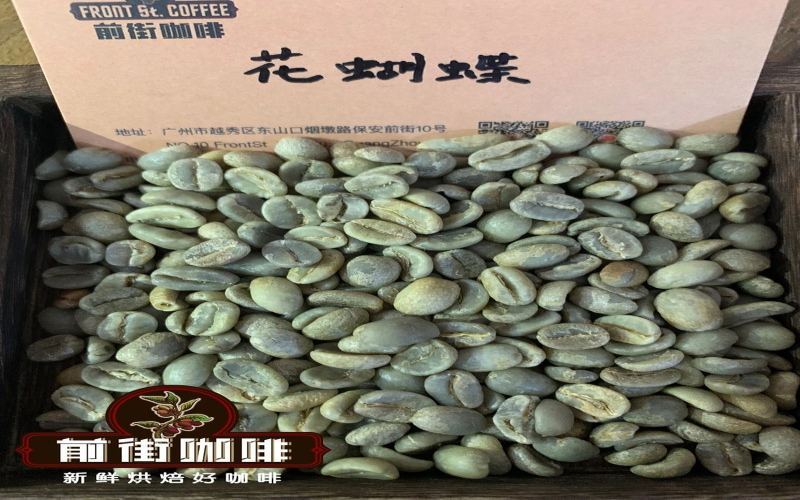
Freshly roasted coffee beans are not immediately ready for brewing; they hold a large amount of carbon dioxide gas trapped inside from the high heat. This gas is slowly released over time, and during this process the aromatic compounds inside the beans gradually become active and move toward balance. Understanding how coffee beans evolve from degassing to aroma development helps me [more…]
The Flavor Window and Drinking Rhythm of Yirgacheffe SOE
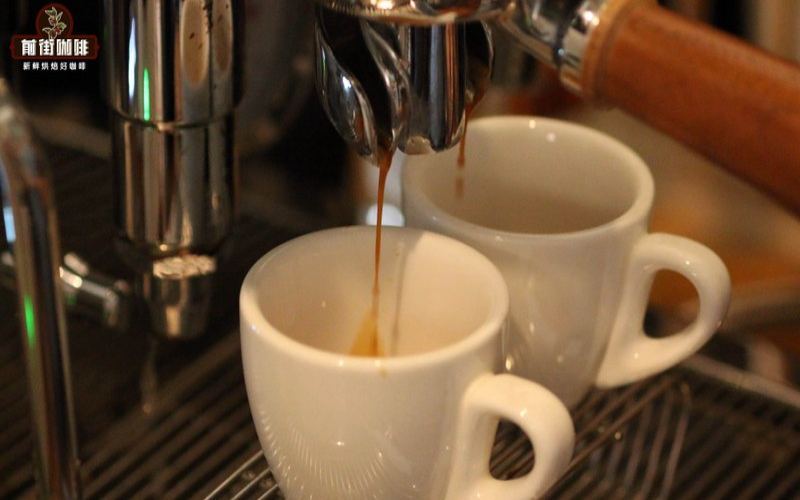
Yirgacheffe SOE is often expected to have a bright aroma, but a bag of beans will undergo continuous changes in flavor from the moment it is roasted to the moment it is tasted. Freshly roasted coffee contains more carbon dioxide, and the aroma is easily held up by the gas; during extraction, there may also be sharp acidity, channeling, or excessive foam. Keep track of the purchase date, resting time, and how quickly the bag is opened. [more…]
The Transformation of Espresso Crema from Bag Opening to Cup
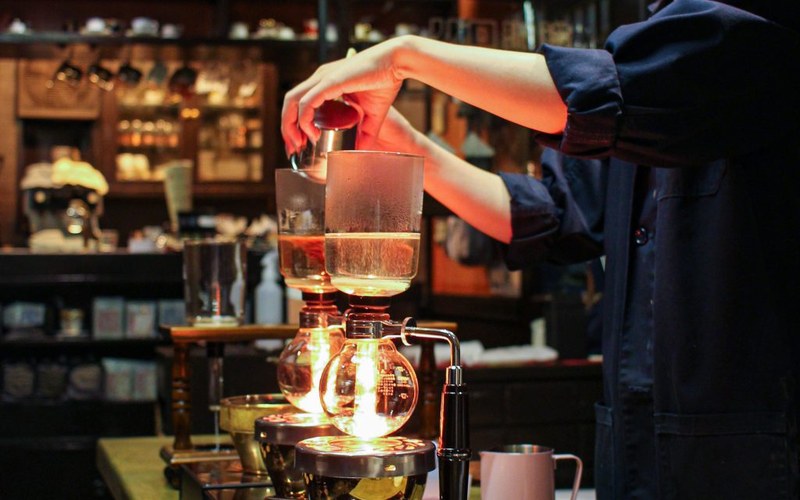
When making espresso, the golden foam on the surface of the cup is greatly influenced by the freshness of the beans. Freshly roasted coffee beans contain more carbon dioxide, which is rapidly released when they meet high-pressure hot water, making the crema look richer and the aroma more punchy. However, more crema does not mean the flavor has matured; the time since opening the bag, the roast level, and the beans' own [more…]
The Flavor Window and Storage Guide for Dark Roast Pour-Over Beans: From Degassing to Peak Flavor
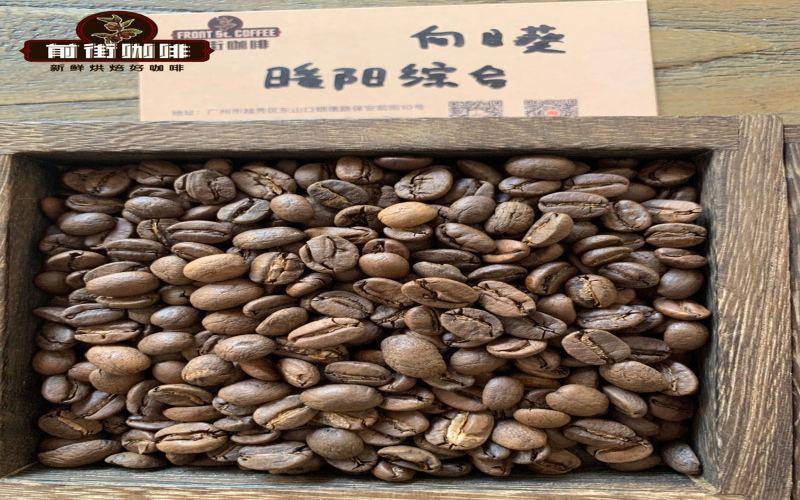
Darker-roasted coffee beans undergo full caramelization and Maillard reactions in the roaster; the fibrous structure inside the bean expands, creating larger pores, and the degree of gas saturation and the rate of release are noticeably faster than in light roasts. Understanding the degassing patterns and flavor evolution of dark-roasted beans helps you accurately gauge the bean's condition during everyday pour-over brewing, allowing [more…]
From roast date to opening date: planning the drinking clock for espresso blend beans
Espresso blend beans begin a period of change from the moment roasting is complete: in the early stage they release a large amount of carbon dioxide, in the middle stage the aroma and extraction gradually open up, and in the latter stage they slowly lose their vibrancy. When beginners choose beans, they don't need to treat "the closer to the roast date, the better" as a rule; instead, they should let the dates of arrival, opening the bag, and finishing the beans fall within a suitable flavor window. [more…]

Yirgacheffe Flavor Calendar: From Roast Date to After Opening
The allure of Yirgacheffe lies in how white flowers, citrus, and a tea-like quality gradually unfold after roasting. Brewing it soon after roasting means the cup may be disturbed by more gas, with the aroma slightly tight and the acidity and sweetness not yet fully integrated; leave it too long, and the bright fruity notes slowly fade. Freshness is not about being as close to the roast date as possible, but about the beans [more…]