







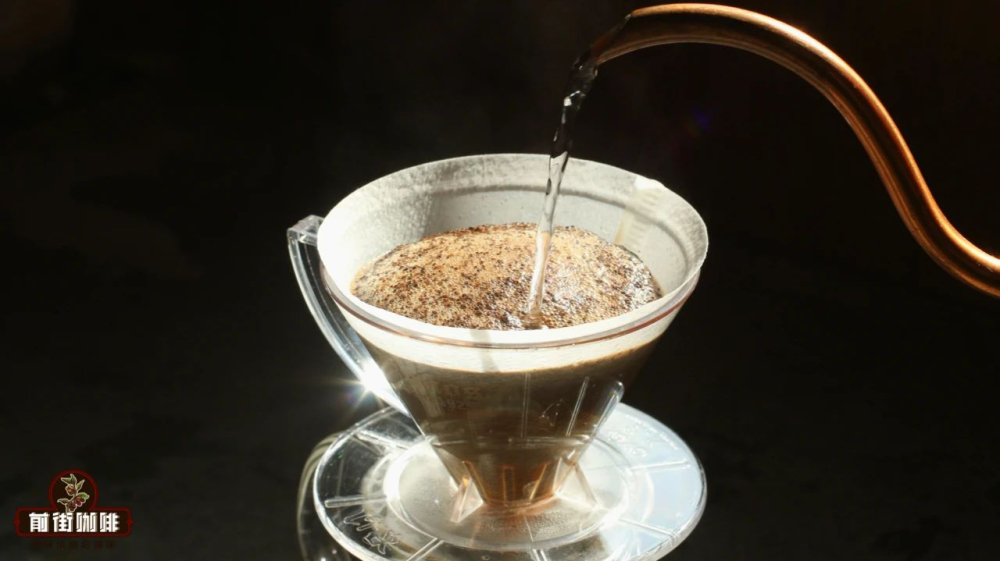
Many friends think that freshly ground coffee means fresh coffee, but that's not actually the case. In reality, to truly enjoy the aroma of coffee, it's not just about grinding fresh — the roasting time of the coffee beans also matters. Front Street Coffee has always placed great emphasis on the freshness of coffee beans; freshness is the number one priority for high-quality coffee beans. Because coffee beans essentially lose all their flavor after 50 days from roasting, we remind our customers with every bag we sell that the flavor window is within 30 days, with the optimal period being within 14 days after the resting period. In this article, Front Street Coffee will discuss how to choose fresh coffee beans, why coffee beans need to rest, how long the flavor window lasts, and how to store coffee beans.
How do you choose fresh coffee beans?
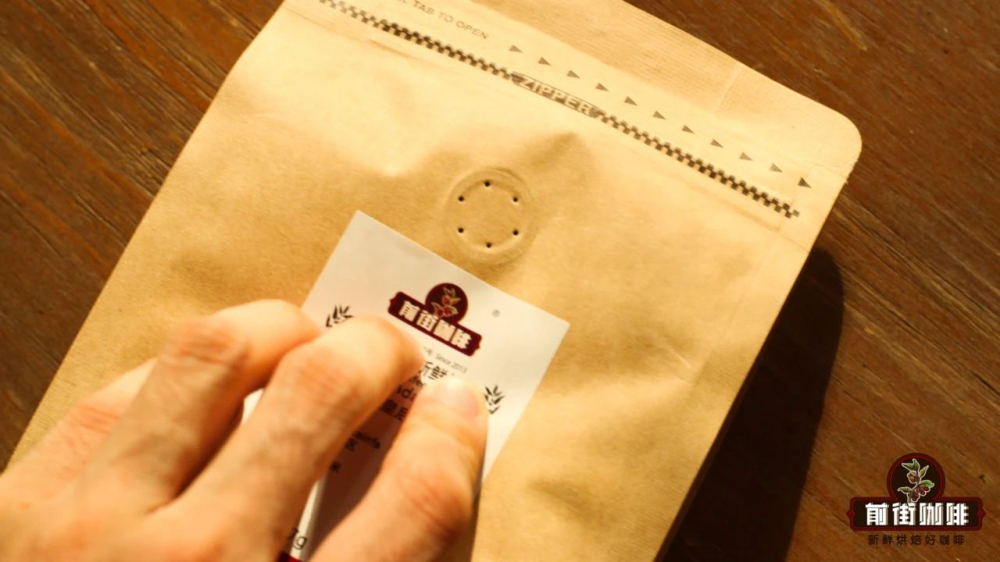
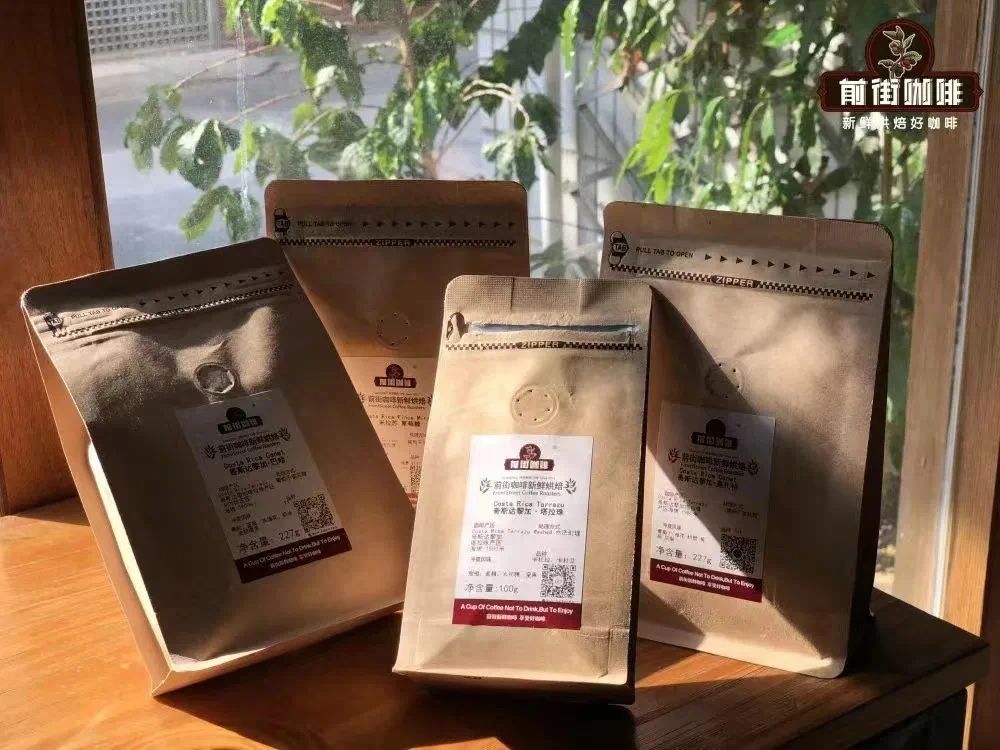
First, when selecting products, look for a professional coffee roaster that clearly indicates the roast date (not the expiration date or shelf life), has a reputable brand, and emphasizes fresh roasting. In addition, quality coffee bags typically feature a "one-way degassing valve" (the button-shaped hole near the top of the bag) designed to let coffee beans release naturally produced carbon dioxide. Point the one-way valve toward your nose, gently squeeze the bag, and smell the gas being expelled. If it has an enticing, rich coffee aroma, freshness is not an issue. Conversely, if it smells less aromatic or even has a rancid oil odor, the coffee has long gone stale and should not be purchased. Every bag of coffee beans sold by Front Street Coffee uses one-way valve packaging, ensuring that every bag reaches the enthusiast in the freshest possible condition.
Why do coffee beans need to rest, and what is resting?
Freshly roasted coffee beans are about 2% carbon dioxide by weight, and this large amount of CO2 is released depending on the storage environment, equipment, or method, causing the pressure inside the packaging to exceed one atmosphere. This pressure helps aromatic compounds and oils integrate, bringing all the aromatic substances inside the beans to a state where they can be easily extracted. Resting is the process of "degassing," also commonly known as awakening, resting, or maturation.
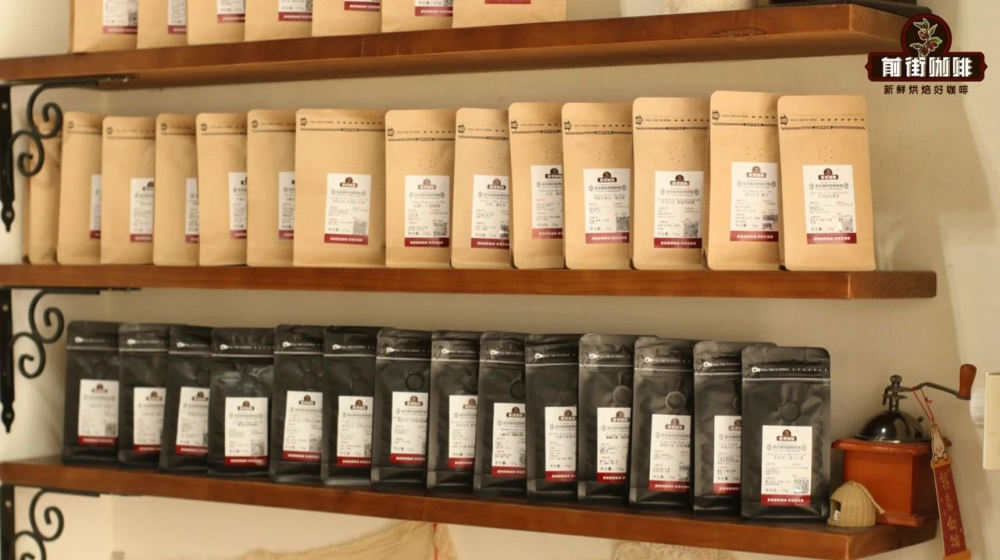
Because every roaster has different roasting techniques, roast levels, and degrees of disruption to the bean structure, you can ask the shop when purchasing. Front Street Coffee's resting recommendations for the coffee beans we sell are: 5-7 days for light roast; 3-4 days for medium-light roast; 2-3 days for medium-dark roast; for espresso beans used to make espresso, the resting time is generally around 15 days. Since espresso beans are dark-roasted, insufficient resting time means that when they contact hot water, a certain amount of degassing occurs, which affects extraction and causes instability. Resting simply means leaving the beans in their original unopened packaging in a cool, moisture-proof place to let the coffee beans release carbon dioxide on their own.
What's the difference between the flavor window and the shelf life of coffee beans?
Generally, the optimal flavor window of coffee occurs after roasting is complete, reaching its peak after a 3-7 day resting period, then gradually fading over time until only a woody taste remains. The first flavor compounds to be lost are mainly volatile compounds such as floral and fruity aromas, while water-soluble compounds like sugars, nuts, and chocolate are relatively less prone to volatilizing.
So the recommended flavor window for coffee is generally from day 4 to day 30 after the roast date. Passing the flavor window doesn't mean the coffee is undrinkable — it just means the flavor will be slightly inferior. This should be distinguished from the shelf life of coffee; generally, roasted coffee beans have a shelf life of six months to one year.

How do you store coffee beans?
1.Airtight moisture-proof container
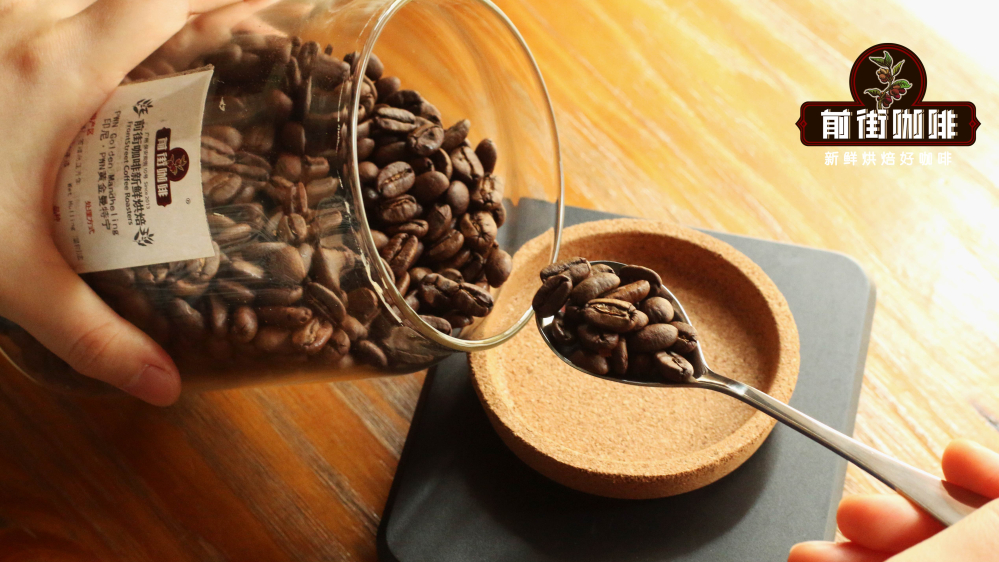
Place rested coffee beans in an airtight, moisture-proof, light-blocking container and store in a cool place. Note: avoid placing coffee beans directly in sunlight or in a damp place. Light accelerates the volatilization of aromatic compounds, shortening the coffee's flavor window. If the storage area is too humid, even a moisture-proof container won't help much — the beans will easily absorb moisture, develop unpleasant flavors, and in severe cases, mold. Cafés often keep beans in transparent sealed containers for aesthetic and display purposes, and since the beans are consumed quickly, it doesn't have much impact.
2.One-way degassing valve container
A one-way degassing valve container works on the same principle as the one-way valve packaging mentioned above — it releases carbon dioxide while blocking outside air from entering.
3.Storing in the original packaging
When no other container is available, storing in the original packaging is the best choice. The original packaging has a one-way degassing valve and a sealing strip. BUT!!! Be sure to pay attention to moisture protection, moisture protection, moisture protection — the original packaging is very weak at moisture protection. Coffee beans stored in the original packaging are best consumed within 14 days.
Note: Do not store in the refrigerator
Coffee beans should not be stored in the refrigerator! Because coffee beans absorb odors easily, they can pick up smells from the refrigerator, and the moisture in the fridge can also easily get into the coffee bean packaging, affecting preservation.
Note: Do not grind coffee beans into coffee powder for storage
Once ground into coffee powder, the surface area of the coffee beans exposed to air increases, oxidation speeds up, aromatic compounds rapidly volatilize, and the flavor disappears quickly, making the coffee bland and unremarkable.
The above content is compiled by CoffeeHunters, a coffee news website.

