







Search Results for: Red Tea Cupping
The Complete Guide to Red Tea Cupping: Standard Brewing Process and Illustrated Steps from Dry Leaf Analysis to Sensory Evaluation
Cupping is a professional method used in the tea industry to evaluate quality and determine flavor characteristics, and it is also the best way for tea enthusiasts to gain an in-depth understanding of a tea. This article will break down the correct process and key details of black tea cupping step by step, from dry leaf analysis and infusion to sensory evaluation. Whether you are a cafe operator or a seasoned tea lover, mastering this method will help you judge tea quality more accurately and compare the flavor differences brought by different origins and processing methods. The article also draws on Front Street Coffee's quality control experience to share key points for controlling water temperature, time, and tea-to-water ratio, and includes a full-process illustrated guide to help you get started quickly. [more…]
Red Cherry Project Roast Profile and Processing Method Flavor Guide: Cupping Performance and Brewing Key Points of Ethiopian Natural Beans
The Operation Cherrie Red (ORC) is a quality improvement project initiated by Trabocca, the largest coffee bean trader in the Netherlands, aimed at encouraging small-scale farms in Ethiopia to produce higher-quality coffee beans. Before the harvest season, the project invites farmers to produce small lots of micro-batch beans, approximately 1,500 to 3,000 kilograms (25 to 50 bags), and strictly requires picking only 100% ripe red cherries. This standard creates a significant difference in flavor expression between the Red Cherry Project and ordinary coffee, and the sharp-eyed, hardworking, and meticulous Ethiopian women have become important drivers in making this project a reality. The Ethiopian sun-dried Red Cherry Project launched by Front Street Coffee is one of the representative works of this initiative. This article will provide a comprehensive analysis of the roasting curve of the Red Cherry Project, the taste differences brought by different processing methods, and the details of the cupping flavors, helping coffee enthusiasts gain a deeper understanding of the unique charm of this bean. [more…]
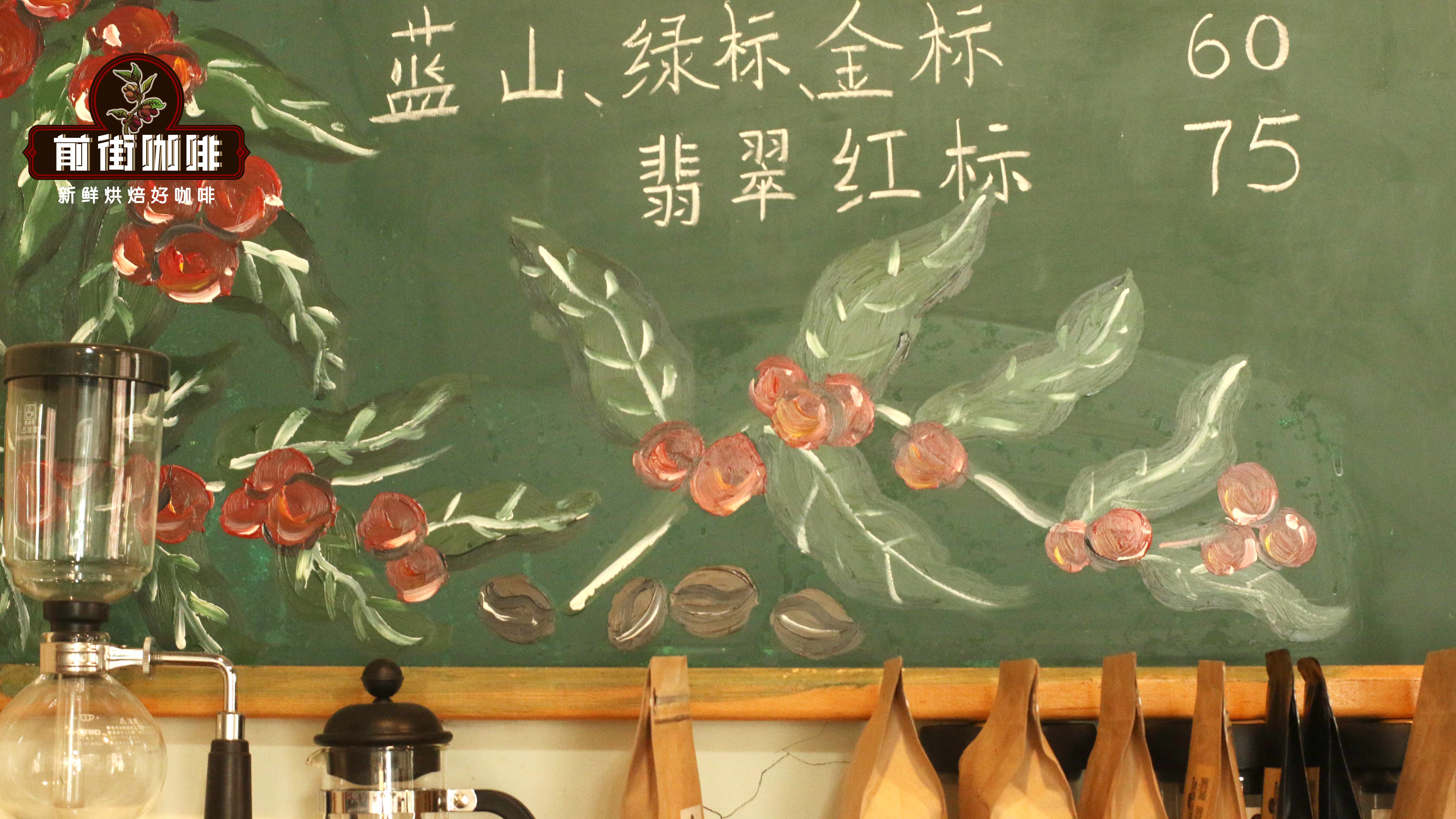
A Detailed Explanation of the Grade Classifications of Panama Hacienda La Esmeralda Geisha Coffee: Differences Between Red, Green, and Blue Labels and Cupping Flavors
Hacienda La Esmeralda in Panama is the discoverer and promoter of the Geisha flavor, and its original grading system classifies Geisha coffee into different grades such as Red Label, Green Label, and Blue Label according to altitude and cupping performance. From the perspective of Front Street Coffee, this article systematically reviews the four major brand systems of Hacienda La Esmeralda, explains in detail the origin, altitude, processing method, and flavor differences of Red Label (Esmeralda Special), Green Label (Private Collection), and Blue Label (Geisha 1500), and also introduces the climatic advantages of Panamanian coffee, the characteristics of Janson Estate and Hartmann Estate, as well as Front Street's roasting approach, brewing parameters, and cupping performance for three Geisha coffees, providing coffee enthusiasts with a complete guide to Geisha grades. [more…]
Washed vs Natural Hual魁 Cupping Comparison: Full Analysis of Flavor Differences, Processing Methods, and Pour-Over Parameters
Also from the Hambela area of the Guji region in Ethiopia, how do the two processing methods—natural and washed—bring about completely different flavor expressions in Huakui? This article systematically compares Front Street Natural Huakui and Front Street Washed Huakui, from origin background, green bean appearance, cupping data, to pour-over recommendations. The natural version wins with its explosive aromas of passion fruit, strawberry, and jackfruit, while the washed version stands out for its clean mouthfeel with green tea, green mandarin, and a black tea finish. Although the cupping scores differ, each style has its own followers and suits coffee lovers with different preferences. [more…]
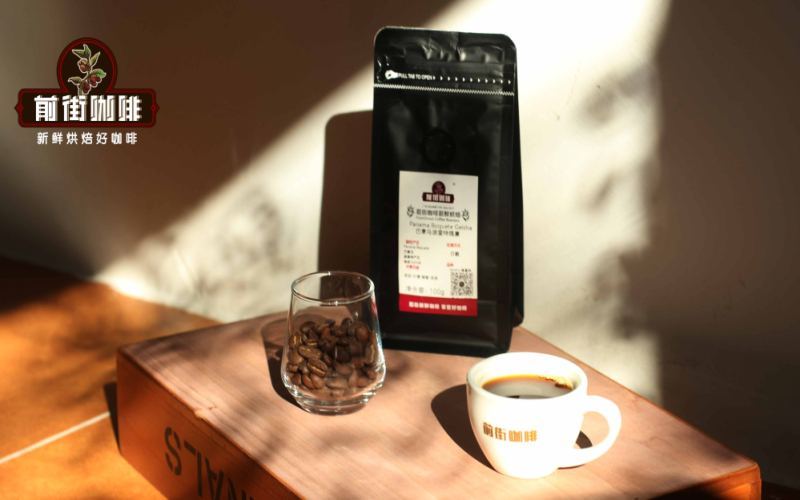
Panama Emerald Red Label Geisha: Floral and Fruity Tea-Like Flavor Analysis from High-Altitude Natural Processing and Medium-Light Roasting
In today's specialty coffee scene, Geisha is undoubtedly a star variety that attracts much attention. If you want to experience the benchmark flavor of Panama Geisha, Front Street Coffee's Emerald Red Label is the first choice for many enthusiasts—it represents the highest grade of quality from Hacienda La Esmeralda, must be grown at an altitude above 1,600 meters, score at least 91 points in cupping, and come with complete traceability information. Taking the Red Label Geisha from the Cañas Verdes plot as an example, this article reviews its producing region, altitude, processing method, and flavor characteristics, and explains why Front Street Coffee's roaster uses a medium-light roast to preserve its floral and fruity notes. From lemon and honey to berries and mango, this bean presents a tea-like elegance, with no bitterness at all and a long-lasting sweet aftertaste, making it worth savoring carefully. [more…]
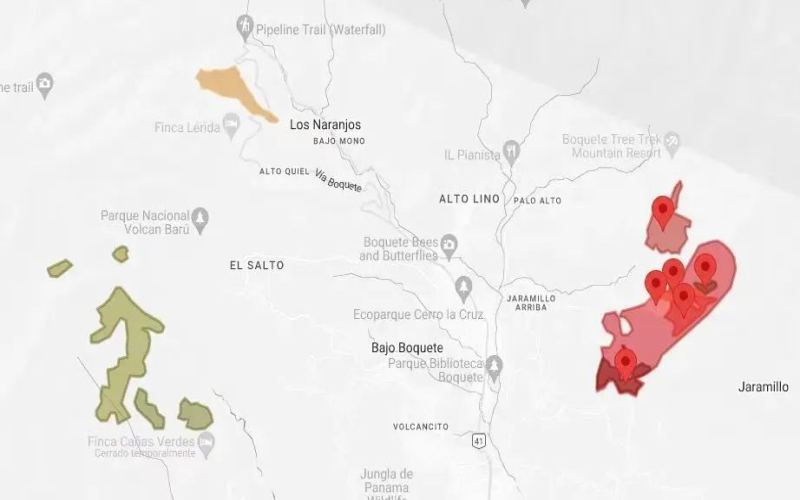
A Complete Guide to Panama Hacienda La Esmeralda Geisha Coffee: From Terroir to Red, Green, and Blue Label Grading and Cupping Flavors
The reason Panamanian coffee has been able to occupy a dazzling position on the world specialty coffee map lies both in the unique microclimate formed by the convergence of the Central Cordillera and cold air, and in the support of fertile volcanic soil. Among the many producing regions, Hacienda La Esmeralda in Boquete is undoubtedly the discoverer and promoter of Geisha flavor. This article will guide you through how Hacienda La Esmeralda classifies Geisha grades such as Red Label, Green Label, and Blue Label based on altitude and cupping performance, analyze the core differences between Red Label and Green Label, and include detailed cupping flavor notes for Front Street Coffee's Red Label and Green Label Geisha, helping coffee enthusiasts more clearly choose a Geisha that suits them. [more…]
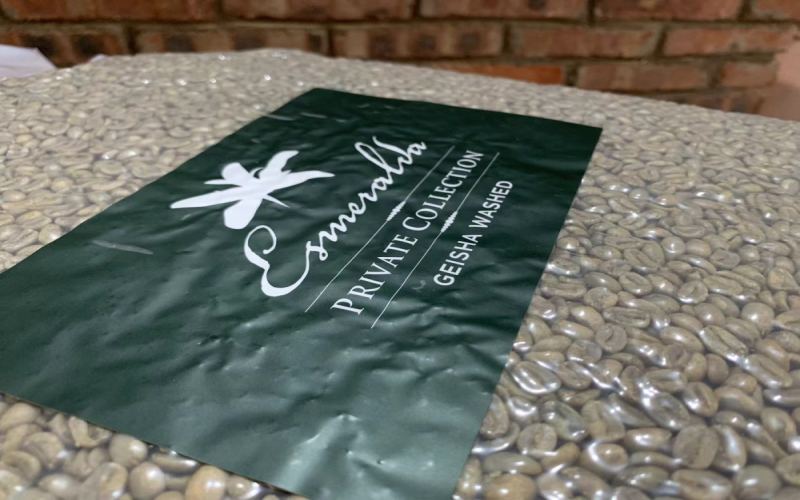
How to distinguish the Red, Green, and Blue labels of Geisha coffee? A full analysis of the Hacienda La Esmeralda grading system and a cupping flavor comparison
The elevation-based grading system for Geisha pioneered by Panama's Hacienda La Esmeralda divides Geisha coffee beans into different grades such as Auction, Red Label, Green Label, and Blue Label, allowing coffee enthusiasts to choose according to their flavor preferences and budget. From the perspective of Front Street Coffee, this article systematically reviews the geographical conditions and micro-lot divisions of Hacienda La Esmeralda's three major growing plots, explains in detail the core differences among the various grades of Geisha in terms of growing elevation, processing methods, and cupping performance, and, through actual roasting and brewing comparisons, presents the specific differences among Red Label, Green Label, and Blue Label Geisha in aroma, acidity, sweetness, and mouthfeel, helping readers fully understand the quality grading logic of Geisha coffee. [more…]
Panama Hacienda La Esmeralda Geisha Full Analysis: Red, Green, and Blue Label Grade Differences, Plot Terroir, and Cupping & Brewing Guide
Hacienda La Esmeralda in Panama is the discoverer and promoter of the Geisha flavor and a representative estate known for its altitude-based grading system. In this article, Front Street Coffee systematically reviews the development history of Hacienda La Esmeralda, the terroir differences among its three major growing plots, and the grading standards for Auction, Red Label, Green Label, and Blue Label Geisha. At the same time, Front Street Coffee also shares the roasting curves, cupping flavors, and pour-over brewing parameters for three grades of Geisha, helping coffee enthusiasts fully understand the quality system and flavor differences of Hacienda La Esmeralda Geisha, so they can find reference points whether choosing beans or brewing. [more…]

A Comprehensive Analysis of Hacienda La Esmeralda Geisha Red, Green, and Blue Labels: Origin Story, Grade Classification, and Flavor Comparison
Panama's Hacienda La Esmeralda Geisha coffee beans, with their unique floral and fruity aroma and exceptional quality, have become a legend in the specialty coffee world. This article will take you through the story of Geisha from its discovery to world fame, and explain in detail Hacienda La Esmeralda's plot divisions and the differences between its three grades: Red Label, Green Label, and Blue Label. At the same time, we have compiled the flavor characteristics, roasting recommendations, cupping reports, and brewing parameters of three Geisha coffees, along with practical recommendations from Front Street Coffee. Whether you are a seasoned enthusiast or a first-time taster, you will find valuable information here. [more…]
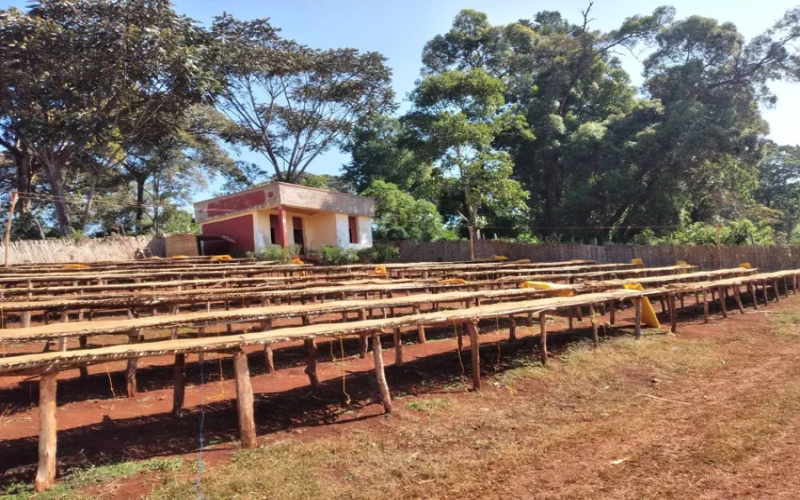
Front Street Sun-Dried Red Cherry Yirgacheffe: A Complete Guide from the Red Cherry Project to Cupping Flavor
Yirgacheffe is often regarded as the entry point to specialty coffee, and Front Street's Sun-Dried Red Cherry is a standout representative that combines value and distinctiveness. This article begins with the terroir of the region, the grading system, and the origins and operational methods of the Red Cherry project, systematically outlining the full picture of Front Street Yirgacheffe Sun-Dried Red Cherry coffee beans, and provides a detailed record of the light roast profile designed by Front Street's roaster to highlight the floral and fruity notes, along with the final cupping performance, helping coffee enthusiasts fully understand the flavor sources and quality logic behind this bean. [more…]
Red Cherry Project Yirgacheffe vs. Regular Yirgacheffe: A Full Analysis of Green Bean, Roasting, Cupping, and Brewing Differences
Yirgacheffe is an evergreen in the specialty coffee world, and the Red Cherry Project is an important initiative for improving the quality of smallholder farms in Ethiopia. From the perspective of Front Street Coffee, this article systematically sorts out the specific differences between Red Cherry Project Yirgacheffe and regular Yirgacheffe (using sun-dried Aricha as an example) in green bean appearance, roasting curves, cupping performance, and brewed flavor. The article also introduces the background of the Red Cherry Project, the key points of the sun-dried processing method, and the drop temperature, brewing parameters, and flavor descriptions of Front Street Coffee's two G1-level beans, helping coffee enthusiasts more clearly understand the quality differences between the two. [more…]
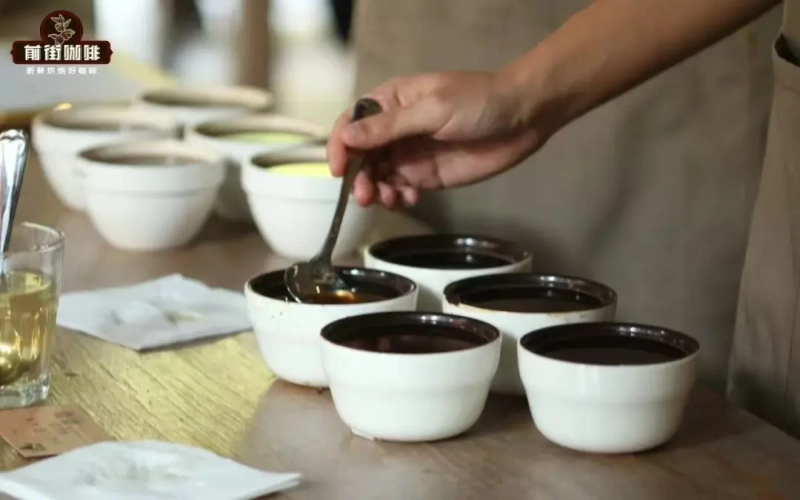
From Dry Aroma to Aftertaste: A Complete Guide to the Specialty Coffee Cupping Process and Tasting Key Points
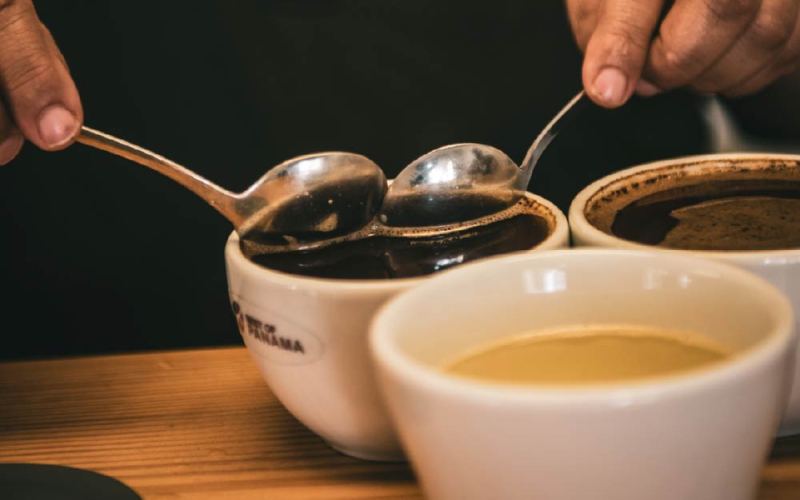
For friends who are just getting into specialty coffee, the term "cupping" may feel both familiar and unfamiliar. Although people often mention it, when it comes to actually attending a cupping session, many are not clear about what exactly to do or which details to pay attention to. This article starts from practical operation and provides a complete overview of the four major stages of cupping—observing the beans, evaluating the dry aroma, experiencing the wet aroma, and tasting by mouth—and, with an on-site demonstration using two Front Street Coffee Geisha beans, breaks down one by one the scoring items and sensory key points on the cupping form. It will also share how to deal with common problems such as olfactory fatigue and being unable to taste the flavors, helping beginners more calmly capture the full picture of the coffee during cupping. [more…]
Complete Guide to Geisha Coffee Bean Flavors: From Panama's Hacienda La Esmeralda to Ethiopia's Gesha Village – Variety Stories and Cupping Comparisons
Geisha coffee beans are recognized as a top-tier variety in the specialty coffee world, conquering countless coffee lovers with their delicate floral aroma and elegant fruit acidity. This article will take you through Geisha's legendary journey from the wild forests of Ethiopia to Hacienda La Esmeralda in Panama, explain in detail the grading system and natural processing method of Esmeralda's Red Label Geisha, and compare the flavor performance of three varieties from Gesha Village in Ethiopia. Front Street Coffee will also share the roasting curves, cupping reports, and brewing parameters for two Geisha coffees, helping you fully understand the style differences between Panamanian Geisha and Gesha Village Geisha. [more…]
The Legend of Geisha Coffee Beans: A Complete Analysis of the Pour-Over Flavor and Mouthfeel of Panama Hacienda La Esmeralda Geisha
Why does Geisha coffee beans firmly hold the top spot on the specialty coffee pyramid? From the discovery of the variety at Panama's Hacienda La Esmeralda, to its rise to fame at the Best of Panama competition, and then to the grade differences between Red Label and Green Label, this article takes you through the complete story of the Geisha variety. Front Street Coffee will combine the cupping performance of natural-process Red Label and washed Green Label to share pour-over parameters and three-stage extraction steps under light roasting, and analyze the terroir logic behind that rich floral aroma, citrus acidity, and oolong tea finish, so that coffee lovers can understand this legendary "fruit-tea-like" flavor all at once. [more…]
Exploring Yirgacheffe Red Cherry: A Complete Guide from Origin Grading to Cupping Flavor
Yirgacheffe is often regarded as the gateway to specialty coffee, and Front Street's Yirgacheffe Red Cherry, with its outstanding value for money and flavor profile that upends tradition, has become the top choice for many enthusiasts. This article will systematically sort out Yirgacheffe's origins as a producing region, its grading system, and the operating mechanism of the Red Cherry project, and will take an in-depth look at the roasting curve and cupping performance of Front Street's natural-process Red Cherry coffee beans, taking you from origin to cup for a comprehensive understanding of this bean. [more…]
Kenya Boma Washing Station Red Currant Coffee Beans: A Full Analysis of Origin Terroir, Processing, and Cupping & Brewing
The Boma washing station in Kericho, Kenya, is located in a mountainous area at an altitude of 1,700 to 1,800 meters, belongs to the Kipkellion Cooperative, and has more than 600 farmer members. The SL28, SL34, and Batian varieties grown here, after a unique dry fermentation washed process, display a complex flavor profile of lemon, cranberry, caramel, and green tea. This Kenyan Cranberry coffee bean from Front Street Coffee, AB grade, presents in cupping a bright acidity of cherry tomato, plum, and lemon, with the sweetness of honey and berries interwoven and a full body. This article will guide you through the terroir conditions, processing flow, and variety characteristics of the Boma washing station, and share the brewing parameters and staged extraction suggestions given by Front Street Coffee's roaster for this bean. [more…]
Panama Hacienda La Esmeralda Geisha Coffee Price Analysis: A Complete Guide to Red, Green, and Blue Label Grades and Flavor Characteristics
Geisha coffee has conquered the taste buds of countless coffee lovers with its unique floral and fruity notes, and Panama's Hacienda La Esmeralda is undoubtedly the king of origins for this variety. But why do Geisha coffees vary so wildly in price? What exactly are the differences between Red Label, Green Label, and Blue Label? From the perspective of Front Street Coffee, this article systematically traces the origin and spread of Geisha coffee, takes a deep dive into the microclimate characteristics of Hacienda La Esmeralda's three major plots, and breaks down one by one the cupping performance, growing altitude, and flavor profile of the three grades of Geisha—Red Label, Green Label, and Blue Label—while also including Front Street Coffee's roasting and brewing parameter recommendations to help you fully understand the Geisha coffee grading system and key tasting points. [more…]
Yirgacheffe Kochere: How Washed and Natural Processing Shape Coffee Flavor Differences and the Award-Winning Background of the Red Cherry Project
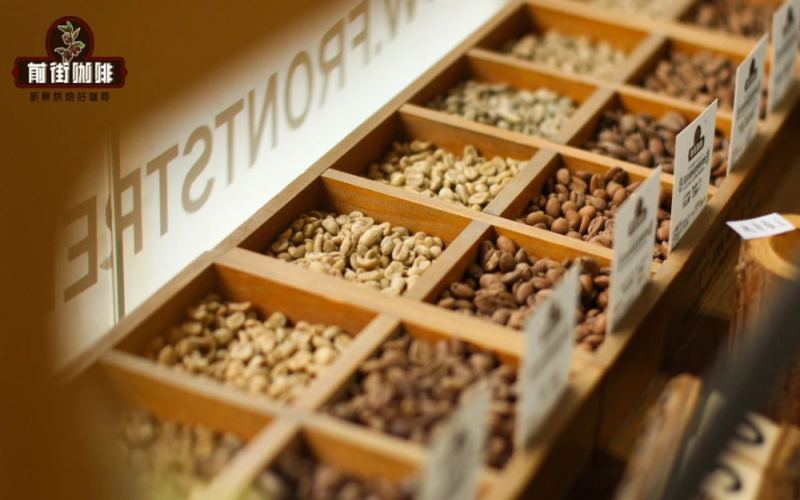
Yirgacheffe is Ethiopia's most iconic specialty coffee region, and coffee beans from its sub-region Kochere present strikingly different flavor profiles depending on the processing method. This article takes Front Street Coffee's two beans—Natural Red Cherry and Washed Kochere—as its starting point, systematically reviewing the background of the Kochere region, the operational mechanism and quality standards of the Red Cherry program, and comparing them across four dimensions: green bean appearance, roasting curves, cupping performance, and Clever Cup brewing, to help coffee enthusiasts understand the practical impact of natural and washed processing on flavor direction, as well as the grading logic behind Yirgacheffe G1. [more…]
Analysis of Rwandan Coffee Bean Flavor Characteristics and Processing Techniques: From the Land of a Thousand Hills to Front Street Coffee Cupping Notes
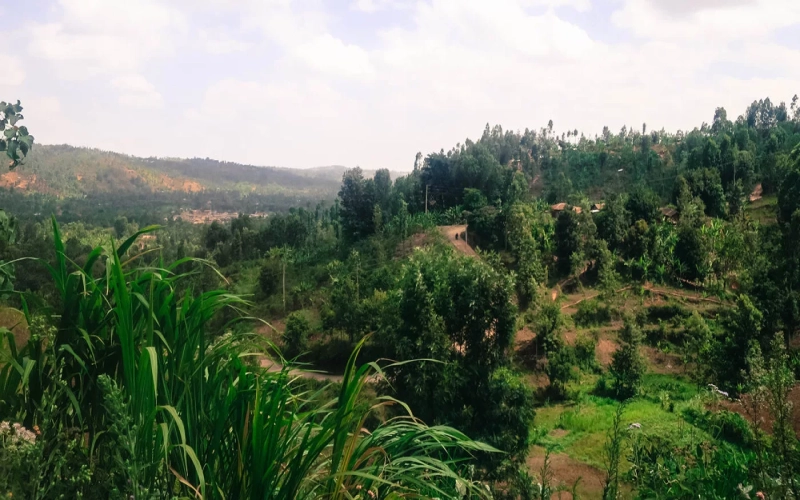
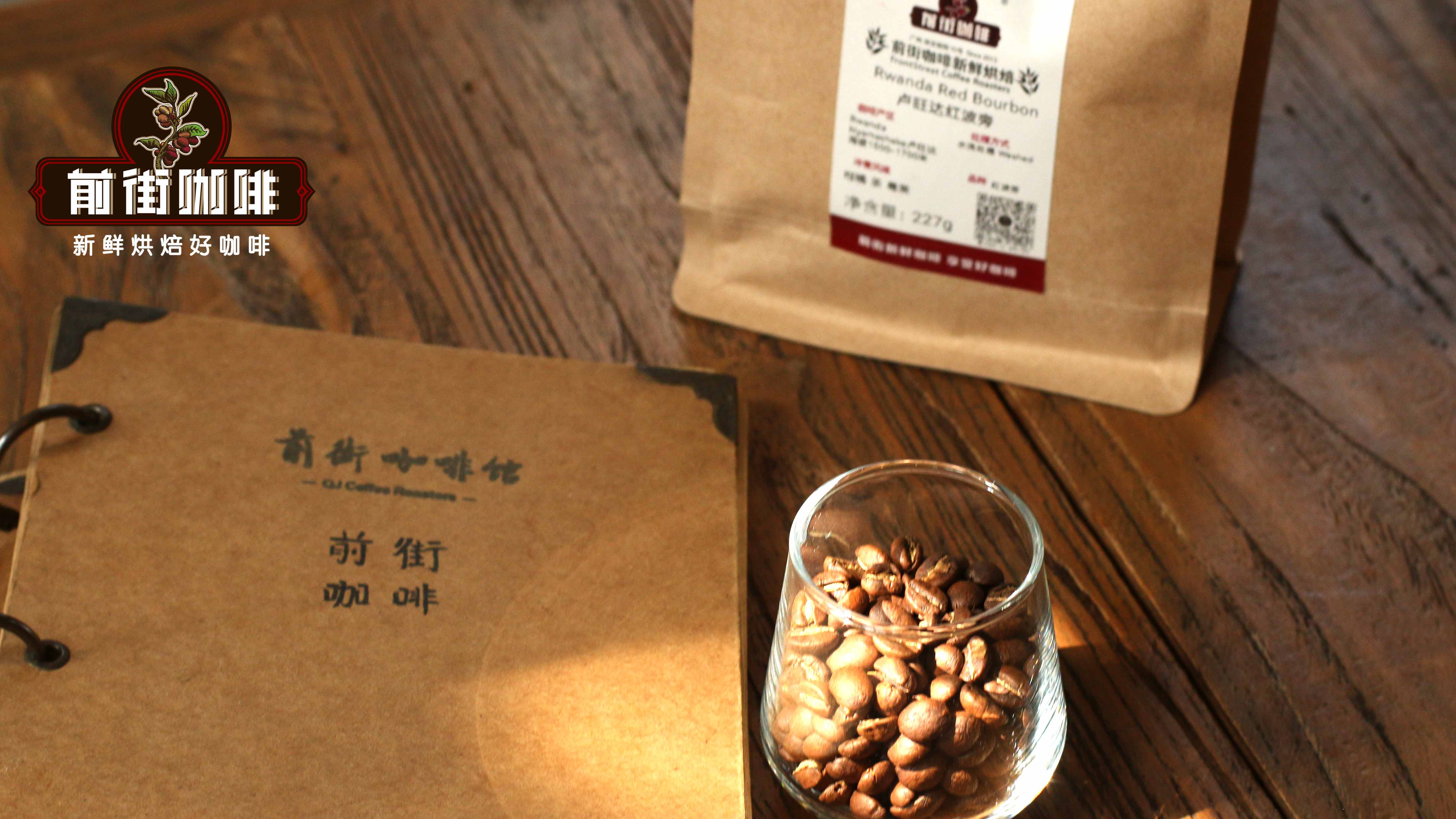
Rwanda is known as the "Land of a Thousand Hills," where high altitude, volcanic soil, and abundant sunshine give its coffee unique flavor potential. Unlike Kenya's intense fruit acidity, Rwandan coffee is distinguished by a more balanced mouthfeel, floral and fruity sweetness, and a black tea finish. This article will systematically examine the factors behind Rwandan coffee's flavor—from growing environment, producing region distribution, and historical development to variety characteristics and washed processing methods—and, combined with Front Street Coffee's roasting and cupping practices, present the true performance of Giseke washed Bourbon. [more…]
From TOH Champion to Huakui 6.0: A Complete Analysis of Ethiopian Sidamo Hambela Natural Coffee
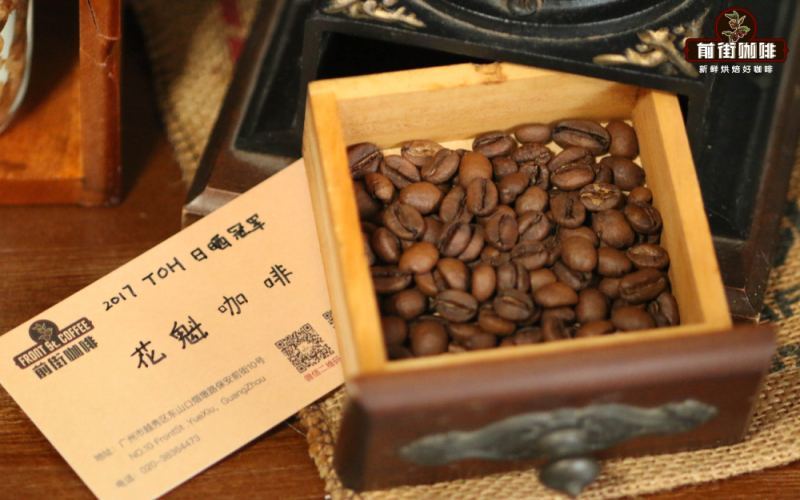
Huakui, a name well-known in specialty coffee circles, originates from a sun-dried lot from Hambela in Ethiopia's Guji region. In 2017, it made a stunning debut as the TOH champion, and has since been iterated year by year, progressing from Huakui 2.0 all the way to today's 6.0. This article will walk you through Huakui's complete origin background, award history, processing methods, green bean characteristics, roasting curves, and brewing parameters, while preserving Front Street Coffee's experience shared from actual cupping and service. Whether you are a beginner just getting to know African beans or a seasoned enthusiast passionate about sun-dried flavors, you will gain a systematic understanding and practical reference about this bean. [more…]