







What Does the Sexytea Logo Debate Mean for Coffee Brands?
Tianyan Yuese announced on September 17 that it will remove the English sign 'Sexytea' from recently opened stores and stop using the name on new stores, while gradually replacing signage at existing ones. The brand said 'Sexy' was meant as 'charming' but has multiple meanings that caused online controversy, and it apologized for the misunderstanding.
The statement noted the team had already discussed optimizing the English name during its mid-year review, though progress was slow. Netizens also resurfaced two earlier apologies, one over mug copy and one over a tea bag slogan, renewing discussion about where creative branding should draw its limits, especially for food and drink labels.
The Boma wet mill in Kericho, Kenya, is situated in a mountainous area at an elevation of 1,700 to 1,800 meters, belonging to the Kipkellion Cooperative, with over 600 farmer members. The SL28, SL34, and Batian varieties grown here, after a unique dry fermentation washing process, display complex flavors of lemon, cranberry, caramel, and green tea. Front Street Coffee's Kenya Cranberry coffee beans, AB grade, present in cupping a bright acidity of cherry tomatoes, plums, and lemons, interwoven with the sweetness of honey and berries, and a full body. This article will guide you through the terroir conditions, processing flow, and variety characteristics of the Boma wet mill, and share Front Street roasters' brewing parameters and staged extraction suggestions for this bean.
Boma Wet Mill
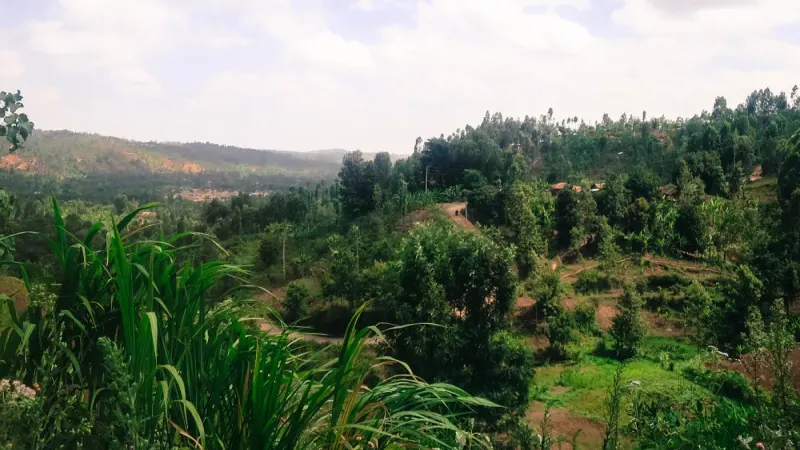
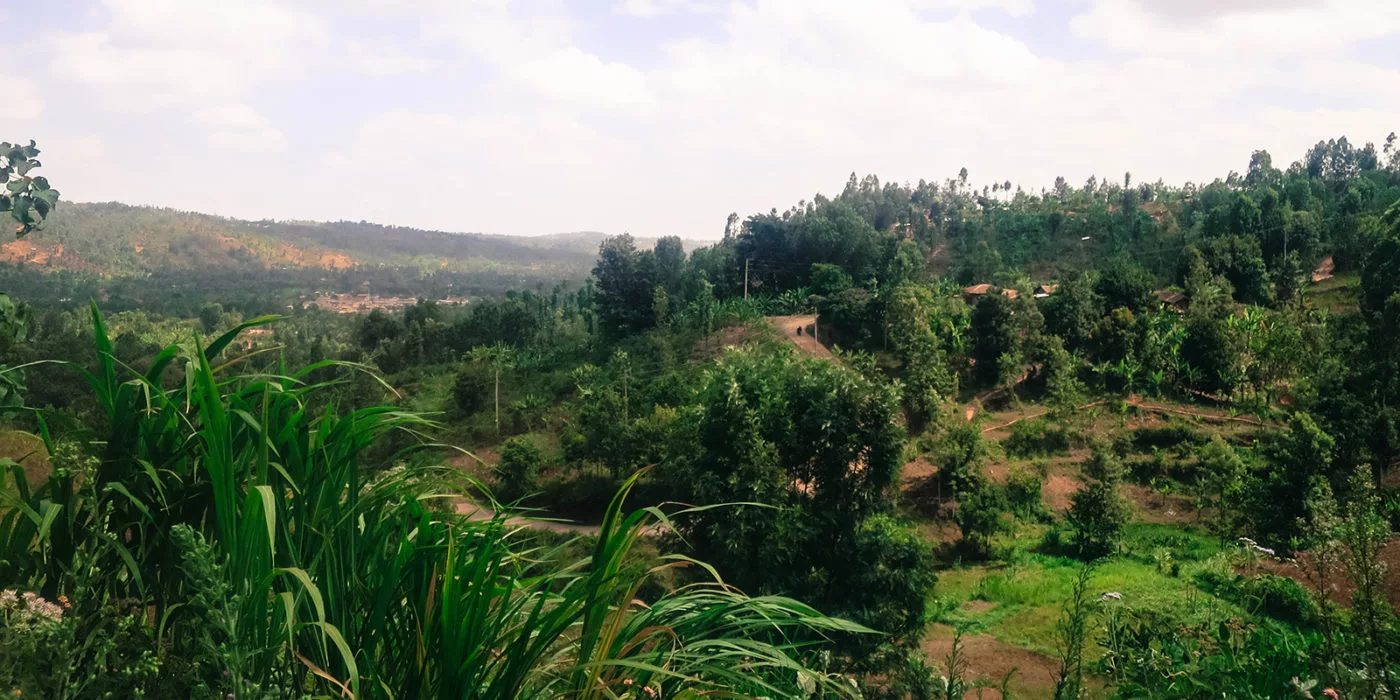
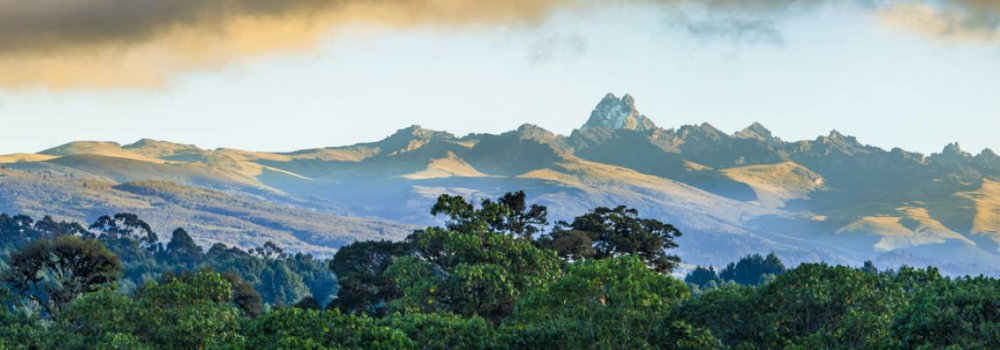
Boma Wet Mill is located in Kericho Town in southwestern Kenya, near Mount Kenya, at an elevation of approximately 1,700 to 1,800 meters.
The region is crisscrossed by mountain ranges with excellent drainage conditions, and the volcanic soil is rich in organic matter. Coffee trees growing on the red soil can obtain ample nutrients. The climate is cool and humid throughout the year, with temperatures typically maintained between 22 and 28 degrees Celsius. The suitable temperature combined with the higher altitude allows coffee cherries to mature slowly, thereby developing more distinctive flavors.
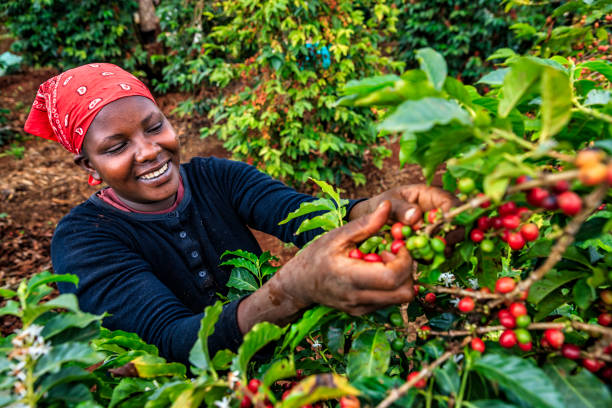
Boma Wet Mill belongs to the Kipkellion Cooperative, one of the member units of the Kenya Farmers Cooperative (FCS), composed of more than 600 farmers. The predecessor of Boma Cooperative was a plantation during the British colonial period, when large numbers of coffee trees and tea trees were planted. The local coffee fruit ripening period is usually concentrated from October to December each year, and a single family typically manages 250 to 300 coffee trees. During the harvest season, farmers in Kericho Town gather and pack the coffee and transport it here for green bean processing.
Dry Fermentation Processing Method
Different from conventional washing methods, Boma Cooperative places coffee cherries into a drainable container, without adding extra water, and directly ferments for 18 to 24 hours, during which it is rinsed with water every 6 to 8 hours. After fermentation is completed, the parchment beans are introduced into a specially designed washing channel, and the beans are diverted to different tanks based on differences in density and weight—lighter beans will float, while higher-density parchment beans enter a clean water tank to soak for 24 hours. After soaking is completed, the coffee beans are spread on coarse cloth nets to drain off moisture, then transferred to traditional drying beds for sun drying. This stage lasts 12 to 20 days, until the moisture content drops to 11% to 12%.
Because this processing method consumes a large amount of water, the cooperative recycles and reuses water resources to reduce waste and pollution.
Coffee Varieties
SL28 and SL34 are new disease-resistant varieties bred by Scot Laboratories and have been widely planted since the 1930s.
SL28 belongs to the Bourbon genetic group, with round and plump bean shape and strong drought tolerance and resistance to pests and diseases; SL34 inherits the genes of Typica, with plant morphology similar to Typica, but with much higher yield. The beans are slender and oval-shaped, with flatter sides. In terms of flavor performance, SL34 has a richer mouthfeel and superior cleanliness and brightness.
Batian is a new variety released by the Kenya Coffee Research Institute (CRI) on September 8, 2010, and has strong resistance to coffee berry disease and pests.
Front Street Coffee: Kenya Cranberry Coffee Beans AB
Region: Kericho Boma Cooperative, Kenya
Altitude: 1,500-1,950 meters
Varieties: SL28 SL34 Bataan
Processing Method: Washed
Flavor: Lemon Cranberry Caramel Green Tea
Through cupping, Front Street found that this Cranberry coffee's dry aroma presents dried fruit and citrus. On the palate, it has bright acidity of cherry tomatoes, plums, and lemons, accompanied by the sweetness of honey and berries, with an overall full body.
Brewing Reference
In terms of roasting, this Kenya coffee leans toward fruit-toned characteristics. In order to retain more fresh acidity and dark fruit flavors, Front Street roasters use a light roast.
According to Front Street's brewing experience, high-altitude coffee beans are harder in texture. Choosing a finer grind size can increase the contact area between coffee grounds and water, thereby improving the extraction rate.
Dripper: V60 Water Temperature: 90-91ºC Dose: 15g Coffee-to-Water Ratio: 1:15 Grind Size: Fine granulated sugar size (80% passing through a No. 20 sieve)
Staged Extraction: First use 30 grams of water to bloom for 30 seconds, then pour in a small stream in a circular motion until reaching 124 grams for the stage break. When the water level drops and is about to expose the coffee bed, continue pouring until 228 grams and stop. When the water level drops again and is about to expose the coffee bed, remove the dripper. (Timing starts at the beginning of blooming.) The extraction time is 1 minute 55 seconds.
After grinding, the Cranberry emits the sweet aroma of dried fruit. On the palate, it presents the flavors of plums, lemons, and cherry tomatoes. The acidity is bright and solid, with honey-like sweetness, and the finish is a lasting green tea aftertaste.
For professional coffee knowledge exchange and more coffee bean information, please follow Coffee Workshop (WeChat public account: cafe_style)
For more specialty coffee beans, please add the private WeChat of Front Street Coffee (FrontStreet Coffee), WeChat ID: qjcoffeex
The above content is compiled by CoffeeHunters, a coffee news website.


