







Search Results for: QR code ordering
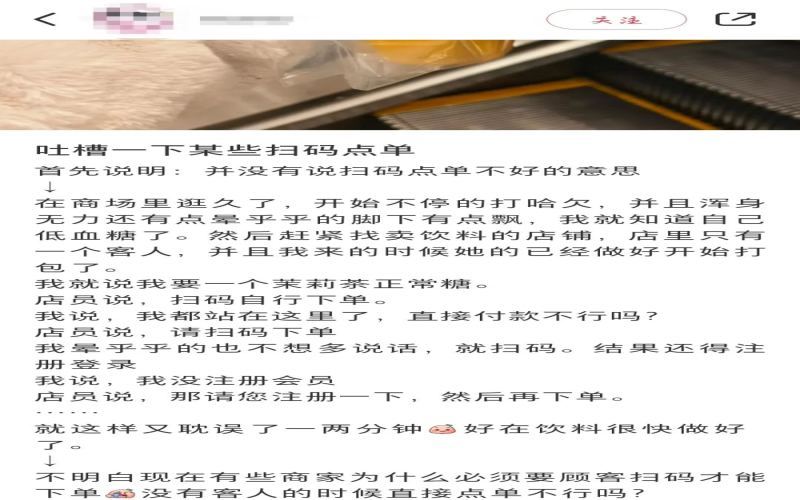
Has QR Code Ordering Become the Standard for Tea Shops? Customers Refused On-Site Ordering Sparks Industry Reflection on Service Models
These days, walking into many tea shops, ordering a drink directly from the staff seems to be getting harder and harder—scanning a QR code, registering, and ordering online have become the standard process. Recently, a netizen shared an experience of being refused when trying to order directly at the counter because they were feeling unwell, sparking widespread discussion. Some people agree that ordering by scanning the code is efficient and saves time, while others question why on-site ordering is still not allowed when there are no other customers. Tea shop employees revealed that factors such as not being equipped with a cash register system, difficulty making change for cash, and insufficient staffing make QR code ordering a helpless choice for most stores. This debate over ordering methods reflects the difficult balance between efficiency and humanized service. [more…]
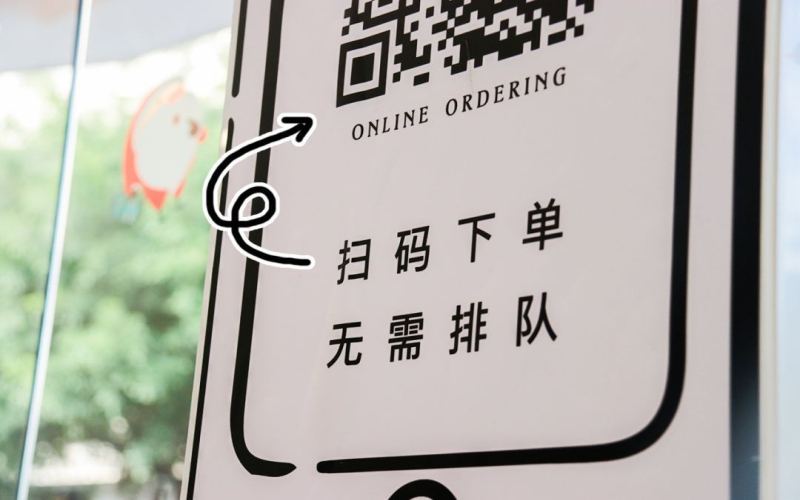
Scan-to-Order Forcing Phone Number Authorization? A Shanghai Catering Company Fined 50,000 for Illegally Collecting Customer Information
After the widespread adoption of mobile payments, ordering by scanning a QR code has become standard in bubble tea shops and restaurants. But have you ever noticed that many ordering mini-programs require you to authorize your mobile phone number or even more personal information before use? In October of this year, the Market Supervision Administration of Putuo District, Shanghai, investigated and dealt with a case involving a catering company illegally collecting consumer information, which sparked widespread attention. The restaurant guided customers to order by scanning a QR code on the table, but forcibly required authorization of their mobile phone numbers, and did not inform them of the purpose of use. Moreover, the backend allowed arbitrary access to and download of member data such as names, genders, mobile phone numbers, and card balances. Ultimately, the company was warned and fined 50,000 yuan. With the official implementation of the Personal Information Protection Law, penalties for such acts will be significantly increased, and consumers' privacy rights deserve more attention. [more…]

A milk tea shop employee who secretly swapped the payment QR code to pocket the shop's earnings was fired; the owner has released surveillance footage and plans to report the matter to the police.
Recently, a news story about a milk tea shop employee who replaced the store's payment collection channel with a personal payment QR code and pocketed the revenue has attracted widespread attention. The shop owner exposed in-store surveillance footage on social media, showing the employee presenting a personal payment code to customers while working alone and inducing consumers to scan it by claiming the "payment device was malfunctioning." The owner said the account discrepancies had persisted for a long time, but the employee did not stop. The store has now collected all surveillance evidence and is preparing to call the police. This incident not only exposed loopholes in the store's daily management but also once again sparked discussions in the food and beverage industry about payment security and employee integrity. [more…]

Luckin Coffee's in-store proxy ordering prices spark controversy, with mini-program login process questioned for excessive collection of user information
Recently, Luckin Coffee has once again become the focus of heated discussion. An investigative reporter's on-site tests revealed that some stores do not offer direct offline ordering service; customers can only place orders by scanning a QR code via the mini-program or app, and when staff place orders on their behalf, payment must be made at the original price, which differs by several yuan from the discounted price after using coupons online. Meanwhile, the reporter also noticed that Luckin's mini-program requires users to provide their phone number and other information during the login process, and its privacy policy mentions the possible collection of browsing history, app installation lists, and other content, raising doubts about excessive information collection. In response, Luckin customer service explained that the discount calculation in the ordering system is complex, and staff-assisted orders may result in price discrepancies, while many consumers expressed understanding, believing that ordering on-site means giving up online discounts. This article will provide a detailed review of the incident and the views of all parties involved. [more…]
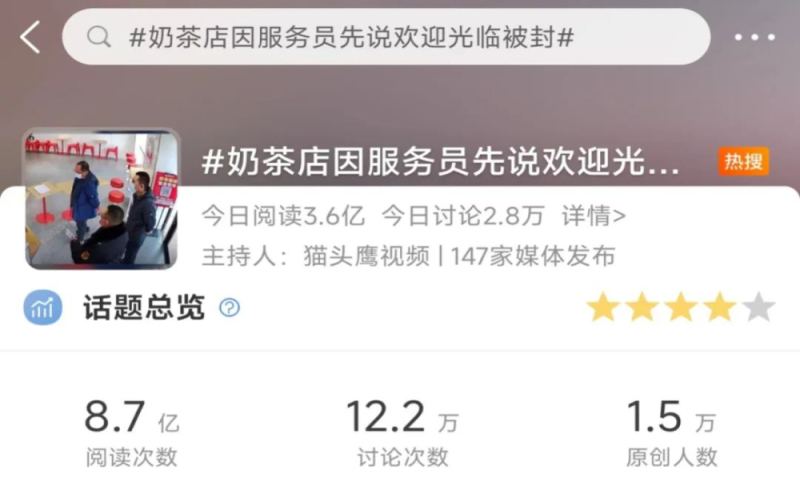
A simple "Welcome" led to the shutdown of a milk tea shop; official notice confirms abuse of power and holds those responsible accountable.
A milk tea shop was sealed and ordered to close on the spot by market supervision officials in under a minute—all because the staff said "Welcome" before asking customers to scan the QR code. The incident sparked widespread attention after it was exposed. An official statement later concluded that the law enforcement officers had abused their power and deliberately made things difficult; those involved have apologized and been disciplined. In this issue of coffee news, while we follow this incident, we also remind coffee professionals to be mindful of the boundaries of law enforcement in epidemic prevention and control, and we continue to bring coffee enthusiasts professional coffee knowledge and Front Street Coffee product recommendations. [more…]
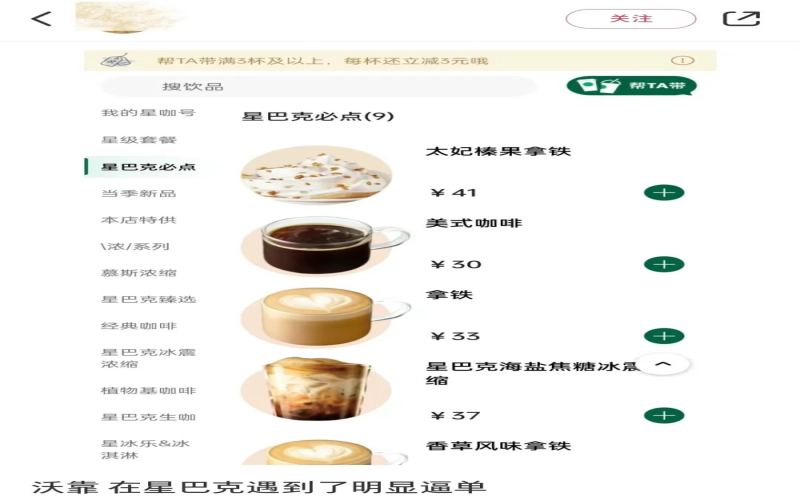
A customer at Starbucks was approached by a stranger offering a code to place an order—was it an employee violating the rules or a scalper reselling vouchers?
Recently, a netizen posted on social media about an encounter at a Starbucks store with a middle-aged woman not wearing an apron who held up a QR code and demanded an order, even pressuring them with the remark, "Air conditioning isn't free, you know." The incident sparked heated discussion: Starbucks has long been known for its "third place" concept, allowing people to sit without making a purchase, so why did forced sales occur? Was the person involved a store partner offering extended services, or a scalper reselling coupons? Netizens engaged in fierce debate over whether Starbucks should unconditionally welcome all guests, how scalpers profit from the price difference, and whether staff collude with them. This article reconstructs the incident and the various viewpoints, exploring the boundaries between space management and consumption rules in coffee shops. [more…]
Starbucks WeChat Status feature goes live, a review of Starbucks' innovative online coffee social layout in recent years
星巴克近日与微信联手推出全新「星巴克微信状态」功能,成为首个入驻微信状态的品牌。消费者通过扫描门店留言本二维码或使用啡快下单,即可生成专属微信状态,实现线上咖啡轻社交。事实上,星巴克近年来持续布局线上社交零售,从啡快、专星送到微信小程序,不断拓展咖啡社交新场景。与此同时,星巴克2021财年第三季度财报显示,中国市场同店销售增长19%,门店总数已达5135家。本文将全面解析星巴克微信状态的玩法及其背后的社交新零售战略。 [more…]
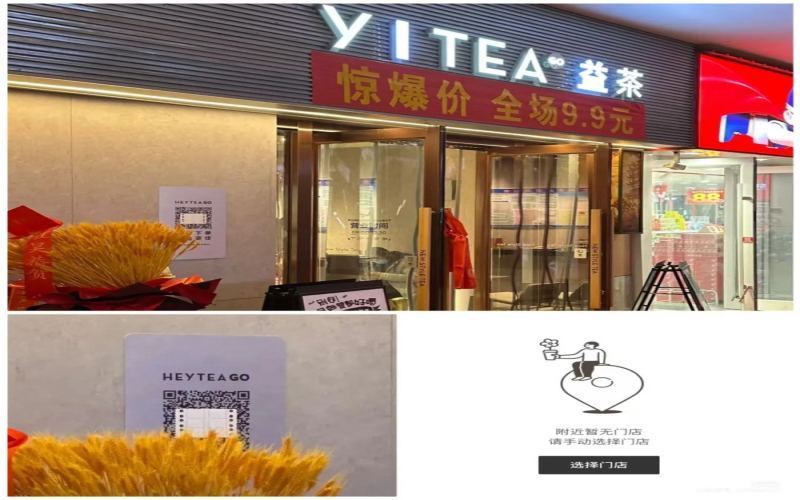
Zhangye Heytea store mysteriously becomes "Yicha": the fridge magnet controversy behind a franchise dispute
After the renovation of Heytea's Ganzhou Market store in Zhangye, Gansu was completed, the sign was quietly changed to "Yicha," and the QR code for Heytea's mini-program was still posted at the entrance, but the store's information could no longer be found through official channels. From the buzz of check-in photos sparked by the opening of the first store, to the second store remaining unopened for a long time after hoarding was put up, and then to both stores disappearing from the official mini-program, this series of changes was actually related to the rules for distributing city-limited fridge magnets. Now the "Yicha" reopened at the original site has no connection to Heytea officially, and its font has even been questioned by netizens as infringing. Local consumers' expectations were dashed, and they still hope the brand can re-enter Zhangye. [more…]
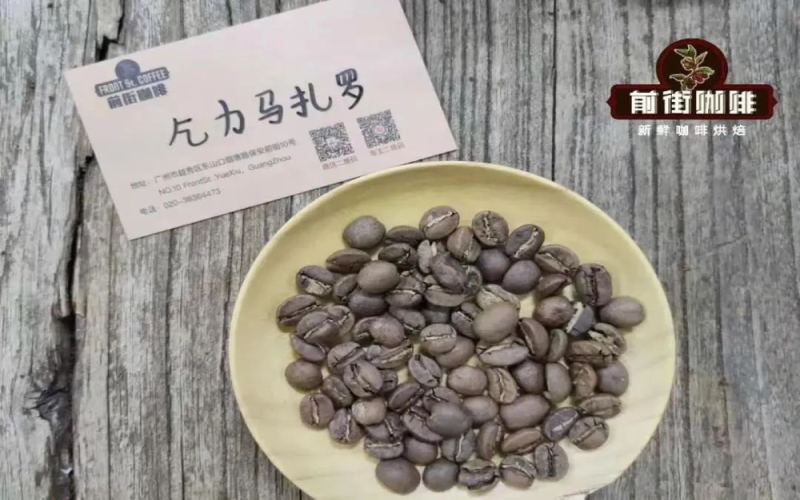
An Analysis of the Meaning of Tanzanian Coffee AA and AB Grades: British Imperial Screen Size Standards and the Detailed Classification Rules for Each Grade
Tanzania, one of Africa's Big Three coffee producers, has performed increasingly impressively in the global specialty coffee market in recent years. When buying Tanzanian coffee beans, what exactly do the "AA" and "AB" labels commonly seen on packaging mean? These letters are in fact grade codes for Tanzanian Arabica coffee beans, using a British imperial grading method similar to Kenya's, though the specific standards differ. Tanzanian authorities grade coffee by screen size, assuming that larger size means better quality, and classify beans into multiple grades such as AAA, AA, A, B, PB, C, E, F, AF, and TT. Among these, Grade AA requires mostly 17 to 18 mesh, while Grade AB is a mix of Grades A and B, and no such official grade actually exists. This article will explain in detail the specific mesh requirements and screening standards of each grade, helping coffee lovers decipher the grading code of Tanzanian coffee beans. [more…]

Starbucks Japan Tests Stainless Steel Cup Rental: Scan to Borrow, Return Within Three Days, Deposit Model Disrupted
Starbucks has previously implemented deposit-based reusable cups in Korea, Seattle, London, and other places, but the results were not ideal. Starbucks Japan was the first to change its approach, launching a stainless steel cup rental service at ten stores in Tokyo. Customers can scan a code via a mobile app to borrow a cup, return it within three days, and even enjoy a discount on their drink. After return, the cups are uniformly washed at high temperature and disinfected. The company emphasizes that there is no need to worry about residual viruses or bacteria. Can this model truly promote environmental protection, and can it be replicated in other regions? This article will provide a detailed interpretation for you. [more…]
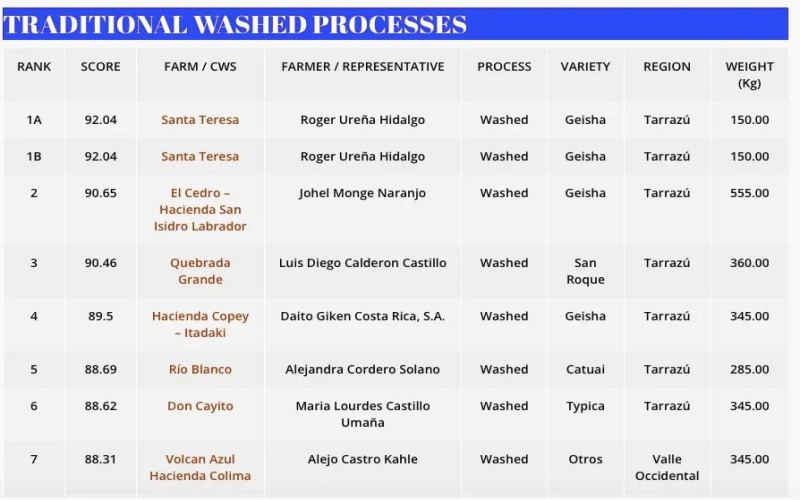
Why has Costa Rica's Tarrazú region become a star in the specialty coffee world?
Tarrazú is Costa Rica's most prestigious coffee-producing region. It not only has the largest output and the highest altitude, but has also repeatedly achieved outstanding results in the Cup of Excellence (COE)—this year, 22 of the 30 award-winning coffees came from here. What makes it so special? From the historical foundation of being among the first to grow coffee in the 18th century, to the microclimate created by surrounding volcanoes and the regulating air currents from two oceans, and then to the grading advantage of 95% Strictly Hard Bean (SHB), Tarrazú combines favorable timing, geographical advantages, and human effort into one. In 2019, the Costa Rican government also specifically applied for protected designation of origin for "Café de Tarrazú." This article will take you deeper into Tarrazú's terroir code, well-known subregions and estates, as well as the flavor performance of Tarrazú currently sold by Front Street Coffee. [more…]

Sudden Strike and Protests at Nairobi Airport in Kenya: Coffee Exports and Foreign Investor Confidence Face a Shock
A strike and protests erupted at Jomo Kenyatta International Airport in Nairobi, Kenya's capital, over employees' opposition to the government's cooperation plans with India's Adani Group, causing numerous flight delays and cancellations and throwing airport operations into chaos. This turmoil not only hits tourism and cargo but may also weaken investor confidence, making Kenya's coffee industry even worse off. This article sorts out the cause of the incident, its development, and its chain effects on the coffee industry, helping readers understand the complex situation currently facing East African coffee origins. [more…]

Why Does Panama Geisha Stand Out in Flavor? An Analysis of the Unique Charm of Washed Boquete Geisha
In 2004, Hacienda La Esmeralda won the Best of Panama competition with the Geisha variety, and this variety has been famous ever since. Geisha is extremely demanding when it comes to its growing environment, requiring shade, high altitude, and fertile soil to express its delicate floral aromas and fruity notes. Thanks to its unique terrain, climate, and volcanic soil, Panama became the place where Geisha rose to fame. This article will sort through the origins of Geisha, Panama's terroir advantages, and the characteristics of the washed process, and, combined with Front Street Coffee's cupping and roasting experience, help you understand why Panama Boquete Geisha can present white florals, citrus lemon, and honey sweetness. [more…]
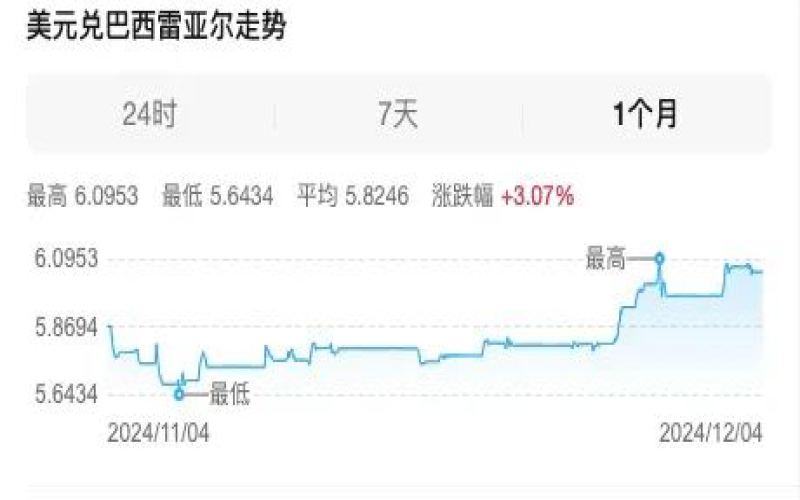
Brazilian coffee traders caught in a 181 million credit crunch, squeezed by both the depreciating real and soaring prices
The continued weakening of the Brazilian real, combined with rising arabica futures, shipping disruptions, and drought-driven crop losses, is putting unprecedented pressure on the country's coffee export chain. Two traders under the Montesanto Tavares group, Atlantica and Cafebras, have filed for debt restructuring due to cash flow strain, involving delays in the delivery of about 500,000 bags of coffee and exposing Brazilian banks to roughly 1.1 billion reais in credit risk. Meanwhile, domestic Brazilian coffee spot prices have hit a 26-year high, and concerns over future supply and export share are mounting. [more…]
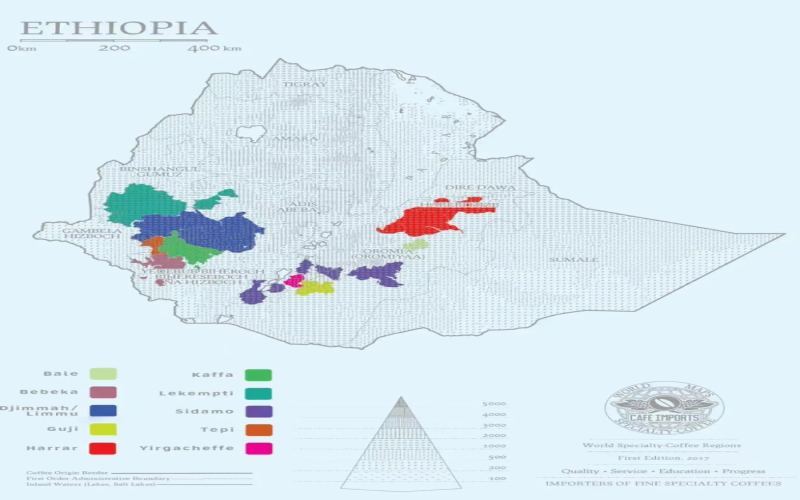
Analysis of the Flavor Characteristics and Origin Knowledge of Ethiopian Sidama and Bensa Alo Village Coffee
Sidamo is a highly representative coffee-producing region in southern Ethiopia. The evolution of the names Sidama and Sidamo, the geography, the rise of the sub-region Bensa, and the story and processing system of Alo Coffee together form a clear thread of knowledge. The article also explains how high altitude affects coffee flavor, and includes Front Street Coffee's brewing performance of the 74158 natural beans from Alo Coffee's Hatessa processing station, which feature pronounced tropical fruit and floral notes—ideal for coffee enthusiasts seeking a systematic understanding of the current state of Sidamo and Bensa. [more…]
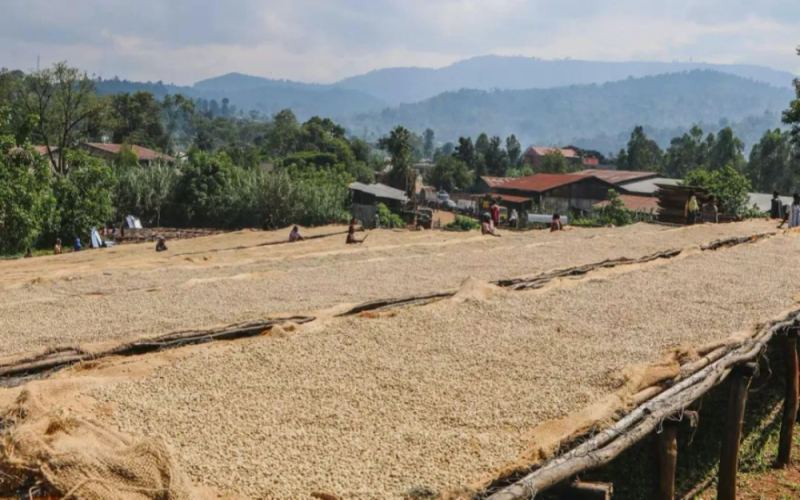
The Road to Fame and Full Analysis of Yearly Batches of Ethiopian Geisha Coffee Beans
Ethiopia is widely recognized as the birthplace of coffee and is Africa's largest coffee producer, known for beans with rich fruity and floral notes. Among the many Ethiopian beans at Front Street Coffee, Huakui is undoubtedly the most attention-grabbing, and it has now been updated to Front Street Huakui 8.0. What exactly makes this bean so popular? The story begins with a harvest-season flavor competition in 2017. That year, DW Coffee Company submitted a natural-process bean from the Buku Abel washing station, which won the natural category championship with intense berry aroma and a creamy mouthfeel. It was later named "Huakui" by domestic traders, and it became famous after a competitor used it in the China region of the World Brewers Cup to defeat many Geisha contenders. This article will sort out Huakui's origin background, its rise to fame, and the origin of naming each year's lot with "X.0" starting in 2018, and introduce the flavor performance of this year's Front Street Huakui 8.0. [more…]
What Is the Red Cherry Project? Which Ethiopian Regions Are Implementing It? Yirgacheffe Natural Red Cherry Flavor Analysis
The Operation Cherry Red is a coffee quality improvement project initiated in 2007 by the Dutch green bean merchant Trabocca, aimed at breaking the vicious cycle of extensive harvesting by Ethiopian coffee farmers due to low prices by purchasing 100% fully ripe red cherries at prices far above the market. The project currently covers unique-flavor production areas such as Yirgacheffe, Sidamo, Bonga Forest, and Lekanti. A Operation Cherry Red coffee bean acquired by Front Street Coffee comes from the Yirgacheffe production area, using natural processing and light roasting, and after pour-over brewing presents a fresh citric acidity with berry and strawberry flavors, and a refreshing mouthfeel. This article will provide a detailed interpretation of the Operation Cherry Red's operating mechanism, its implementation areas, and its profound impact on Ethiopian coffee quality. [more…]
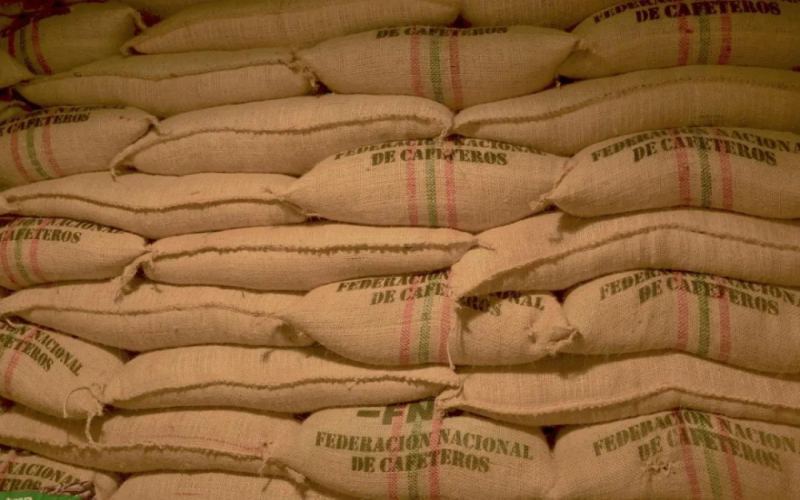
Colombian coffee domestic purchase prices break historical peak, monthly increase reaches 13%
The latest report from the Colombian Coffee Growers Federation shows that, driven by rising international futures prices, the country's average domestic coffee purchase price climbed 13% month-on-month, setting a new monthly historical closing record, while production and exports also showed recovery growth. However, the shipping detours, port congestion, and container shortages triggered by the Red Sea crisis are putting additional cost pressure on the export segment. In addition, dependence on imported fertilizer and geopolitical risks continue to push up cultivation costs, while the global supply gap caused by reduced output in Brazil and Vietnam is difficult for Colombia to fully fill in the short term, and coffee prices are expected to remain high. [more…]
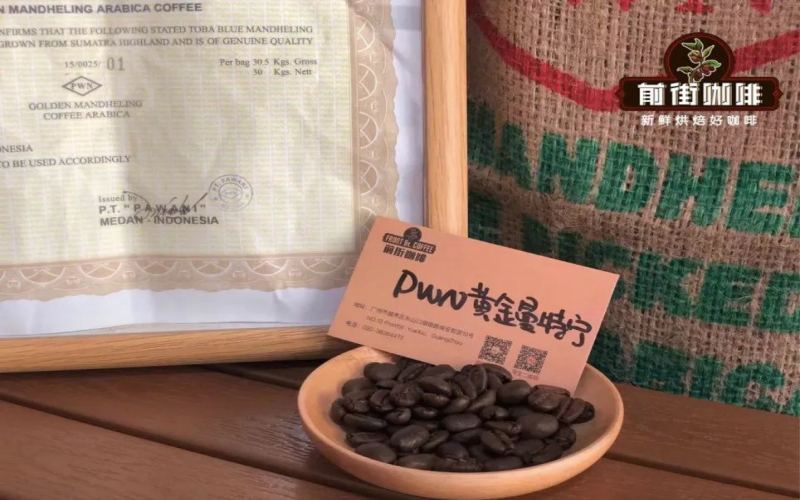
What are the differences between Lintong Mandheling and Golden Mandheling? An analysis of the origins and processing methods of Indonesian wet-hulled Mandheling coffee
Sumatra Mandheling coffee from Indonesia is famous for its rich, full-bodied flavor, and Lintong Mandheling and Golden Mandheling are two common offerings on Front Street Coffee's menu. Both use the region's distinctive wet-hulling process and both reach G1 grade, yet they differ in origin, variety selection, and final flavor profile. This article examines the origin of the name Mandheling, the main producing regions of Sumatra, the reasons behind the wet-hulling method, and PWN's strict hand-sorting standards for Golden Mandheling, in order to clarify the specific differences between these two coffees and help coffee lovers better understand the origins and quality tiers of Mandheling coffee. [more…]

The Unique Charm of Panama Geisha and the Rise of Nugu Estate
The Geisha variety is renowned in the coffee world for its delicate floral aroma and peach notes, and Panama is the core stage for this legendary variety. From being initially ignored to achieving fame at Hacienda La Esmeralda, Geisha's rise owes much to the deep cultivation by many estates. Among the many producers in Panama, the Gallardo family and their Nugu estate are particularly noteworthy—this micro-estate, located in a remote rainforest reserve, won the Best of Panama Washed category championship on its first entry, thanks to its unique microclimate and meticulous management. This article will guide you through Geisha's flavor characteristics, the layout of Panama's main producing regions, and how Nugu Estate went from zero to becoming a dark horse in the specialty coffee world. [more…]