







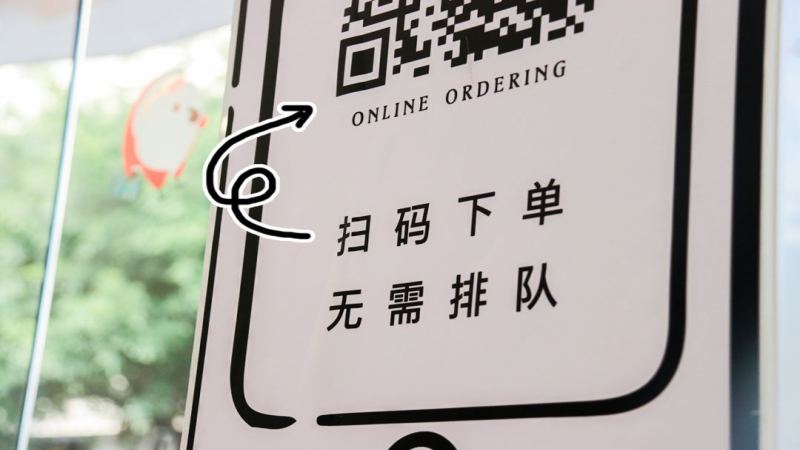
What does the QR ordering fine mean for the China coffee market?
In October, the Shanghai Putuo District Market Supervision Administration handled a case against a restaurant company that illegally collected consumer information. Customers scanning table QR codes to order were forced to authorize their phone numbers without being told why, and the backend freely accessed member names, genders, phone numbers, and card balances. The company received a warning and a 50,000 yuan fine.
The penalty lands as the Personal Information Protection Law takes effect, raising exposure for businesses that gate ordering behind phone number authorization. For the wider China coffee market, where QR ordering is standard in milk tea shops and cafes, the case signals that data collection during a routine purchase now carries real compliance risk, and that fines for similar behavior are expected to increase.
After mobile payments became widespread, ordering by scanning a QR code has become standard in milk tea shops and restaurants. But have you noticed that many ordering mini-programs require you to authorize your phone number or even more personal information before use? In October this year, the Shanghai Putuo District Market Supervision Administration investigated and dealt with a case involving a restaurant company illegally collecting consumer information, which attracted widespread attention. The restaurant guided customers to scan a QR code on the table to order, but forcibly required authorization of their phone numbers and did not inform them of the purpose of use. Moreover, the backend could freely access and download data such as members' names, genders, phone numbers, and card balances. Ultimately, the company was warned and fined 50,000 yuan. With the Personal Information Protection Law officially taking effect, penalties for such behavior will be significantly increased, and consumers' privacy rights deserve more attention.
A dozen years ago, probably no one could have imagined that you could go out without a wallet and complete various purchases with just a mobile phone. As technology continues to advance, online payment functions have become increasingly mature, and you can even place orders and make payments on your screen without visiting a store. However, have you noticed that many ordering mini-programs or on-site QR code ordering require you to grant certain authorizations before you can continue?
According to a report by China Drink Express, in October this year, the Shanghai Putuo District Market Supervision Administration investigated a case involving a restaurant company violating consumer personal information protection regulations. The restaurant company posted QR codes on tables to guide consumers to scan them and complete a series of operations including ordering and payment.
But to successfully complete the above process, consumers must agree to authorize their phone numbers, and the entire process did not inform them of the specific purpose of authorizing the phone number.
Not only that, law enforcement authorities also found that the restaurant was collecting consumers' personal information, including membership IDs, names, genders, phone numbers, card balances, and other data, all of which could be viewed, downloaded, and used in the operating system's backend. System operators could see all this information at a glance, but the restaurant had not set any confidentiality requirements for operators.
In response to this situation, the Shanghai Putuo District Market Supervision Administration determined that the restaurant company violated Article 29 of the Consumer Rights Protection Law and imposed an administrative penalty of a warning and a fine of 50,000 yuan on the company.
Article 29 of the Consumer Rights Protection Law clearly states:
Business operators collecting and using consumers' personal information shall follow the principles of legality, legitimacy, and necessity, explicitly state the purpose, method, and scope of collecting and using the information, and obtain consumers' consent.
Business operators shall adopt technical measures and other necessary measures to ensure information security and prevent the leakage or loss of consumers' personal information. When information leakage or loss occurs or may occur, remedial measures shall be taken immediately.
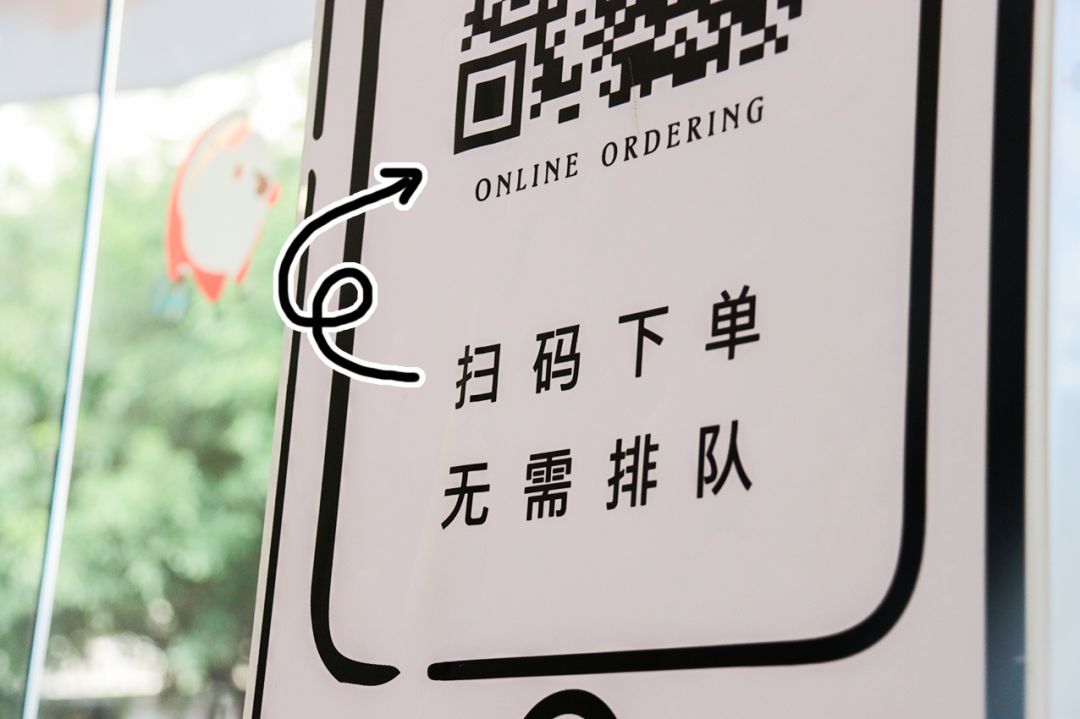
Nowadays, no matter which milk tea shop or convenience store you walk into, you will be guided to scan a QR code, follow an official account, log into a mini-program account, or register as a member, and may even be asked to provide a series of unnecessary information such as your name, phone number, address, and ID number. This inevitably makes people suspect: have the same people who pestered passersby on the street for surveys and personal data a dozen years ago simply changed locations?
Must technological development come at the cost of sacrificing personal privacy? Even buying a cup of milk tea requires leaving your phone number and name. Is this to make it convenient to resell customer information before closing and liquidating the store, so that certain educational institutions can call and harass customers to sign up for classes?
In the face of this chaos, the Personal Information Protection Law officially took effect in November this year, and its upper limit for penalties is far higher than the provisions of the Consumer Rights Protection Law. It is hoped that the increased severity of penalties will make some milk tea shops more cautious when casually collecting and managing consumers' personal information. After all, no one wants to receive inexplicable sales calls and text messages.
The above content is compiled by CoffeeHunters, a coffee news website.


