







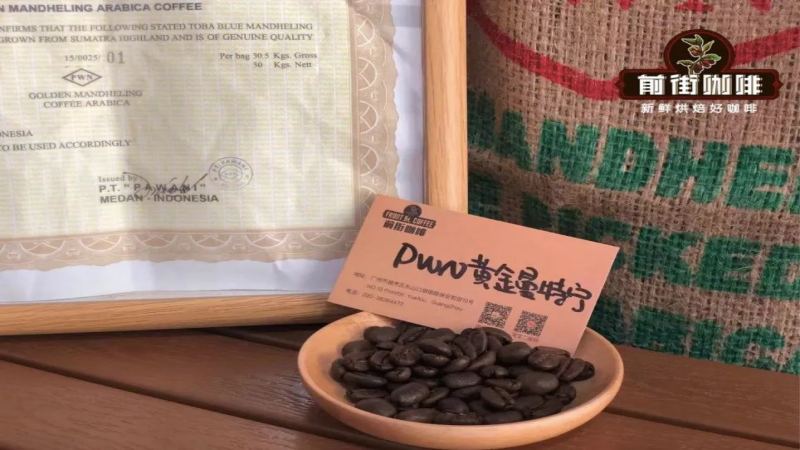
How does golden mandheling differ from Lintong Mandheling?
Both Lintong Mandheling and Golden Mandheling come from Sumatra, use the region's wet-hulling process, and reach G1 grade, but they differ in origin, variety, and flavor. Mandheling is not a place or a variety name at all; it comes from an ethnic group name in Indonesia that later became a label for coffee from the island of Sumatra.
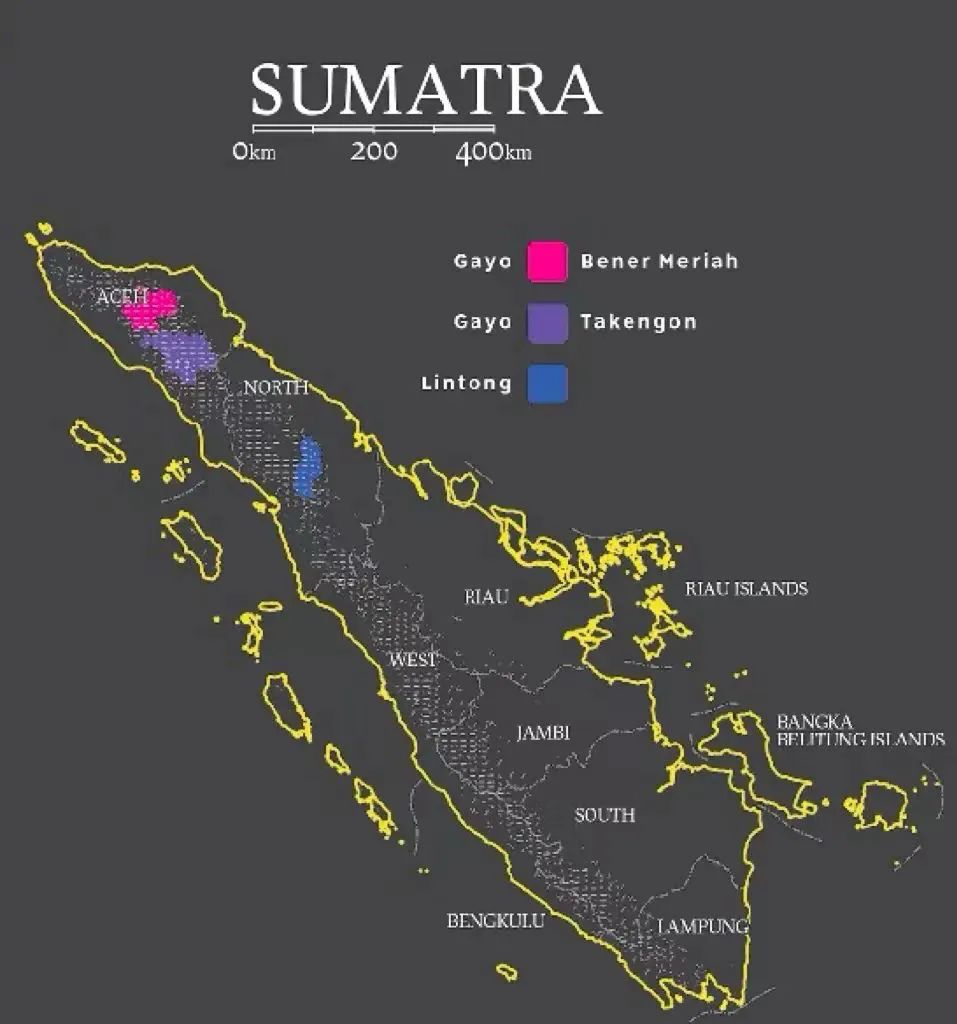
Sumatran Mandheling is grown mainly in Aceh around Gayo and Lake Tawar, and in North Sumatra around Lake Toba. Lintong Mandheling comes from the Lintong area south of Medan at 1,100 to 1,600 meters, while Golden Mandheling from PWN is set apart by strict hand-sorting standards that define its quality tier.
Sumatra Mandheling coffee from Indonesia is famous for its rich and mellow flavor, among which Lintong Mandheling and Golden Mandheling are two common items on the Front Street Coffee menu. Both use the region's unique wet-hulling process and both reach G1 grade, yet they differ in origin, variety selection, and final flavor profile. This article will sort out the specific differences between these two coffees from the perspectives of the origin of the Mandheling name, the main producing regions of Sumatra, the reasons behind the wet-hulling method, and PWN's strict hand-sorting standards for Golden Mandheling, helping coffee lovers more clearly understand the origin and quality tiers of Mandheling coffee.
In Indonesia, the most representative coffee is undoubtedly Mandheling from the island of Sumatra, long noted for its full-bodied, rich aromatic flavor. Front Street Coffee currently offers two Mandhelings: one is the Lintong Mandheling from the entry-level selection series, and the other is the Golden Mandheling produced by PWN. For this reason, customers often ask just how these two differ when both are called Mandheling.
What exactly does Mandheling coffee refer to? "Mandheling" is neither a producing region name, nor a place name, nor a coffee variety name. In fact, Mandheling is the name of an ethnic minority in Indonesia, later used as a coffee bean name due to a series of misunderstandings. Today, Mandheling has evolved into an alternative name for coffee from the island of Sumatra.
On the island of Sumatra, Mandheling coffee is mainly grown in the northwest of the island, concentrated in the Special Region of Aceh (Nanggroe Aceh Darussalam) and North Sumatra Province. Specifically, it is mainly distributed around the Gayo and Lake Tawar area in Aceh, and around Lake Toba in North Sumatra Province. These places have high-altitude mountains, fertile volcanic soil, and abundant water, providing quite ideal conditions for the growth of Arabica coffee.
Lintong Mandheling comes from the Lintong coffee-producing area in the Lake Toba region. This area is located south of Medan, the capital of North Sumatra Province, and is a long-established Mandheling coffee-producing area. The coffee is mainly grown in the mountains at altitudes of 1,100 to 1,600 meters around Lake Toba.
Front Street's Lintong Mandheling comes precisely from this area, using the Ateng variety (the local name for Catimor), and is processed with the highly regional wet-hulling method. The emergence of wet hulling is closely related to the frequent typhoons and humid, rainy climate of the area, and can be said to be a processing method developed to suit local conditions. After such processing, this Lintong Mandheling presents herbal and dark chocolate flavors when brewed, with a caramel-like, mellow mouthfeel and a relatively prominent sweet aftertaste.
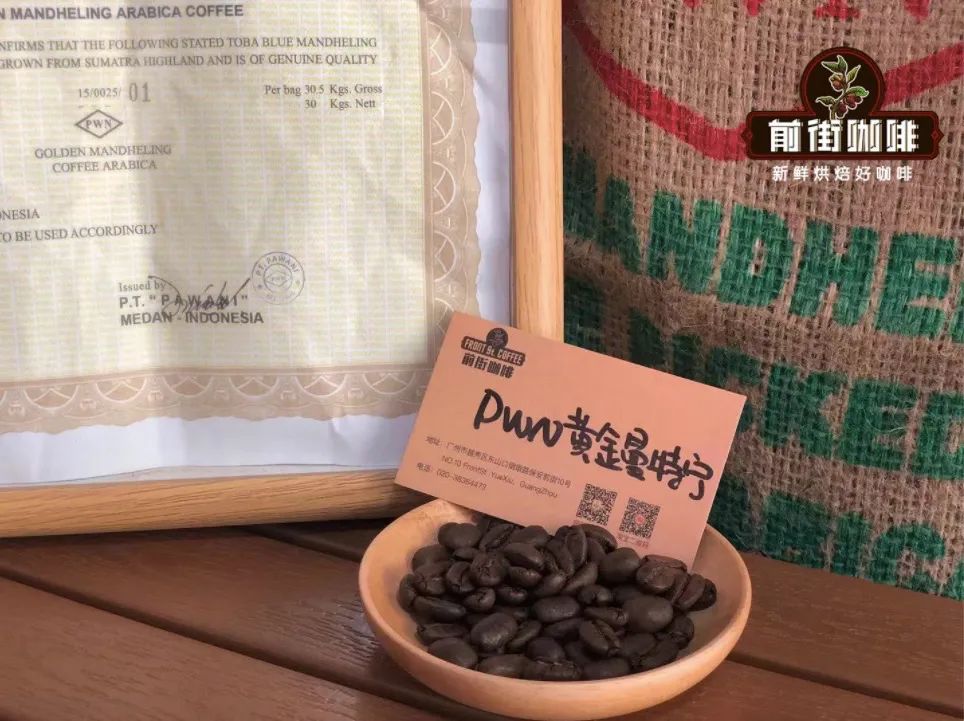
Golden Mandheling represents the higher-quality category of Mandheling. Front Street's Golden Mandheling is produced by the well-known Indonesian export trading company PWN (N.V. Pawani Medan Company). This company purchases high-quality Mandheling coffee locally in Indonesia and controls the finest Mandheling resources in the area.
At the same time, because Mandheling products on the market are numerous and varied, PWN registered the English name "Golden Mandheling" as its trademark in order to differentiate its product and prevent misuse of the name. Therefore, only the Golden Mandheling coffee produced by PWN counts as true Golden Mandheling.
PWN initially used Mandheling coffee from the Lintong producing area, and later shifted to Mandheling from the Gayo producing area. The name of the Gayo producing area comes from the local Gayo people, and the area is located in the mountains of Aceh Province at altitudes of 1,300 to 1,600 meters. It is best known for the coffee grown around Lake Tawar. Although Lake Tawar is smaller than Lake Toba, in recent years it has surpassed Lake Toba in coffee varieties and output.
In addition, according to Indonesian national standards, the grading of green coffee beans is mainly based on defect count, with the highest grade being G1. Both Lintong Mandheling and Golden Mandheling belong to the G1 grade, but after purchasing G1 coffee beans, PWN also arranges three rounds of manual hand-sorting to remove defective beans, smaller beans, and beans with poor appearance, leaving only large, plump beans with fewer defects. This practice improves the quality and cleanliness of the coffee and also makes PWN's Golden Mandheling noticeably more expensive than other Mandhelings.
Front Street's Golden Mandheling, like the Lintong Mandheling, uses the Ateng variety and the wet-hulling process, but the two come from different producing areas, and the Golden Mandheling has undergone stricter sorting, so the price naturally differs. When tasted, Golden Mandheling carries flavors of toasted bread, pine, caramel, and cocoa; its mouthfeel is cleaner than that of Lintong Mandheling, and it is overall rich and mellow with more layered complexity, while the caramel-like sweetness in the finish is also more ample.
To learn more about coffee origins and information, please scan the QR code to follow: Kapin
Long-press the QR code to follow:
TRANSLATE with
x
English
TRANSLATE with
COPY THE URL BELOW
Back
EMBED THE SNIPPET BELOW IN YOUR SITE Bing Webmaster Portal
Back
The above content is compiled by CoffeeHunters, a coffee news website.


