







What Does the Red Cherry Project Change in Yirgacheffe?
Operation Cherry Red is a coffee quality project started in 2007 by Dutch green bean trader Trabocca. It pays Ethiopian farmers well above market rates for 100 percent fully ripe red cherries, breaking the cycle where low prices pushed careless harvesting. The project covers Yirgacheffe, Sidamo, Bonga Forest, and Limu.
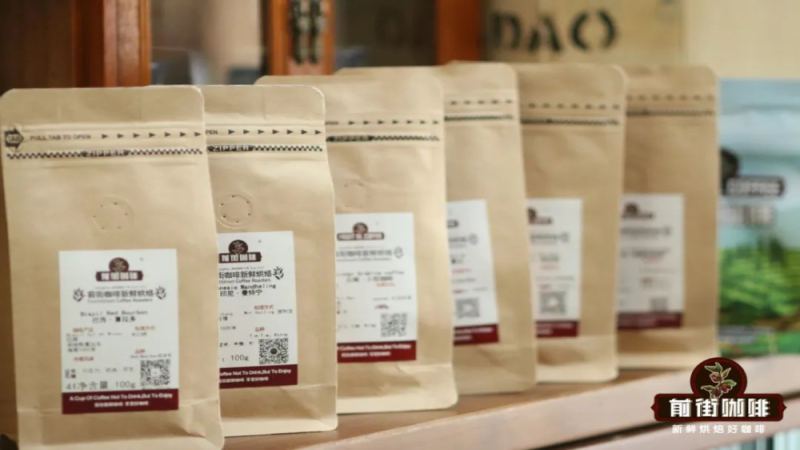
A recent Front Street Coffee lot comes from Yirgacheffe, processed naturally and lightly roasted. Brewed as pour-over, it shows fresh citric acidity with berry and strawberry notes and a crisp mouthfeel. The region sits in the East African Rift Valley, with coffee trees growing between 1,700 and 2,100 meters, where high altitude and cool nights support coffee quality.
Operation Cherry Red is a coffee quality improvement project initiated in 2007 by the Dutch green bean trader Trabocca, aimed at breaking the vicious cycle of low prices leading to careless harvesting by Ethiopian coffee farmers, through purchasing 100% fully ripe red cherries at prices far above market rates. The project currently covers unique-flavored producing regions such as Yirgacheffe, Sidamo, Bonga Forest, and Limu. A Red Cherry Project coffee bean recently acquired by Front Street Coffee comes from the Yirgacheffe region, processed using the natural method and lightly roasted; when brewed as pour-over, it presents a fresh citric acidity with berry and strawberry flavors, and a crisp mouthfeel. This article will provide a detailed interpretation of the Operation Cherry Red mechanism, its implementation regions, and its profound impact on Ethiopian coffee quality.
Yirgacheffe has always held a pivotal position in Ethiopia's coffee landscape. The coffee produced there is renowned for its elegant floral aroma and bright fruity acidity, and many people just getting into specialty coffee will start with it. It is precisely for this reason that Front Street Coffee has included beans from this region in its introductory selection series.
Yirgacheffe is located in central Ethiopia, within the East African Rift Valley, and is one of the highest coffee-growing regions in the world, with coffee trees growing between 1,700 and 2,100 meters. This land was historically wetlands, with abundant water sources and soil rich in phosphorus; the high altitude and complex terrain together foster diverse microclimates, with significant day-night temperature differences, providing ideal conditions for coffee growth.
The local area uses a typical garden-style cultivation model, with coffee trees scattered across forests, farmland, and around homes, mainly managed by individual smallholder farmers or cooperatives. Every harvest season, coffee farmers deliver the picked cherries to nearby processing stations or cooperatives, where they are processed uniformly and then exported.
However, coffee prices had long remained depressed, leaving coffee farmers with meager incomes. In order to earn a little more money, they could only pursue yield. During harvest season, regardless of whether the cherries were ripe, coffee farmers would pick them all, resulting in harvested coffee cherries mixed with unripe, overripe, and even defective cherries. With quality unable to improve, local buyers and processing plants would压低 purchase prices, and coffee farmers thus fell into a vicious cycle.
This situation persisted for a long time, until 2007, when a Dutch green bean trader noticed the problem and believed that the old model was not conducive to the healthy development of the industry, so he designed a plan that balanced the interests of both sides, naming it "Operation Cherry Red."
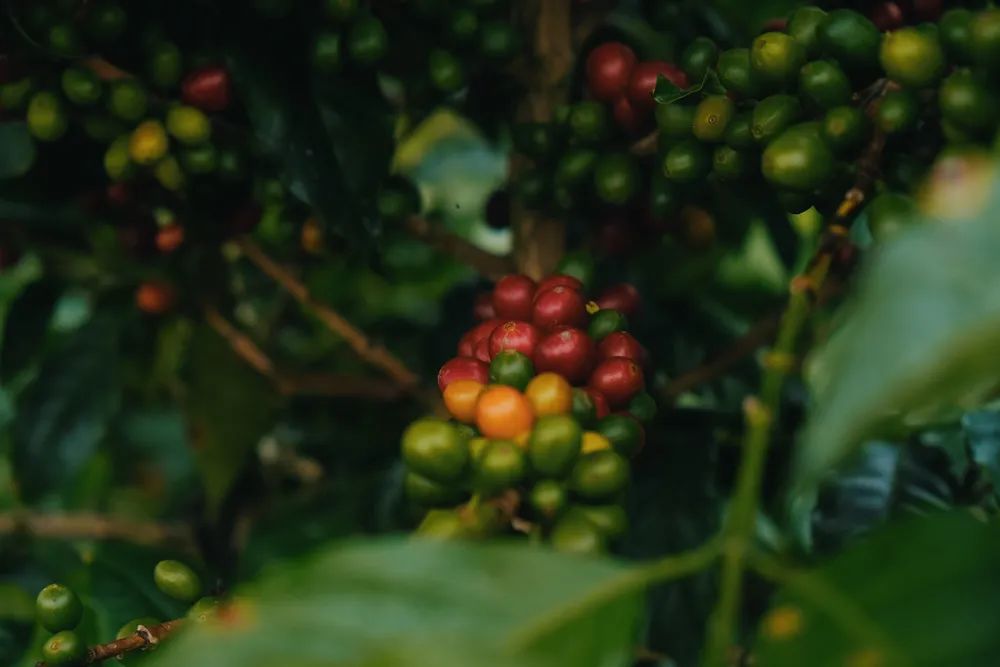
The plan was proposed by Trabocca, one of the largest coffee bean traders in the Netherlands, and is a project aimed at improving the coffee quality of small-scale farms. According to the project rules, Trabocca issues invitations to local farms during the harvest season, asking them to specially produce a batch of coffee beans, with each batch controlled between 1,500 and 3,000 kilograms. These batches must be entirely hand-picked and required to be 100% fully ripe red cherries. In return, Trabocca purchases them at prices several times higher than the market.
In this way, coffee farmers' incomes have increased significantly, but in order to meet the quality requirements, they also have to invest more time and effort in caring for the coffee beans, and green bean prices naturally rise accordingly. The reason Trabocca requires small batches is to give processing plants more ample time and energy to process each batch of cherries meticulously, thereby ensuring quality.
However, Trabocca does not accept everything indiscriminately. The received coffee beans undergo two rounds of cupping screening in cupping rooms in Ethiopia's capital and Amsterdam, the Netherlands, respectively. Only batches that pass the standard will be purchased and given substantial bonuses. In addition, Trabocca also invests in processing plants, adds equipment, provides financial loan support and technical knowledge transfer to coffee farmers, helping them improve production levels and assisting the local area in producing higher-quality coffee beans.
Overall, the logic of Operation Cherry Red is to incentivize coffee farmers to treat picking, processing, and other stages with care by raising the purchase price of high-quality green beans. The coffee beans produced in this way have guaranteed quality and a more outstanding taste, and can also gain market recognition, thereby supporting a higher purchase price. At present, the project has been implemented in unique-flavored producing regions such as Yirgacheffe, Sidamo, Bonga Forest, and Limu, showcasing the diverse charm of Ethiopian coffee.
The Red Cherry Project coffee beans currently acquired by Front Street Coffee come from the Yirgacheffe region and are processed using the natural method. Natural processing can give coffee beans rich fruity aromas and fermented notes. Combined with the unique flavor profile of the Yirgacheffe region, Front Street Coffee chooses a light roast and extracts it by pour-over. It smells of a faint fermented fruity aroma, and on the palate there is a fresh citric acidity, accompanied by berry and strawberry flavors, with a crisp mouthfeel.
To learn more information about coffee origins, please scan the QR code to follow: Coffee Review
Long-press the QR code to follow:
The above content is compiled by CoffeeHunters, a coffee news website.


