







Search Results for: Project Sunrise
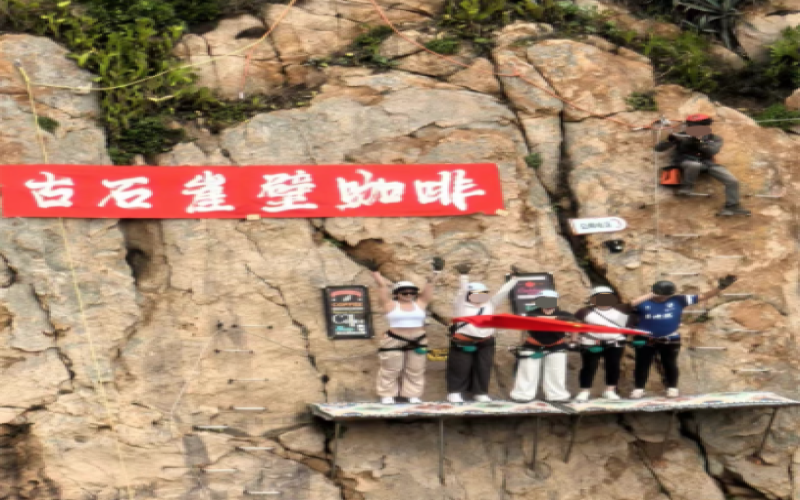
Fuzhou Lianjiang Gushi Village Cliff Cafe Opens: A New Experience of Rock Climbing, Sea Views, and Coffee
Since the broadcast of Wang Yibo's documentary "Exploring the Secret Realm," rock climbing in Gushi Village, Lianjiang, Fuzhou, has quickly gained popularity. Nowadays, while experiencing cliff climbing, visitors can also check in at a café built on the cliff, where they can savor aromatic coffee while gazing at the sea view of the Matsu Islands in the distance. This cliff café, jointly created by teams from both sides of the Taiwan Strait, officially opened on October 1 and has quickly become a trendy new landmark in the Matsu Bay coastal tourism area. This article will introduce this innovative project that blends outdoor adventure with coffee culture, as well as the story and features behind it. [more…]

Instagram-famous photo spot at Meili Snow Mountain taken over by cafe for paid access; unlicensed business ordered to suspend operations for rectification
A viral photo spot at Meili Snow Mountain in Yunnan, known as "a scallion plucked from dry land," has recently been exposed as being cordoned off by a local café, requiring tourists to make a purchase before they can enter to take photos, sparking discontent among outdoor enthusiasts who reported it. After investigation, the local market supervision bureau confirmed that the café has no business license and has ordered it to suspend operations for rectification. This free viewing platform near the Feilaisi observation deck became famous for offering views of the magnificent scene of golden sunshine on the snow mountain, but has now become embroiled in controversy due to commercial activity. The incident has also raised public concerns about damage to the natural environment and safety hazards. [more…]
A Complete Analysis of Bolivian Coffee Estates: Terroir and Varieties — From San Angel to Illimani, the Flavors of Specialty Beans
Bolivia, with its high altitudes and tropical climate, has become a coffee origin that cannot be overlooked in the specialty coffee world. This article takes an in-depth look at several representative estates in the country—San Angel, Sugar Mill, Castle Ruins, Brugmansia, Wish, Alpaca, Provincial Eagle, and more—covering the cultivation stories and flavor characteristics of varieties such as Typica, Caturra, Java, and Geisha, and explaining how the Sunrise Project helps local coffee farmers improve quality. Front Street Coffee also continues to follow the unique performance of these estates. [more…]
Flavor Analysis of Bolivian Washed Coffee Beans: Cocoa Natural Processing and the Rise of the Specialty Industry
Bolivia's specialty coffee has risen prominently in recent years, and behind this success are the efforts of Agricafé and the Sol de la Mañana program. This article will guide you through the unique flavors of Bolivian washed coffee—a blend of rich floral aromas and juicy acidity, accented with notes of lemon and papaya; it also introduces the taste differences brought by the可可 natural process. From Caturra and Catuai varieties to the growing environment at 1,800 meters, as well as the smallholder production system and domestic sales tradition, we will also share Front Street Coffee's observations and recommendations on Bolivian coffee, helping you fully appreciate the charm of this South American origin. [more…]
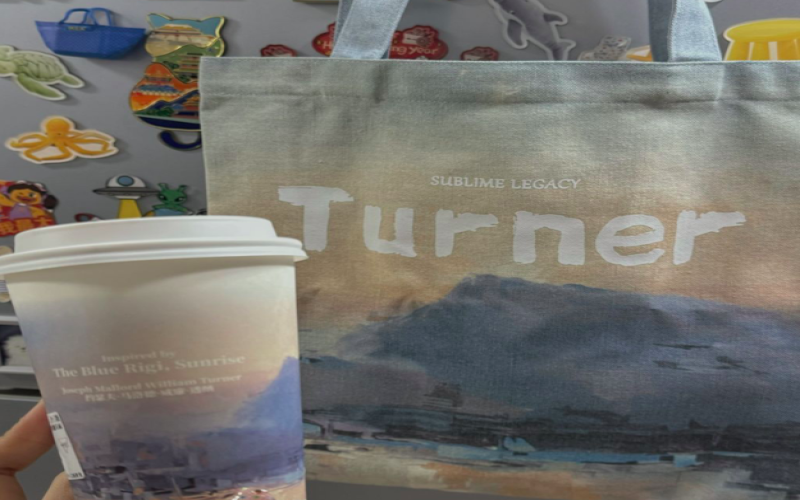
Manner's new co-branded burnt caramel latte sparks discussion: merchandise in high demand, some consumers report stomach discomfort after drinking
Manner has once again teamed up with the Museum of Art Pudong to launch a limited-edition canvas tote bag and a burnt caramel-flavored latte inspired by Turner's masterpiece "The Blue Rigi, Sunrise," drawing crowds of fans eager to snap them up. However, the new product has sparked a different kind of discussion on social media: many consumers report experiencing diarrhea, vomiting, and other gastrointestinal discomfort after drinking it, with some suspecting the thick milk and other ingredients or the icy drink's stimulation are to blame. Pretty as the merchandise may be, the coffee-drinking experience has put some people off—some even jokingly call it a "laxative miracle." This article sorts through how the incident unfolded and presents feedback from multiple sides. [more…]
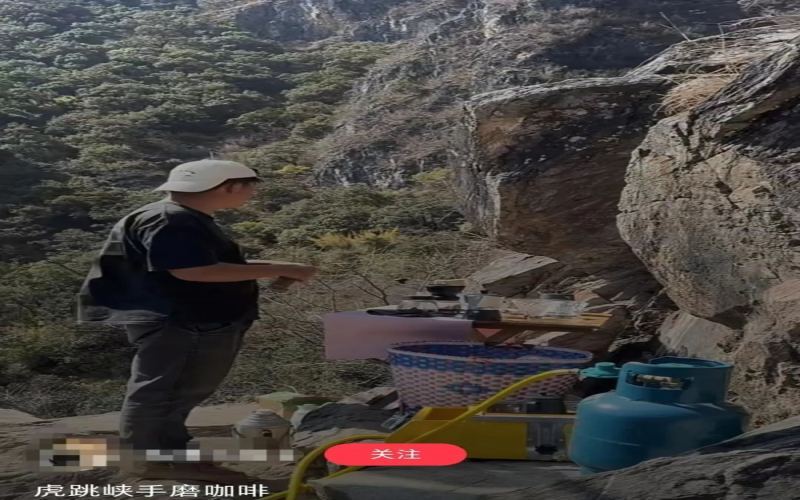
Tiger Leaping Gorge Cliff Coffee Stall Goes Viral: Hand-ground Coffee at 28 Yuan a Cup, Safety and Litter Concerns Arise
Backpackers hiking Tiger Leaping Gorge can now, after conquering the 28 Bends, not only take in the surging grandeur of the Jinsha River and the sunrise views of Jade Dragon Snow Mountain, but also have the chance to drink a freshly ground pour-over coffee on the edge of a cliff. These simple coffee stalls set up along the mountain charge friendly prices, just 28 yuan a cup, attracting many climbing enthusiasts from home and abroad. However, the stalls lack electricity and safety protection, and the disposal of coffee grounds and plastic waste is also worrying. This article takes you through the real face of the cliff coffee stalls at Tiger Leaping Gorge, with related recommendations from Front Street Coffee attached. [more…]

Starbucks × Mayday StayReal Collaboration Sparks Buying Frenzy, Fans Queue Overnight for Limited-Edition Merchandise
Starbucks partnered with Stayreal, the streetwear brand co-founded by Mayday lead singer Ashin and Taiwanese artist No2Good, instantly igniting the enthusiasm of the band's fans and netizens alike. The online limited-edition themed cups were snapped up by tens of thousands of people the moment they went on sale, with the official app and mini-program lagging due to overwhelming traffic. Some users failed to complete payment and missed out on the cups they wanted, sparking complaints. Meanwhile, the limited-edition Starbucks gift sets released at physical stores, thanks to their relatively low threshold for acquisition, attracted a large number of fans who queued up with stools in the early hours of the morning. This collaboration craze showcased the fans' frenzy while also exposing the inadequate capacity of online channels and the controversy over offline queuing rules. [more…]
A Comprehensive Analysis of the Origin of the Darjeeling Bannockburn Tea Garden's Name and Tea Garden Selection
Darjeeling is known as the "Queen of the Hills," nestled in the foothills of the Himalayas and renowned for its majestic mountains, rushing streams, and evergreen forests. Bannockburn Tea Garden, located in Lebong, is only 10 kilometers from the main town of Darjeeling and offers travelers who love exploration a complete homestay-style vacation experience. Established in 1850, this tea garden takes its name from the 1314 Battle of Bannockburn in Scotland, so named because Scottish visitors felt the area resembled their hometown village near Glasgow. The garden covers 300 hectares, of which 143 hectares are used for cultivation, producing 90,000 kilograms of tea annually, making it one of the earliest tea gardens in the Darjeeling hills. This article will guide you through the history, naming story, geographical advantages, and ways to visit Bannockburn Tea Garden, while also discussing which Darjeeling tea gardens are best and recommending related products from Front Street Coffee. [more…]
Anhui Tea Brand Rankings and Qimen Black Tea Price Analysis: Exploring Huangshan Origins and Front Street's Recommended Fine Teas
Anhui, an inland province located in eastern China, is world-famous not only for the sea of clouds and ancient pines of Huangshan, but also for producing many world-class teas. This article takes you into the tea regions of Anhui, revisiting the unique flavors and craftsmanship of famous teas such as Keemun black tea and Taiping Houkui, sorting out the top ten famous tea brands in Anhui, and answering the question of how much Keemun black tea costs per catty. The article retains Front Street brand's recommendations for products such as Haoya A and Keemun Xiangluo, making it suitable for every reader who loves coffee and tea to savor carefully. [more…]
Exploring Bolivia's Tomorrow's Sun Project: The Flavor Story and Single-Origin Recommendation of Washed Caturra Coffee Beans
In a recent cupping session, we had the privilege of tasting two rare coffees from Bolivia—the washed Caturra from the Project El Sol de Mañana. Though this landlocked South American nation has endured many challenges, it has nurtured a distinctive specialty flavor. This article will take you back through the turbulent history of Bolivian coffee, explore how the Rodriguez family reversed the industry's decline through the Project El Sol de Mañana, and share Front Street Coffee's single-origin recommendations for this unique region. Whether you are a seasoned enthusiast or a curious explorer, you will feel the resilience and sweetness this land imparts to its coffee. [more…]
Yirgacheffe Red Cherry Natural Coffee: Terroir, the Red Cherry Project, and Flavor Analysis
Yirgacheffe is one of the highest-altitude specialty coffee regions in Ethiopia, and its unique terroir cultivates a coffee flavor woven with floral and fruity notes. The Red Cherry Project was launched in 2007 by the Dutch green bean trader Trabocca, aiming to improve the quality of smallholder farms by hand-picking 100% ripe red cherries. Front Street Coffee's Natural Red Cherry performs in a balanced way in terms of ripeness and cleanliness, using a light-medium roast to highlight floral notes, fruity acidity, and fermented sweetness. This article will sort out the background of the Yirgacheffe production area, the working method of the Red Cherry Project, and introduce the specific flavor characteristics of Front Street Natural Red Cherry. [more…]
Yirgacheffe Red Cherry Project Flavor Analysis: A Complete Tasting Guide from Dry and Wet Aroma to Slurping
The Red Cherry Project is a coffee quality improvement initiative launched in 2007 by Dutch trader Trabocca, aimed at incentivizing coffee farmers to produce high-quality micro-lot coffee and offering generous returns. This article provides a detailed analysis of the dry aroma, wet aroma, and slurping flavor characteristics of Front Street Coffee's Yirgacheffe Red Cherry Project, introduces the project's operating mechanism and quality standards, explores the unique discoveries of the Liko washing station, and reviews the classic appeal of Yirgacheffe as a representative of East African specialty coffee. [more…]
Red Cherry Project Roast Profile and Processing Method Flavor Guide: Cupping Performance and Brewing Key Points of Ethiopian Natural Beans
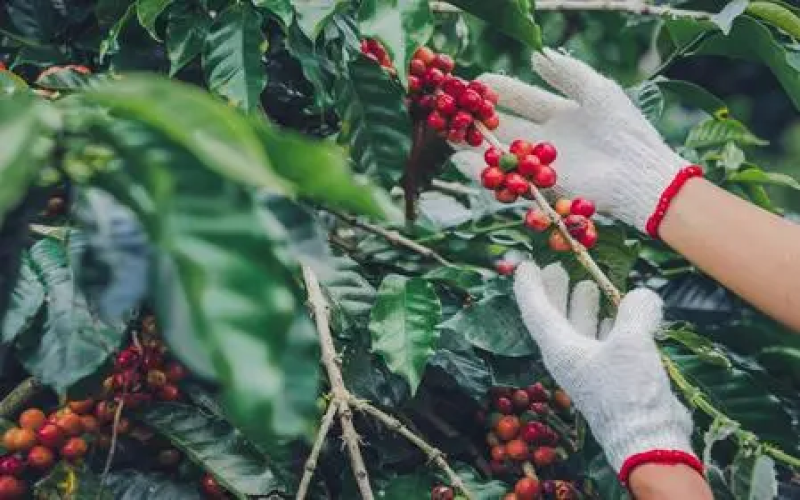
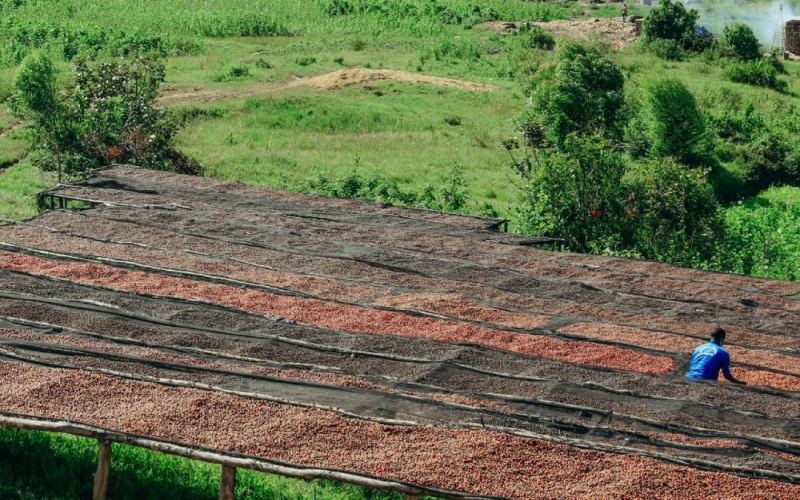
The Operation Cherrie Red (ORC) is a quality improvement project initiated by Trabocca, the largest coffee bean trader in the Netherlands, aimed at encouraging small-scale farms in Ethiopia to produce higher-quality coffee beans. Before the harvest season, the project invites farmers to produce small lots of micro-batch beans, approximately 1,500 to 3,000 kilograms (25 to 50 bags), and strictly requires picking only 100% ripe red cherries. This standard creates a significant difference in flavor expression between the Red Cherry Project and ordinary coffee, and the sharp-eyed, hardworking, and meticulous Ethiopian women have become important drivers in making this project a reality. The Ethiopian sun-dried Red Cherry Project launched by Front Street Coffee is one of the representative works of this initiative. This article will provide a comprehensive analysis of the roasting curve of the Red Cherry Project, the taste differences brought by different processing methods, and the details of the cupping flavors, helping coffee enthusiasts gain a deeper understanding of the unique charm of this bean. [more…]
Philippine Coffee Industry Achieves Breakthrough: ACDI/VOCA Partners with WCR to Complete Five-Year Project, Legally Introduces New Arabica Varieties for the First Time
Recently, the five-year Philippine Coffee Advancement and Farm Enterprise (PhilCAFE) project, funded by the United States Department of Agriculture and implemented through a partnership between ACDI/VOCA and World Coffee Research (WCR), has officially concluded. Launched in 2019, the project aimed to improve coffee production and quality, empower farmers, and support the skills development of national researchers and producers. The project legally introduced new Arabica varieties to the Philippines for the first time, established 18 on-farm technical trials and 2 coffee variety trial sites, paving the way for innovation in the Philippine coffee industry. Front Street Coffee notes that this initiative is expected to help the Philippines cope with climate change-induced yield declines and provide farmers with more high-yielding, climate-resilient, and pest- and disease-resistant variety options. [more…]
How the Red Cherry Project Rewrote the Quality Logic and Flavor Landscape of Ethiopian Yirgacheffe
Ethiopia is the birthplace of Arabica coffee, and Yirgacheffe is one of the most proud producing regions of this country. The specialty coffee produced here often does not cling to variety classification, but instead uses origin information and processing method as the core criteria for identification. Front Street Konga Red Cherry is a classic single-origin coffee from Yirgacheffe, presenting a flavor interwoven with berries, honey, black tea, and fermented notes through a refined natural process. This article begins with the harvesting method of coffee cherries, traces back to the Red Cherry project initiated in 2007 by the Dutch green bean merchant Trabocca, and analyzes how it broke the old cycle of "valuing weight over quality," promoted Ethiopian coffee toward specialization through fully manual picking of all-red cherries, small-batch production, and high cupping thresholds, and profoundly influenced the quality expression of producing regions such as Yirgacheffe. [more…]
What Is the Yirgacheffe Red Cherry Project? A Detailed Guide to Water Temperature and Brewing Parameters for Natural Yirgacheffe Pour-Over
Yirgacheffe is known for its jasmine aroma and citric acidity, making it an entry-level origin for many coffee lovers. The washed processing method has long dominated since its introduction in the 1970s, while in recent years the natural processing method has made a strong comeback, with the Red Cherry Project being one of its representative initiatives. This project, launched in 2007 by the Dutch trader Trabocca, incentivizes Ethiopian farmers to improve coffee quality through equipment investment, technical support, and an 88-point cupping threshold. Front Street Coffee's bean list also includes natural Red Cherry coffee beans from this project. This article will trace the origins and development of the Red Cherry Project and share Front Street Coffee's recommended pour-over water temperature and complete brewing parameters for Yirgacheffe natural beans. [more…]
What is the Yirgacheffe Red Cherry Project? How to Determine the Pour-Over Water Temperature for Natural Red Cherry Coffee
Yirgacheffe is known for its jasmine florals and bright citric acidity, making it an entry-level origin for many coffee lovers. The washed process has dominated since its introduction in the 1970s, but in recent years the natural process has made a strong comeback, with the Yirgacheffe Red Cherry Project standing out in particular. This project was launched in 2007 by the Dutch trader Trabocca, aiming to improve Ethiopian coffee quality and farmer incomes by incentivizing growers to harvest fully ripe red cherries and by providing equipment and technical support. Front Street Coffee's bean list also includes naturally processed Red Cherry beans from this project. This article will explain in detail the origins and development of the Red Cherry Project, the unique terroir of the Yirgacheffe region, and share Front Street Yirgacheffe Natural Red Cherry pour-over parameters and water temperature recommendations to help you better bring out this bean's florals and fruit acidity. [more…]

Yirgacheffe Liko Cooperative Natural Coffee Beans: Flavor Charm and Pour-Over Performance Under the Red Cherry Project
In Kochere, within Ethiopia's Yirgacheffe region, there is a naturally processed coffee from the Liko Cooperative that, thanks to a high-altitude growing environment above 1,850 meters and traditional sun-drying, displays delicate acidity and outstanding sweetness. Although officially graded G3, the green beans' actual appearance is close to G1 quality, and the roasted beans are plump and uniform with rich layers of flavor. This lot was selected through Dutch trader Trabocca's Red Cherry Project and once scored 93 points on Coffee Review. This article will walk you through the Liko Cooperative's background, how the Red Cherry Project operates, and this lot's green bean data and cupping flavors. Front Street Coffee will also share pour-over recommendations to help you fully bring out its alluring blend of jackfruit, mango, ripe peach, and berry notes. [more…]
Ethiopia Partners with UNDP to Launch $20.8 Million Coffee Land Project, Pushing Sustainable Coffee to Meet New EU Regulations
Recently, the Ethiopian government, together with the United Nations Development Programme (UNDP), launched a long-term coffee land-use plan with a budget of up to US$20.8 million, aimed at curbing deforestation, promoting the sustainable development of the coffee industry, and helping local coffee comply with the EU Deforestation Regulation (EUDR). The project, named FOLUR, is part of a US$345 million global initiative funded by the Global Environment Facility (GEF) and is planned to run from 2024 to 2031. The project covers 22 districts across four major regions, including Oromia and Sidama, and aims to restore 10,500 hectares of non-productive coffee forests and 60,000 hectares of key forest land, while improving the livelihoods of about 440,000 people. This move is not only related to the lifeline of Ethiopia's coffee exports—which account for 30-35% of its export earnings—but also provides key support for responding to the EUDR regulations that the EU is about to bring into effect. [more…]
What Exactly Is the Red Cherry Project? The Flavor Code and Brewing Essentials of Yirgacheffe Natural Beans
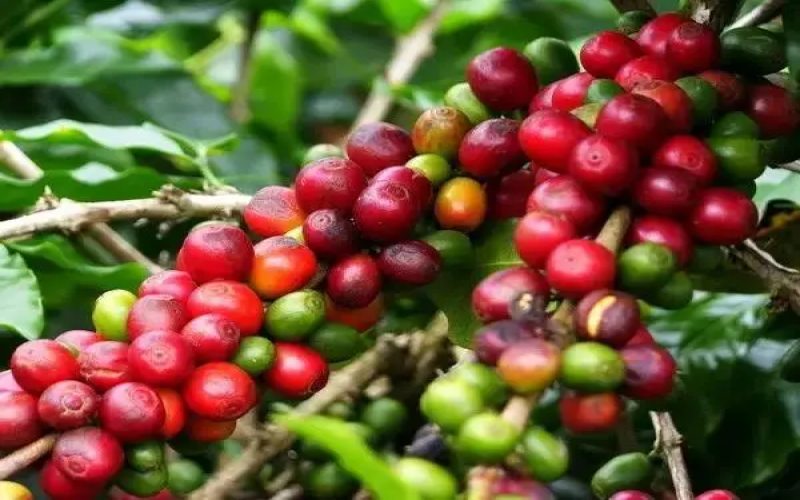
The "Red Cherry Project," which frequently appears on café menus, is often mistaken to mean that cherries have been added to the coffee, and some even claim to taste cherry flavor in it. In reality, the name comes from the dark red appearance of ripe coffee fruit, which resembles a cherry. The Red Cherry Action was initiated by the Dutch coffee merchant Trabocca, aiming to improve the coffee quality of smallholder farms in Ethiopia by strictly selecting fully ripe fruit. This article will provide a complete analysis of the origins, operating methods, and producing regions of the Red Cherry Project, and will focus on the Yirgacheffe Natural Red Cherry produced by Front Street Coffee, breaking down this bean's flavor performance and extraction logic one by one—from terroir and processing methods to roasting curves and brewing parameters—to help coffee lovers truly understand the value of Red Cherry coffee. [more…]