







How Does the Yirgacheffe Red Cherry Project Raise Coffee Quality?
The Yirgacheffe Red Cherry Project is a natural-processing initiative started in 2007 by the Dutch trader Trabocca. It pays Ethiopian farmers to deliver ripe cherries that reach an 88-point cupping threshold, in exchange for equipment investment and technical support. The result is a naturally processed Yirgacheffe lot with jasmine aroma and citric acidity, a profile the region is known for.
Yirgacheffe built its reputation on washed processing, introduced in the 1970s, before natural methods returned in recent years. That shift matters on the coffee farm, where selective picking of ripe cherries drives the cup score. For pour-over, natural Yirgacheffe beans typically call for a slightly lower water temperature and a steady, even pour to keep the jasmine note intact while the citric acidity stays bright rather than sharp.
Yirgacheffe is known for its jasmine aroma and citric acidity, making it an entry-level region for many coffee enthusiasts. Since the washed processing method was introduced in the 1970s, it has long dominated, while in recent years, the natural processing method has made a strong comeback, with the Red Cherry Project being a representative initiative. This project, launched in 2007 by the Dutch trader Trabocca, incentivizes Ethiopian farmers to improve coffee quality through equipment investment, technical support, and an 88-point cupping threshold. Front Street Coffee's bean list also includes naturally processed Red Cherry coffee beans from this project. This article will outline the origins and development of the Red Cherry Project and share Front Street's recommended pour-over water temperature and complete brewing parameters for Yirgacheffe natural beans.
The signature flavor of Yirgacheffe coffee is its elegant jasmine aroma and bright citric acidity. Front Street has also noticed that washed Yirgacheffe is the starting point for many people exploring specialty coffee. The introduction of the washed processing method to Yirgacheffe actually dates back to the 1970s—when Ethiopian authorities, aiming to improve green bean quality, introduced it to the region by referencing Latin American coffee post-processing methods. For a long time thereafter, Yirgacheffe was primarily washed processed. In recent years, however, natural processing has become popular again, and naturally processed beans have reappeared in the Yirgacheffe region.
Among the specialty natural beans that have emerged in Yirgacheffe in recent years, the Yirgacheffe Red Cherry Project is a highly representative one.
What exactly is the Yirgacheffe Red Cherry Project? Many friends have heard the name "Red Cherry," but few can clearly explain its origins and development.
Ethiopia is considered the birthplace of coffee, with a large number of ancient native coffee tree species distributed within its territory. At the same time, this country is not a wealthy developed nation; its agricultural and pastoral population accounts for 80% of the total population, and besides coffee, it also cultivates crops such as rapeseed, legumes, and wheat. The average annual coffee production is about 200,000 tons, making it an important pillar of local agriculture.
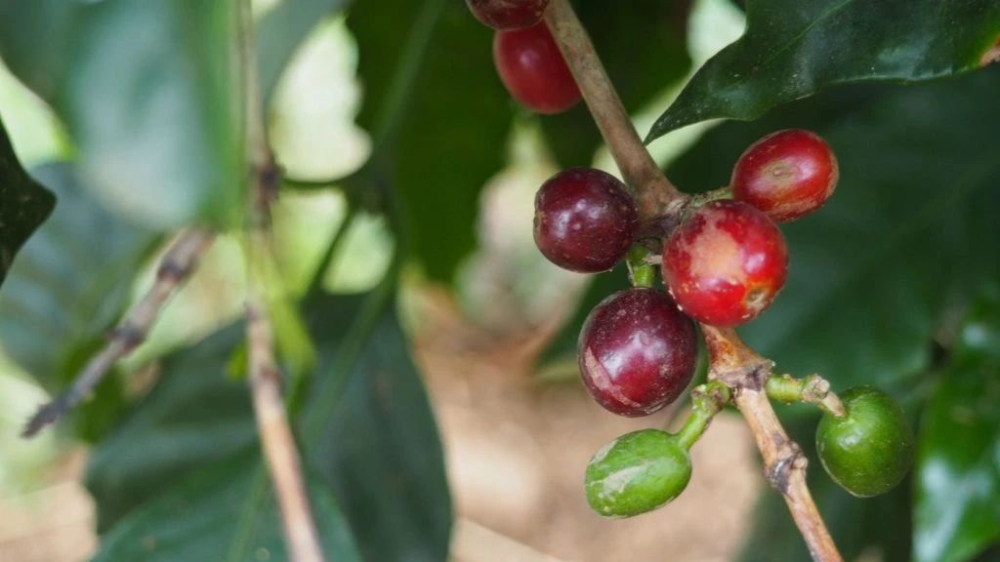
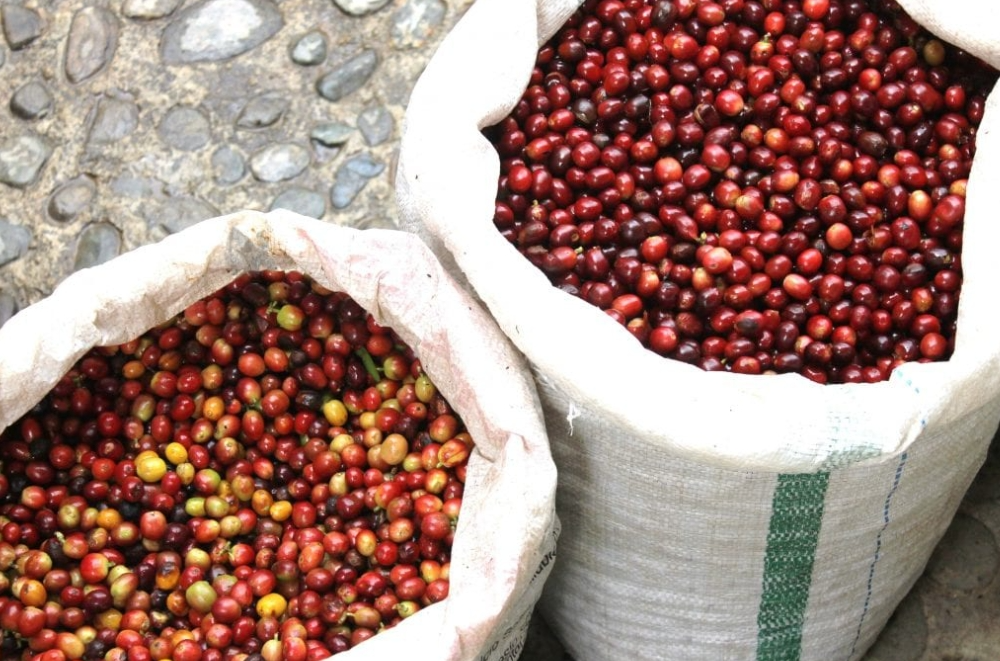
In order to help Ethiopian coffee farmers achieve better incomes and improve their living conditions, in 2007 the Dutch trader Trabocca, together with local farmers, launched the "OPERATION CHERRY RED PROJECT" Red Cherry Project. The core purpose of this project is to incentivize farmers to improve coffee bean quality. Each harvest season, Trabocca designates harvesting plans for specific microclimate zones, requiring all coffee cherries to be hand-picked at 100% ripeness, with production controlled between approximately 1,500 kg and 3,000 kg.
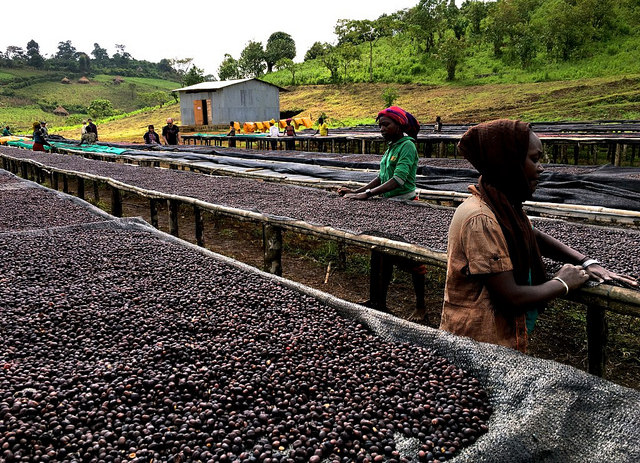
The Red Cherry Project invested $5,000 in 2008 to purchase new natural drying racks; in 2009, it invested another $8,000 to procure natural drying racks and shade nets; in 2010, it spent $9,000 to buy a generator; in 2011, it continued to invest $10,000 to improve some local coffee transport roads, making coffee transportation more convenient and efficient. In addition, Trabocca provided interest-free loans to help farmers purchase new coffee cherry pulpers and coffee bean sorting machines. To facilitate supplier procurement, in 2012 it invested another $14,000 to build a high-quality Addis Ababa coffee cupping laboratory.
Through financial loan support, new hardware equipment, and knowledge and technical assistance in production and processing, Trabocca helps farmers improve their production levels and promises: as long as the actual output quality meets the cupping standards in the Addis Ababa, Ethiopia and Amsterdam, Netherlands cupping rooms, it will purchase at a generous price. The passing threshold set by Trabocca is 88 points.
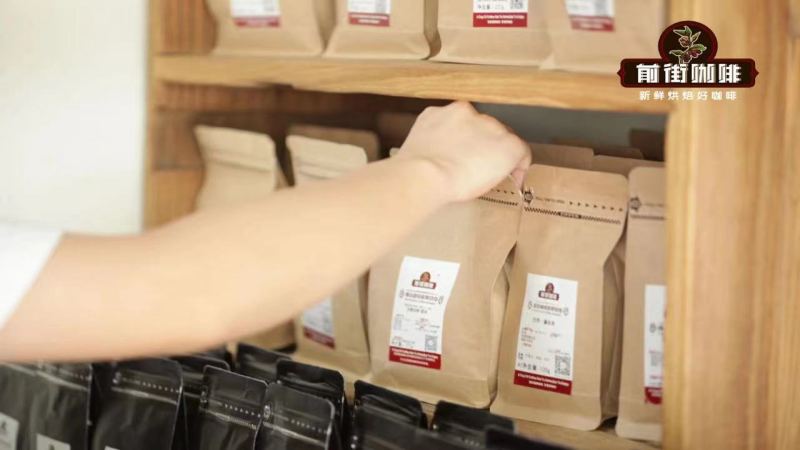
After processing at the origin, the coffee beans of the Yirgacheffe Red Cherry Project are immediately sealed in plastic inner bags (either GrainPro bag sub-packaging or vacuum box sub-packaging) and then transported to Djibouti to await shipping. Through real-time monitoring, safe transportation, and timely and appropriate handling, the pursuit of quality perfection is maximized. Roasters are also able to buy high-quality coffee beans thanks to the Red Cherry Project; after Ethiopian coffee quality improves, it can sell for better prices, and Trabocca then returns the profits to farmers for continuous improvement, forming a cycle of continuously improving quality. Front Street Coffee's bean list also features a coffee bean from the Yirgacheffe Red Cherry Project.
Front Street. Yirgacheffe Natural Red Cherry Coffee Beans
Region: Ethiopia, Yirgacheffe
Estate: Aletaland Estate
Altitude: 1,700–2,200 meters
Variety: Local native heirloom
Processing Method: Natural
During cupping, Front Street's Yirgacheffe Natural Red Cherry has a very clean and delicate mouthfeel, with obvious floral aromas, honey, a fine and long smooth texture, vanilla, soft cherry acidity, honey, premium hazelnut, white pomelo flavors, delicate sweetness, and a lingering finish where honey and cherry fruit acidity blend.
Yirgacheffe itself is a small town with a population of about 20,000. The three nearby small production areas of Wenago, Kochere, and Gelena Abaya are also classified under the Yirgacheffe regional category because the coffee flavors they produce are almost identical to those of Yirgacheffe. Whether from a cultural or geographical perspective, Yirgacheffe is similar to the neighboring Sidamo, but Yirgacheffe seems more favored, enjoying unique conditions. Top-grade Yirgacheffe coffee has floral aromas, bright citrus acidity, lemon-like notes, and a silky smooth mouthfeel.
The Yirgacheffe region was originally part of the Sidamo region, but anyone who has compared Yirgacheffe coffee with Sidamo coffee knows: Yirgacheffe has a fresh white floral aroma, while Sidamo leans more toward creamy berry acidity. It was precisely this white floral aroma that helped Yirgacheffe successfully break into the specialty coffee scene, and for a time many Ethiopian coffee farmers claimed their coffee beans were Yirgacheffe beans. Eventually, the Yirgacheffe region was separated out to become its own region.
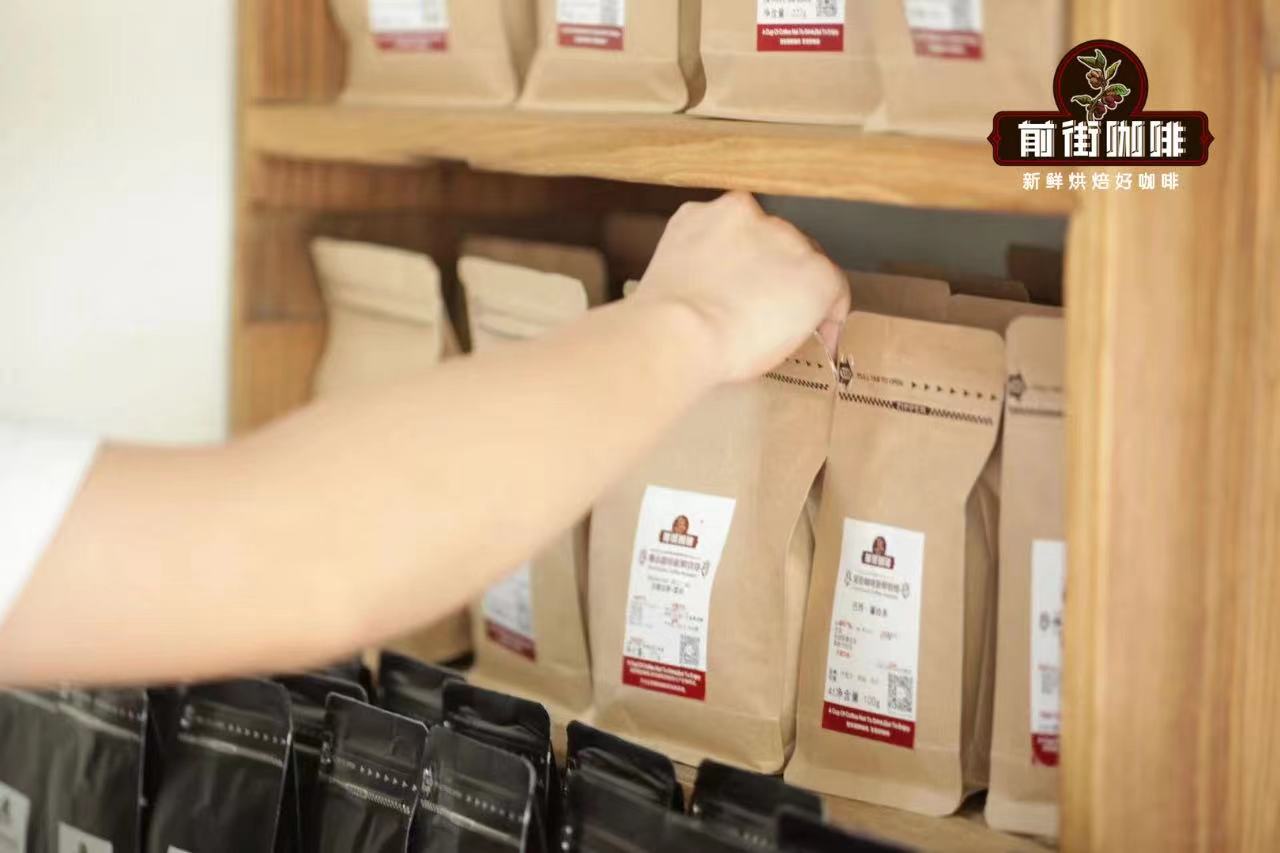
Front Street's bean list includes quite a few beans from the Yirgacheffe region, such as Natural Red Cherry, Washed Worka, Washed Kochere, and Washed Gudingding. The Yirgacheffe region is so unique and its flavors so alluring that Front Street naturally would not miss it and has long listed it as a representative in its daily-drinking bean series.
Front Street. Washed Yirgacheffe Coffee Beans
Country: Ethiopia
Region: Yirgacheffe
Altitude: 1,900–2,000 meters
Variety: Local native heirloom
Processing Method: Washed
When roasting these two Yirgacheffe coffee beans, Front Street Coffee's roasters used a medium-light roast in order to highlight the lemon and berry acidity and the fresh white floral aroma.
Front Street recommends using a finer grind when brewing these two lighter-roasted beans, to speed up the dissolution of substances in the coffee beans and better extract the pleasant fruit acidity and floral aroma. To avoid over-extraction caused by excessive temperature, you can choose a filter cup with a faster flow rate, such as the Hario-V60 filter cup most commonly used by Front Street.
Likewise, in order to increase the extraction yield and bring out the bright flavors of Front Street's Yirgacheffe, hot water at 91–93°C should be used. Brewing directly with boiling water is very likely to cause over-extraction, while water that is too low in temperature cannot reveal the delicate flavors the coffee should have.
Front Street brewing parameters:
Filter cup: Hario V60
Water temperature: 93°C
Coffee dose: 15 g
Coffee-to-water ratio: 1:15
Grind size: 80% passing through a No. 20 sieve
First, wet the coffee bed with water at twice the weight of the coffee grounds and let it bloom for 30 seconds; then, pour in a steady circular motion from the center outward with a slow stream until the water reaches 125 g, at which point begin staged pouring; as the coffee liquid drains, once the water level in the coffee bed is below half of the filter cup, pour the final 100 g of water in the same circular motion; after all the coffee liquid has dripped through, remove the filter cup, and finally swirl the coffee in the server to mix it evenly before enjoying.
The above content is compiled by CoffeeHunters, a coffee news website.


