







For more specialty coffee knowledge, please follow: Front Street Coffee (Frontsteet Coffee)
The moka pot is a coffee brewing device that is very close to an espresso machine, capable of producing rich, aromatic coffee with crema. It is deeply loved by Italian families. But for us, the moka pot is rarely encountered, so Front Street Coffee (FrontStreet Coffee) is sharing some knowledge about the moka pot.
The moka pot was invented in 1933 by the Italian Alfanso Bialetti. It brews coffee by heating from the base and is a type of distillation-style brewing. It is the most affordable among machines for making espresso-style coffee and is commonly used in Italian households.
How to use a moka pot to brew coffee?
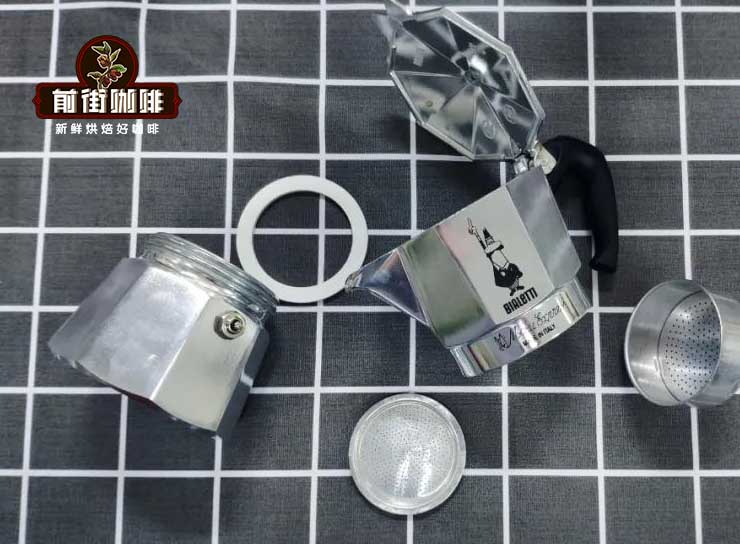
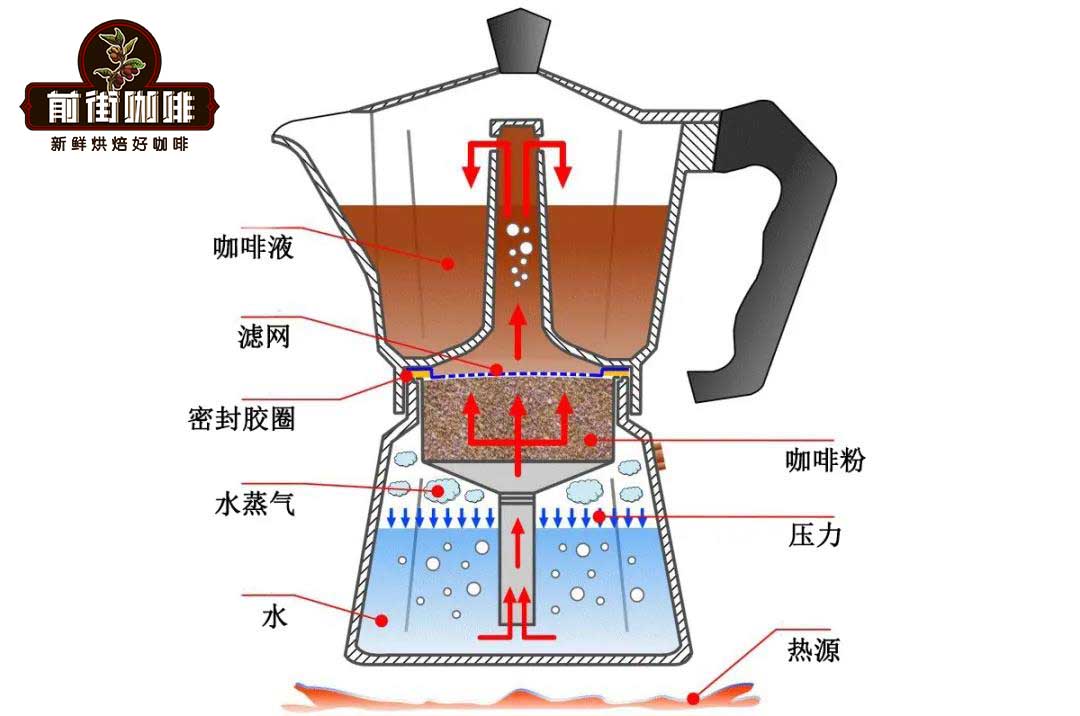
The moka pot consists of three parts: the upper chamber, the filter basket, and the base. The lower chamber is the water reservoir, the filter basket is for holding finely ground coffee, and the upper chamber is for collecting the extracted coffee. The principle of moka pot extraction is simple: it uses the steam pressure generated in the lower chamber. When the steam pressure is strong enough to penetrate the coffee grounds, it pushes the hot water up to the upper chamber, brewing rich, aromatic coffee.
The equipment needed includes: a moka pot, a gas stove and stove rack or an induction cooker, coffee beans, a grinder, and water.
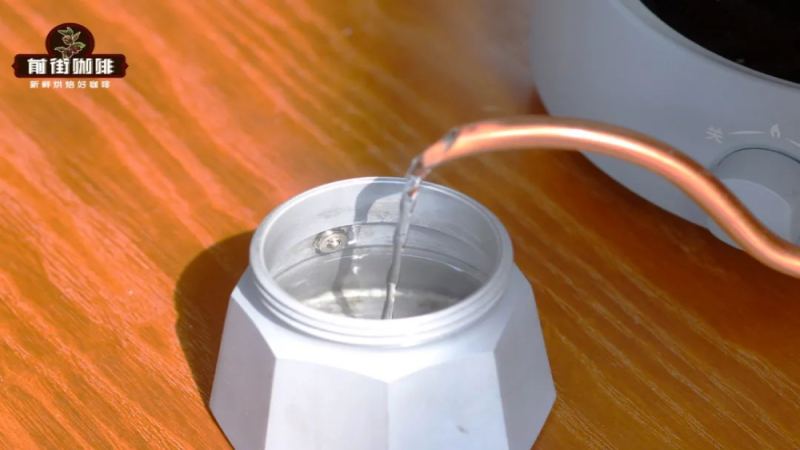
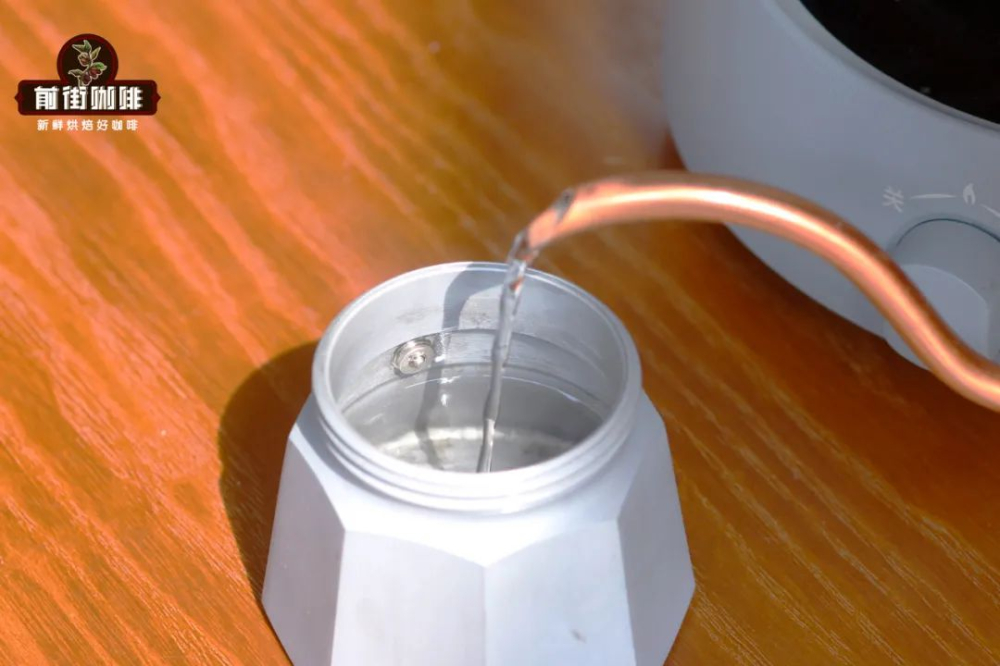
1. Pour purified water into the lower chamber of the moka pot. The water level should be about 0.5cm below the pressure relief valve.
2. Choose a grind size slightly coarser than espresso. You can refer to the size of the filter screen gaps in the basket to ensure the coffee particles won't fall through to the lower chamber. Slowly pour the coffee grounds into the basket, gently tap to distribute the coffee evenly, and when the coffee forms a small mound, level the surface through distribution.
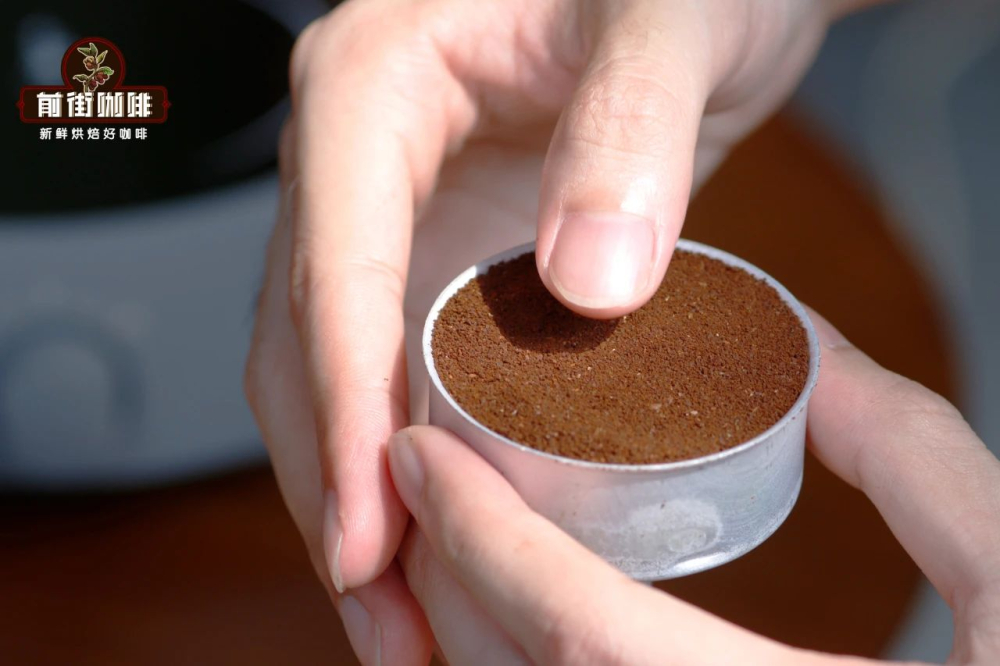
Filling the basket with coffee is to avoid extracting undesirable, defective flavors. Because the closer the density of the coffee grounds in the basket, the more it prevents some coffee from being over-extracted or under-extracted, which leads to uneven flavor or bitterness.
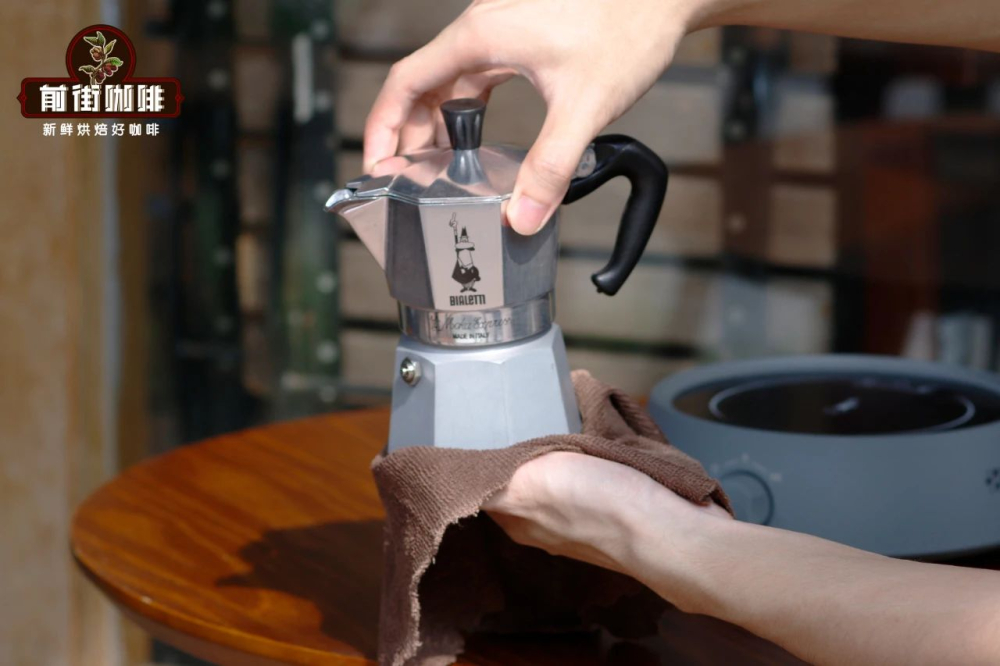
3. Place the basket into the lower chamber, then screw the upper and lower parts of the moka pot tightly together. Wipe the base with a dry cloth, then place it on the electric ceramic stove and heat over high heat;
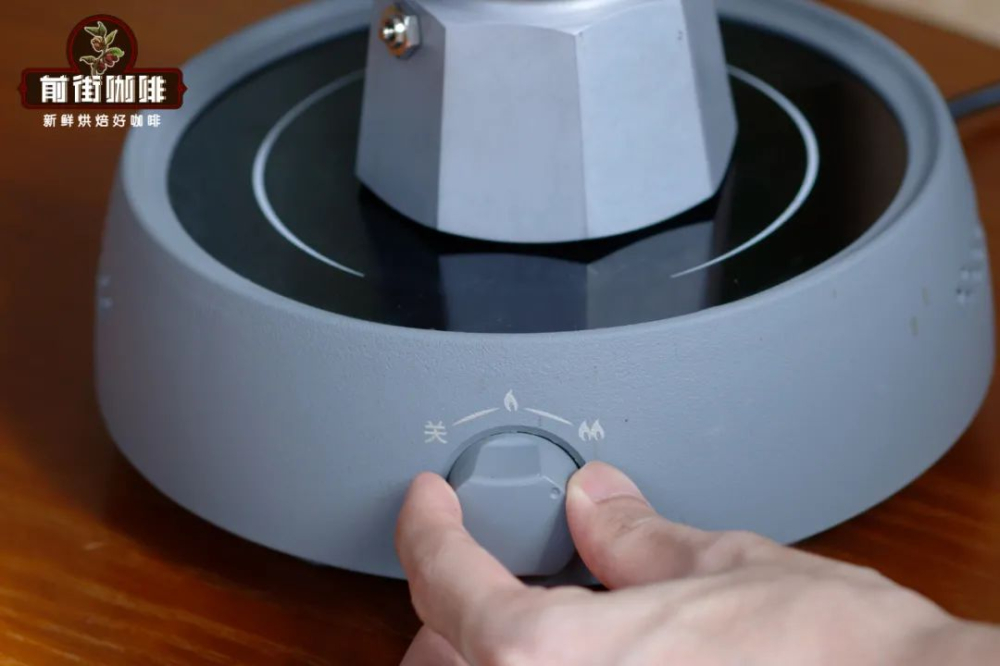
4. When the moka pot reaches a certain temperature and makes a distinct "whooshing" sound, set the electric ceramic stove to low heat and open the lid of the upper chamber.
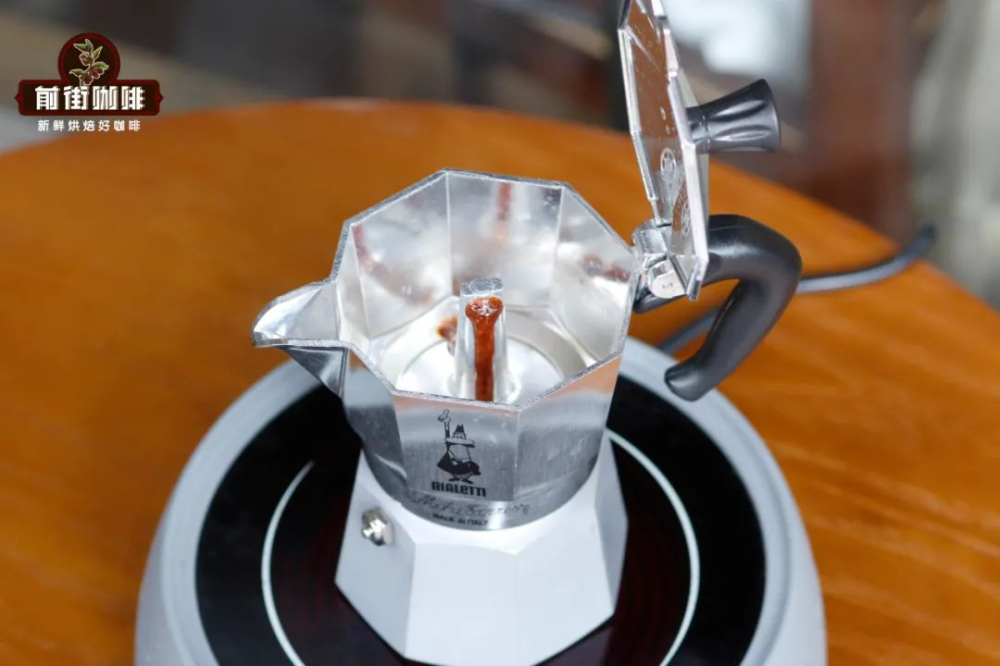
5. When half of the coffee has come out into the upper chamber, turn off the electric ceramic stove. The residual heat and pressure of the moka pot will "push" the remaining coffee into the upper chamber.
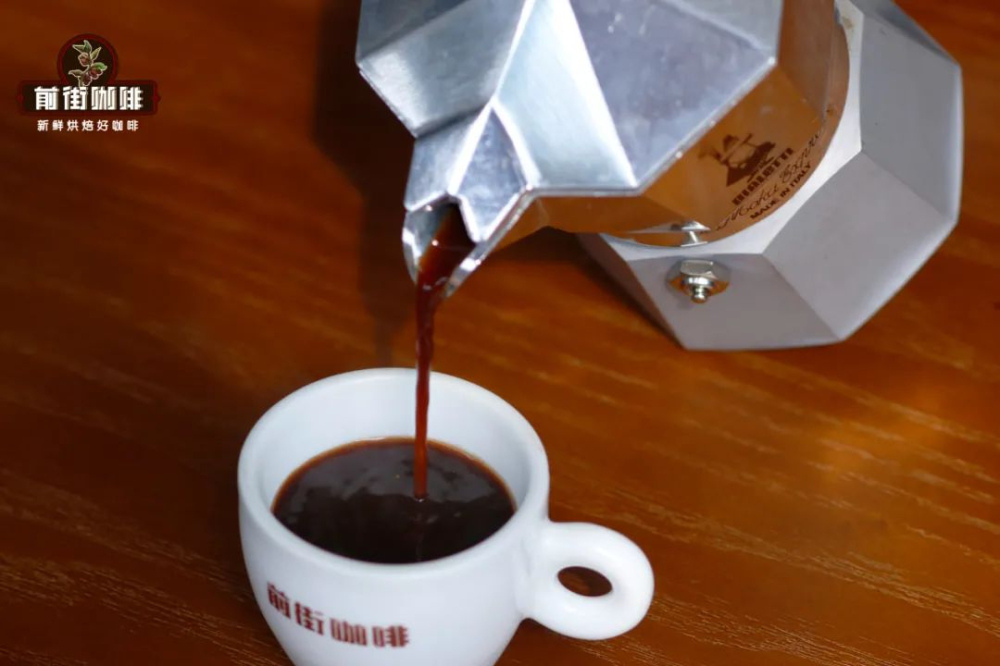
6. Once all the coffee has been extracted into the upper chamber, you can pour it into a cup and enjoy. Coffee extracted from a moka pot is very rich and can produce Crema, making it closest to espresso in mouthfeel. It can also be mixed with an appropriate amount of water or milk, just like espresso.
Precautions when using a moka pot:
1. When filling the lower chamber with water, pay special attention that the water level must not exceed the pressure relief valve.
2. After heating the moka pot, do not directly touch the body to avoid burns.
3. If the coffee liquid spurts out explosively, it means the water temperature is too high. Conversely, if it flows out too slowly, it means the water temperature is too low, and you need to increase the heat.
4. Safety: Due to the pressure involved, pay attention to controlling the heat during brewing.

What coffee beans are recommended for a moka pot?
For the pressure extraction method of a moka pot, if you want richer crema, use coffee with a darker roast level. For example, FrontStreet Coffee's Brazil Queen Estate Yellow Bourbon coffee is one of Brazil's more outstanding coffees. FrontStreet uses a medium roast, highlighting its sugarcane sweetness while maintaining the balanced mouthfeel of Brazilian beans. When used in a moka pot, it produces rich crema, with a strong peanut and almond aroma, and flavors of chocolate, nuts, and sugarcane.
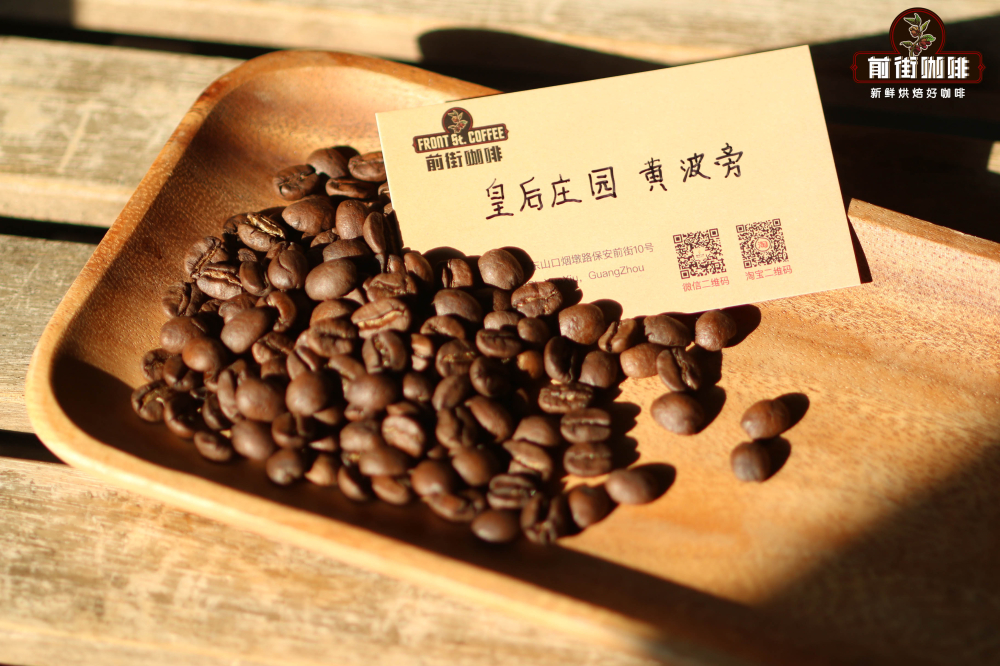
FrontStreet Coffee: Brazil · Queen Estate Coffee Beans
Region: Brazil Mogiana
Estate: Queen Estate
Altitude: 1400-1950m
Variety: Yellow Bourbon
Processing Method: Natural Process
Flavor: Nuts, creamy peanut, sugarcane, soft fruit acidity
New Pressurized Moka Pot
Recently, Bialetti released a new generation of pressurized moka pots. By January 22nd, a large number of review videos of the new moka pot had already surfaced. Currently, including the new model, there are three versions: the regular single-valve version, the gravity-pressurized double-valve version, and the new pressurized double-valve version.

The biggest design difference among the three is: the regular single-valve version has no pressure design, while the old version of the double-valve moka pot used a gravity pressurization design. The new version has eliminated gravity pressurization and replaced it with a built-in hydraulic layer design for pressurization.
These changes bring two improvements to the user experience: first, cleaning is more convenient; second, the quality of the brewed coffee is better. A large number of comparison videos point out that coffee brewed with the single-valve moka pot has less crema that dissipates quickly. The new and old moka pots with pressurized designs produce more crema compared to the single-valve version. The new version produces thicker, denser crema that dissipates more slowly than the old version.
The above content is compiled by CoffeeHunters, a coffee news website.


