







Should You Use Blend Coffee or Single Origin for Pour-Over?
For pour-over and other drip or filter methods, single-origin beans usually suit the job better, while blend coffee built for espresso is the more suitable choice for pressurized equipment such as a moka pot or espresso machine. The practical starting point is simple: decide your brewing method first, then pick the bean type that matches it.
Beyond bean type, check roast date and resting time, since freshness shapes flavor, and choose by regional profile across Africa, Central and South America, and Asia. Indonesian options such as mandheling lean rich and full-bodied, while African beans read more clean and bright. Buyers also weigh whole beans against ground coffee, and drip bags offer a simple entry point.
Faced with a dizzying array of coffee beans, many people don't know where to start. In fact, choosing beans isn't complicated—the key is to first figure out your brewing method, then make your decision based on roast date, regional flavor, and grind format. This article starts with the difference between single-origin and blended beans, helps you sort out which bean types suit pressurized versus drip brewing, explains how fresh roasting and resting affect flavor, and offers flavor selection guidance based on the three major regions: Africa, Central and South America, and Asia. It also answers the common dilemma of buying whole beans versus ground coffee, and recommends several representative beans and drip bag products from Front Street Coffee, so even beginners can easily find a cup that suits their taste.
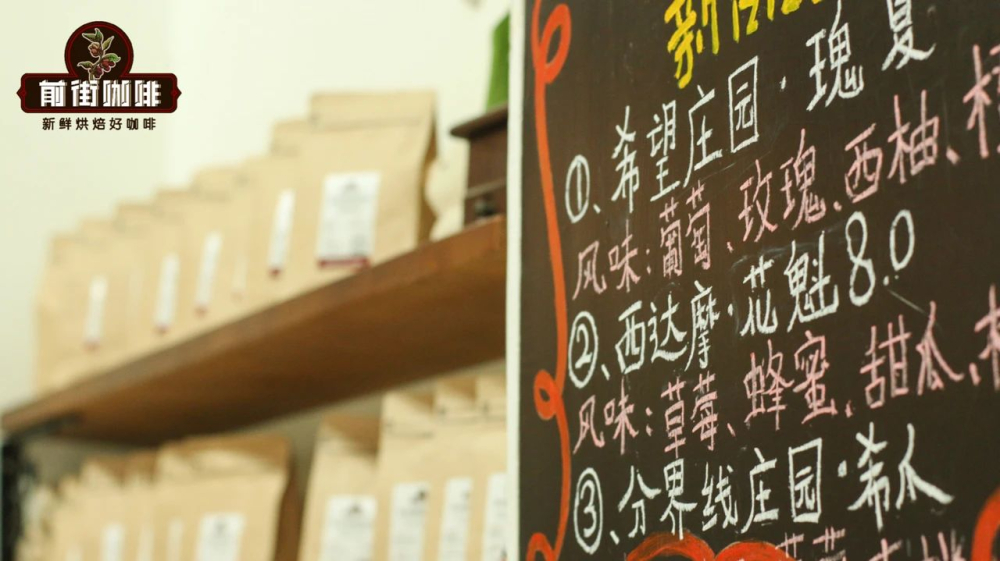
When you open a shopping app to order coffee beans, do you often feel overwhelmed by the dense lists of beans? When you walk into a café that roasts its own beans, faced with rows of differently packaged beans, do you also struggle to choose? Don't worry—just grasp the following key points, and picking beans that match your taste isn't actually that hard.
"First look at your brewing method, then decide on the bean type"
Coffee beans on the market today roughly fall into two categories: single-origin beans and espresso blends. Single-origin beans come from a single region or a single estate, and their flavor profile is usually clean and clear. Espresso blends combine beans from different regions, with the goal of keeping flavor consistent over the long term, with an overall profile that leans rich and solid.
If you use pressurized brewing equipment like a moka pot or an espresso machine, espresso blends are more suitable; if you use drip/filter brewing methods like pour-over, French press, cold drip, cold brew, siphon, or a drip coffee machine, then single-origin beans are the better choice.
Of course, blends aren't absolutely unusable for drip/filter brewing, and single-origin beans aren't absolutely unusable for pressurized extraction. Usually the shop or roaster will adjust the roast style for different brewing methods, making a certain flavor or mouthfeel more prominent, so it better suits a particular brewing method.
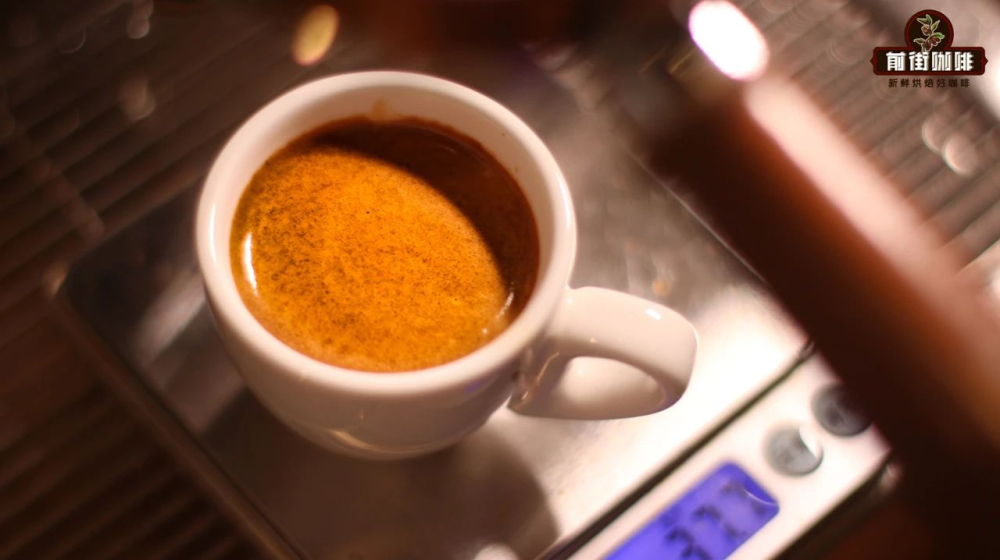
When espresso beans are used for pressurized extraction, if you prefer a rich crema with a balanced yet intense profile, you can prioritize espresso blends. Take Front Street Specialty Espresso Blend Coffee Beans as an example—it combines Colombia·Huila and Brazil·Cerrado in a 3:7 ratio, delivering intense roasted nut and chocolate aromas.
"Look for freshly roasted beans in packaging with a one-way degassing valve"
Front Street Coffee has always emphasized the importance of fresh roasting, because for every extra day stored after roasting is complete, the coffee beans' flavor gradually dissipates until it's all but gone. If you want to drink coffee with a clear, layered flavor, be sure to check the roast date when purchasing.
Generally speaking, single-origin beans show their best flavor within 15-20 days after roasting, with the optimal tasting period falling within 30 days after roasting. Espresso beans show their best flavor within 30 days after roasting, with the optimal tasting period within 45 days after roasting.
So does that mean beans just off the roaster are the best? Not at all. After roasting is complete, coffee beans retain a large amount of carbon dioxide and carry a smoky, pungent sensation, both of which interfere with extraction and flavor. So if you buy beans fresh off the roaster, it's recommended to let them release carbon dioxide and dissipate the smoky pungency on their own inside sealed packaging with a one-way degassing valve (which lets gas out of the bag while blocking outside air and moisture from entering). This process is commonly called resting. The resting time lengthens depending on the roast level.
Front Street recommends: rest light-to-medium roasts for 3-4 days, medium-dark roasts for 5-6 days, and espresso beans for 7-10 days.
"Choose single-origin beans by region, roast level, and flavor description"
Here's a quick outline for choosing beans: if you want floral notes and fruity acidity, choose beans from African regions, usually light-to-medium roasts; if you want nutty notes, choose beans from Central and South American regions, generally medium roasts; if you want no acidity at all or something on the bitter side, choose beans from Asian regions, usually medium-dark roasts.
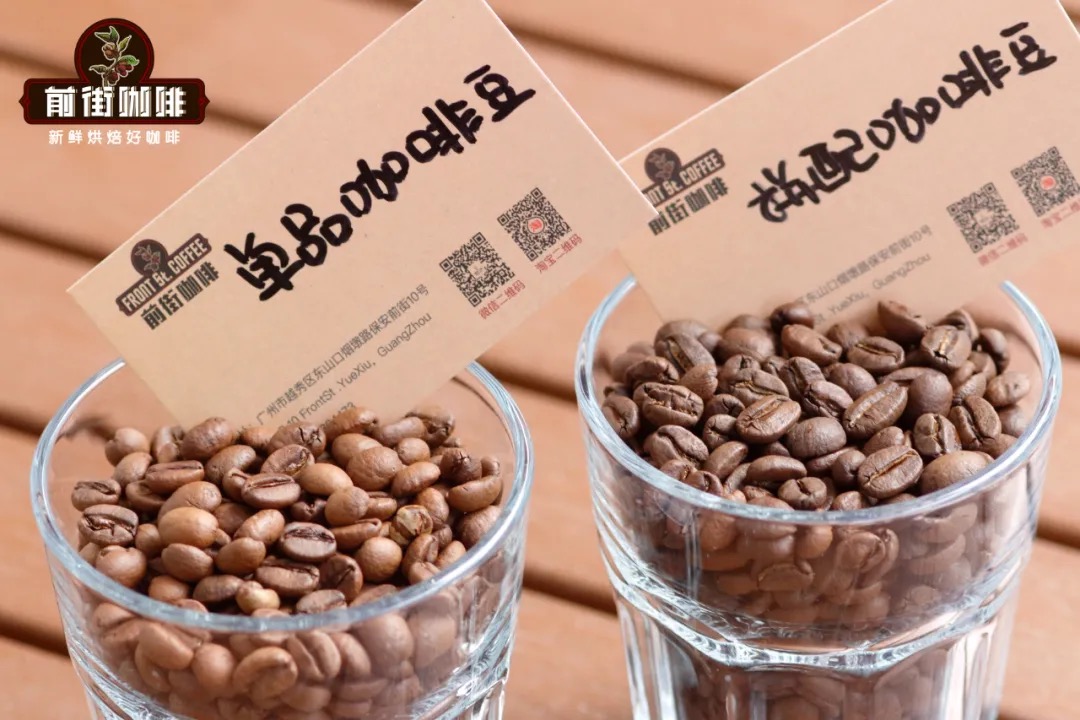
Take the coffee beans sold by Front Street Coffee as an example—different regions present different flavors depending on variety, growing altitude, processing method, and roast level. If you really can't decide which region to pick, you might as well decide based on the flavor description the shop provides.
If the flavor description frequently mentions fresh notes like citrus, berries, florals, or tea-like qualities, it's generally a light-to-medium roast with more prominent sweet-and-sour notes. Representative coffees include Front Street Yirgacheffe·Gedeb Cooperative, Front Street Panama·Boquete Geisha, and Front Street Ethiopia·Hambela;
If the description is mostly rich notes like nuts, dark chocolate, or cream, it's generally a medium-to-medium-dark roast with lower acidity and a richer, more solid mouthfeel. Representative coffees include Front Street Brazil·Queen's Estate, Front Street Papua New Guinea·Bird of Paradise, and Front Street Indonesia·Golden Mandheling;
If the description features distinct, standout notes like winey aromas or intense fruitiness, it's generally a bean with a special processing method, where a particular aroma or flavor stands out dramatically. Representative coffees include Front Street Honduras·Sherry, Front Street Costa Rica·Mozart, and Front Street Colombia·Rose Valley.
"Buy whole beans or ground coffee?"
Many shops offer grinding services, which is convenient for friends who love pour-over but don't have a grinder. But if conditions allow, Front Street recommends buying whole coffee beans. Whole beans slow flavor dissipation more effectively; once ground, the increased surface area of the coffee particles speeds up flavor loss. So if you drink coffee often, you can get a hand grinder costing over 200 yuan and grind right before brewing. As long as the beans are still within their optimal tasting period, freshly ground coffee will always taste better than pre-ground.
If you really don't want to buy a grinder but still want to enjoy pour-over, Front Street recommends buying drip coffee bags.
Front Street drip coffee bags are made by grinding fresh single-origin beans into powder, portioning 10g per bag into drip filter bags, and sealing each one individually. To brew, just tear open the packaging and the filter bag's seal strip, pour in about 150g of 90°C hot water, and you get a cup of single-origin coffee with a full aroma. Drip coffee bags are best kept for no more than 30 days.
For professional coffee knowledge exchange and more coffee bean information, please follow Cafe Style (WeChat official account: cafe_style) For more specialty coffee beans, add the private WeChat of Front Street Coffee: kaixinguoguo0925
The above content is compiled by CoffeeHunters, a coffee news website.


