







How does an American drip coffee maker extract coffee?
Convenience store drip Americano is not the same as cafe Americano. American drip coffee makers use atmospheric pressure: hot water showers over the grounds and flows down naturally through a paper filter or metal mesh into a glass or ceramic carafe below. The result is lighter-bodied coffee suited to black coffee only, not as a base for milk drinks.
Espresso machines instead use pressurized extraction, producing the concentrated shot that cafes dilute into Americano. The two coffee maker types differ in structure, price and function, with drip models being simpler and more affordable. For pressurized espresso, a blended coffee works well for balance and stability, which is why a blend is often recommended over a single origin.
Convenience store fresh-ground Americano is just a button press away, but how does it differ from the Americano served in coffee shops? The key lies in the extraction method: drip filter uses atmospheric pressure, while espresso machines rely on pressurized extraction. This article compares the construction and output characteristics of the two types of coffee makers in detail, and explains the origin of Americano and its mixing ratios. For different extraction equipment, Front Street Coffee offers bean recommendations: for atmospheric drip filter, any pour-over bean can be chosen; for pressurized espresso, a blend is recommended to ensure balance and stability. Finally, we highly recommend Front Street Classic Espresso Blend, whose dark roast brings rich crema and works well for both Americano and latte.
Domestic coffee consumption is heating up by the day, with cafes lining every street and alley, and even convenience stores rolling out fresh-ground coffee—just press a button and you get a cup of drip Americano. So, is this Americano the same as the one you drink in a cafe?
American drip coffee makers use atmospheric pressure extraction
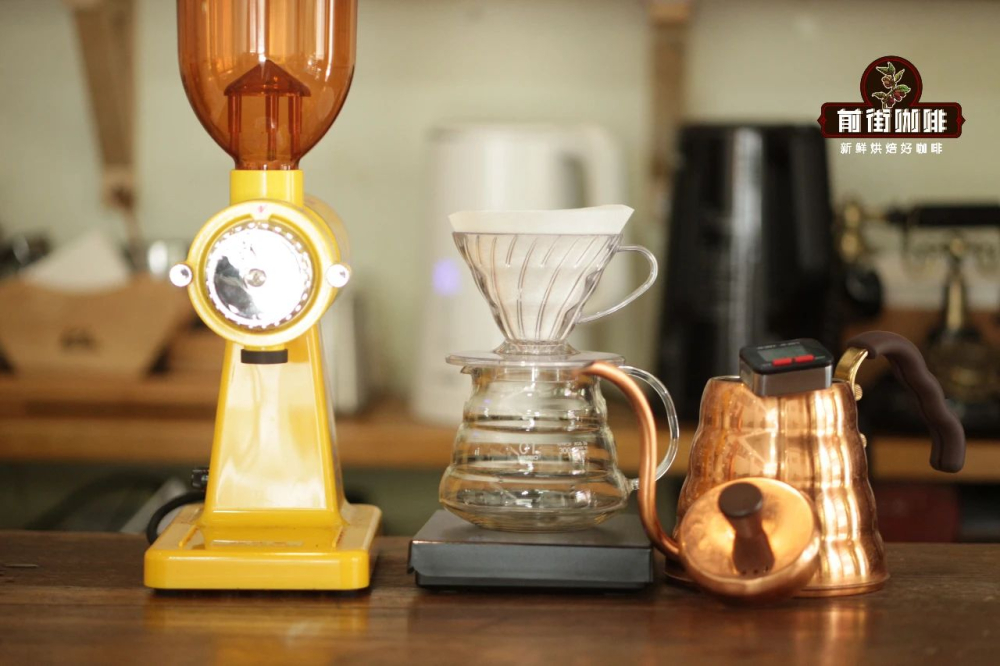
Coffee-making equipment is incredibly diverse, including French presses, moka pots, pour-over drippers, and various coffee machines. Mechanical coffee makers can be broadly divided into two types: drip filter and espresso.
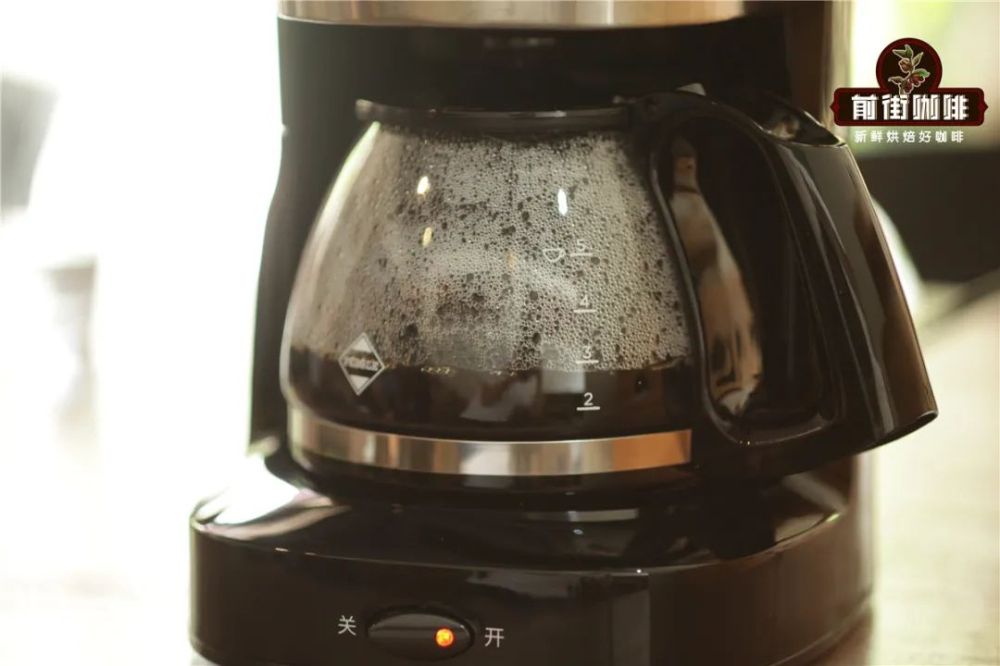
American drip coffee makers have a simple structure, so they are more affordable and have relatively limited functions. They generally consist of two layers: the upper layer is a funnel-shaped container holding a paper filter or metal mesh, and the lower layer is a glass or ceramic carafe. American drip coffee makers also let hot water pass through the coffee grounds and flow into the lower pot to complete extraction, but compared to the espresso in cafes, the hot water extracts under atmospheric pressure. In addition, besides brewing coffee, it can also be used to make tea.
Since the American drip coffee maker works by letting water shower over the coffee grounds and then flow down naturally, without any external force, the coffee tastes lighter. Of course, it cannot serve as a base for milk coffee either—it is only suitable for black coffee. If you do not have high demands and just want a simple cup of freshly brewed coffee, Front Street thinks an American drip coffee maker is also a quite worthwhile option.
Espresso machines use pressurized extraction
Espresso was born in the early nineteenth century. In order to get a cup of intense coffee in a short time, Italians thought of using steam pressure to let high-temperature, high-pressure water pass through the coffee puck, thereby speeding up what was originally drip extraction. Through continuous improvement, it gradually evolved into the common semi-automatic or fully automatic espresso machines we see today.
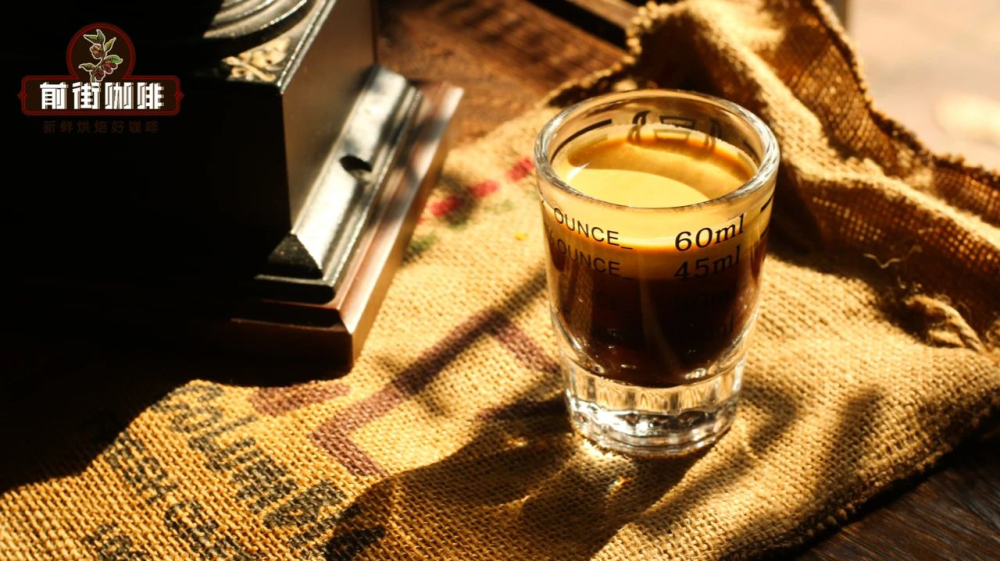
Espresso machines are usually equipped with a boiler, which pressurizes hot water and passes it through the coffee portafilter to complete extraction, so they are also called pump coffee machines. The coffee brewed by this high-pressure hot water is richer and also carries emulsified oils, which is what we call espresso. The Americano we drink is based on it, so baristas need to dial in a standard espresso shot to ensure consistent output in the shop.
Espresso represents coffee with complex and concentrated flavor; no other brewing method can present such body and texture. To get a delicious espresso, excellent extraction is indispensable, and the aromatic compounds and taste compounds in the cup need to reach balance. Front Street has said so much, and I believe everyone now understands that espresso machines are much more complex than American drip machines!
What is Americano?
Americano is a type of black coffee, made by adding water to espresso, with no other ingredients added. During World War II, coffee was very popular among the American military, but Americans were not used to the strong bitterness of espresso, so they diluted the coffee liquid with water to reach a concentration they could accept. Later, cafes opened by Italians in the United States also followed local customs and introduced water-diluted coffee based on espresso, and from then on this beverage became very popular.
Americano has no fixed ratio; each shop has its own serving standard, with the aim of showcasing the coffee's flavor and mouthfeel. According to the ratio of 1:6 that Front Street has tested and adjusted many times, pour 40 grams of coffee liquid into 240 grams of hot water at 88°C, and hot Americano is ready. If making iced Americano, replace the hot water with 120 grams of ice cubes and 120 grams of room-temperature water; it tastes best before the ice melts. Front Street's iced Americano presents rich whisky-like aroma, the sweet-tartness of berries, refreshing and cutting through richness, so it is especially popular at the Guangzhou shop in the hot weather; hot Americano highlights the richness of roasted nuts and chocolate, as well as the fermented sweet-tartness of tropical fruit, with a vanilla note in the finish.
Recommended coffee beans suitable for making Americano
When you buy coffee beans at Front Street, Front Street will first ask which extraction method you use. If it is an atmospheric American drip coffee maker, Front Street believes all the pour-over coffee beans on the bean shelf are suitable; you just need to choose the flavor type you like.
If it is a pressurized espresso machine, the situation is different. Because espresso is extracted under fine grinding, high water temperature, and high pressure, the espresso gathers multiple tastes, and various flavor compounds hit the taste buds exponentially. Therefore, if lightly roasted single-origin coffee beans are used for extraction, the taste may be too intense and instead mask the coffee's aroma. So Front Street recommends using blended coffee beans, making up for each other's shortcomings to ensure that every batch of coffee beans can show balanced and stable aroma and taste.
For friends who prefer mellow coffee, we recommend Front Street Classic Espresso Blend. This is a recipe combining three origins—Brazil, Indonesia, and Vietnam—using a dark roast to highlight the coffee's mellow aroma to the greatest extent, and also allowing you to easily extract rich and creamy crema. It is very suitable whether you are making an Americano diluted with water or a latte paired with milk.
The above content is compiled by CoffeeHunters, a coffee news website.


