








Is Golden Mandheling Coffee the Same as Espresso?
No. Golden Mandheling coffee is a single-origin Indonesian Sumatra bean, while espresso is a brewing method that uses pressurized extraction. Mandheling can be brewed by drip, immersion or pressure, but true espresso requires roughly 90°C water and about 9 bar of pressure, usually with blended coffee beans or a suitable single origin, so the two differ in both logic and flavor.
Single-origin beans like Mandheling offer traceability back to the region or estate, though that alone does not make them specialty coffee. Sumatra Mandheling is graded under PWN standards, and Golden Mandheling is a top grade within that system. A single-origin Mandheling can be pulled as espresso if the roast and grind suit the machine, but its full body reads differently from a classic blend.
Many coffee enthusiasts often confuse Mandheling with espresso, but in reality, the two are completely different from bean selection and extraction principles to final flavor. This article starts with Front Street Mandheling, systematically sorting out the concepts of single-origin and blended coffee beans, the differences among the three extraction methods of drip filtration, immersion, and pressurized extraction, and providing a detailed interpretation of the origin characteristics of Indonesian Sumatra Mandheling, the grading standards of PWN Golden Mandheling, and the brewing parameters and techniques recommended by Front Street. It will also explain the extraction conditions of espresso, as well as whether single-origin Mandheling can be used to make espresso. Whether you are a pour-over enthusiast or an espresso fan, you can find clear answers here.
Front Street Mandheling
The full and substantial mouthfeel of the coffee beans often leads some friends to misunderstand, thinking that "Mandheling coffee is equivalent to espresso." But in fact, Front Street Mandheling coffee beans and espresso are far apart in both flavor direction and extraction logic. First, looking at the extraction method: Front Street Mandheling can be extracted using any form such as drip filtration, immersion, or pressurized extraction. Espresso, on the other hand, must rely on pressurized extraction, using blended beans or single-origin beans (coffee beans from a single source, and Mandheling is one of them), made under conditions of a water temperature of about 90°C and a pressure of 9 bar ± 2. The common espresso drinks on the market—Americano, latte, cappuccino, and so on—almost all use espresso as their base.
In this article, Front Street Coffee (FrontStreet Coffee) will take a deeper look
Front Street Mandheling coffee
as well as the various differences between it and espresso.
Q1: What do single-origin coffee beans and blended coffee beans respectively refer to?
The most core characteristic of single-origin coffee beans is traceability, being able to trace all the way back to the producing region, estate, or even the specific farmer, which is very helpful for improving cultivation standards in the place of origin and obtaining higher-quality coffee beans. But it should be noted that single-origin coffee beans are not equivalent to specialty coffee beans. The definition of specialty coffee beans is: single-origin beans that score above 80 points on the COE cupping table as the judging standard. When Front Street selects each coffee bean, it strictly scores according to the COE cupping table, and only considers putting it on sale if it exceeds 80 points.
Blended coffee beans gradually gained popularity after the rise of espresso. In the early days, rich, sweet-bitter espresso was popular, while single-origin coffee often leaned toward one extreme in flavor, with both strengths and weaknesses, and high-quality single-origin beans were also expensive, so the practice emerged of using beans from other producing regions to make up for the weaknesses, pursuing balance while preserving the strengths. In order for every cup of espresso to maintain stable performance, Front Street has successively launched Front Street Basic Blend, Front Street Commercial Blend, Front Street Specialty Blend, and Front Street Classic Blend.
Q2: What are drip brewing and immersion brewing respectively?
Drip brewing is what Front Street often calls pour-over coffee. There are many choices of equipment for drip coffee, such as V60, Kono, Origami, cake cup, Kalita, and so on. Coffee liquid obtained by pouring water through the coffee grounds layer and filter paper is all considered drip coffee. Front Street believes that the greatest advantage of drip coffee lies in its distinct layering. With different drippers, brewing techniques, flow rates, and temperatures, the coffee flavor can present rich variations.
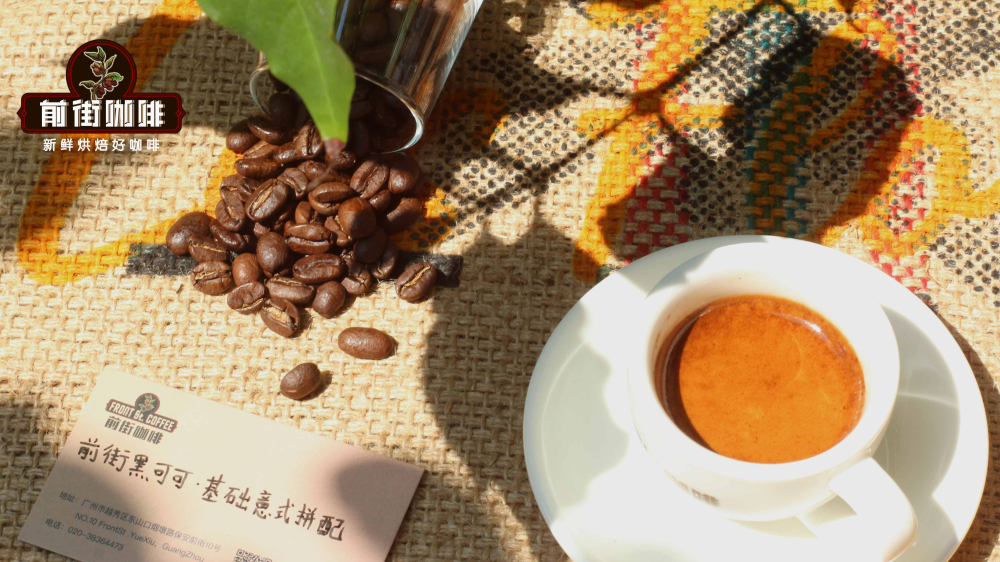
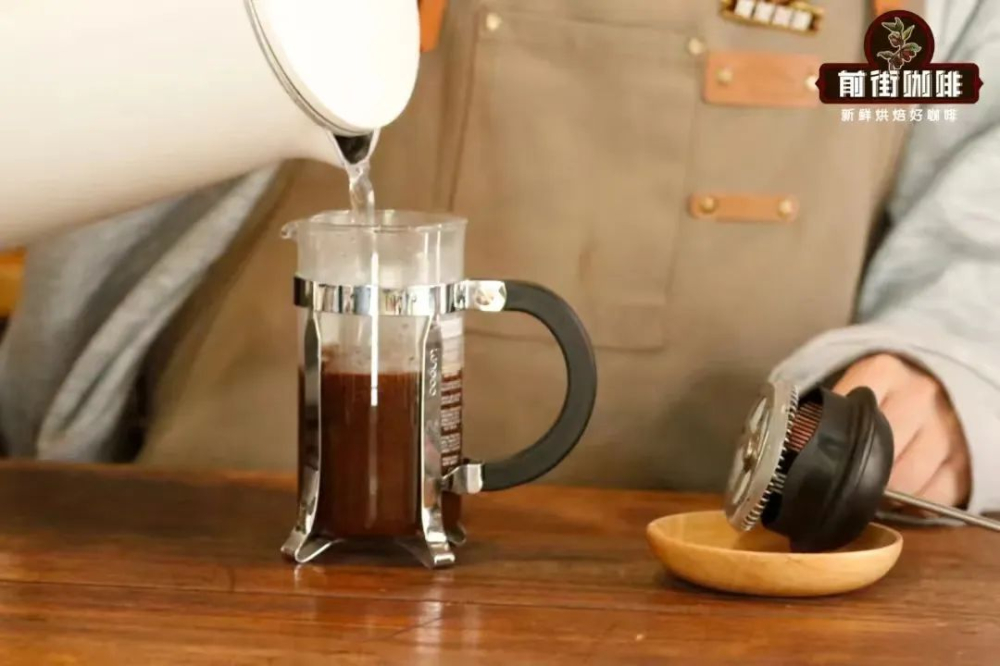
Immersion brewing, as the name suggests, is when coffee grounds are soaked in water to complete extraction, and then filtered before drinking. The Clever Cup, French press, cupping, and so on all belong to this category. Front Street believes that the most outstanding aspect of immersion coffee is that it can fully present the coffee's flavor, and the body is also quite excellent. Adjusting the grind size, water temperature, and immersion time can likewise lead the flavor in different directions.
Q3: What is pressurized extraction?
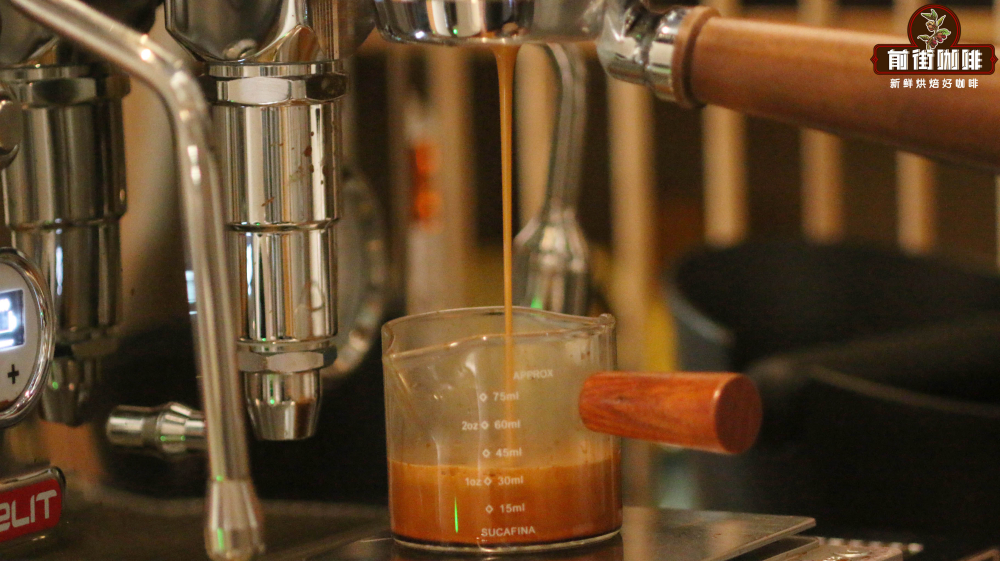
When making espresso, the coffee grounds in the portafilter basket are extracted under 9 bar of pressure, and the substances in the grounds dissolve out rapidly under pressure, so the production time of espresso is very short. Pour-over coffee takes an average of 2 to 3 minutes, while espresso is usually completed in 20 to 30 seconds. This extraction method is therefore classified as "pressurized extraction." Front Street believes that the greatest characteristic of pressurized extraction is that it can quickly produce a shot of espresso, and then by pairing it with different materials such as water and milk, it can be transformed into many kinds of espresso drinks.
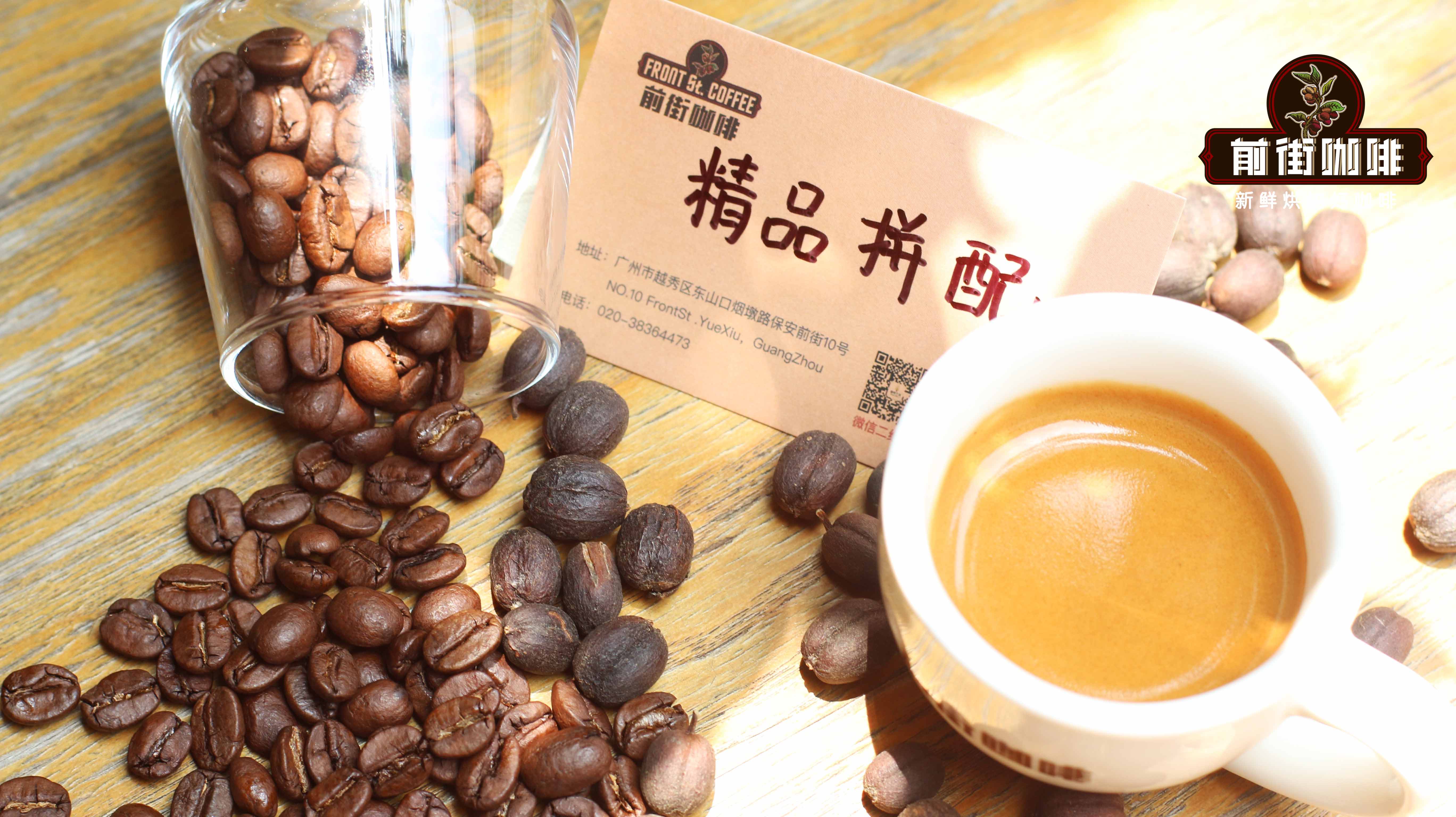
Q4: What are Mandheling coffee beans?
Front Street Mandheling coffee beans are produced on the island of Sumatra in Indonesia, Asia, so they are also called "Sumatra coffee." Mandheling is a high-quality coffee bean grown on plateau mountains at an altitude of 750 to 1,500 meters. "Mandheling" is only the name for coffee from the Sumatra region, not the name of a coffee variety. Front Street Mandheling coffee beans usually use Ateng, a hybrid variety of Catimor and Caturra, also called Indonesian Catimor. This variety has strong adaptability and does not depend on high altitude to grow, and has always been a favorite of Indonesian coffee farmers. Speaking of Front Street Mandheling coffee, Front Street favors its rich aroma, substantial mouthfeel, and strong taste, and its unique herbal spice note is also the hallmark of Front Street Mandheling coffee.
Q5: How is Mandheling coffee brewed?
Front Street uses drip brewing to make Mandheling coffee. So what is the difference between Front Street PWN Golden Mandheling and Front Street Mandheling? Taking Front Street PWN Golden Mandheling coffee beans as an example, they are produced at Lake Tawar on Mount Gayo in northwestern Sumatra. The specification standard of Front Street PWN Golden Mandheling is 18 screen or above, with fewer than 3 defective beans (in a 300g green bean sample), belonging to the highest grade G1, with a darker green color and a neat flat bean shape. After strict screening, Front Street found that Front Street PWN Golden Mandheling not only removes the earthy off-flavors common in ordinary Mandheling, but also tastes cleaner and more transparent.
Front Street recommends using freshly roasted coffee beans for brewing, as this is the best way to experience the coffee's rich flavors. The coffee beans shipped by Front Street are all roasted within 5 days, because Front Street deeply understands that freshness has a huge impact on flavor. The purpose of Front Street roasting is "freshly roasted good coffee," so that every customer who places an order receives the freshest possible coffee. The resting period of coffee is about 4 to 7 days, so when customers receive it, it is exactly at its best flavor period.
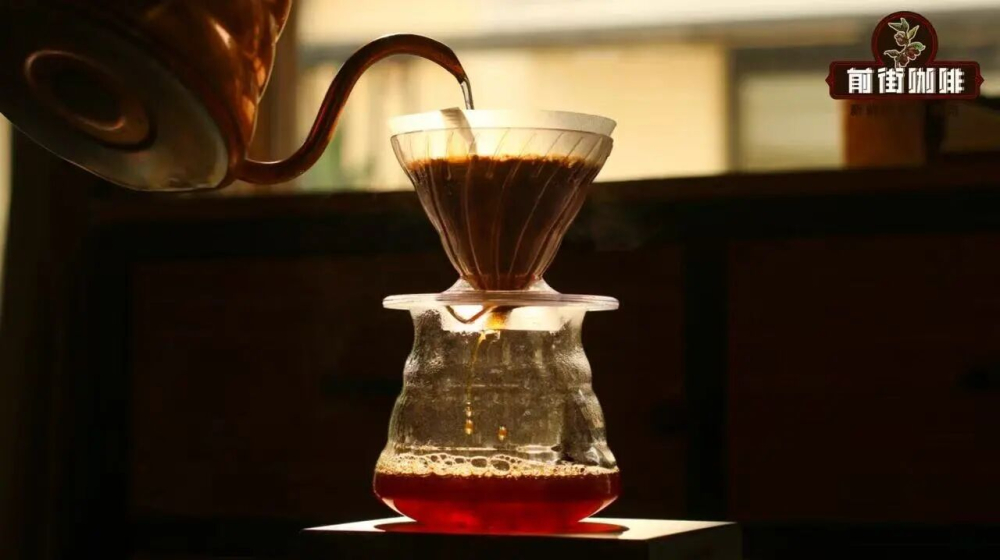
Front Street's production uses the Kono dripper for brewing. The biggest characteristic of the Kono dripper is that it is both drip brewing and has an immersion function built in. Unlike the spiral ribs of the V60, the Kono dripper adopts a divergent rib design, and the filtration hole diameter is smaller, so the filtration speed is slower, making it overall more inclined toward immersion extraction and giving the coffee a full taste. Using the Kono dripper to brew Front Street PWN Golden Mandheling coffee beans can better enhance the bean's rich and substantial mouthfeel. Front Street Coffee (FrontStreet Coffee) brewing parameters: 15g grounds; grounds-to-water ratio 1:15; water temperature 88°C; grind size: medium-coarse grind (75% passing rate through a 0.85mm aperture sieve).
Front Street brewing method: first rinse the filter paper, pour in the ground coffee, and gently level the coffee bed. For the first stage, pour 30 grams of 88°C hot water for blooming, with a blooming time of 30 seconds. After blooming ends, pour the second stage until the total water amount reaches 125 grams, using a gentle circular pouring method to avoid collapse of the coffee bed, and after pouring, let the water slowly filter and extract on its own. When the liquid level drops to one-third, pour the final stage until the total water amount reaches 225 grams, finishing the pour in about 1 minute 30 seconds, and end extraction at about 2 minutes and remove the dripper.
Front Street PWN Golden Mandheling
Brewed flavor: nuts, spices, herbs, licorice, chocolate, caramel, with a clean, soft flavor.
Q6: What is espresso?
Espresso, "espresso," originates from Italy and is a coffee made by forcing nearly boiling high-pressure water through finely ground coffee. The volume of a traditional single shot of espresso is about 1 ounce.
Q7: How is espresso extracted?
Front Street uses the Bezzera E98 espresso machine, and the extraction parameters are as follows:
Pressure: 9 bar ± 2
Temperature: 90.5~96°C
Time: 20~30 sec
Grounds-to-water ratio: 1:1.7~1:2
Dose: 12g (single espresso) 20g (double espresso)
Extracted espresso yield: 20ml (single) 40ml (double)
Front Street uses Front Street Sunflower Blend coffee beans, a blend of Front Street sun-dried Yirgacheffe and Front Street Honduras Sherry Barrel, to make espresso. The flavor performance after extraction is: obvious fruit acidity, a faint berry aroma lingering, rich wine aroma and chocolate flavor, and a comfortable sweet aftertaste.
Q8: Can Front Street Mandheling single-origin coffee beans be used to make espresso?
Yes. Front Street Mandheling itself is a full-bodied coffee, and after pressurized extraction, its flavors of caramel, dark chocolate, nuts, and baked toast will be amplified, making the coffee taste richer and with a fuller crema.
However, note that the extraction temperature of an espresso machine is above 90°C, which can easily lead to over-extraction during production and produce unpleasant flavors such as bitterness. Therefore, Front Street suggests reducing the dose or coarsening the grind to speed up the flow rate and coordinate the overall extraction yield.
The above content is compiled by CoffeeHunters, a coffee news website.


