








How Does a Moka Pot Brew Coffee at Home?
A moka pot has three parts: a base that holds water, a filter basket for ground coffee, and an upper chamber that collects the brew. Heat builds steam pressure in the base, pushing hot water up through the coffee bed. Fill water to about 0.5 cm below the pressure relief valve and grind slightly coarser than espresso.
Invented in 1933 by Italian Alfonso Bialetti, the moka pot remains the most affordable route to espresso-style coffee at home and is standard equipment in Italian kitchens. For crema, medium-dark roasted blend beans or SOE single-origin beans work well, and Bialetti's newer pressurized dual-valve models are designed to push extraction further.
The moka pot, as the home brewing tool closest to an espresso machine, is almost standard equipment in Italian kitchens, yet many coffee enthusiasts in China are unfamiliar with it. Starting from Front Street Coffee's sharing, this article systematically sorts out the moka pot's construction principles, complete operating steps, and safety precautions, helping you solve practical problems such as grind size selection, water level control, and heat adjustment. At the same time, in response to the need for crema extraction, it recommends medium-dark roasted blend beans and SOE single-origin beans, and introduces the design changes and differences in actual performance of Bialetti's newly launched pressurized dual-valve moka pot, so that you can steadily brew rich coffee with crema at home.
The moka pot's extraction method is quite similar to that of an espresso machine, and it can brew rich coffee with crema. It is almost a must-have in every Italian household. However, enthusiasts in China do not have many opportunities to encounter it, so Front Street Coffee (FrontStreet Coffee) has therefore compiled some practical knowledge related to the moka pot.
The moka pot was born in 1933, and its inventor was the Italian Alfanso Bialetti. It relies on heating the base to brew coffee, belongs to a type of distillation extraction, and is also the most affordable type among espresso equipment. It is widely used in Italian households.
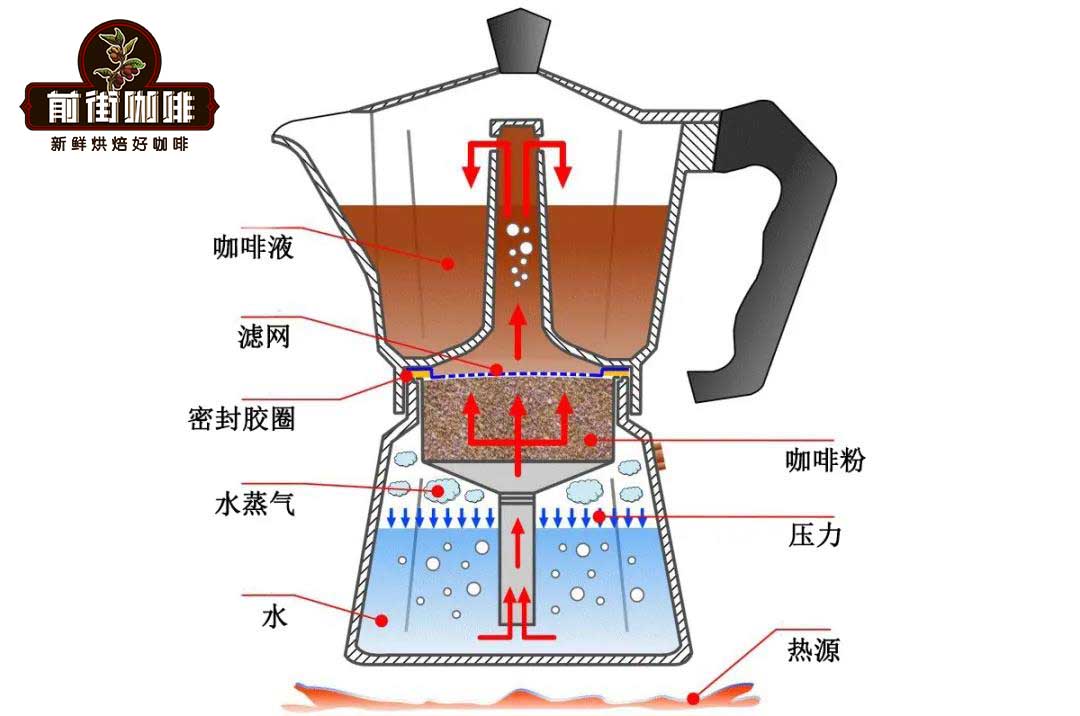
How does a moka pot brew coffee? The moka pot is composed of three parts: the upper chamber, the filter basket, and the base. The base is responsible for holding water, the filter basket is used to hold relatively finely ground coffee, and the upper chamber collects the extracted coffee liquid. Its working principle is not complicated — after the lower chamber is heated, steam pressure is generated. When the pressure is enough to penetrate the coffee grounds layer, the hot water is pushed up into the upper chamber, thus producing a cup of rich, aromatic coffee.
Required equipment: moka pot, gas stove and stove rack (or induction cooker), coffee beans, grinder, water.
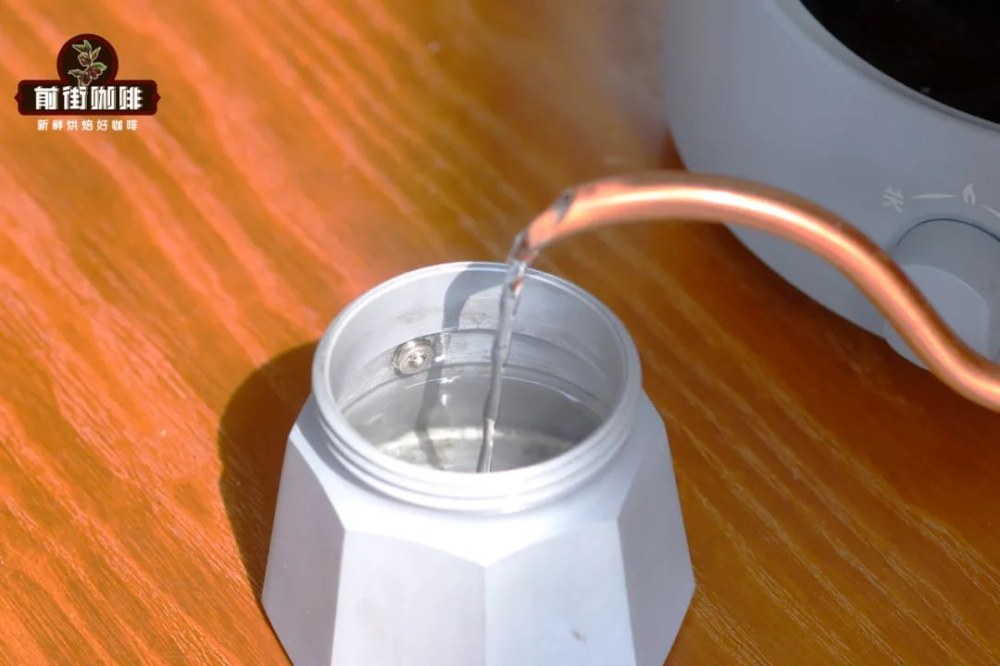
1. Pour purified water into the lower chamber of the moka pot, keeping the water level about 0.5 cm below the pressure relief valve.
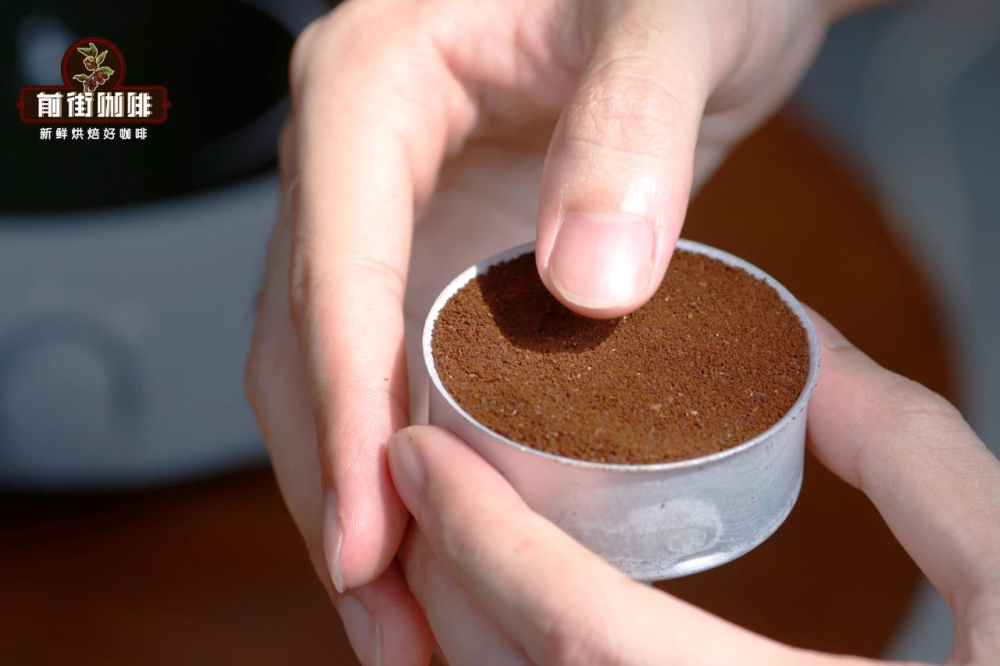
2. The grind size should be slightly coarser than espresso. You can judge by referring to the size of the gaps in the filter basket screen, confirming that the coffee particles will not leak into the lower chamber. Slowly pour the coffee grounds into the filter basket, tap lightly to distribute them evenly, and after the mound of grounds forms a small hill shape, level the surface through the distribution action.
Fill the filter basket fully, precisely to avoid extracting unpleasant defective flavors. Because the more consistent the density of the coffee grounds in the filter basket, the more it can prevent localized over-extraction or under-extraction, thereby reducing uneven flavor or bitterness.
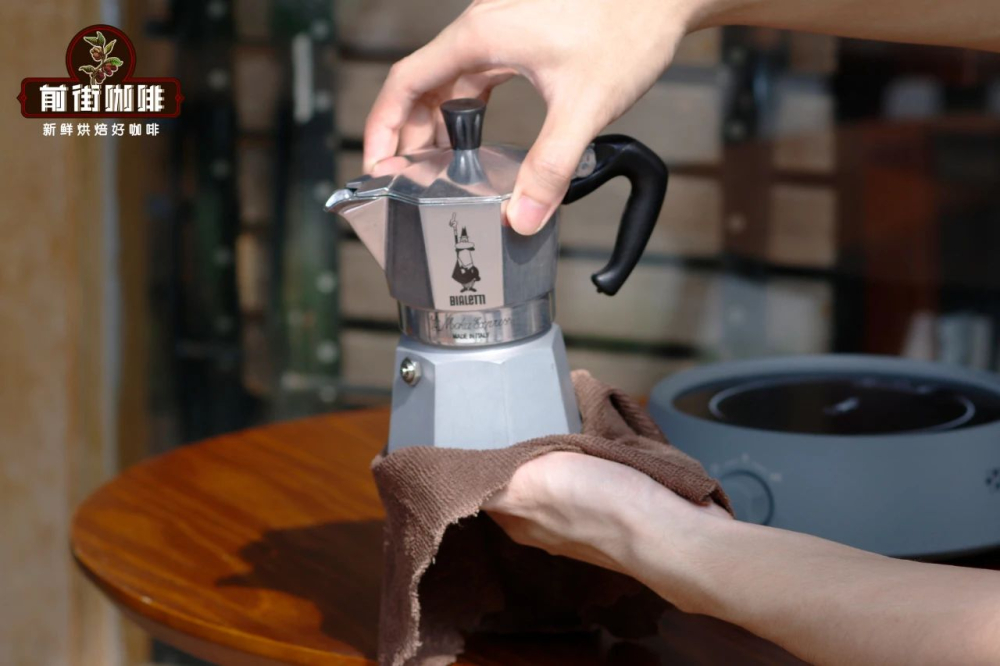
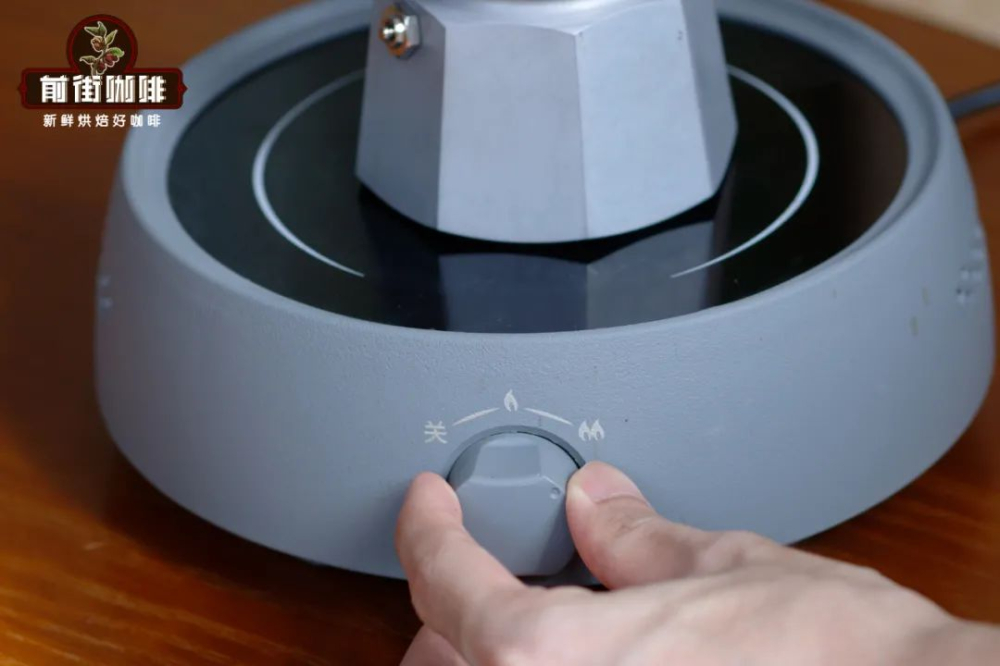
3. Place the filter basket into the lower chamber, screw the upper and lower parts of the moka pot tightly, wipe the base with a dry cloth, and then place it on an electric ceramic stove to heat over high heat.
4. After the temperature rises to a certain level, when the moka pot makes a clear "wooo" sound, turn the electric ceramic stove to low heat and lift the lid of the upper chamber.
5. When half of the coffee liquid has flowed out into the upper chamber, turn off the electric ceramic stove. Relying on the residual heat of the pot body and the internal pressure, the remaining coffee liquid will continue to be "pushed" into the upper chamber.
6. Once all the coffee liquid has been extracted into the upper chamber, it can be poured into a cup and enjoyed. Coffee brewed with a moka pot is very strong and can also extract crema, making its taste the closest to espresso. It can also be drunk by referring to espresso, diluted with an appropriate amount of water or milk.
Precautions for using a moka pot:
1. When adding water to the lower chamber, be sure to pay attention that the water level must not exceed the position of the pressure relief valve.
2. The pot body is extremely hot after heating. Do not touch it directly with your hands to avoid burns.
3. If the coffee liquid spurts out explosively, it indicates that the water temperature is too high; conversely, if the flow rate is too slow, it means the water temperature is too low, and the heat needs to be appropriately increased.
4. In terms of safety: because there is pressure inside the pot, the heat must be well controlled during the brewing process.
What kind of coffee beans are suitable for a moka pot? A moka pot uses pressure extraction. If you want richer crema while avoiding obvious burnt bitterness, it is recommended to choose medium-dark roasted beans, either blends or SOE.
Blend coffee is composed of two or more origins. It can provide balanced flavor and also make extraction more stable, so it is more suitable for beginners just starting with a moka pot. For example, Front Street. Front Street Classic Blend combines Indonesian Mandheling beans and Brazilian espresso beans, possessing both the wild aroma of Mandheling and the smooth taste of Brazilian beans, complementing and harmonizing with each other in flavor. Front Street Classic Espresso Blend adds Robusta on the basis of the Mamba recipe, significantly enhancing the crema and making the body of the espresso fuller. It is suitable for home preparation and can also be used for latte art.
If you prefer the individuality of single-origin beans, you can choose Front Street. Brazil Queen's Estate SOE Coffee, which is a quite outstanding estate bean from Brazil. Front Street uses medium roasting to highlight its sugarcane-like sweetness while preserving the balanced taste of Brazilian beans. When used to make moka pot coffee, the crema is rich , with a strong peanut and almond aroma, as well as flavors of chocolate, nuts, and sugarcane.
Front Street. Brazil Queen's Estate Coffee Beans Region: Brazil Mogiana
Estate: Queen's Estate
Altitude: 1400-1950m
Variety: Yellow Bourbon
Processing method: Natural process
Flavor: Nuts, creamy peanut, sugarcane, soft fruit acidity
New pressurized moka pot
Recently Bialetti launched a new generation of pressurized moka pots. Since January 22, a large number of review videos of the new model have been released. At present, including the new model, the product line has three models: the regular single-valve model, the gravity pressurized dual-valve model, and the new pressurized dual-valve model.
The biggest design difference among the three is: the regular single-valve model has no pressurization structure; the old dual-valve moka pot uses a gravity pressurization design; the new model cancels gravity pressurization and instead uses a built-in hydraulic layer to achieve pressurization.
The changes in user experience brought by this modification are, first, that cleaning is more convenient, and second, that the brewed coffee quality is better. A large number of comparison videos point out that the single-valve moka pot brews less crema, and it dissipates very quickly. The old and new moka pots with pressurization designs produce more crema than the single-valve model. Among them, the new version brews thicker and denser crema, and it dissipates more slowly than the old version.
The above content is compiled by CoffeeHunters, a coffee news website.


