







Is Americano Coffee Bitter or Sweet After an Interrupted Shot?
An americano can taste bitter, sour, or thin depending on the espresso base. A test with the Warm Sun blend compared a normal shot against two split extractions interrupted at different points. After the machine was restarted, flow ran very fast, color was pale, and flavor turned noticeably thin, so further extraction could not recover the missing compounds.
Espresso relies on pressurized extraction through one puck, so the same puck is not suited to a second pass. Pulling roughly 20g of coffee into 40ml at a 1:2 ratio, the interrupted shots could not match a standard shot's balance. When an interruption happens, the more reliable fix is to grind and extract a fresh shot rather than restart.
When making espresso, extraction is occasionally ended prematurely due to accidental touches or oversight. Some might wonder: since it wasn't extracted enough, can we just press the button again and continue extracting like with pour-over? Front Street Coffee conducted a comparative experiment using the Warm Sun blend, testing three scenarios: normal extraction, interrupted extraction followed by resumed extraction, and interrupted extraction near the end followed by resumed extraction. The results showed that after restarting, the flow rate was extremely fast, the color was pale, and the flavor was noticeably thin; even with further extraction, it was difficult to fully extract the remaining substances. This article will explain, based on the pressurized extraction principle of espresso machines, why the same puck is not suitable for secondary extraction, and what to do more reliably when an accidental interruption occurs.
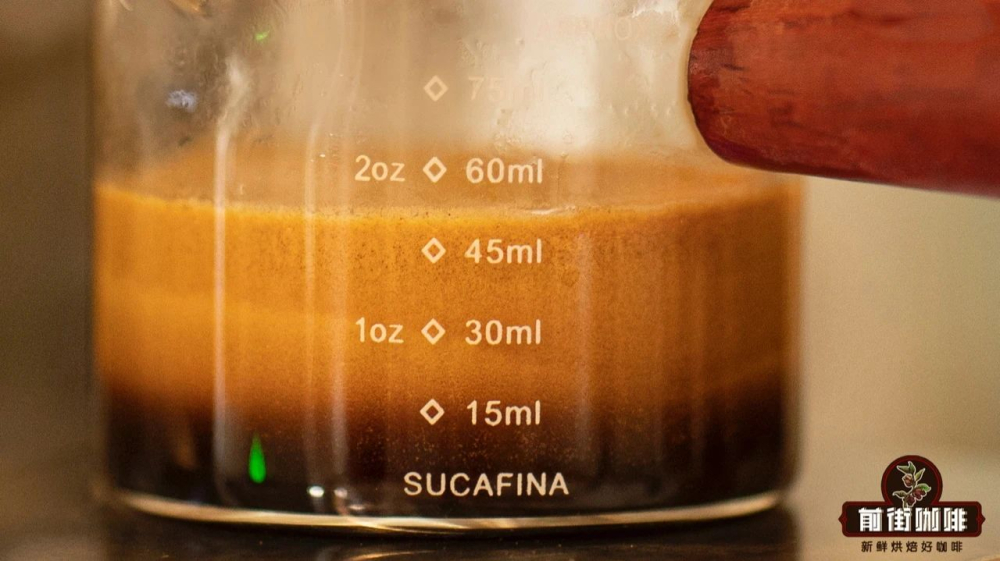
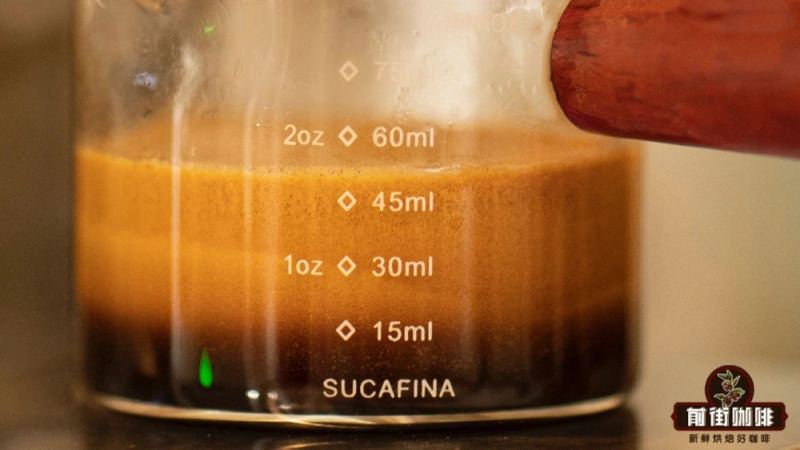
When making espresso, we usually extract the target liquid volume all at once. However, sometimes due to accidental touches or distraction, extraction ends prematurely.
Although this can barely be called a ristretto, as Front Street Coffee mentioned before, aside from flat white, other espresso-based drinks basically don't use ristretto as a base. So once this happens, if you want a latte or americano with the right flavor, you still have to honestly extract a new shot of espresso.
But some daring friends might wonder: since it wasn't extracted enough, can we just press the extraction button again and do a "split extraction" like with pour-over?
Can espresso extraction be split into multiple times?
Since everyone is curious, Front Street Coffee will actually test it. This experiment will extract three shots of espresso: one normal extraction, and two using split extraction, with the two split extractions having different interruption points. By comparing them, we'll see how the taste of espresso differs after interruption at different points, and whether espresso can really be extracted in two stages.
The beans used in the experiment are still the Warm Sun blend, since Front Street Coffee only has one espresso grinder. The grind size is set to 1.2 on the Galileo Q18, with a coffee-to-liquid ratio of 1:2, meaning 20g of coffee is extracted into 40ml of espresso.
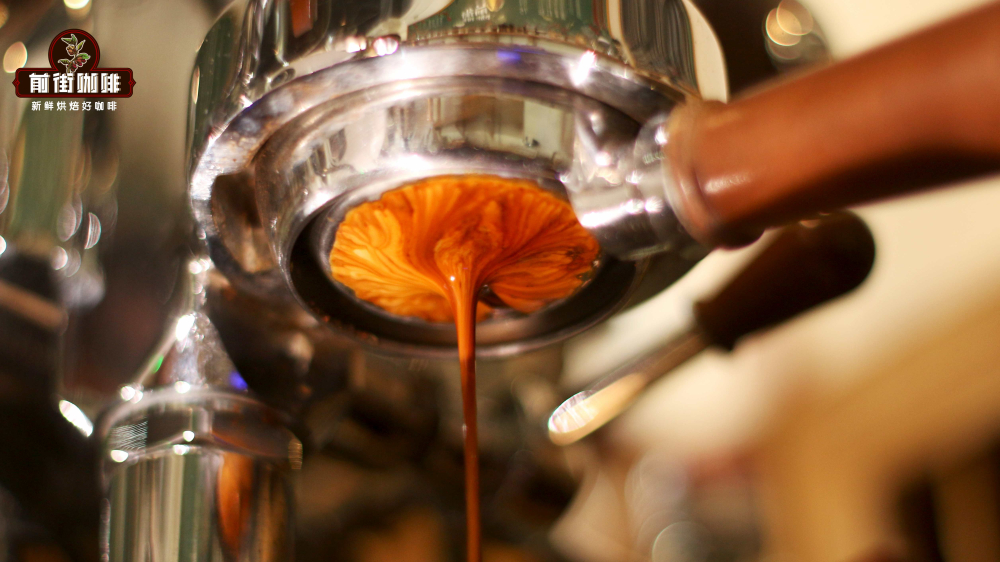
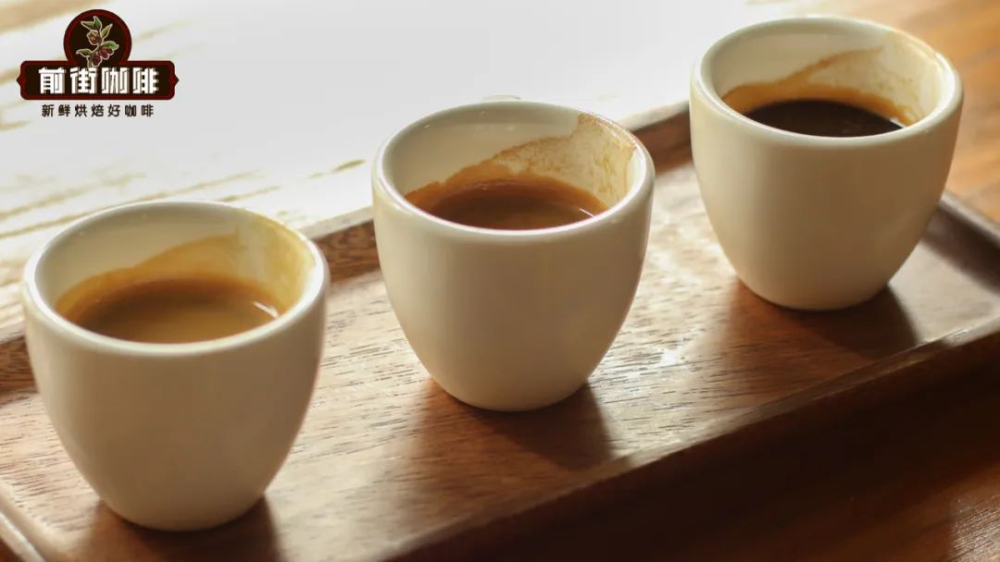
First, extract a regular espresso. Since it's done in one go, the extraction time is a very standard 30 seconds. The flavor still has the classic Warm Sun notes of whiskey aroma, butter cookie, and a subtle berry sweetness.
Next, do the second extraction with a two-stage process. Stop when half of the target liquid volume is reached, which takes 20 seconds, wait two seconds, and then restart the extraction. The remaining 20ml is extracted in just 4 seconds, the coffee liquid is very pale, and the total extraction time is 24 seconds. The taste of this espresso is very thin; although the flavors are present, they are very faint.
The last one is interrupted near the end. Front Street Coffee stopped at two-thirds of the extraction, with parameters of 25 seconds and 31ml, then waited two seconds before restarting. Again, the remaining 10ml of liquid was extracted in just two seconds. Compared to the second shot, this one is not as thin, with a slightly thicker mouthfeel and a fuller taste. But this is only compared to the severely under-extracted second shot; compared to the first normal espresso, its expressiveness is still on the weak side.
Thus it can be seen that if extraction is accidentally stopped during espresso making, even if restarted, it is difficult to fully extract the remaining substances from the coffee. The reason for this phenomenon is related to the unique pressurized extraction method of espresso machines.
Pressurized Extraction
When we press the extraction button to make espresso, the espresso machine starts working, providing 9 bar of pressure to force hot water through the coffee and extract its substances. This pressure pushes down and compacts the puck, increasing resistance and allowing the hot water to distribute more evenly. At the same time, the moment the hot water contacts the puck, a large amount of carbon dioxide rushes out, squeezing the space and adding obstacles to the hot water flow. Under these conditions, the hot water can only slowly penetrate downward.
However, once extraction is stopped midway, the originally saturated spatial structure is broken. The backflush suction from the group head draws away a large amount of material from the surface of the puck, and the puck's density has already changed after extraction. As a result, the factors that originally hindered the hot water flow no longer exist, and when restarted, the released hot water quickly seeps through the channels that have been opened in the coffee bed. The flow rate is too fast, so the hot water naturally cannot fully extract the coffee substances, which is why the large amount of coffee liquid released in just a few seconds is so pale.
Such coffee liquid is not only prone to producing burnt bitterness due to channeling, but also, because of its low concentration, dilutes the originally well-extracted espresso.
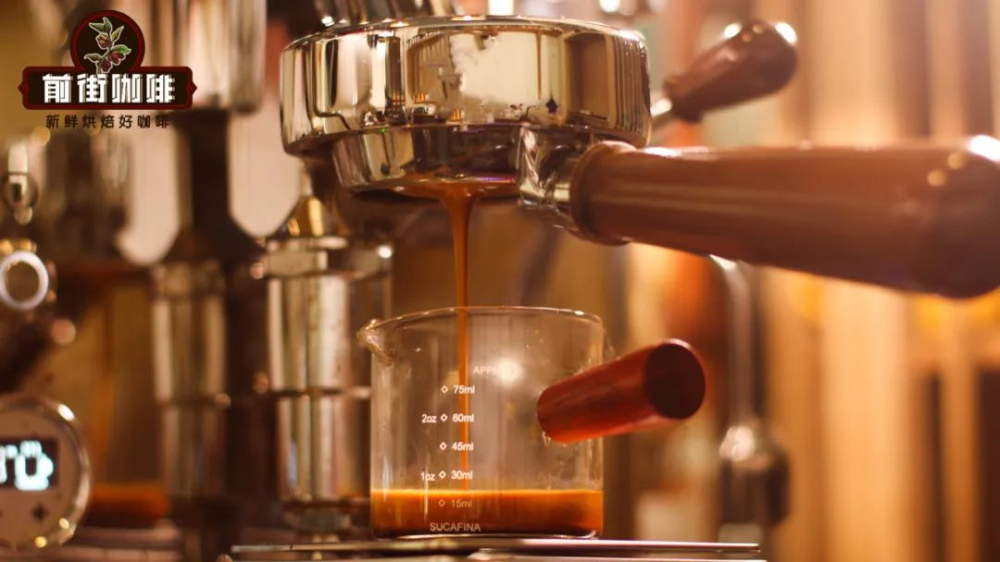
Therefore, if extraction is accidentally stopped during espresso extraction, it is best to extract a new shot of espresso rather than doing a secondary extraction on the same puck. This avoids that cup of espresso full of unstable factors ruining the ultimately wonderful coffee experience.
- END -
The above content is compiled by CoffeeHunters, a coffee news website.


