







Search Results for: Pressure Level

Why Moka Pots and Espresso Machines Produce Thin Crema: The Nature of Crema, Carbon Dioxide, and Pressure Explained
Many friends who use moka pots or espresso machines run into the problem of thin crema in their espresso. In fact, what we call "coffee oil" isn't real oil at all, but an emulsion-like foam called crema, formed when coffee lipids wrap around carbon dioxide bubbles. Two core factors affect how rich the crema is: the carbon dioxide content of the coffee beans themselves, and the pressure applied during extraction. Carbon dioxide content depends on roast level and freshness, while pressure is closely tied to dose and grind size. This article breaks down the reasons for thin crema one by one, explains why the amount of crema doesn't directly equate to coffee quality, and recommends Front Street Coffee beans suited to moka pots and espresso machines, helping you adjust your extraction approach accordingly. [more…]
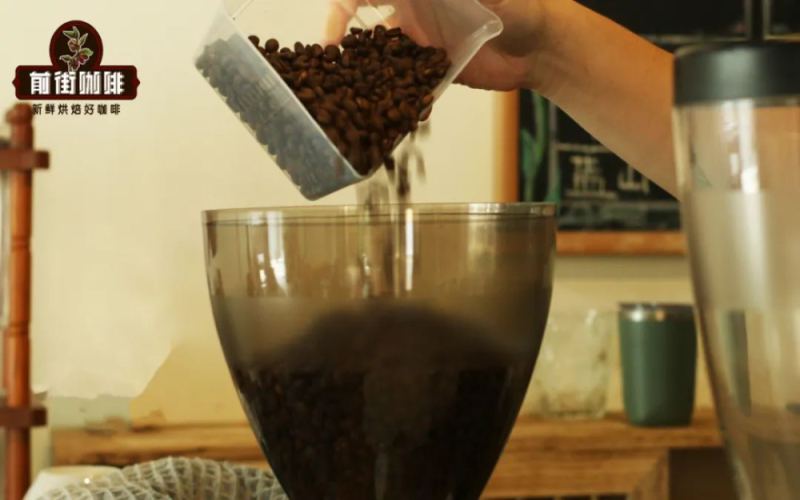
Analysis of the Impact of Espresso Grinder Hopper Bean Level on Espresso Extraction
In espresso preparation, baristas often require the bean hopper to be kept nearly full, but what principle lies behind this? How do changes in hopper pressure affect the uniformity of coffee grinding, and in turn alter the flavor expression of espresso? Starting from the internal structure of the grinder, this article explains the mechanism by which hopper pressure forms and its impact on extraction, and, combined with comparative experiments by Front Street Coffee, presents the actual differences in espresso between a full hopper and a less-than-full hopper. For home users who do not pull shots continuously, is it also necessary to pay attention to this detail? Read the full article, and you will get a clear answer. [more…]
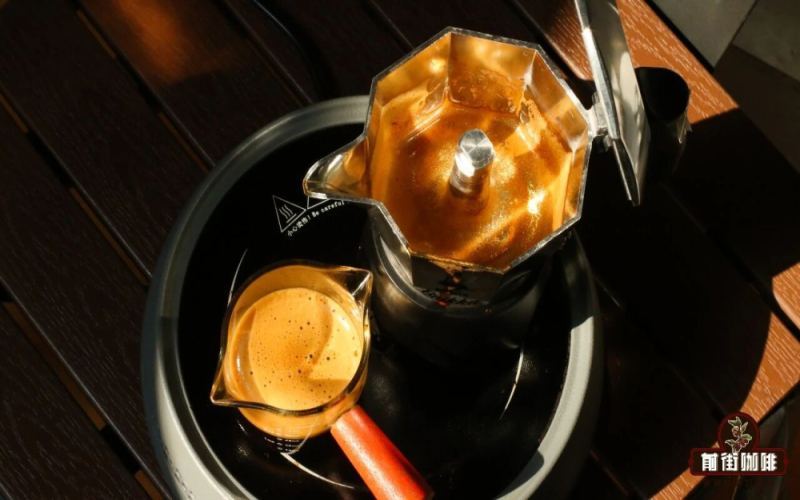
Which roast level of coffee beans is suitable for a Moka pot? Bean selection principles and practical recommendations under pressure extraction
The moka pot relies on pressure to extract coffee, and it has specific requirements for the roast level of coffee beans. Lightly roasted beans are harder in texture and require a finer grind to improve extraction efficiency, but in a high-temperature, high-pressure environment they easily produce a sour, astringent, and irritating taste, and their oily aromas are also difficult to fully release. By contrast, medium-dark roasted beans better balance mouthfeel and oils, making them the choice generally recommended by baristas. This article will center on the bean-selection logic for the moka pot and introduce several coffee beans under the Front Street Coffee brand that are suitable for the moka pot, covering both blends and single-origin directions, to help readers find a suitable option based on their own needs. [more…]
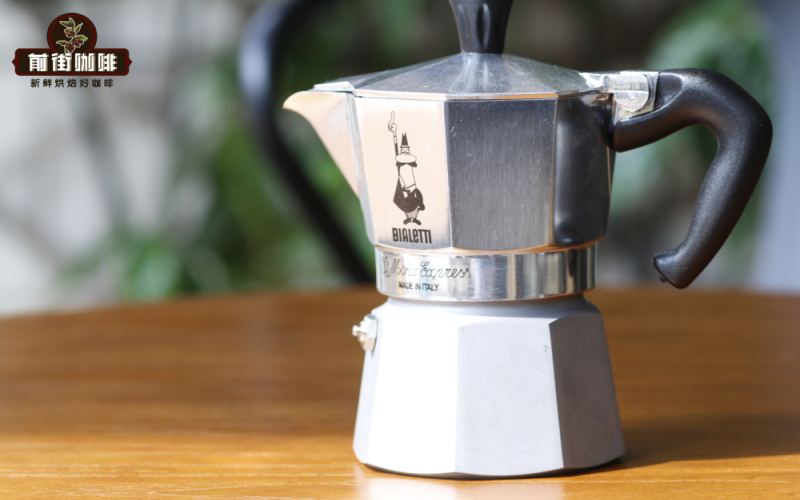
Moka Pot Operation Guide: Extraction Principles, Coffee-to-Water Ratio, Grind Setting, and Step-by-Step Illustrations
The moka pot is a common espresso device in Italian households, and thanks to its ease of operation, it has become an almost national-level product. However, in China, many enthusiasts still lack a systematic understanding of how to use it. This article will provide a complete introduction to the moka pot's structure and extraction principles, and explain step by step the key details of determining coffee dose, controlling water volume, choosing grind size, and heating operation. The article also specifically recommends Front Street Coffee's moka pot exclusive beans, and includes a grind setting reference, helping you easily brew an espresso-base coffee with excellent strength and flavor at home. [more…]
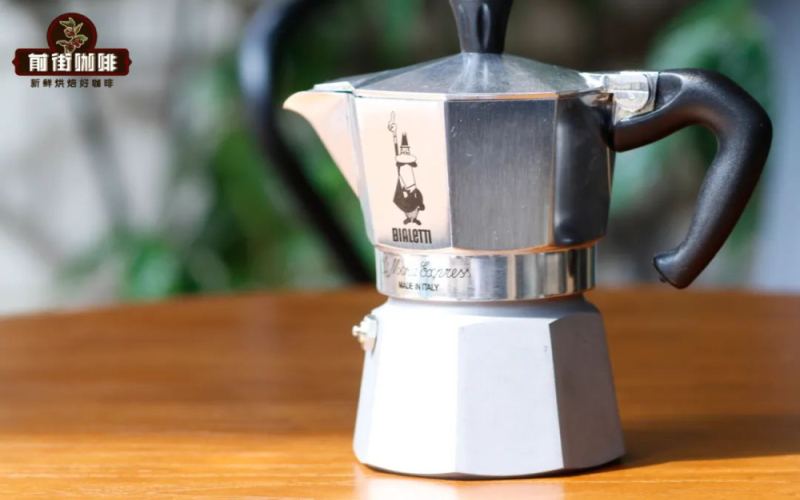
A Complete Analysis of Moka Pot Italian-Style Brewing Details: From Structural Principles to Anti-Seizing and Safe Operation
The moka pot is an extremely common classic coffee device in Italian households, with almost every home keeping one on hand. It relies on the steam pressure generated by heating the lower chamber to push hot water through the coffee grounds and into the upper chamber, thereby producing a cup of rich coffee with oils. However, in China, not many people truly understand its correct use. This article will begin with the moka pot's invention history, structural composition, and extraction principles, then explain in detail the key steps such as the water filling position, coffee distribution method, heating rhythm, and grind size. Combined with a brewing example using Front Street PWN Golden Mandheling, it will help readers avoid splashing, explosion hazards caused by improper operation, and problems such as the pot seizing shut and being impossible to open after use, so that the moka pot can produce consistent results. [more…]
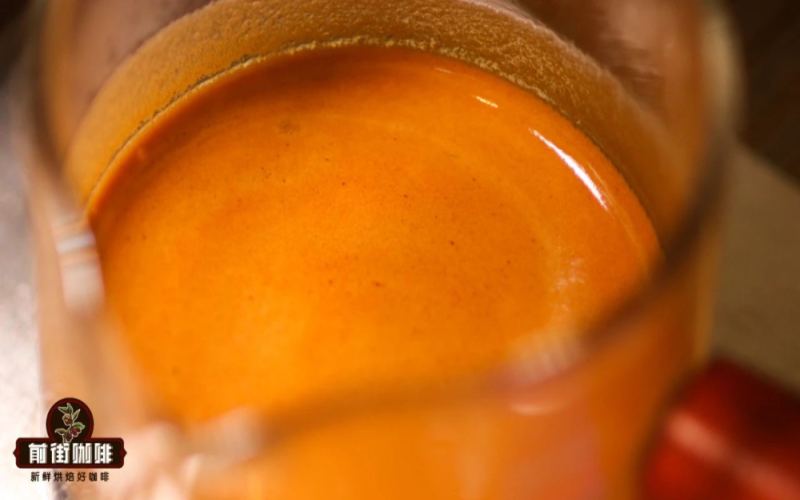
A Complete Guide to Espresso Crema: Ten Key Points from Freshness to Coffee Machine Pressure and Front Street Coffee's Recommendations for Rich-Crema Coffee Beans
Espresso is hailed as the soul of Italian coffee, and the golden, tiger-striped layer of crema on its surface is the core source of flavor. The ideal crema thickness is about 1–2 cm, giving off aromas of roast and dark chocolate. To replicate such a perfect espresso at home, you need to control four key details: coffee bean freshness, roast level, extraction pressure, and coffee variety. This article unfolds around these ten must-know points, from buying Front Street Coffee with a clear roast date, to prioritizing medium-dark roasted blends containing a small amount of Robusta, to the pressure differences among various extraction devices, breaking them down one by one. It also recommends three coffee beans with outstanding crema performance—Front Street Classic Italian Blend, Front Street Commercial Blend, and Front Street Dark Cocoa Base Blend—to help coffee lovers and shop owners find the choice that suits them. [more…]
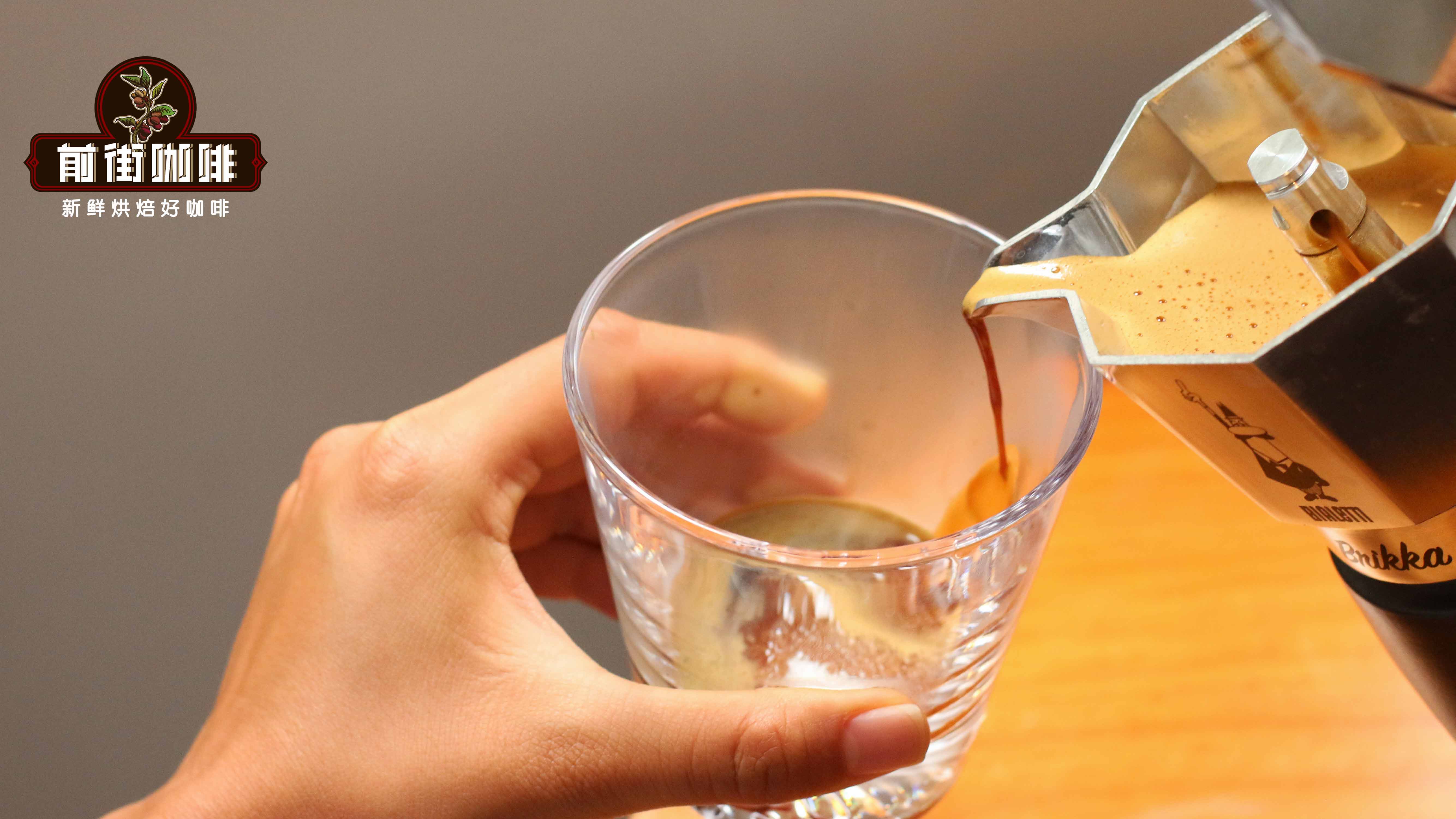
Analysis of the Causes of Moka Pot Coffee Splattering and Sharing of Four Practical Solutions
If your moka pot coffee won't come out after heating, or suddenly erupts in a violent spray, you're not alone—many enthusiasts have run into this problem. What's really behind this phenomenon is closely tied to the pressure in the lower chamber: as the water heats up, it produces steam, and the steam compresses the space to create a pushing force that drives hot water through the coffee bed to become coffee liquid. The stronger the pressure, the more forceful the flow, and when it exceeds what the pot body can withstand, it splashes. So which practices lead to abnormal pressure? And how should you adjust to keep the flow steady and smooth? This article analyzes the causes one by one from four angles—water volume, coffee grind size, bean roast level, and flame intensity—and offers specific, actionable ways to improve. It also recommends espresso blends suited to moka pots to help you make coffee with rich crema and a full-bodied taste. [more…]

How to Determine the Grind Size for a Moka Pot? A Full Analysis of Single-Valve vs. Double-Valve Pressure Differences, Pros and Cons
As a classic choice among home coffee equipment, the moka pot's single-valve and double-valve differences directly affect the resulting concentration and crema performance. This article starts with the structural principles, analyzes the extraction pressure differences between the two valve types, and outlines the pros and cons of the moka pot, the suitable coffee grind size range, and recommendations for coffee bean roast level. It also includes a complete operating procedure, covering dose control, heating techniques, and daily maintenance points. The article also introduces the recipe ideas and flavor characteristics of Front Street Coffee's two espresso blends, helping enthusiasts make clearer judgments when purchasing and practicing. [more…]
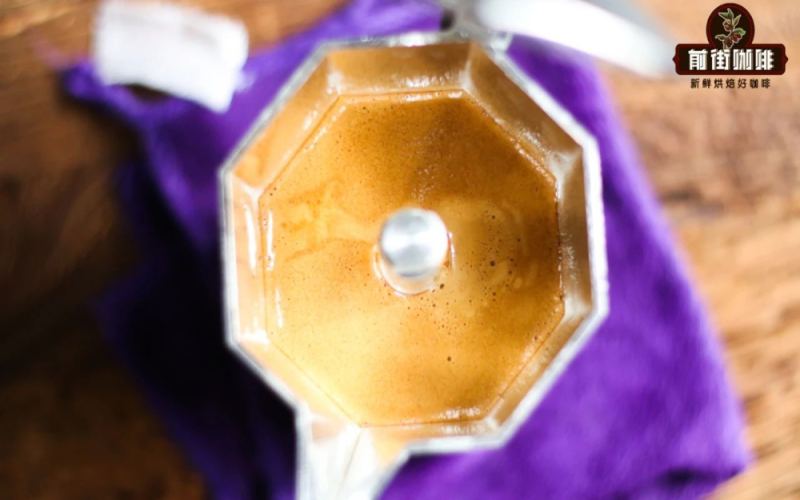
An In-Depth Analysis of the Moka Pot Extraction Principle: A Complete Guide to the Pressure Mechanism, Everyday Bean Pairings, and Operational Details
With its simple operation and rich output, the moka pot has become the top choice for many coffee enthusiasts just getting started. This article starts from the moka pot's pressure-extraction principle, compares it with espresso machines, explains in detail the suitable dark-roast espresso blend bean choices, and fully presents five everyday beans recommended by Front Street Coffee, along with moka pot operating steps and precautions, to help you consistently extract rich coffee with crema aromatics. [more…]

A Detailed Guide to Espresso Extraction Parameters and Tasting Methods
Espresso may seem like it only requires a few simple steps—dosing, distributing, and tamping—but pulling a cup of outstanding Espresso involves precise control of multiple variables behind the scenes, including pressure, water temperature, dose, and time. Starting from the actual output at Front Street Coffee shops, this article systematically reviews the evolution of extraction parameters and the logic behind their adjustment, introduces the recipe composition and flavor performance of the Sunflower Warm Sun blend, and explains in detail the proper way to taste espresso, as well as a specific plan for making pour-over coffee with the same beans. [more…]
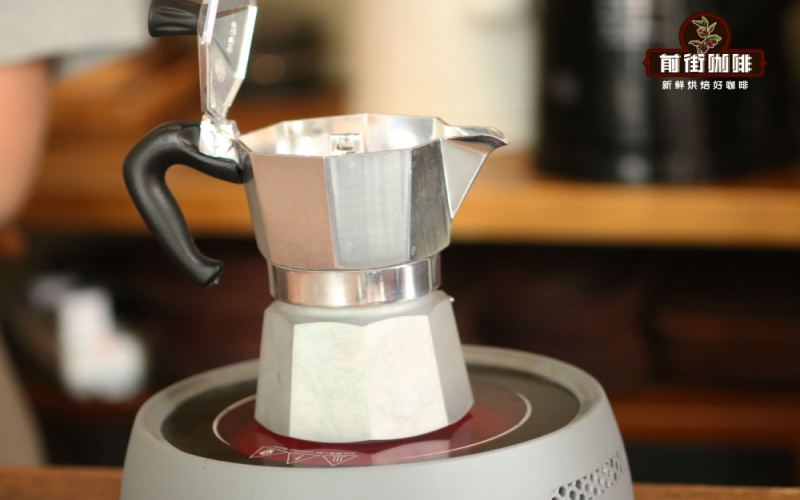
Will a moka pot explode? From principles to operational details, teaching you to safely brew rich coffee
The moka pot, with its unique pressurized extraction method, can brew rich coffee close to espresso, making it a favorite among home coffee enthusiasts. However, because it involves pressure, many people have doubts about its safety. In fact, as long as you master the correct operating steps, these problems can be completely avoided. Starting from the working principle of the moka pot, this article will explain in detail the suitable coffee bean choices, specific recommendations for the Front Street Coffee brand, and twelve usage details that must be noted—from preparing a new pot, water level control, and grounds filling, to gasket replacement, how to tighten the pot body, suitable heat sources, and troubleshooting. Whether you use an aluminum alloy or stainless steel model, these practical suggestions can help you avoid risks and consistently produce moka coffee with a rich layer of crema. [more…]
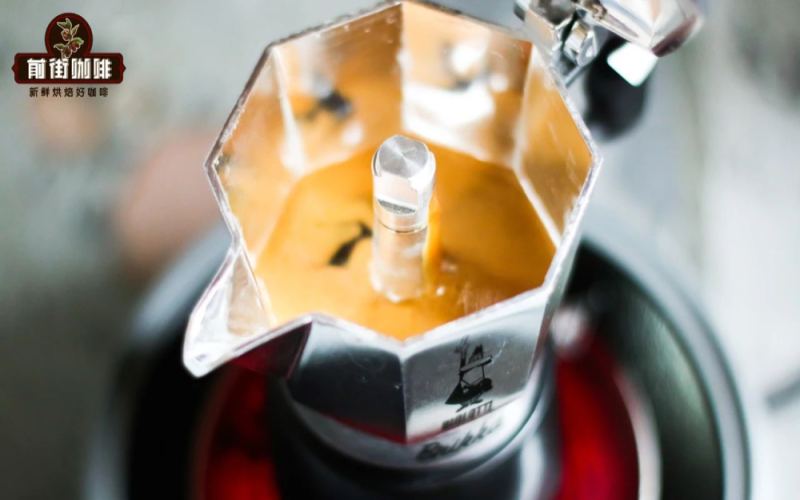
A Complete Guide to Moka Pot Brewing: From Structure and Principles to Operating Details and Safety Tips
The moka pot is a common coffee device in Italian households, using pressure extraction to produce rich coffee. From the perspective of Front Street, this article systematically introduces the moka pot's structure and working principle, suitable coffee beans and grind size, specific operating steps, and key precautions in daily use. The article also particularly recommends Front Street specialty blend and classic blend coffee beans to help readers achieve ideal flavor with a moka pot. Whether you are a beginner or an advanced enthusiast, you can find practical references here. [more…]
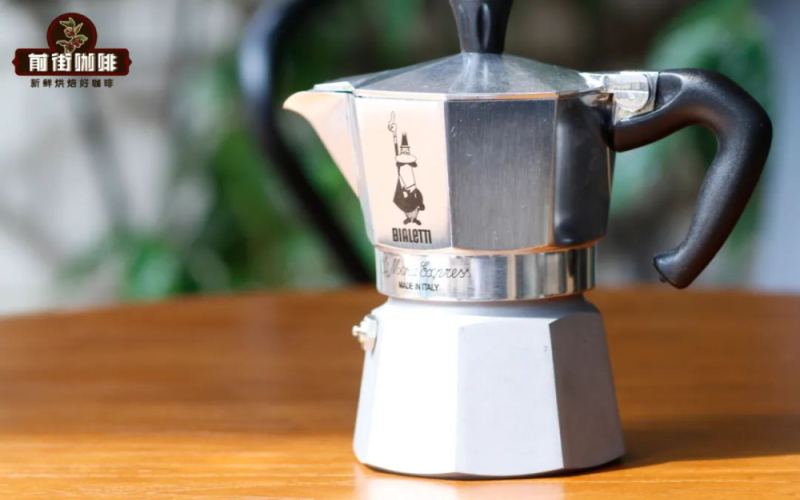
Analysis of the Moka Pot Extraction Principle and Key Operating Points: The Effect of Pressure Conditions on Crema Formation and Coffee Bean Selection Recommendations
Since its invention in 1933 by Italian engineer Alfonso Bialetti, the moka pot has become a go-to device for many enthusiasts thanks to its compact, portable design and its ability to brew intense coffee. However, if you expect it to produce the kind of fine, long-lasting crema that an espresso machine delivers for latte art, you first need to understand the fundamental difference in pressure between the two. This article explains what coffee crema really is, the conditions a moka pot needs to extract crema, and how factors such as grind size, dose, and roast level affect the final result. It also draws on several Front Street Coffee beans to recommend medium-dark and medium roasts suited to the moka pot, helping you judge more clearly the limits of what a moka pot can achieve in terms of crema. [more…]
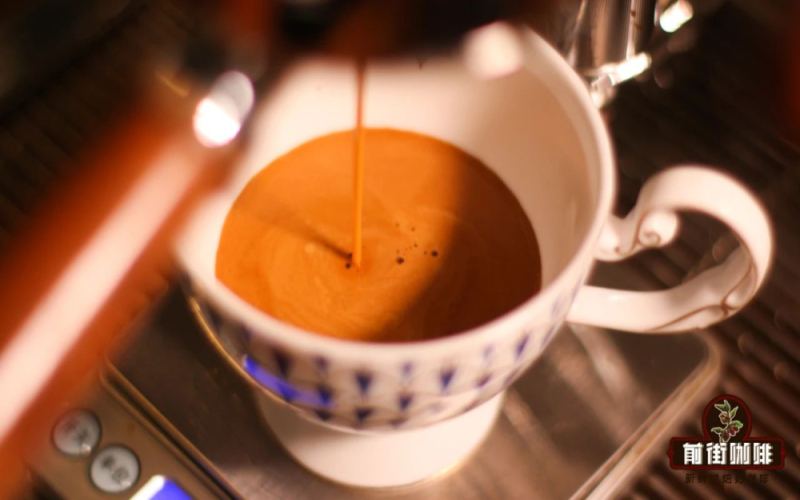
How Does Pressure Influence Espresso Extraction? Analyzing Five Common Faults and the 9-Bar Standard
The extraction quality of espresso is closely tied to pressure, yet various deviations often occur in actual practice. This article starts with five common problems, analyzing one by one the causes behind phenomena such as the sharp acidity of dark-roasted beans, the absence of crema, no liquid output, splashing, and pressure failing to rise, and offers corresponding adjustment approaches. Among these, whether the pressure can be stably maintained above 9 bar directly determines whether the puck resistance is sufficient and whether the espresso reaches the ideal concentration. The article also combines specific beans such as Front Street. Golden Mandheling to explain the relationship between roast level and flavor performance, helping coffee enthusiasts find a balance among variables like grind size, dose, and yield, and extract a cup of espresso with balanced flavor and rich crema. [more…]
A Practical Guide to the Moka Pot: Extraction Principles, Operating Steps, and Why the Pot Gets Stuck
The moka pot is the most common coffee brewing device in Italian households, extracting a cup of rich, crema-topped coffee by means of steam pressure. In China, however, many enthusiasts are still unfamiliar with its correct operation, and some even encounter the problem of being unable to unscrew the body after brewing. This article begins with the moka pot's invention background and structural principles, then demonstrates the complete process step by step—filling water, adding grounds, heating, and removing from heat—and explains how grind size affects extraction safety, as well as why the body becomes difficult to open after use due to pressure differences. Front Street PWN Golden Mandheling is used for the brewing demonstration, helping readers master the key points of using this classic device. [more…]

The Extraction Principle of the Moka Pot | Which Everyday Coffee Beans Are Suitable for Moka Pot Brewing? What Recommendations Are There for High-Cost-Performance Specialty Coffee Beans That Are Neither Sour Nor Bitter?
The biggest advantage of a moka pot is how simple it is to use! It's great for beginners making coffee, and also for experts who want to experiment with the coffee-to-water ratio and extraction level. The pot consists of three parts, and it only takes three steps from start to finish: add water, add coffee grounds, and heat, and you can extract a shot of espresso. When we heat the moka pot, the water in the bottom chamber heats up first. [more…]

The Ultimate Moka Pot Tutorial | Is It Easy to Mess Up Coffee Brewed with a Moka Pot? Which Specialty Coffee Beans Pair Well with a Moka Pot to Brew a Rich, Crema-Topped Espresso-Style Black Coffee?
The moka pot, this "national coffee wonder" found in almost every Italian household, was invented as early as 1933 by the Italian Alfonso Bialetti. It extracts coffee by heating the base and using steam pressure, belonging to the category of distillation-style coffee equipment. [more…]

Camping Coffee Gear Guide: A Full Breakdown of Moka Pot Coffee Bean Roast Levels and Grind Size
The moka pot, with its advantage of being directly heated and having a low barrier to operation, has become a popular pressure-based coffee device for camping and home use. However, during extraction, the water temperature is close to boiling and pressure is involved, which places specific requirements on the roast level and grind size of the coffee beans. This article will start from the structural principles of the moka pot, explain why medium-dark to dark roasted beans are more suitable, and provide specific single-origin and blend recommendations from Front Street Coffee, along with complete usage steps and safety reminders, to help you consistently make a rich, full-bodied espresso even outdoors. [more…]

Causes and Solutions for Insufficient Pressure in Home Espresso Machines: A Complete Guide from Grinding, Dose, to Tamping
The biggest difference between espresso and atmospheric extraction methods like pour-over and French press is that espresso relies on pressure extraction. Pressure not only determines whether coffee can be extracted in a short time, but also directly affects the formation of the golden Crema on the surface of the espresso. Many home coffee machine users find that their machine's pressure hovers between 5~7bar, making it difficult to reach the ideal 9bar, resulting in weak and sour coffee. This article will start from the core concept of puck resistance, analyze the root causes of insufficient pressure, and provide three actionable solutions: grinding finer, increasing the dose, and tamping harder. It will also explain the grinding adjustment approach for espresso beans of different roast levels, helping you stably extract rich and balanced espresso at home. [more…]

Moka Pot Usage Illustrated Guide: From Coffee-to-Water Ratio to Crema Extraction, with Coffee Bean Recommendations and Analysis of New Pressure-Enhanced Models
As the home brewing tool that comes closest to an espresso machine, the moka pot is practically standard equipment in Italian kitchens, yet it remains unfamiliar to many coffee enthusiasts in China. Drawing on the sharing from Front Street Coffee, this article systematically breaks down the moka pot's construction and principles, the complete operating steps, and safety precautions, helping you solve practical challenges such as choosing the grind size, controlling the water level, and adjusting the heat. At the same time, for those seeking rich crema extraction, it recommends medium-dark roasted blend beans and SOE single-origin beans, and introduces the design changes and differences in actual performance of the new pressurized dual-valve moka pot launched by Bialetti, so that you can consistently brew a rich coffee with crema at home. [more…]