







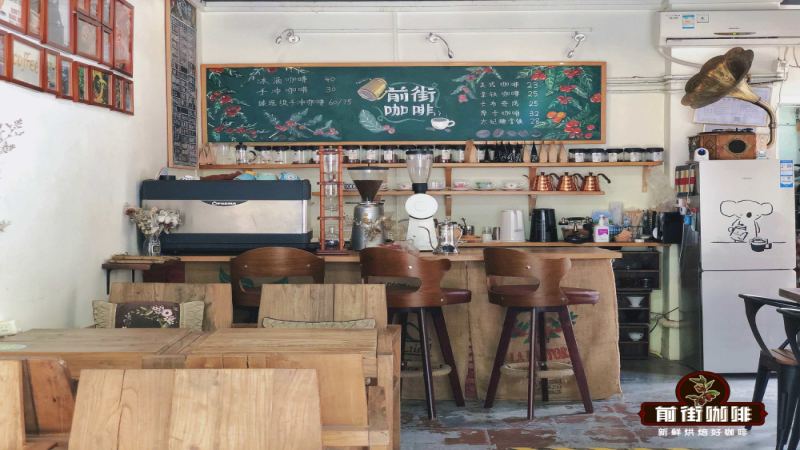
Espresso may seem to involve only a few simple steps—dosing, distributing, and tamping—but extracting a cup of exceptional quality Espresso requires precise control over multiple variables including pressure, water temperature, dose, and time. Starting from the actual output at Front Street Coffee stores, this article systematically reviews the evolution of extraction parameters and the logic behind adjustments, introduces the formula composition and flavor performance of the Sunflower Warm Sun blend, and explains in detail the correct way to drink espresso, as well as specific methods for making pour-over coffee with the same beans.
For more specialty coffee knowledge, please follow the WeChat public account: FrontStreet Coffee
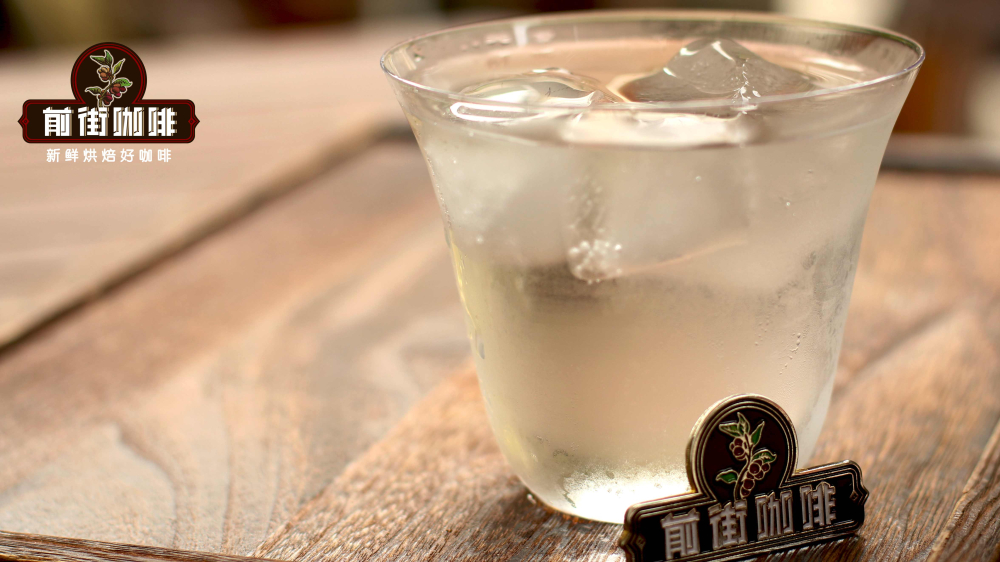
In cold seasons, many customers walk into Front Street stores and the first thing they do is order a steaming hot latte. After tasting the abundant whisky aroma in Front Street's latte, they often get the idea of experiencing espresso directly. However, after watching Front Street's baristas at work, they find that although they only ordered one espresso, an extra glass of ice water comes with it. Front Street believes that many people trying espresso for the first time will have similar confusion: how exactly should espresso be drunk? There is already water in the cup, so why does the barista bring another glass of ice water?
Front Street has also encountered some customers who pour the espresso directly into the ice water. Espresso itself has a concentrated and intense flavor, and some people may not be quite used to it, so they mistakenly think the ice water is meant to dilute the espresso.
The production process of espresso seems not complicated on the surface: nothing more than dosing, distributing, tamping, then locking on the brew head and starting extraction, ultimately obtaining an aromatic, golden, viscous liquid. But truly making a cup of near-perfect espresso cannot be achieved without solid technique and rich accumulated experience.
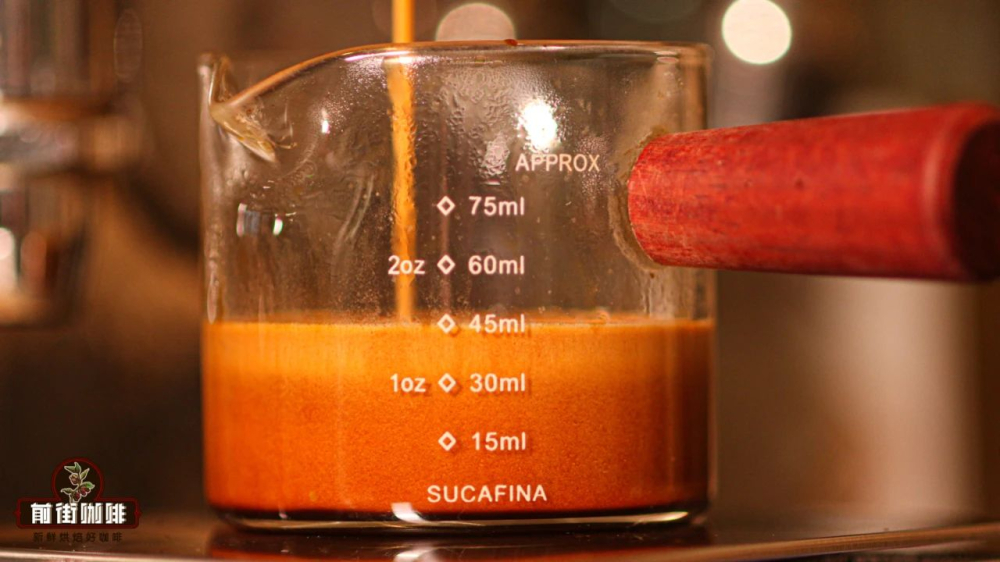
The Specialty Coffee Association of America (SCAA) once gave the following definition for making espresso: 9 to 10 bars of extraction pressure, 7 to 9 grams of coffee grounds, 88 to 92 degrees Celsius water temperature, 22 to 28 seconds extraction time, ultimately yielding 45 milliliters of espresso.
With the advancement of the third wave of
When actually extracting espresso, it is necessary to comprehensively consider many variables such as the ambient temperature and humidity, the roast level and freshness of the coffee beans, grind size, extraction pressure, and time.
Every day before official service, Front Street must calibrate these parameters one by one to ensure that the quality of the espresso served remains consistently stable.
When adjusting parameters, Front Street mainly focuses on several dimensions: grind level, extraction pressure, dose, and extraction yield.
[Grind Level] The finer the grind, the larger the contact area between the coffee grounds and water, and the more flavor compounds are extracted, but grinding too fine easily brings out over-extracted flavors; conversely, grinding too coarse results in under-extraction.
[Extraction Pressure] Early espresso machines had extraction pressure close to atmospheric pressure. When pressure is insufficient, the extracted crema is relatively thin, the flavor is weak, and the body is thin; if the pressure is too high, excessive pressure will overly damage the coffee structure and bring out flavor substances that are not needed, making it prone to bitterness.
[Dose] The amount of coffee grounds is usually determined by the capacity of the portafilter basket. Using too little easily leads to under-extraction; using too much may make it impossible to lock in the portafilter handle, preventing normal brewing.
[Extraction Yield] Generally speaking, an extraction ratio close to 1:2 is ideal. After extraction begins, as time passes, the earlier stage has a richer flavor and mouthfeel, while the later stage gradually becomes thinner.
FrontStreet Coffee’s espresso extraction parameters
Grinder: Galileo Q18
Grind level: 2.1
Coffee machine: Pegasus E98
Pressure: 9±2 bar
Temperature: 90–96°C
Dose: 19.5 g
Extraction yield: 35 g
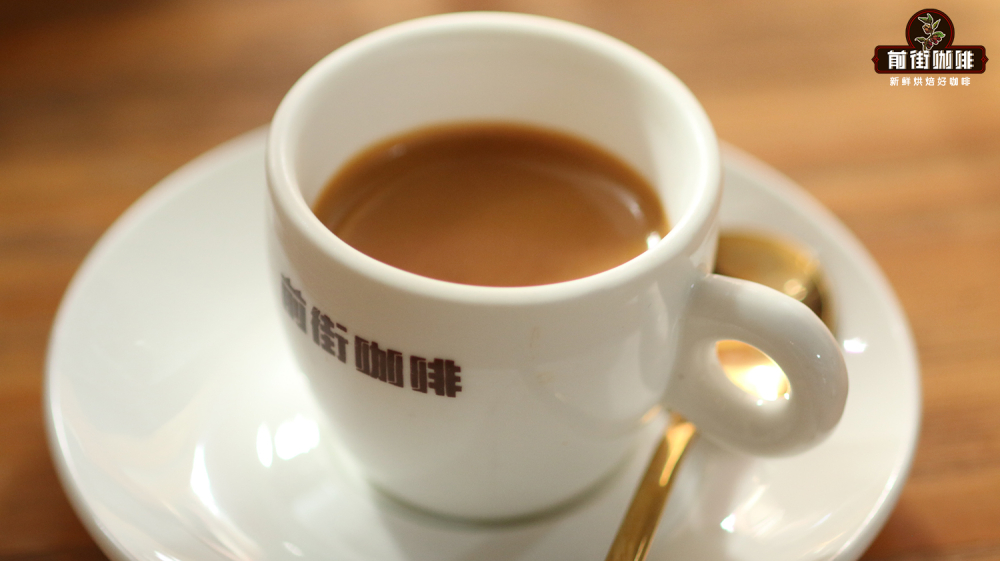
The espresso extracted by Front Street according to the above parameters has a rich whisky aroma on entry, with clearly distinguishable vanilla and cream flavors, accompanied by berry-like acidity, a long-lasting dark chocolate finish, and a thick, smooth mouthfeel.
Front Street Sunflower Warm Sun Blend coffee beans
Region: Honduras & Ethiopia
Varieties: Caturra, Catuai, Pacas, local native varieties
Processing method: washed & natural
The key reason this Front Street espresso blend can present such a rich whisky aroma is that it contains 70% Honduras Sherry coffee beans. After fine washed processing, Honduras Sherry coffee beans are placed in sherry whisky barrels for low-temperature fermentation for dozens of days, allowing the sweet sherry whisky aroma to gradually penetrate into the green coffee beans, and are then spread out in a cool place to dry, avoiding direct sunlight that would raise the temperature and cause the aroma to dissipate or even produce undesirable fermented flavors. The other 30% is Ethiopian natural Red Cherry, using the most primitive and traditional natural processing method, which brings the coffee beans a longer finish and more prominent acidity and sweetness.
FrontStreet Coffee’s pour-over coffee bean list also includes these two single-origin beans, Honduras Sherry and Ethiopian natural Red Cherry. Front Street needs to remind everyone here: do not get the idea of buying two single-origin beans and blending them yourself at home to make espresso. This is because the extraction methods are different, the flavor expression is different, and even the roast level is different. In order to avoid waste caused by not using up the coffee beans, when developing this espresso blend, Front Street already customized the blend with the dual needs of being suitable for both espresso and pour-over in mind.
Next, Front Street will talk about how exactly espresso should be drunk.
When serving espresso, FrontStreet Coffee usually includes a small spoon and a glass of ice water. Before drinking, take a sip of ice water to cleanse the palate, then use the small spoon to gently push aside the golden crema on the surface and observe the quality and condition of the espresso, then take a small sip and let the coffee linger briefly in the mouth to feel its flavor and mouthfeel. Rinse the mouth with ice water before each sip, so you can fully appreciate the flavor changes espresso presents at different temperatures. Of course, if it suits your personal habit, you can also stir the entire cup of espresso evenly with the small spoon before drinking.
If you want to use this espresso coffee bean to make pour-over coffee, Front Street recommends using a KONO dripper, a water temperature of 87°C, and a medium-coarse grind.
Dripper: KONO dripper
Water temperature: 87°C
Dose: 15 g
Coffee-to-water ratio: 1:15
Grind level: 70% passing rate on China standard No. 20 sieve
Pour water in a “の” shape to completely wet the coffee grounds and bloom for 30 seconds, then pour from the center point in a small stream, slowly circling until 125 g, then pause in stages. When the water level in the dripper is about to expose the coffee bed, continue pouring gently and slowly in circles until 225 g, then stop. The total extraction time is about 2 minutes.
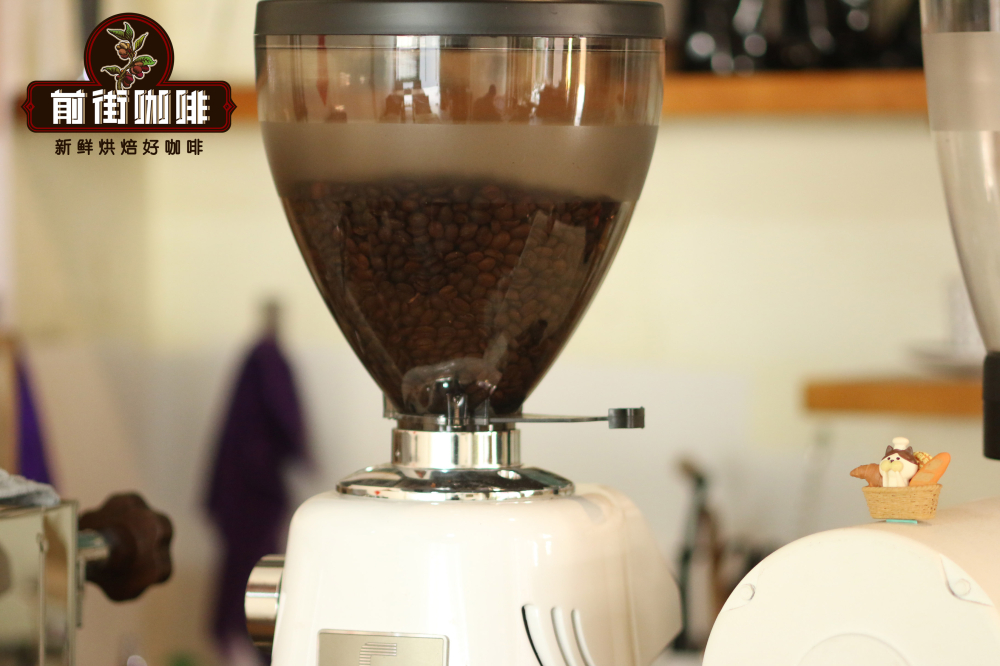
After this Front Street Sunflower Warm Sun Blend is extracted by pour-over, it also has a rich whisky aroma on entry, with obvious berry acidity and vanilla creaminess, and a full-bodied mouthfeel.
For more coffee bean information, please follow Coffee Workshop (WeChat public account: cafe_style) For professional coffee knowledge exchange, please add WeChat ID: kaixinguoguo0925
The above content is compiled by CoffeeHunters, a coffee news website.


