








Which Coffee Beans Work in a Moka Pot?
A moka pot heats directly on a camp stove or kitchen burner and needs no extra equipment, which makes it a common camping choice. Because water temperature approaches boiling and pressure is involved, medium-dark to dark roasted beans work better than light roasts. Grind finer than for a French press but not as fine as espresso.
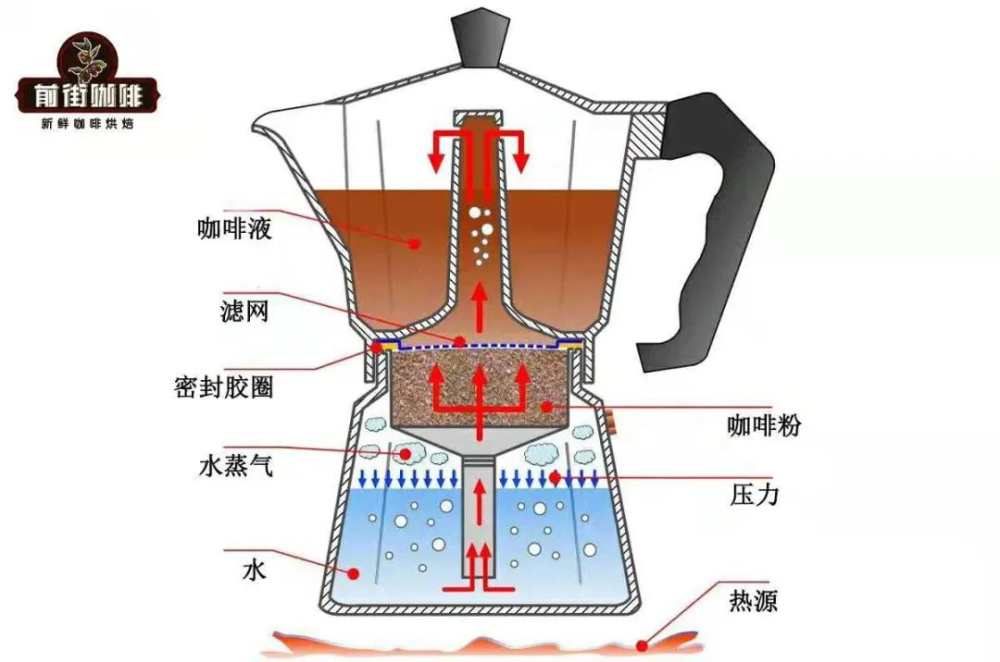
The device has an upper collector, a central column, a perforated filter plate with a gasket, and a funnel that holds the grounds while water travels from bottom to top. Despite the name, the result is not mocha coffee, which usually means milk coffee with chocolate or beans shipped from the port of Mocha; moka pot coffee falls into the espresso category.
The moka pot, with its ability to be heated directly and its low operating threshold, has become a popular pressure-type coffee device for camping and home use. However, during extraction, the water temperature is close to boiling and accompanied by pressure, which places specific demands on the roast level and grind size of the coffee beans. This article starts from the structural principles of the moka pot, explains why medium-dark to dark roasted beans are more suitable, and provides specific single-origin and blend recommendations from the Front Street brand, along with complete usage steps and safety reminders, to help you consistently make a rich, crema-filled espresso even outdoors.
Camping culture is increasingly popular among young people. To create a more complete outdoor atmosphere, many bring coffee devices that can be heated directly on a portable gas stove, making the moka pot a standard piece of equipment for many camping enthusiasts. It is favored for two reasons: first, it can be heated directly on a fire, and second, its operation is simple enough without the need for additional equipment. A gas stove, a pack of ground coffee, and a moka pot are all you need to leisurely spend a whole day enjoying the outdoor scenery.
With no cumbersome process and no need for professional coffee-making knowledge, you can easily make a cup of coffee whether in the mountains or at home. It can be said to be the pressure-type coffee extraction device with the lowest operating threshold on the market today. Although it is called a moka pot, the coffee it makes is not called mocha coffee—mocha coffee usually refers to milk coffee with chocolate added, or coffee beans exported from the port of Mocha. The coffee extracted from a moka pot essentially falls into the category of espresso.
The moka pot consists of several parts. The upper pot is collectively called the coffee collector, the central column is called the small column, and at the bottom of the collector there is a perforated filter plate, which serves to filter out the residue after coffee extraction. Around the outer edge of the filter plate is a gasket, which provides a seal.
The middle part is the key container for holding coffee grounds—the funnel. This funnel works in the opposite way to conventional ones; the water flows from bottom to top, and the funnel is responsible for holding the coffee grounds, not for gathering the water flow.
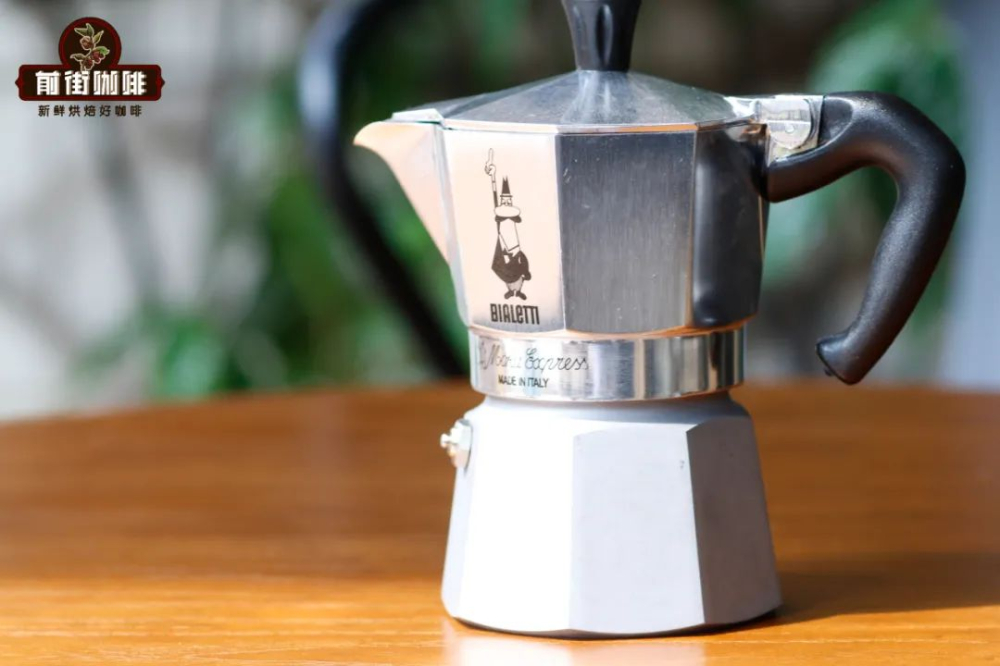
The lower pot is the heating vessel, used to hold clean water and heat it. On the wall of the heating vessel there is a metal part shaped like a nut—that is the safety valve, used to release pressure when the internal pressure exceeds the limit during heating. If the safety valve fails, there is a risk that the upper and lower pots may separate during heating, and at the same time, extremely hot coffee grounds or coffee liquid may splatter everywhere, causing personal injury and property damage.
Therefore, when buying a moka pot, do not blindly go for the cheapest one!!! It is recommended to choose a Bialetti brand moka pot, which is the oldest manufacturer currently selling moka pots on the market.
Back to the point. Because it is a directly heated coffee device, the temperature during brewing can reach as high as 100 degrees Celsius and generate pressure, with hot water quickly passing through the coffee grounds layer. If light-roasted coffee beans are used, their inherent acidity, when extracted under high pressure, tends to present a sharp sour taste; at the same time, light-roasted beans contain less carbon dioxide than dark-roasted beans, so the final espresso is also unlikely to form a golden crema.
The principle behind the formation of espresso crema is: the carbon dioxide in the coffee grounds, due to excessive pressure, puts the water in a supersaturated state with respect to carbon dioxide. The carbon dioxide cannot be released and can only dissolve directly into the coffee liquid. The appearance of crema makes the espresso taste fuller and rounder.
Therefore, it is recommended that everyone choose medium-dark to dark roasted single-origin coffee beans or blended coffee beans.
For single-origin coffee beans for the moka pot, prioritize purchasing Front Street Brazil Queen Estate SOE coffee beans (nutty, cocoa notes) and Front Street PWN Golden Mandheling SOE coffee beans (herbal, spice notes).
For blended coffee beans for the moka pot, it is suggested to choose Front Street Classic Italian Blend coffee beans (rich crema, dark chocolate butter aroma) and Front Street Strawberry Candy Italian Blend coffee beans (rose, grape, dried strawberry).
The method of using a moka pot is also quite simple~ Just be careful about burns!!!!!
1. Add hot water to the lower pot. The water level should not exceed the height of the safety valve, to avoid accidents caused by the inability to release pressure.
2. Fill the filter with ground coffee. The grind size should be based on pour-over coarseness; if you want it stronger, you can grind it a bit finer. Level off the excess grounds, reassemble in place, and place a filter paper to improve cleanliness.
3. After assembly is complete, put on the lid and place it on the heating device to heat. After the water boils, the water level rises and extracts the coffee liquid.
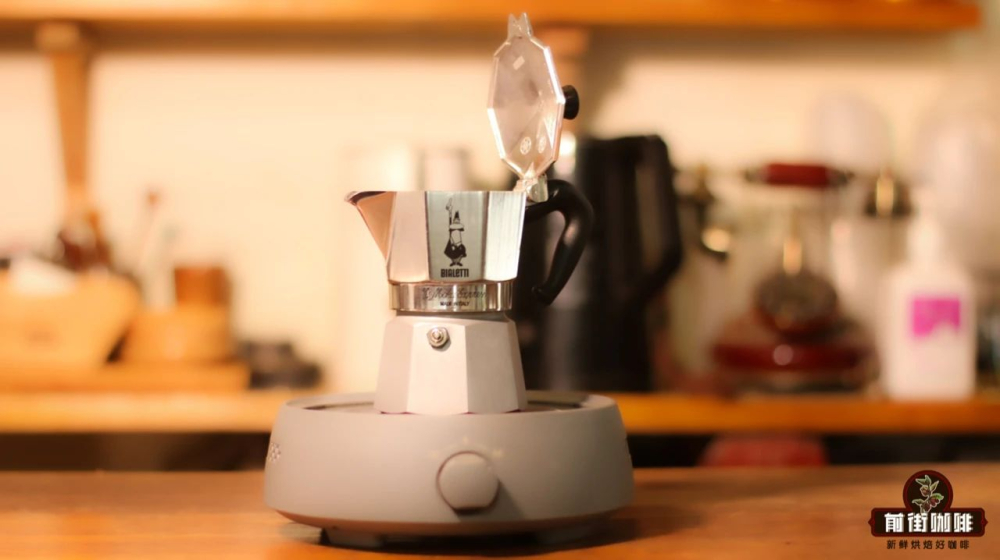
4. Wait for the hissing sound in the final stage of extraction. At this point, extraction is near its end, and you can turn off the heat to finish extraction. The total extraction time is about 5 minutes.
The above content is compiled by CoffeeHunters, a coffee news website.


