







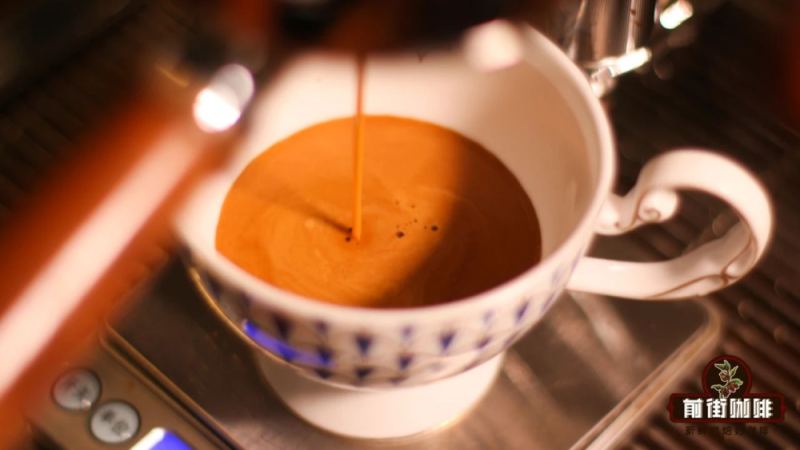
How does extreme coffee relate to espresso extraction pressure?
Espresso extraction depends on stable pressure, and holding above 9 bar keeps puck resistance high enough for a concentrated shot. When pressure drifts, five common faults appear: sour shots from dark-roasted beans, thin or missing crema, no liquid output, splattering, and pressure that fails to rise. Each points to a different cause, from grind size and dose to puck preparation.
Sourness in a dark roast usually means under-extraction, not the absence of acids; Front Street Golden Mandheling, a medium-dark roast with spice, roasted nut, and caramel notes, still carries slight acidity that other flavors normally mask. Lengthening the yield, grinding finer, or reducing the dose raises extraction. Checking the uses of coffee maker parts, like the pump and basket, helps trace the other faults.
The extraction quality of espresso is closely tied to pressure, but in practice various deviations often occur. This article starts with five common problems, analyzing one by one the causes behind phenomena such as sourness in dark-roasted beans, lack of crema, no liquid output, splattering, and pressure failing to rise, and provides corresponding adjustment approaches. Among these, whether pressure can be stably maintained above 9 bar directly determines whether the puck resistance is sufficient and whether the espresso reaches the ideal concentration. The article also uses specific beans such as Front Street. Golden Mandheling to illustrate the relationship between roast level and flavor performance, helping coffee enthusiasts find a balance among variables like grind size, dose, and yield, and extract a cup of espresso with balanced flavor and rich crema.
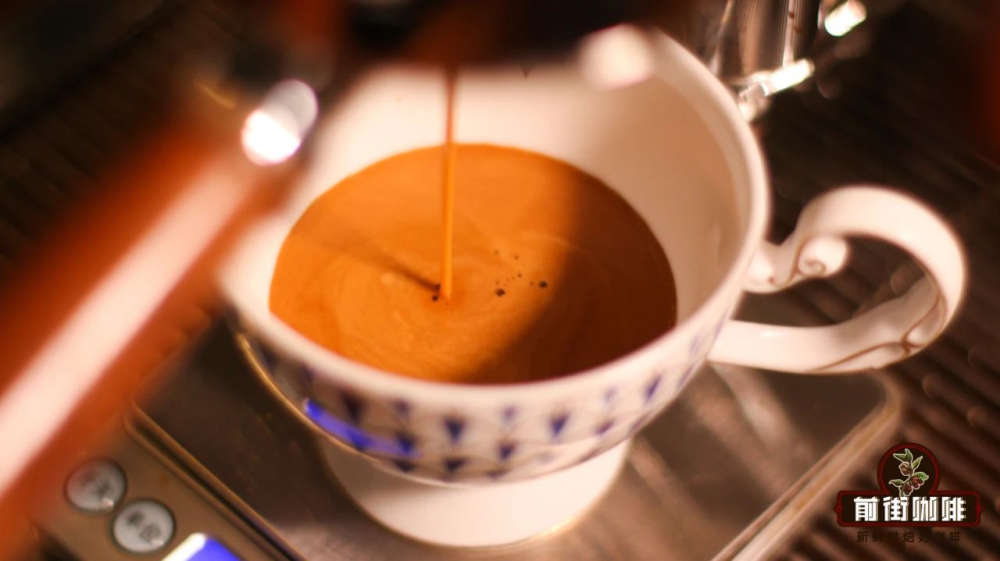
Common Espresso Machine Problem One: Using dark-roasted beans, but the extracted espresso is sour
This is a fairly common question in private messages! Although many friends use dark-roasted coffee beans, the extracted espresso shows a sharp sourness! This kind of situation is typically caused by "under-extraction."
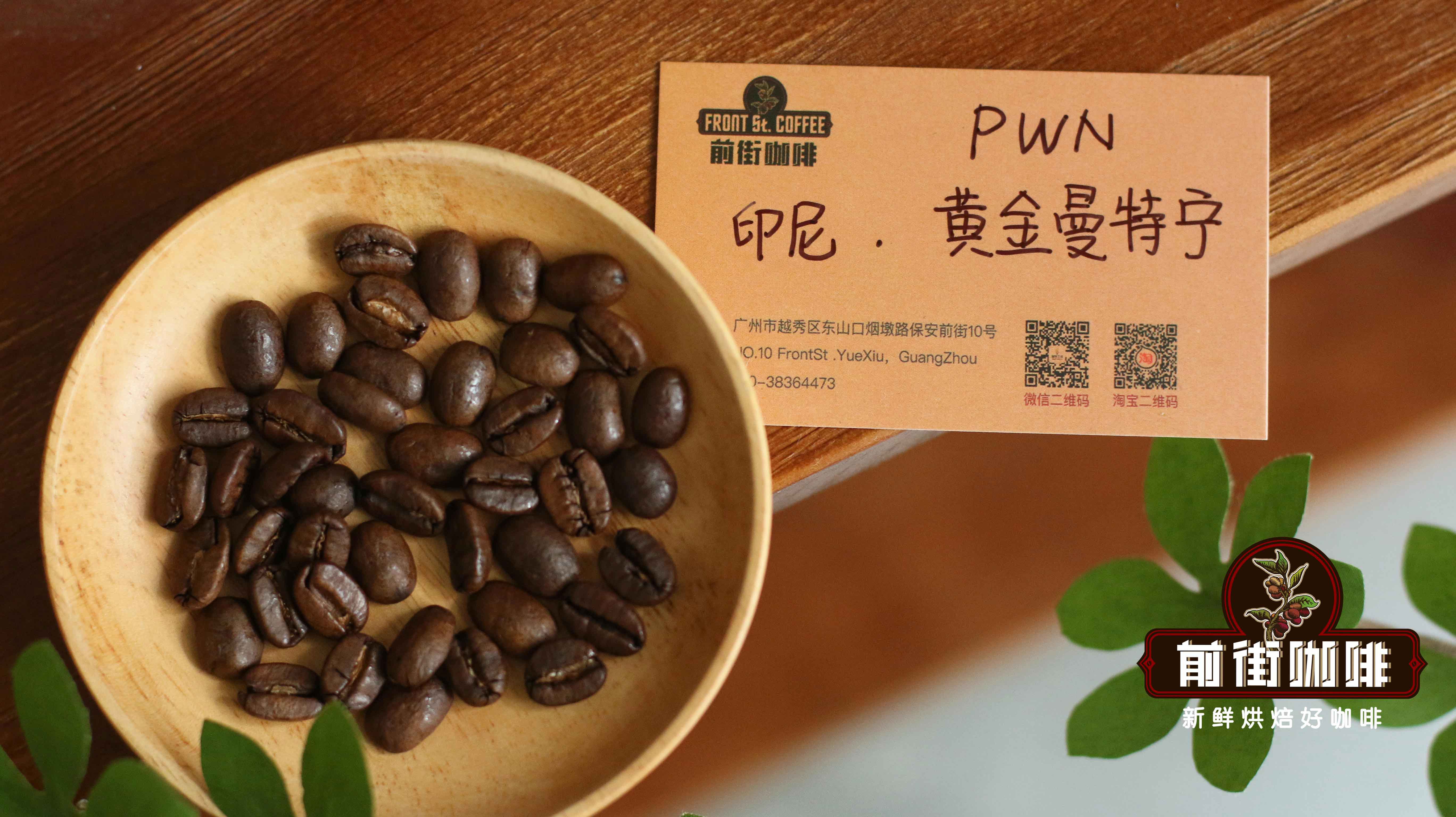
What we need to know is that dark-roasted coffee is not acid-free. For example, Front Street. Golden Mandheling is a medium-dark roast with rich spice, roasted nut, and caramel flavors, but as the temperature drops, you can actually taste a slight acidity in the coffee.
It's just that the proportion of sourness in the coffee is relatively small and gets masked by other flavors. With proper extraction, it tastes like a cup of coffee with no acidity. But when the coffee is under-extracted, the sweet and bitter flavors that could mask the sourness are not fully dissolved out. The coffee therefore shows an imbalanced flavor, with sourness "dominating alone," sharp and pungent.
This situation is easy to solve: lengthen the yield a bit, adjust the grind finer, or reduce the dose slightly. All of these can increase the extraction yield, allowing the flavors to fully dissolve, and the coffee won't show sharp sourness anymore!
Common Espresso Machine Problem Two: The extracted coffee has no crema
The extracted espresso's crema being thin or completely absent is also one of the common problems. This kind of problem is often accompanied by the coffee liquid seeping out rapidly during extraction. Although a lighter roast level and longer storage time of the beans will lead to a corresponding reduction in crema, the extracted coffee crema will still have a certain thickness—not thin or completely absent.
So the problem is obvious: it's caused by grinding too coarse. When the grind is too coarse, the puck cannot have enough resistance against the high-pressure hot water, and the carbon dioxide released by the hot water is difficult to wrap into the crema to form a golden-brown crema. In this case, adjusting the grind finer is the best choice~
Common Espresso Machine Problem Three: No liquid comes out
This problem is the opposite extreme of the one above! After pressing the extraction button, the coffee stubbornly fails to seep out from the portafilter basket, and only after十几 seconds or even twenty seconds does it barely squeeze out a drop of black liquid.
Common Espresso Machine Problem Four: Splattering occurs during extraction
If you're using a bottomless portafilter, then I believe the thing you hate most to see during extraction is the coffee liquid splattering and spraying everywhere. Not only is the flavor prone to deviation and lacking crema, but the coffee liquid gets everywhere, requiring extra effort to clean up!
This situation is the phenomenon caused by channeling. Inert water will automatically flow toward places where it can flow easily. When it finds areas in the puck with larger gaps and lower density that are easy to pass through, it will concentrate its flow toward these gaps, causing uneven extraction.
There are many factors that cause channeling, such as uneven distribution, clumping of coffee grounds, and so on. We can solve them through corresponding solutions.
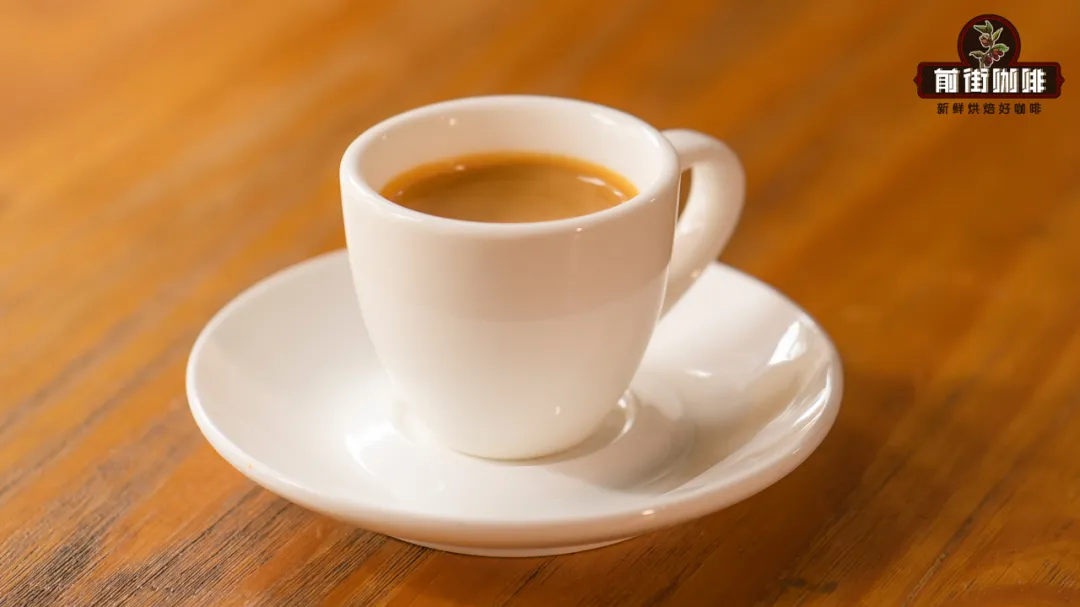
Common Problem Five: Pressure won't rise
Pressure is one of the important extraction parameters for espresso. Under normal circumstances, the pressure gauge needle will remain continuously in the range above 9 bar during extraction. If it is far below this range and won't rise, then similarly, it is caused by insufficient puck resistance. This situation mostly occurs on home espresso machines.
The appearance of this situation inevitably means you cannot extract a high-concentration coffee with suitable flavor! So, if you want to obtain a standard, delicious espresso, the best approach is to increase the puck resistance by adjusting the grind finer, adjusting the dose, and so on. That way the pressure can rise, and the extracted espresso will not only have a suitable extraction yield but also a sufficiently high concentration~
The above content is compiled by CoffeeHunters, a coffee news website.


