







Search Results for: Pour-over coffee misconceptions
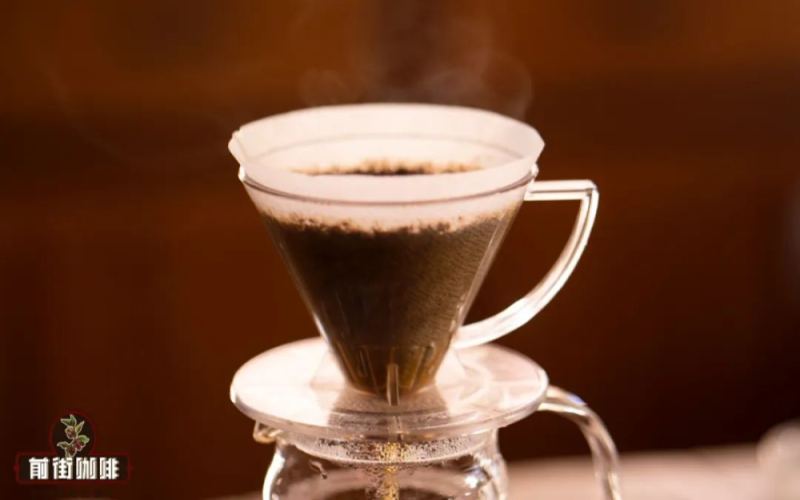
Five Common Misconceptions When Learning Pour-Over Coffee on Your Own: A Comprehensive Analysis from Brewing Logic to the Golden Cup Extraction
On the journey of learning pour-over coffee on your own, information is scattered and channels are many. Without guidance, it is easy to fall into certain deep-rooted misconceptions. Today, Front Street Coffee will sort out five of the most common "knowledge minefields" for everyone: from blindly pursuing brewing techniques and confusion over bloom timing, to judging freshness by the dome, using flow cutoff to avoid bitterness, and then to excessive superstition about the Golden Cup extraction. These misconceptions may seem minor, but they directly affect your understanding of extraction principles and the final presentation of flavor. Only by clarifying the underlying logic and understanding the interactive relationship among water temperature, grind size, and coffee-to-water ratio can you truly master different brewing methods and let every bean release the brilliance it deserves. [more…]
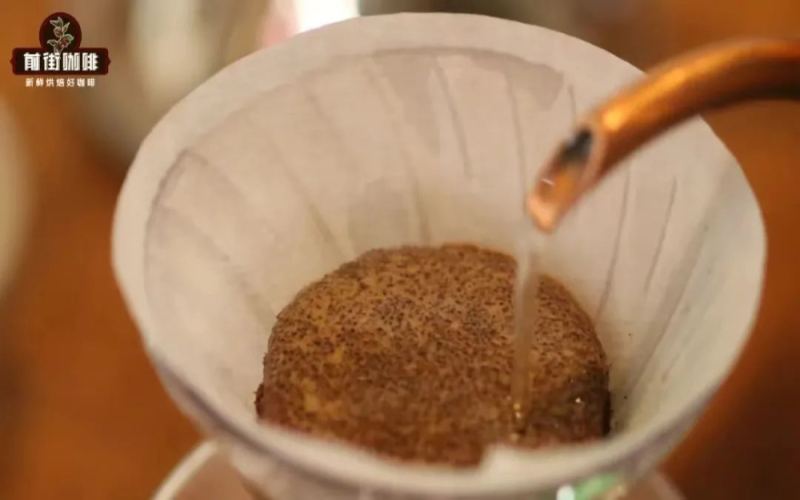
Five Common Operational Mistakes in Self-Learning Pour-Over Coffee, Analyzed One by One by Front Street Coffee with Correct Practices
In the process of learning pour-over coffee on their own, many enthusiasts unconsciously develop some not-so-correct operating habits. Front Street Coffee has summarized the five most common misconceptions: the choice of the starting point for bloom timing, imitating baristas in swirling and pouring water, mistakenly believing that a small stream is the most stable, using a large stream to wash down the coffee bed at the end, and removing the dripper before the coffee liquid has finished draining. These practices may each seem reasonable, but in fact they all have a negative impact on the final flavor. This article will analyze the principle behind each misconception one by one, explain why these operations cause problems, and give the correct alternatives recommended by Front Street to help everyone establish more scientific and more stable brewing habits. [more…]
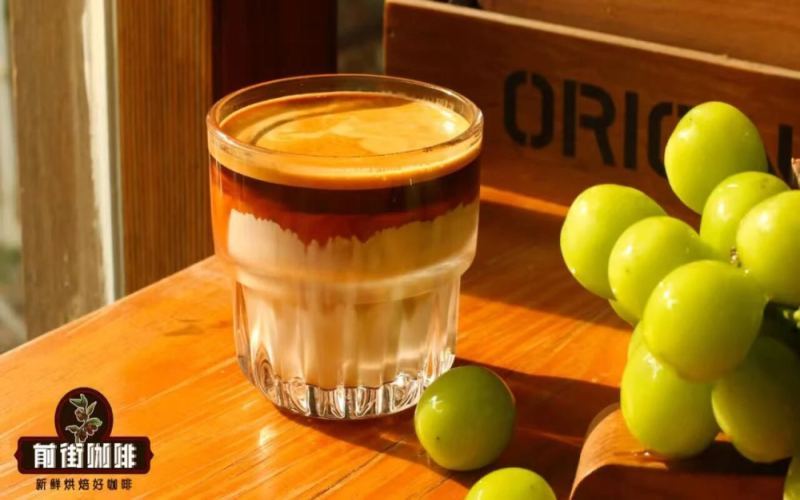
What Is SOE Coffee? Clearing Up Misconceptions, Key Buying Tips, and Front Street Coffee Bean Recommendations
SOE coffee beans have been a hot topic in the specialty coffee scene in recent years, but do you really understand them? This article will systematically explain the definition of SOE—espresso made with single-origin single-varietal beans—review its development trajectory since its birth in 2007 and its gradual spread across North America, and break down one by one cognitive misconceptions such as "SOE is definitely tastier than blends" and "SOE is necessarily more high-end." The article also compares the differences between single-origin pour-over and SOE in terms of roasting positioning and extraction methods, reminding everyone that single-origin beans, as agricultural products, naturally have flavor fluctuations. Finally, it includes three groups of SOE bean lists carefully selected by Front Street, each with a different style, covering different taste needs such as floral, high-sweetness, and low-acidity, helping you choose the beans you like. [more…]

Replicating Café-Style Pour-Over at Home: The Core Philosophy of Three-Pour Brewing and Common Misconceptions
Many coffee enthusiasts have experienced this confusion: they bought the same beans as the coffee shop, strictly replicated the ratio, grind size, and water temperature, yet the coffee they brewed still fell a bit short. In reality, the secret of pour-over coffee lies not just in the parameters themselves, but in understanding the logic of brewing. This article will center on the core philosophy of three-stage pouring, offering an in-depth analysis of the correct way to brew coffee grounds, exploring whether brewing coffee truly requires skill, and revealing those easily overlooked details. Whether you are a beginner just starting out or an advanced player hoping to refine your craft, you will find the key to elevating the flavor in your cup. [more…]
From Water Temperature to Coffee-to-Water Ratio: Key Practical Points and Common Misconceptions in the Entire Pour-Over Coffee Process
To brew a great cup of coffee, good beans alone are far from enough—storage method, grind size, water temperature, and brewing technique all directly affect the flavor of the final cup. This article explores seven key details in coffee making, from the temperature threshold for avoiding bitterness, to the golden ratio of coffee to water, to the flavor tipping point of holding time, offering practical advice for each. Whether you prefer drip equipment or other brewing methods, these principles will help you avoid common pitfalls and consistently reproduce a clean, balanced, and fresh cup of coffee. [more…]
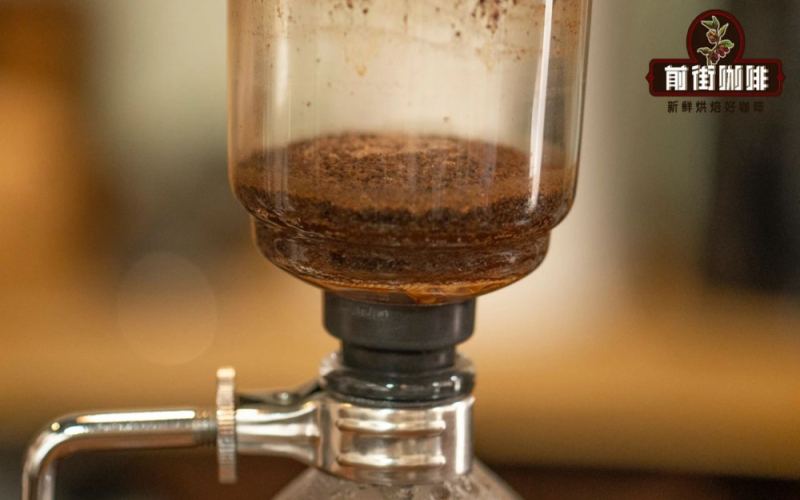
Siphon Coffee Brewing Temperature and Key Operating Points: A Comprehensive Analysis from Principles to Common Misconceptions
Although the siphon brewer involves many steps and takes a fair amount of time—keeping it from becoming as mainstream for daily use as pour-over—its unique visual performance and distinctive cup profile have truly won over a devoted group of enthusiasts. Today, Front Street Coffee will start with the operating principle of the siphon brewer to help you understand how thermal expansion and contraction drive extraction, then gradually sort through the pitfalls and dangerous practices that are easy to stumble into during use, so as to avoid pot-explosion accidents. At the same time, we will also explain the approach to temperature control during brewing, making the whole process both safe and fun, so you can easily make a cup of distinctive siphon coffee. [more…]
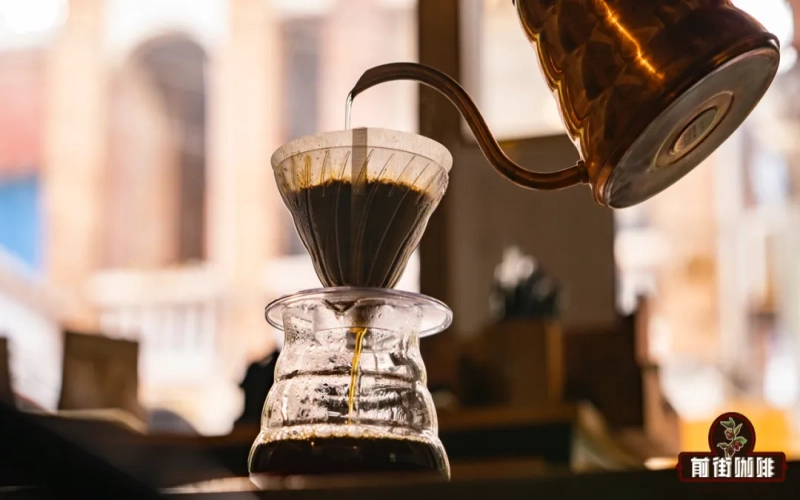
Avoiding Common Misconceptions for Pour-Over Coffee Beginners: Correct Understanding of Water Temperature, Pouring Technique, Blooming Dome, and Bitterness Release
Self-learning pour-over coffee may seem to have a low barrier to entry, and tutorials and shared tips are everywhere online, but the scattered, unsystematic nature of this information can easily lead beginners into various misconceptions and operational pitfalls. This article compiles the frequently asked questions Front Street Coffee has recently received, covering common myths one by one: understanding extraction parameters, the habit of washing the coffee bed wall while pouring, the pros and cons of pouring from a high position, whether a lack of blooming means the beans are not fresh, and whether bitterness is only released in the final phase. Whether you are just starting out with pour-over or have been brewing for a while but still find the flavor falls short of expectations, you can use this to check yourself, avoid these easily stumbled-into traps, and make your extraction more stable and your coffee taste better. [more…]
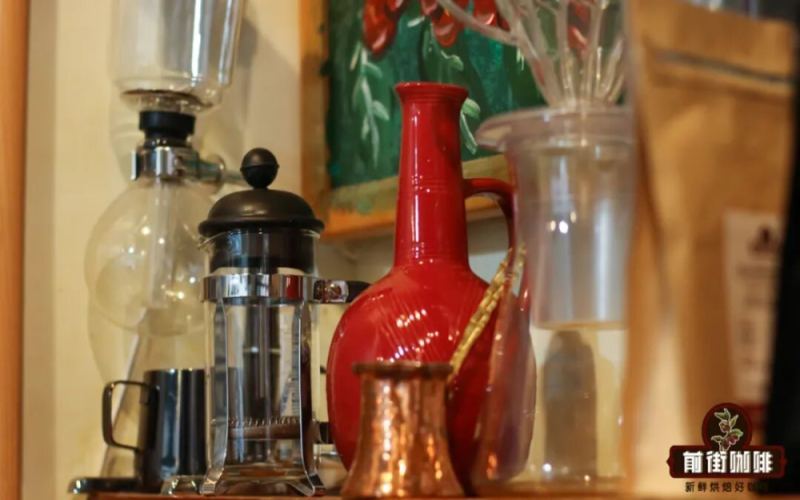
Why Is Pour-Over Coffee the Top Choice for Specialty Coffee Shops? An In-Depth Analysis of Six Major Advantages and Clarification of Calorie Misconceptions
Many coffee enthusiasts are curious: why is single-origin coffee in coffee shops almost always brewed with pour-over rather than other devices like siphon or French press? Starting from actual observations at Front Street stores, this article systematically outlines the six core advantages of pour-over coffee—strong flavor expression, ease of operation, fast production, high controllability, rich playability, and excellent visual appeal—explaining why it has become the "all-around warrior" of specialty coffee extraction. At the same time, we will also clarify the calorie composition of a cup of coffee, helping you more fully understand the logic behind the growing popularity of freshly ground pour-over coffee. [more…]
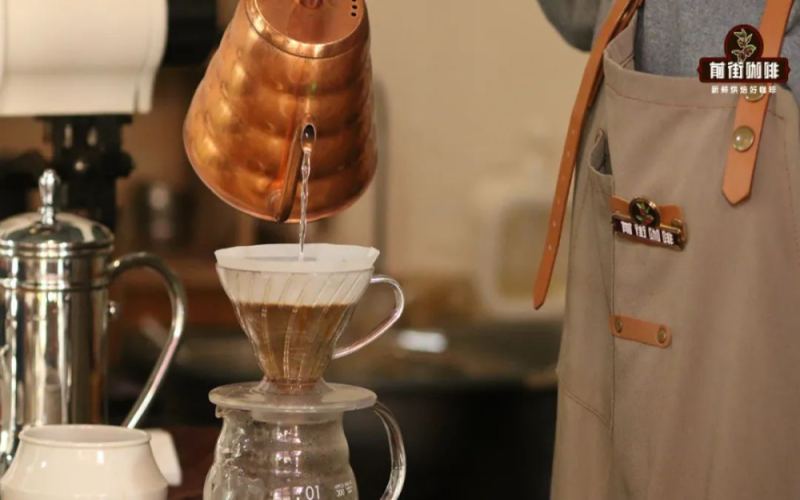
How Does Pour-Over Flow Rate Influence Flavor? Timing and Application of High vs. Low Flow Rates
What flavor differences do variations in pouring speed actually create during pour-over coffee brewing? Many enthusiasts hold misconceptions about flow rate—for example, believing that a slow pour is necessarily gentle and a fast pour is inevitably aggressive—when in fact the degree of turbulence is the real key to judging gentleness versus boldness. Moreover, because kettle spout diameters and water control abilities differ from person to person, there is no universal standard for what counts as a fast or slow pour. In this article, Front Street Coffee will guide you past these two misconceptions, teach you how to measure your own pouring rate with a digital scale, and analyze in detail how different flow rates affect extraction time, water level height, and the final taste, while also offering practical advice on when to increase the flow and when to switch to a slower pour, helping you find the pouring rhythm that suits you best. [more…]
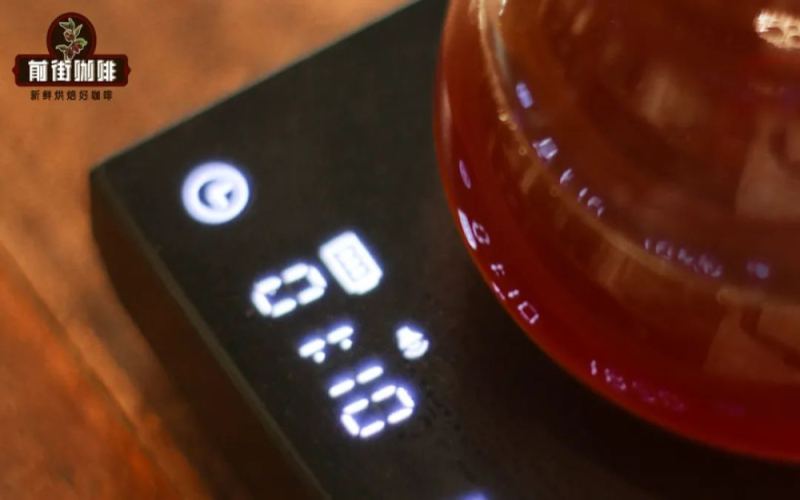
The Impact of Extraction Time on Pour-Over and Espresso Flavor and the Release Patterns of Sourness, Sweetness, and Bitterness
Why is coffee extraction time so critical? It all comes down to the soluble flavor compounds that make up just 30% of a coffee bean. These compounds fall into three categories—acids, sugars, and bitter substances—each with a different dissolution rate and peaking at different times. If extraction is too short, the coffee tastes thin and sharply acidic, lacking the support of sweetness and bitterness; if it goes on too long, bitterness overwhelms everything else. Therefore, ending extraction after sweetness has been released in abundance but before bitterness floods in is the key to a balanced cup. For pour-over coffee, using 15 grams of beans as an example, the time is typically kept between 1 minute 50 seconds and 2 minutes 25 seconds. Additionally, acidity, sweetness, and bitterness are not released sequentially but simultaneously—only their peak moments differ. This is a common misconception. [more…]
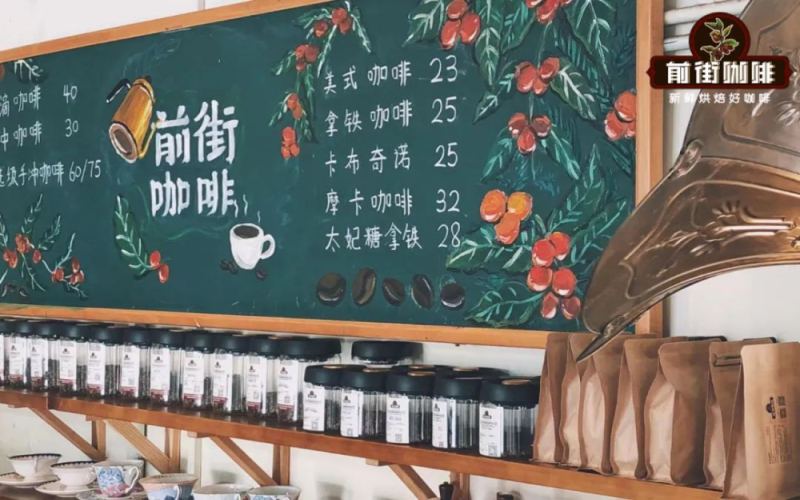
Worried you won't be able to sleep after drinking coffee? How much does the caffeine content really differ between Americano, latte, and cappuccino—and does brewing longer really make it more stimulating?
Many people are captivated by the aroma of coffee, yet fear lying awake at night after drinking it. So a common question arises: do lattes, Americanos, and cappuccinos contain the same amount of caffeine? Does brewing longer make them more energizing? In fact, the caffeine content of a cup of coffee is far from simple—it depends on the coffee bean variety, growing altitude, extraction method, and even grind size. This time, Front Street Coffee will clarify everything about caffeine content in one go: the data on common coffee types, the easy-to-fall-for misconceptions, and alternative choices for those who want to avoid caffeine. [more…]
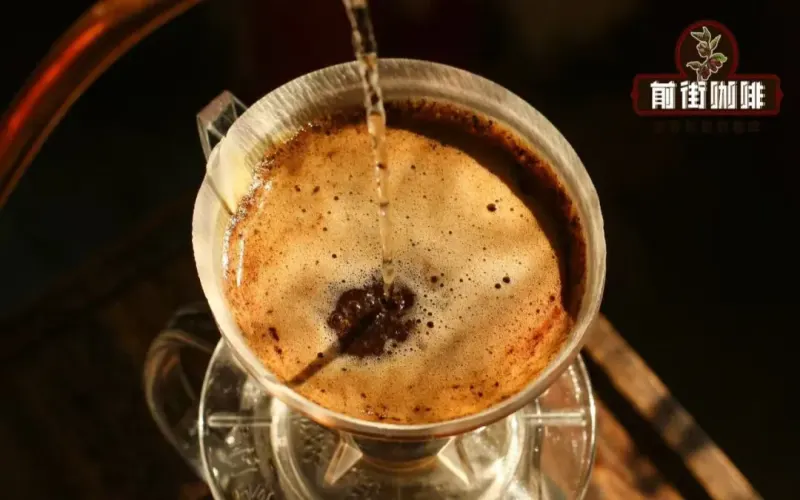
Pour-Over Coffee Beginner's Guide: Master the Core of Extraction and Choose Your Dripper and Parameters Wisely
Those new to pour-over coffee are often dazzled by all kinds of flashy brewing techniques and a bewildering array of drippers, only to spend a lot of money without brewing a satisfying cup. In fact, the essence of pour-over isn't complicated—suitable water temperature, proper grind size, an accurate coffee-to-water ratio, plus a regular circular pouring method, and you'll get a decent cup of pour-over. This article sorts out the three most common pitfalls beginners fall into: blindly imitating competition brewing techniques, following the trend of buying all kinds of drippers, and neglecting scales and thermometers so that parameters become "roughly good enough." At the same time, Front Street also recommends several everyday beans suitable for beginners, helping you start off on the right path. [more…]
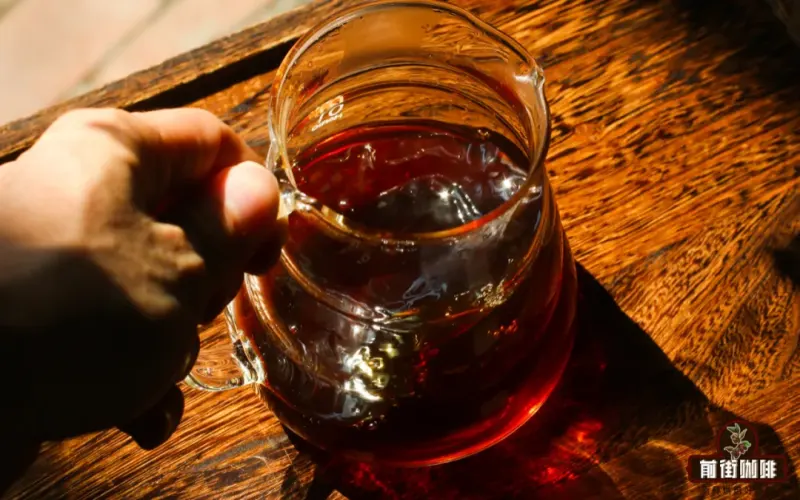
Can Coffee Color Reveal Roast Level and Strength? Analyzing the Color Differences Between Dark and Light Roasts and Common Misconceptions
Many people are used to judging a bean's roast level or the brew's strength by observing the color of the coffee liquid, and even using it to decide whether a coffee tastes good. But the factors affecting coffee's liquor color go far beyond one—the degree of roast, the level of concentration, and differences in filtration equipment can all make the same bean display completely different hues. Starting from Front Street's own side-by-side testing, this article breaks down one by one how roast level, concentration, and filtration method act on coffee color, and explains why a wine-red liquor color does not equal good taste, and why liquor color can only serve as a reference indicator for a particular bean rather than a standard of judgment. [more…]
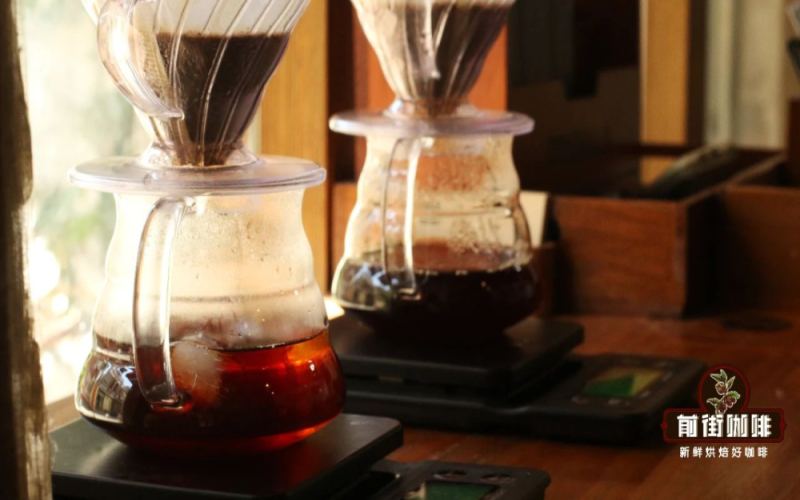
How to Choose the Water Temperature for Pour-Over Coffee? From Extraction Principles to Variable-Temperature Brewing, Understanding the Impact of Temperature on Flavor in One Go
What role does water temperature actually play when brewing coffee? Front Street Coffee believes that while it is crucial, it is not the only factor determining flavor. The higher the temperature, the faster the extraction of soluble substances, but excessively high water temperatures quickly bring out bitterness, so adjustments need to be made within a safe range. Most coffee beans are suitable for brewing at water temperatures of 86–93°C, though the specific setting should be flexibly adjusted based on the growing region, roast level, and flavor goals. This article will move from the basic range and common misconceptions to the variable-temperature brewing methods that have become popular in recent competitions, and analyze Wu Tsung-Lin's three-temperature brewing method to help you accurately grasp temperature as a variable. [more…]
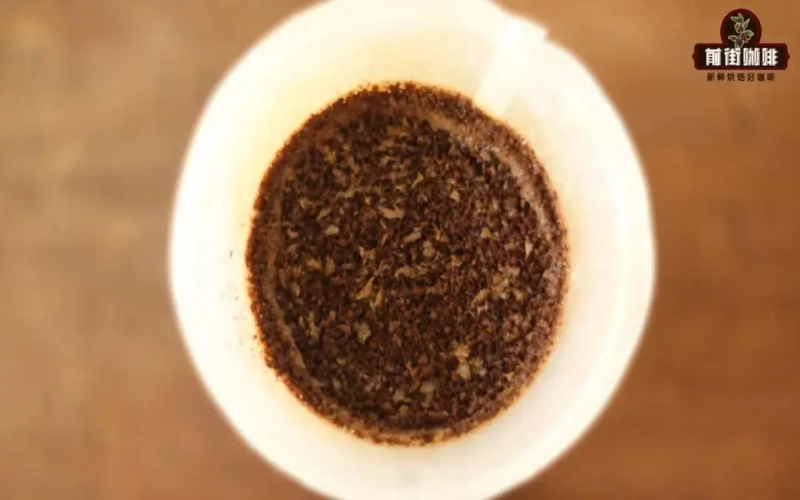
A flat coffee bed in pour-over brewing doesn't mean bad taste—revealing the causes of deep craters and three key points for brewing an even deep crater
Many friends who are just getting into pour-over coffee share a common misconception: they believe that the deeper and more even the coffee bed is, the better the coffee tastes. In reality, the shape of the coffee bed only reflects the pouring method and has no direct connection to coffee flavor. This article starts from a customer inquiry at Front Street's shop to explain why the coffee bed in specialty coffee is sometimes flat, and which factors truly determine coffee taste. It also shares three practical points: appropriately increasing the water flow, concentrating the hot water in the center, and choosing coffee beans that are not too high in density, helping you easily produce a symmetrical, deep coffee bed at home. The article also uses Front Street Yirgacheffe Gudingding, PWN Golden Mandheling, and others as examples to illustrate the differences in how various beans perform. [more…]
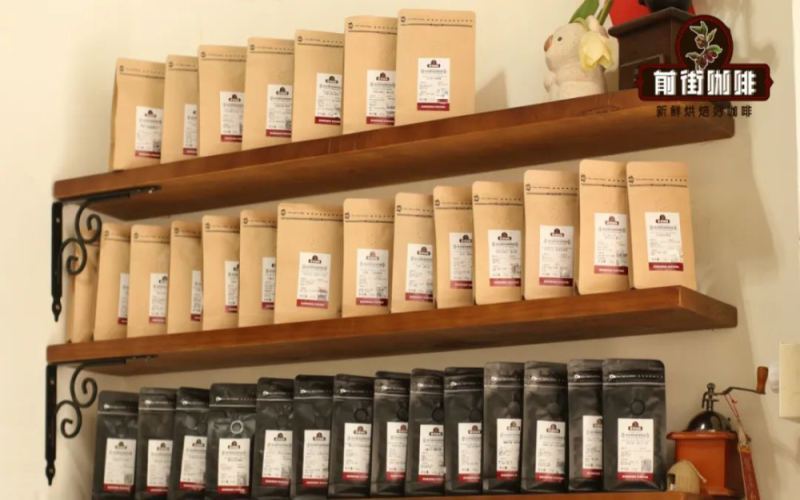
How to Choose Between Single-Origin, SOE, and Espresso Blend Coffee Beans? A Full Breakdown of Uses, Roasting, and Flavor Differences
Many coffee enthusiasts encounter a common confusion when selecting beans: what exactly is the difference between single-origin, SOE, and espresso blends? What scenarios does each suit? In fact, single-origin coffee beans emphasize traceable regional flavors, SOE is espresso made from single-origin beans, and blends are more like a creative combination that can both complement strengths and weaknesses and create entirely new flavors. From the perspective of Front Street, this article breaks down in detail the differences among the three in terms of definition, roasting logic, and practical uses, helping you more clearly understand the positioning of each type of bean and avoid falling into the misconception that "SOE is necessarily more premium than blends." [more…]
SOE Coffee Bean Buying Guide: Pros, Cons, Pricing, and Considerations for Single-Origin Espresso
SOE coffee beans emerged in 2007 and had established a firm foothold in the North American market by around 2010. Today, more and more cafés feature them as their seasonal highlight. SOE, or Single Origin Espresso, refers to espresso extracted under high pressure from a single-origin coffee bean using an espresso machine. It is not some mysterious formula—essentially, it simply swaps a blend for a single-origin bean—but the resulting differences in flavor expression, consistency, and price are worth every coffee lover's serious attention. This article will explore the concept, common misconceptions, and key points for bean selection, while also recommending several distinctive, niche SOE beans from Front Street Coffee to help you make a more suitable choice based on your personal taste preferences. [more…]
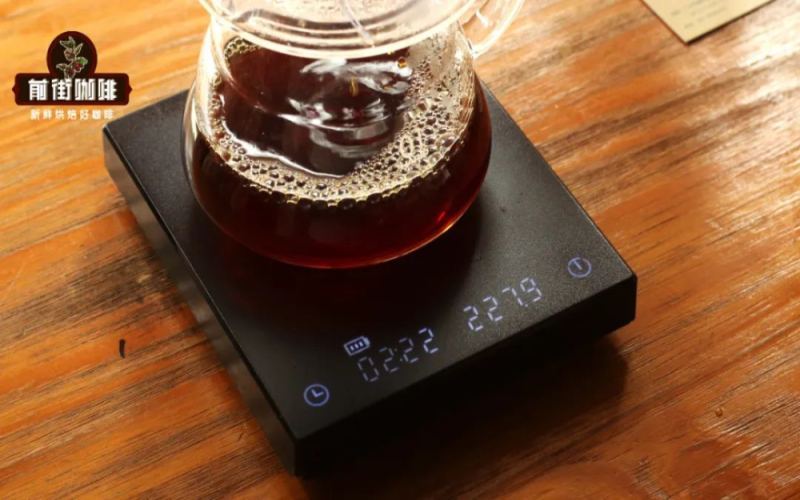
A Complete Guide to Pour-Over Coffee Parameters: Water Temperature, Coffee-to-Water Ratio, Grind Size, and Pouring Techniques with Step-by-Step Illustrations
What variables should you actually control to brew a balanced pour-over coffee? Among the six key factors—water temperature, coffee-to-water ratio, grind size, pouring technique, time, and water quality—the first four have the most direct impact on flavor. This article uses diagrams to break down the logic behind each parameter and how to adjust it, helping you move past the misconception that "a 1°C difference changes the taste," understand why grind uniformity matters more than the setting number, and learn to use a three-pour technique to adapt flexibly to extraction changes. It also offers parameter recommendations for specific beans such as Front Street Coffee Huakui and Front Street Coffee Golden Mandheling, so the theory truly translates into everyday brewing. [more…]
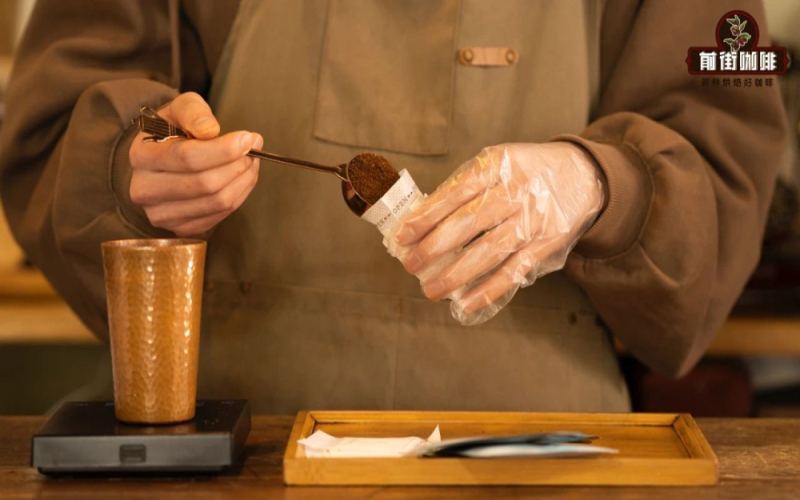
Can Drip Coffee Bags Be Reused for Multiple Brews? A Detailed Guide to Water-to-Coffee Ratios and Proper Pouring Steps
Drip bag coffee, with its combination of portability and flavor, has become the daily first choice for many coffee lovers in the workplace. However, this seemingly simple drip bag actually involves quite a few misconceptions during brewing—such as treating it like a tea bag and repeatedly steeping it, pouring water arbitrarily, and not controlling the water temperature. From the perspective of Front Street, this article systematically sorts out the essence of drip bag coffee, common brewing misconceptions, and provides a complete operation demonstration including warming the cup, pre-wetting, and pouring water. It also explains how to choose drip bag products according to personal taste and the practical reference significance of the shelf life, helping coffee enthusiasts consistently produce a delicious cup of drip bag coffee even when busy. [more…]
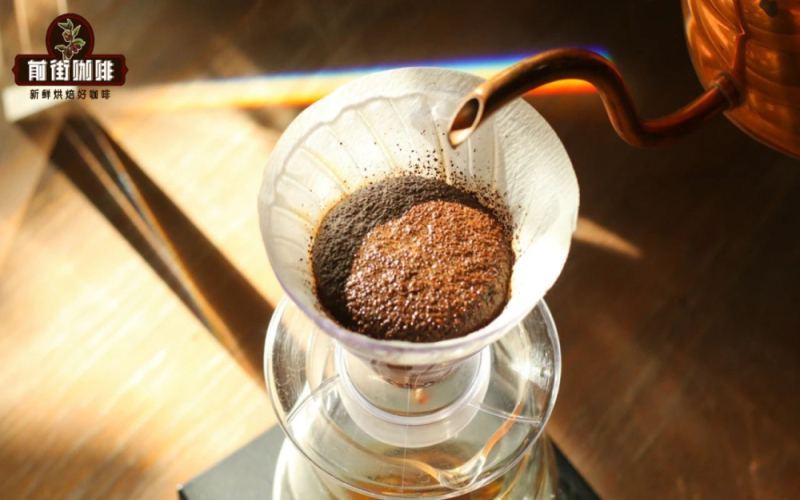
How Much Water and How Long Does Hand-Drip Coffee Blooming Need? A Comprehensive Analysis of the Role and Key Points of Blooming
The bloom is a step in pour-over coffee that cannot be overlooked. People often say, "You can tell whether a coffee will taste good just by looking at the bloom." As a result, many enthusiasts deliberately chase the perfect "coffee hamburger" effect. But once you truly understand the principles behind the bloom, you'll find that it isn't complicated at all. This article will cover the role of the bloom, how to control water volume and timing, and common misconceptions in practice, helping you grasp the core logic of blooming. At the same time, drawing on advice from Front Street Coffee, it also answers how to adjust when you can't wet all the coffee grounds with twice the water volume, so that the bloom truly serves extraction. [more…]