







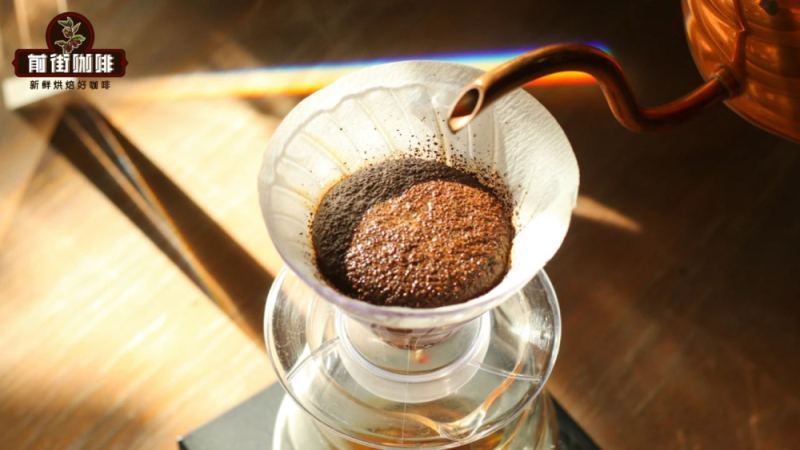
How much water and time does hand brewed coffee blooming need?
Blooming hand brewed coffee usually means pouring roughly twice the weight of the grounds in water and waiting about 30 seconds before the main pours. The goal is not a spotless dome but full saturation: every particle should be wet so carbon dioxide can escape and later extraction stays even. Chasing the visual effect alone rarely improves the cup.
Freshly roasted beans release more gas, which is why why are coffee beans roasted and rested before brewing affects stability in the dripper. If twice the water volume leaves dry patches, pour a little more rather than forcing a fixed number. Widen the circling pattern so the whole bed is covered, since the core purpose of blooming is to wet all the grounds and let the gas out.
Blooming is a step in pour-over coffee that cannot be overlooked. People often say, "You can tell if the coffee will taste good by looking at the bloom," so many enthusiasts deliberately chase the perfect "coffee hamburger" effect. But once you truly understand the principles behind blooming, you'll realize it's actually not complicated at all. This article will explore the role of blooming, how to control water volume and timing, and common misconceptions in practice, to help you grasp the core logic of blooming. At the same time, it incorporates advice from Front Street Coffee, addressing how to adjust when you can't wet all the coffee grounds with twice the water volume, so that blooming truly serves extraction.
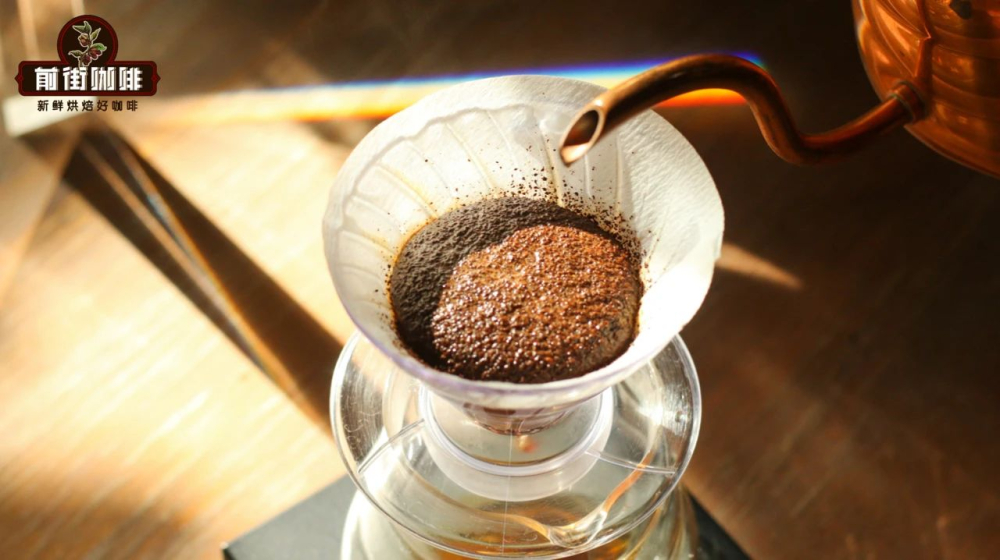
Blooming is a key step when brewing coffee, and you often hear sayings like "You can judge whether the coffee tastes good by looking at the bloom." As a result, many people unconsciously chase a beautiful "coffee hamburger" when learning pour-over. But once you understand the principles behind blooming, you'll find it's actually quite simple.

Back when the concept of freshly roasted coffee wasn't emphasized, freshly roasted beans were actually considered to taste worse, because their extracted flavor was less stable than coffee beans that had rested for a longer time. In the pour-over world, some observed that the root of this instability lies in the gas released by the beans during brewing—the less gas, the more stable the coffee's flavor becomes.

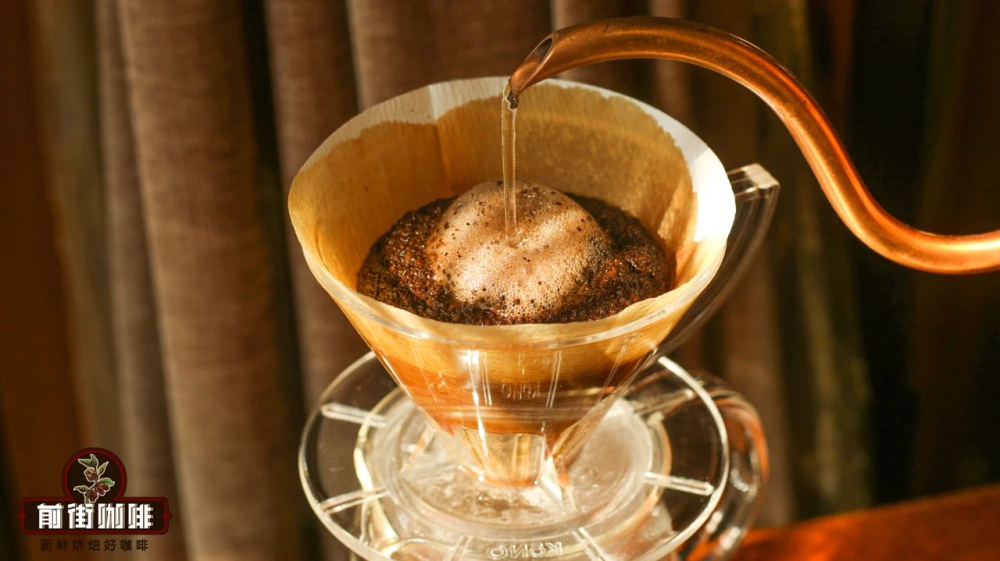
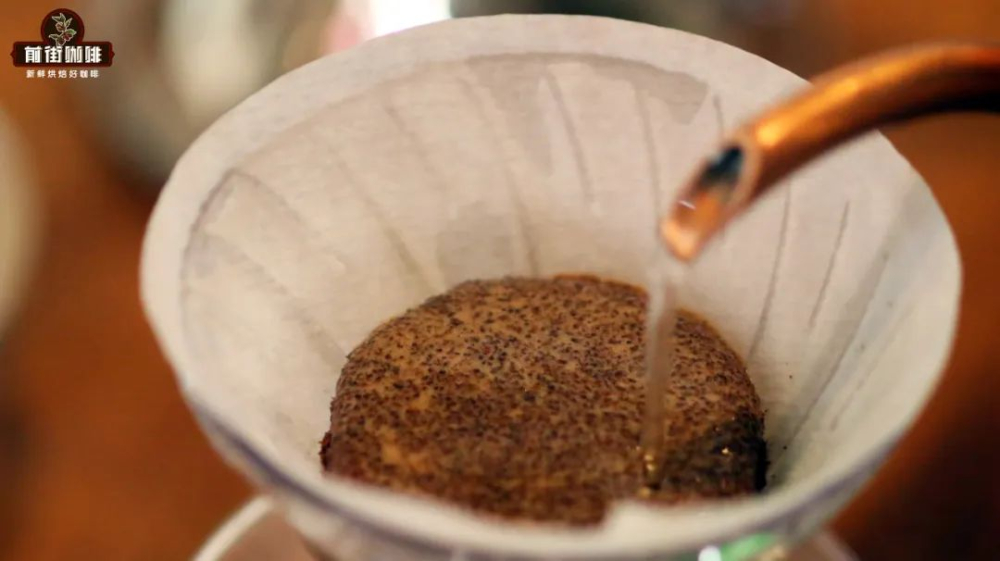
Some coffee grounds don't expand very noticeably, so when pouring water you need to widen your circling range; after practicing a few times, you'll naturally get a feel for it. Some friends also worry too much about the water volume and timing of the bloom, but their water control skills are still lacking. After pouring the bloom water, there are still dry patches of grounds, which means the bloom is insufficient, and the brewed coffee certainly won't be ideal. Front Street's advice is: if you really can't wet all the coffee grounds with twice the water volume, then pour in a bit more water. Remember, the core purpose of blooming is to fully wet all the coffee grounds and release the gas.
The above content is compiled by CoffeeHunters, a coffee news website.


