







How do single-origin, SOE and blend coffee differ?
Single-origin beans come from one origin, variety or batch and are traceable to a farm, altitude and processing method, so they highlight regional flavor. SOE is espresso pulled from a single-origin bean. A blend coffee combines beans from several origins, chosen to offset each other's weaknesses or build a new flavor profile, and is mainly used for espresso and milk drinks.
The concept of specialty coffee, proposed by Erna Knutsen in 1978, pushed farmers toward quality over yield and made origin character worth paying for; Yirgacheffe and Blue Mountain coffee are standard examples of that regional flavor. Roasting follows use: filter brewing favors lighter single-origin profiles, while blends and SOE are often roasted for espresso, so SOE is not automatically more premium than a blend.
Many coffee lovers encounter a common confusion when choosing beans: What exactly is the difference between single-origin, SOE, and espresso blends? What scenarios is each suited for? In fact, single-origin coffee beans emphasize traceable regional flavors, SOE is espresso made from single-origin beans, and blended beans are more like a creative combination that can both complement each other's strengths and weaknesses and create entirely new flavors. From the perspective of Front Street, this article breaks down in detail the differences among the three in terms of definition, roasting logic, and practical uses, helping you more clearly understand the positioning of each type of bean and avoid falling into the misconception that "SOE is necessarily more premium than blends."
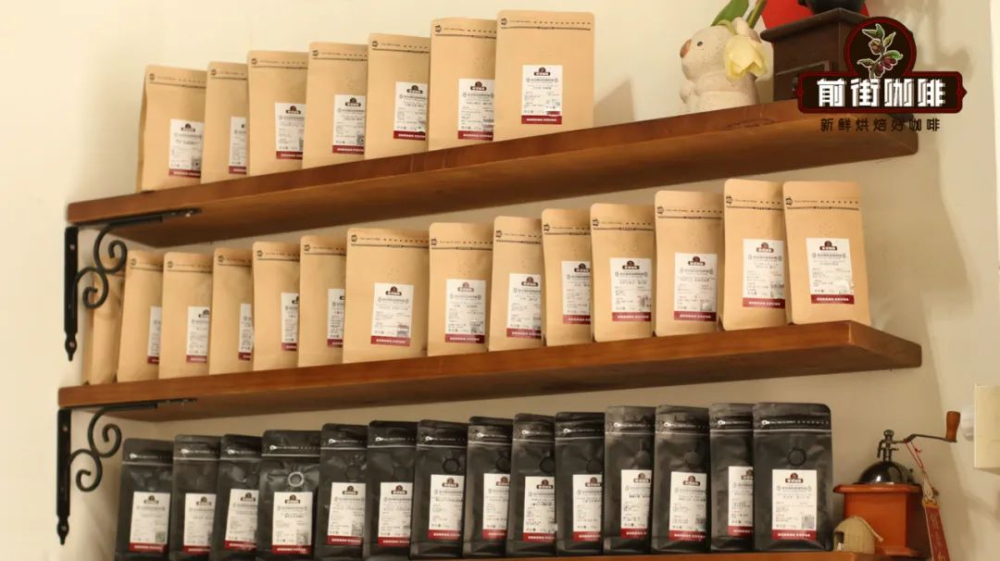
Today, Front Street would like to talk with everyone about what differences actually exist among the coffee beans used for single-origin, blends, and SOE, and which brewing methods each mainly serves.
Single-Origin Coffee Beans
Many people may first assume that single-origin means coffee beans of a "single variety." In fact, this understanding is not comprehensive enough. So-called single-origin coffee beans refer to beans from the same origin, same variety, or same batch, and are not limited to only one variety. Because many estates or plots grow multiple coffee varieties together and often sell them mixed together, using "single variety" to summarize them is not accurate.
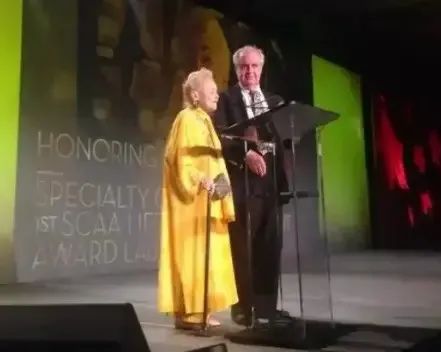
Single-origin coffee is a core concept in the specialty coffee wave and is often directly called specialty coffee. After Ms. Erna Knutsen proposed the concept of "specialty coffee" in 1978, coffee farmers' planting approach gradually shifted from pursuing yield to prioritizing quality, and they began to value the characteristics of the origin itself.
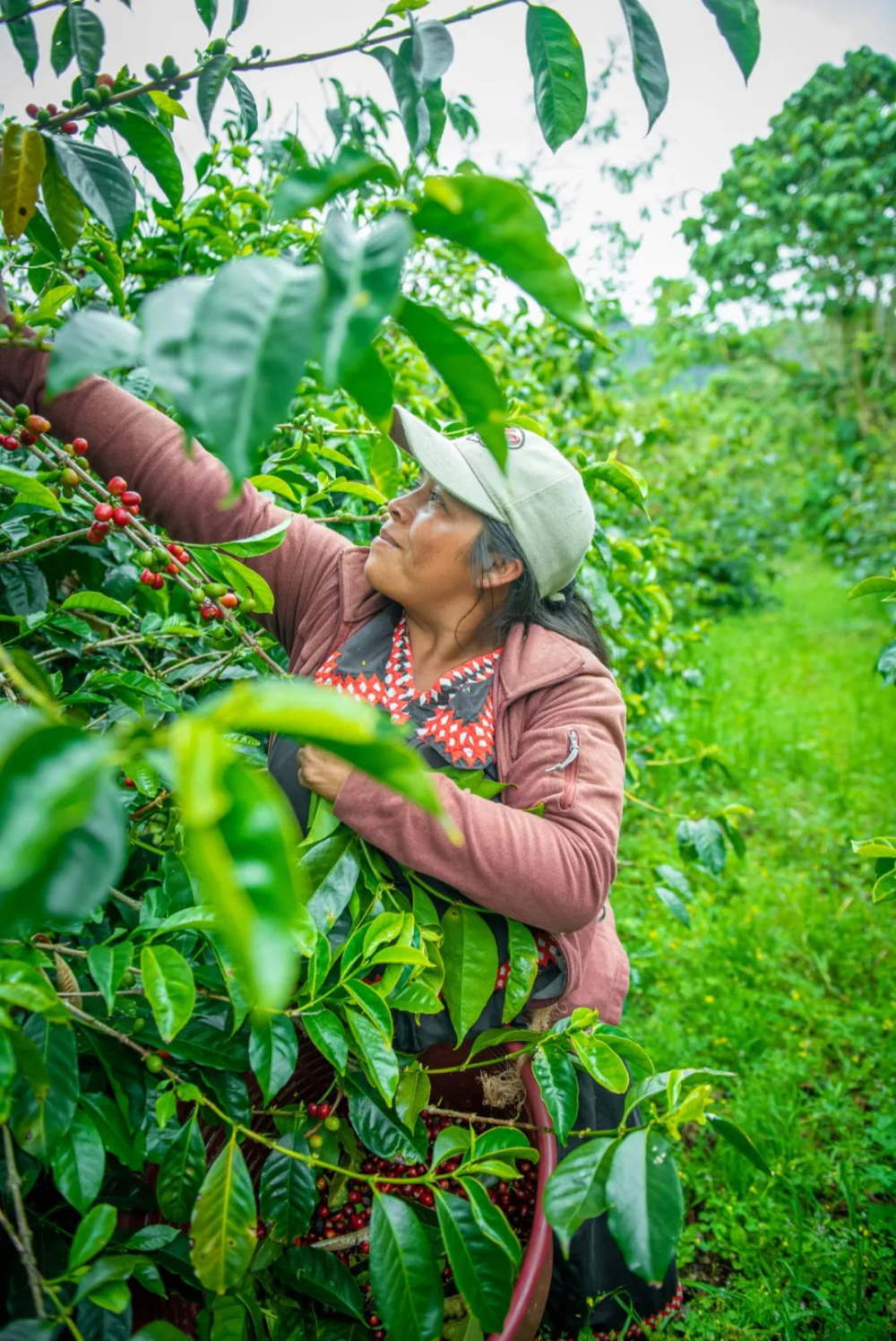
These beans can usually be traced in detail to information such as variety, growing location, processing method, and altitude, allowing people to more clearly experience and understand the signature flavor of a certain origin. For example, Yirgacheffe flavor and Blue Mountain flavor are typical representatives of regional flavors. More importantly, the concept of specialty coffee has also increased coffee farmers' income, giving them more motivation to stick to quality orientation. Generally speaking, single-origin coffee beans are mainly used for black coffee brewing methods that better showcase the coffee's own flavor, such as pour-over, siphon, and Clever Cup, and are secondarily used for espresso, which leads to what we will discuss next: SOE.
SOE
SOE stands for "Single Origin Espresso." Single Origin means single origin, and Espresso is the familiar espresso. Put together, it means espresso made from single-origin coffee beans.
Essentially, it still belongs to single-origin coffee beans; it is just not used for drip extraction methods such as pour-over, but for making espresso. The reason single-origin beans and the beans used for SOE need to be distinguished is that espresso has different requirements for roast level.
Not all beans' roast levels can simultaneously suit both single-origin and espresso use. For example, if a very light-roasted bean is taken directly to an espresso machine for extraction at its original roast level, the acidity it produces will be stronger than in pour-over. Once acidity is excessive and too concentrated, it easily brings an unpleasant experience. Therefore, the acidity needs to be appropriately reduced, and the most effective way is to deepen the roast level, which will also weaken the acidity. That is why the beans used for SOE are distinguished from those used for single-origin coffee. It must both highlight origin characteristics and be suitable for making espresso. This is SOE.
Blended Coffee Beans
Blended coffee is relatively easier to understand: it is simply combining two or more single-origin beans together, and many people also call it composite coffee. The starting point of blending is actually very direct: what you want, what your needs are.

There are many types of blended coffee beans. The most common understanding is using the strengths of several beans to make up for each other's weaknesses, combining them into a more balanced bean.
In addition, blending can also merge the different distinctive flavors of multiple beans together to form a bean with an entirely new flavor. For example, if you blend a Dorothea with a prominent peach flavor with a Guodingding with an obvious green tea note, what will it become? It will become an entirely new bean with a white peach oolong flavor.
Blue Mountain, known as the "Emperor of Coffee," is well known for its high price. So if you want to taste Blue Mountain flavor but do not want to spend too much, what should you do? Yes, blending. You can use several beans that are not Blue Mountain to blend a taste and flavor close to Blue Mountain, which is commonly known as Blue Mountain flavor coffee; you can also add a little Blue Mountain coffee bean to a blend to make a "Blue Mountain blend." It can be said that blending is an expression of creativity. Your ideas and your familiarity with beans determine what kind of blended coffee you can make. Blended beans are mostly used for espresso and are less often used for single-origin coffee, so people usually also call them "espresso blend beans."
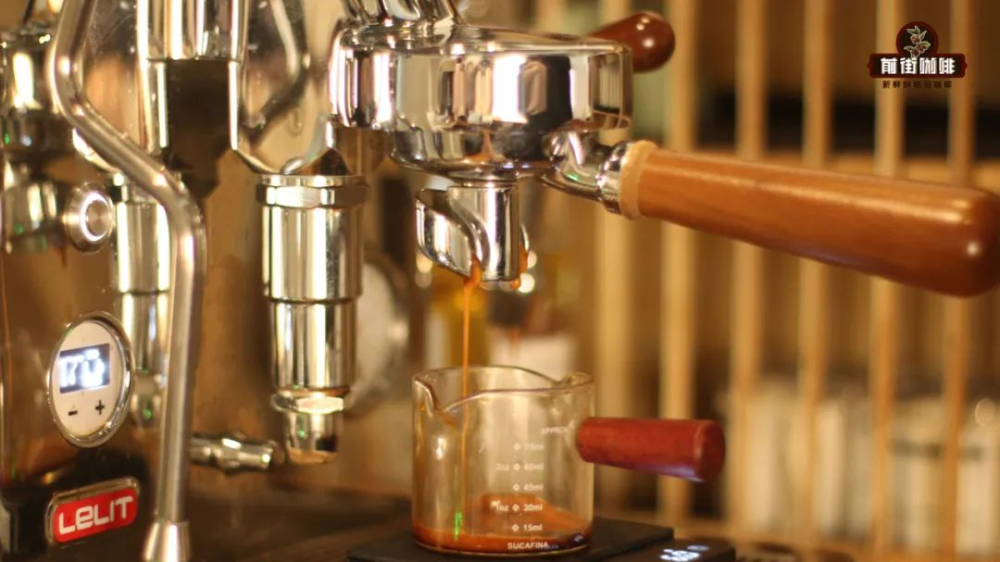
But there is one misconception to keep in mind: SOE or single-origin beans are not necessarily more premium than blended beans, because some excellent blended beans use precisely single-origin beans of good quality. For example, Front Street's Warm Sun Blend uses 70% Honduras Sherry blended with 30% Ethiopia Red Cherry, extracting with butter cookie, whiskey aroma, and slight berry acidity; the Dorothea blend mentioned above is the same. Converted, their price will be more expensive than some single-origin beans, so some things cannot be generalized.
Front Street Coffee
No. 10, Baoqian Street, Yandun Road, Dongshankou, Yuexiu District, Guangzhou, Guangdong Province
The above content is compiled by CoffeeHunters, a coffee news website.


