







Why Is Pour-Over the Choice for Specialty Coffee Shops?
Single-origin coffees in coffee shops are almost always brewed pour-over rather than with a siphon, French press, or other device. Six advantages explain the preference: strong flavor expression, convenient operation, fast production, high controllability, rich playability, and visual appeal. Pour-over covers more ground per brew, which suits a shop serving many single origins.
Since the 1990s, the specialty coffee concept has pushed flavor expression to the center of planting, roasting, and brewing, and pour-over fits that goal. Shops keep siphons, French presses, and drippers on hand, but pour-over remains the default for single origins. The method gives baristas direct control over coffee extraction, and a plain cup carries negligible calories beyond the brewed coffee itself.
Many coffee enthusiasts wonder why single-origin coffees in coffee shops are almost always brewed with pour-over rather than siphon, French press, or other devices. Starting from actual observations at Front Street stores, this article systematically sorts out the six core advantages of pour-over coffee—strong flavor expression, convenient operation, fast production, high controllability, rich playability, and excellent visual appeal—answering why it has become the "all-round warrior" of specialty coffee extraction. At the same time, we will also clarify the calorie composition of a cup of coffee, helping you understand more comprehensively the logic behind the growing popularity of freshly ground pour-over coffee.
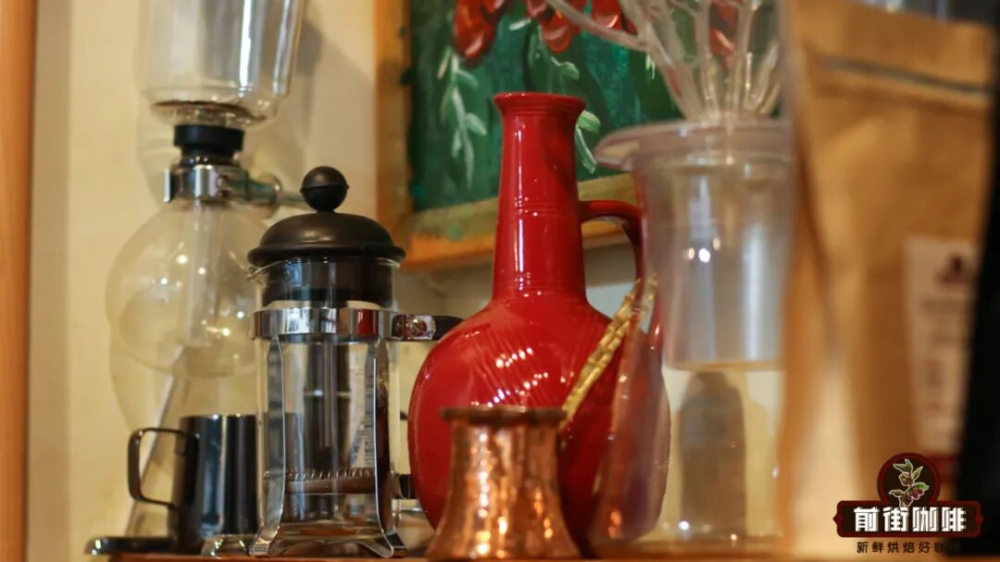
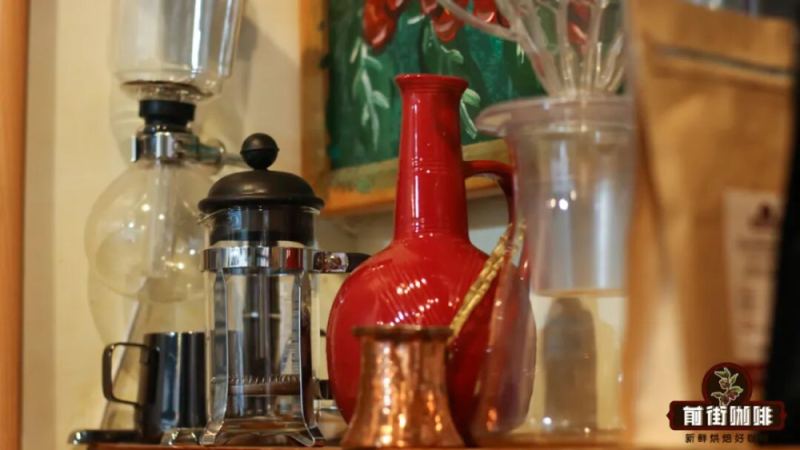
"Small but complete." This is how many customers evaluate Front Street's offline stores. Although Front Street's stores are not large in size, in addition to displaying various coffee beans sold online, all kinds of brewing devices are scattered in every corner—siphon pots, French presses, clever drippers, Turkish coffee pots, Eritrean coffee pots, and so on, quite a rich variety.
Because of this, customers often ask Front Street whether these devices can be used to make single-origin coffee. When they receive a negative answer, they immediately follow up: "Is it because the coffee made with these devices doesn't taste as good as pour-over?" "Why do coffee shops prefer pour-over for single-origin coffee?"
I believe many friends online have the same doubt. So today Front Street will talk about this topic—why do coffee shops always choose pour-over to make single-origin coffee?
Actually, the reason is not complicated, just like the explanation Front Street gives customers on the spot. Compared with other devices, pour-over coffee has broader functional coverage. You might as well regard it as a "hexagonal warrior": in terms of individual abilities, it may not be the absolute best among all devices, but in terms of overall strength, pour-over is definitely the best choice for coffee shops to serve single-origin coffee.
First, it can easily present distinct coffee flavors.
Since the 1990s, the promotion of the specialty coffee concept has made more and more people begin to pay attention to flavor expression in coffee. From planting, roasting, to brewing, every step serves more prominent flavors.
Among the many extraction methods, pour-over happens to be one of the choices that best displays flavor. It belongs to drip extraction, and drip extraction can easily make coffee with clear layers and distinct flavors. For example, Front Street Ethiopia Hualei from Front Street's bean list, when made with pour-over, has very prominent strawberry, floral, cream, and citrus flavors, sweet and sour, with a light body, and the coffee's flavor characteristics can be easily identified.
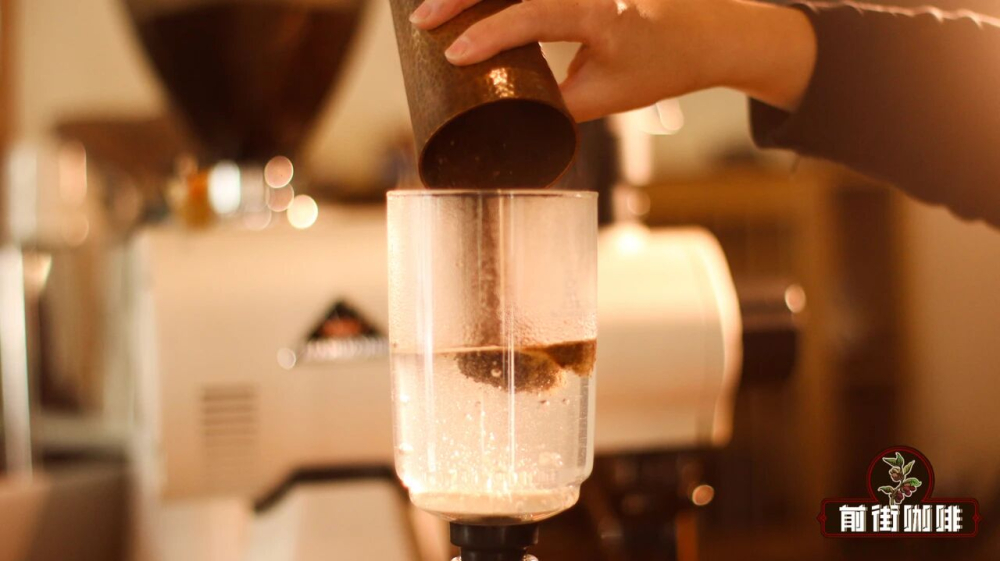
If a French press or other immersion extraction device is used instead, the coffee will indeed have a fuller body and a more balanced taste, but its flavor recognizability and expressiveness will be somewhat reduced by comparison.
However, this point alone is not enough to make pour-over the mainstream method for single-origin coffee extraction. Because by adjusting parameters and operating techniques, other devices can also make similar coffee. As Front Street said earlier, pour-over is a "versatile warrior." In addition to flavor expression, it has many other strengths, such as—convenience.
Second, convenient operation.
Convenience is an important reason why pour-over coffee is widely popular. Whether brewing or cleaning, pour-over is much less troublesome than most devices. It has no cumbersome operation process, and cleaning is also very simple. All you need is a tool that can pour water, plus filter paper and a dripper, and you can start making coffee.
Moreover, filter paper is a disposable filter material. After brewing, just lift it up and throw it into the trash along with the coffee grounds. Finally, simply rinse the dripper and container with clean water, and the cleaning work is done. Worry-free and labor-saving.
Third, fast production.
In addition to convenience, speed is also one of the reasons pour-over coffee has a broad audience. From start to finish, brewing a good pot of coffee takes only about 5 minutes. Most devices take about 10 minutes to make coffee. By comparison, pour-over takes only half that time or even less. Combined with easy production and cleaning, choosing pour-over can significantly improve a coffee shop's service efficiency.
Fourth, relatively strong controllability.
Compared with most extraction methods, pour-over coffee is more controllable. Unlike pressure extraction, it will not be troubled by coffee beans having too high a carbon dioxide content. Simply adjusting parameters or pouring techniques can smoothly brew a good cup of coffee.
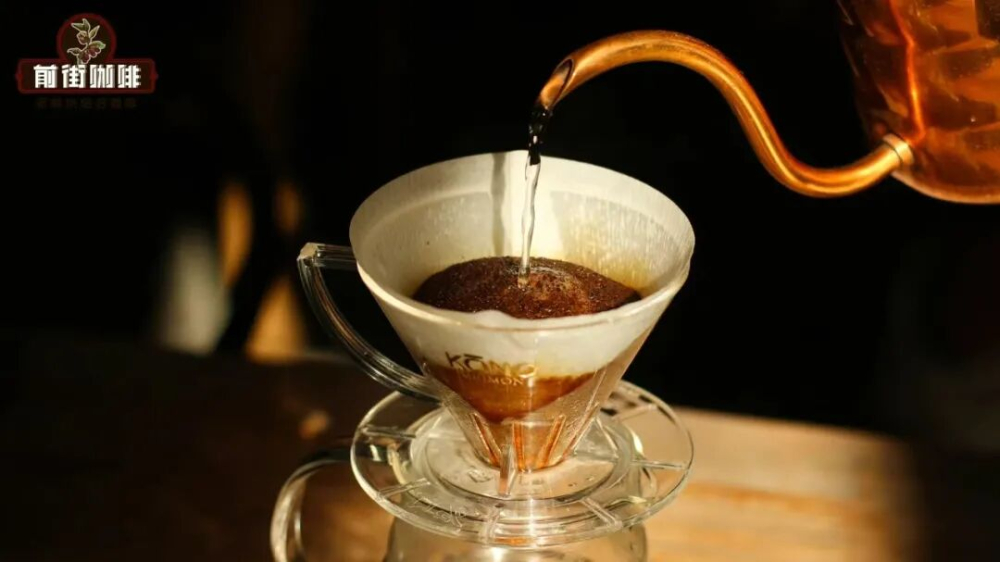
Not only that, because the parameters used are not so extreme, we can also judge whether extraction is normal during brewing based on the state of the coffee bed and the water level in the dripper, then make timely adjustments to avoid undesirable extraction flavors in the coffee.
Fifth, extremely high playability.
Of course, what must be mentioned is the playability of pour-over coffee. The choice of equipment such as drippers and filter paper alone is already very diverse. When it comes to brewing, there are also various pouring methods to choose from, such as the three-stage method, 4:6 method, stirring method, variable-temperature brewing, and so on.
These different choices allow us to brew coffees of different styles. For example, some pouring methods can make coffee sweeter, and some can give coffee an excellent juicy feel; coffee brewed with one type of filter paper has more aroma, while coffee brewed with another type has a cleaner mouthfeel...
Sixth, strong visual appeal.
The last point is visual appeal. The process of making pour-over coffee has an excellent visual experience. Whether it is the barista's focused expression while pouring, the vortex created when the stream of water is poured in circles, or the swelling coffee bed during blooming, the deep pit left in the coffee bed after the liquid drains... These scenes can bring customers full visual enjoyment.
Based on the above six points, we can understand why most single-origin coffees in coffee shops are served by pour-over rather than siphon, French press, and other methods. Of course, other methods are not nonexistent, just relatively rare.
The above content is compiled by CoffeeHunters, a coffee news website.


