







Search Results for: Pour-over Single Origin

What is the difference between single-origin coffee and pour-over coffee? A detailed explanation of the definition of single-origin beans and the core logic of pour-over brewing
Many people habitually equate single-origin coffee with pour-over coffee, assuming that single-origin means pour-over and pour-over means single-origin. But these two concepts actually point to completely different dimensions. Single-origin coffee refers to the source of the beans—coming from a single origin; pour-over coffee refers to the extraction method—using the technique of pouring water and filtering. So why does the general public conflate the two? This article starts from an everyday conversation at Front Street, first clarifying the definition of single-origin coffee beans, then explaining the essence of pour-over coffee, to help coffee enthusiasts build a clear cognitive framework. [more…]
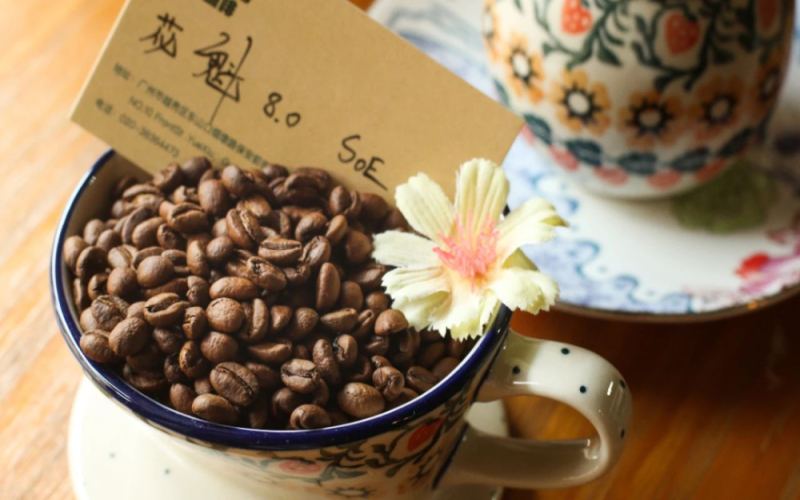
SOE Single-Origin Espresso | Which pour-over single-origin beans are suitable for making SOE coffee? What are the differences between single-origin pour-over and single-origin espresso?
SOE is one of the most popular products in today's specialty coffee shops and coffee chains. It is an espresso extracted from single-origin (single-origin) coffee beans. Its characteristic is that even at a very high concentration, the coffee liquid can still express the unique flavor profile of the coffee's origin. [more…]

Can SOE single-origin beans be used for pour-over? A full analysis of the differences between single-origin and blends and pour-over parameters
When ordering at a café, espresso and pour-over often correspond to two paths: blended beans and single-origin beans. In recent years, many high-quality single-origin beans have been made into SOE versions for espresso extraction. So can these SOE beans be used for pour-over? And what exactly is the difference between them and pour-over single-origin beans? This article will start from the concept and characteristics of SOE, compare the differences between blended beans and single-origin beans, explain the divergence in roasting curves between SOE and pour-over single-origin beans, and provide suggestions on water temperature and grind size when using SOE beans for pour-over, helping coffee enthusiasts find a suitable brewing plan under different roast levels. [more…]
Can SOE Coffee Beans Be Used for Pour-Over? Single-Origin Espresso Flavor Analysis and Espresso Bean Selection Advice
SOE coffee, which is espresso extracted from single-origin coffee beans, has attracted increasing attention from coffee enthusiasts in recent years. Many people are curious: can all single-origin beans be used for espresso? And can beans used for SOE also be used for pour-over? In fact, although all single-origin beans can be tried for espresso extraction, not every one of them is suitable; and beans specifically selected for SOE often can also handle pour-over well. The key behind this lies in the match between roast level and extraction method. Starting from the practice of Front Street Coffee, this article analyzes the different requirements of SOE and pour-over for single-origin beans, and recommends several medium-roast coffee beans suitable for making SOE while also performing well in pour-over, for enthusiasts' reference. [more…]
Can Espresso Beans Be Brewed as Pour-Over? A Full Analysis of the Differences Between Single-Origin and Blend Beans
Front Street often receives questions like these: Can dark-roasted espresso beans be used for pour-over? What exactly is the difference between single-origin beans and blended beans? In fact, the extraction method determines a coffee bean's positioning and roasting direction. Single-origin beans emphasize a clear expression of regional flavors and are mostly light-roasted; espresso beans are mainly blends, roasted on the darker side, pursuing stability and richness. The two also differ noticeably in grinding, parameters, and sales specifications. This article, from Front Street's perspective, will sort out the core differences between single-origin beans and espresso beans, and answer the adjustment ideas to note when using espresso beans for pour-over. [more…]
Single-Origin vs. Espresso Blend Beans: Can Blends Handle Pour-Over?
In today's world of increasingly popular specialty coffee, single-origin beans and blended beans each play an important role. The former is often used for pour-over, showcasing the terroir of its region; the latter is mostly used for espresso, pursuing stability and balance. But can blended beans really not be used for pour-over? And is it feasible to use single-origin beans for espresso? This article will, from the perspective of Front Street Coffee, deeply analyze the essential differences between the two, answer the feasibility of using blended beans for pour-over, and at the same time emphasize the importance of coffee bean freshness. Whether you are a pour-over enthusiast or an espresso player, you can gain practical ideas for choosing beans and brewing from it. [more…]
Can Espresso Blend Beans Be Used for Pour-Over? A Comprehensive Analysis of the Differences Between Espresso Beans and Single-Origin Beans and Brewing Recommendations
In an era where espresso and pour-over coffee coexist, many enthusiasts wonder: what happens if you use espresso blend beans for pour-over? From the perspective of Front Street Coffee, this article sorts out the essential differences between espresso blend beans and single-origin beans, explores the feasibility and flavor performance of using espresso beans for pour-over, and provides specific pour-over parameter references. At the same time, the article also introduces the flavor characteristics and prices of several Front Street espresso blend coffee beans, helping readers make choices according to their needs. Whether you want to try a new approach or want to understand the art of blending, you can gain practical information from it. [more…]

Black Coffee Bean Varieties | What's the Difference Between Single-Origin Pour-Over Beans and Espresso Blend Beans? Can Espresso Blend Coffee Beans Be Used for Pour-Over Black Coffee?
With the development of specialty coffee, more and more people are falling in love with single-origin coffee. Two types of coffee have emerged on the market: single-origin coffee beans and blended coffee beans. Single-origin coffee beans are generally used for making pour-over coffee, though many specialty coffee shops also use single-origin coffee beans to make espresso. Blended coffee beans [more…]
Pour-Over Single-Origin Coffee Tasting | Which Specialty Arabica Coffees Are Good for Pour-Over? 8 Must-Buy, Affordable, High-Quality Single-Origin Pour-Over Coffee Beans for Beginners
With the rise of third-wave specialty coffee culture in recent years, more and more people have fallen in love with "single-origin coffee." So-called "single-origin coffee" refers to coffee beans from a single growing region, and it usually also means higher-quality coffee; in roasting, adjustments are made to suit the characteristics of the origin and variety, so as to present the coffee in its purest form. [more…]
Espresso Blend Bean Flavor Recommendations | What's the Difference Between Espresso Blend Beans and Pour-Over Single-Origin Beans? What Happens If You Use Espresso Beans for Pour-Over Coffee?
With the growing specialty coffee market, many people have begun to explore espresso and pour-over coffee. Coffee enthusiasts who regularly drink espresso know that the coffee beans used for espresso are blended coffee beans, while those used for pour-over coffee are single-origin coffee beans. So what is the difference between the two? Can espresso beans be used to make [more…]
What is the difference between espresso blends and single-origin pour-over coffee beans? Can single-origin beans be used for espresso?
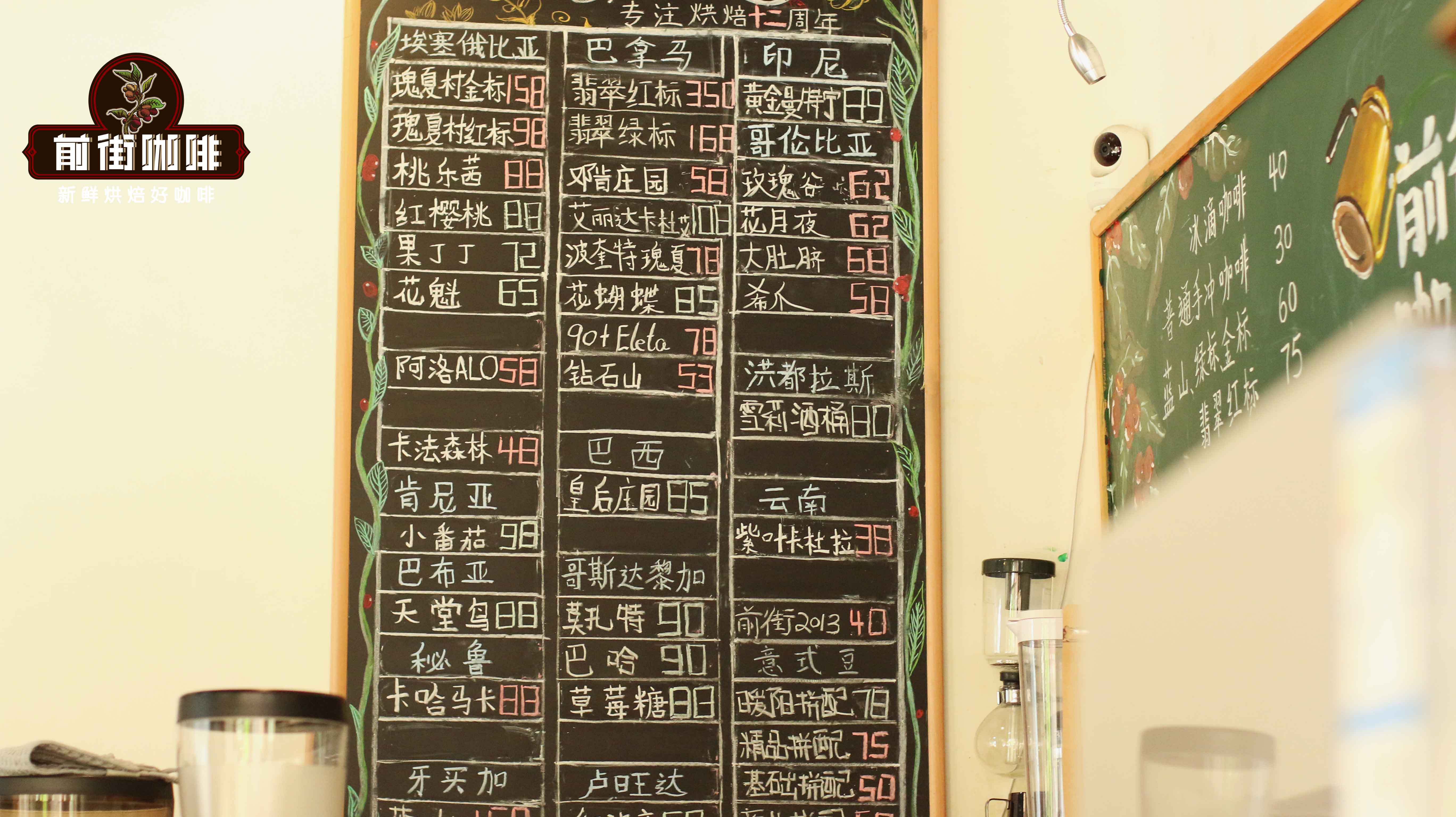
Blended coffee beans and single-origin pour-over coffee beans are the two most common types of beans in the coffee world. The former is usually extracted with an espresso machine, pursuing a balance of crema and body; the latter mostly comes from a single origin, emphasizing unique terroir flavors and is often presented via pour-over. So, can blended beans be used for pour-over? And can single-origin beans be used to make espresso? This article will systematically sort out the definitions, roasting orientations, and applicable scenarios of the two, and attach Front Street brand's popular single-origin and SOE bean list, including Yirgacheffe Gedingding, Huakui, Little Tomato, Strawberry Candy, Yunnan Small-Bean Typica, as well as SOE options such as Red Cherry, Mozart, and Golden Mandheling, to help coffee lovers make choices based on flavor preferences and brewing methods. [more…]
The Blending Principles and Purposes of Espresso Blend Coffee Beans, and Whether Blend Beans Are Suitable for Pour-Over Coffee
In the specialty coffee wave, single-origin beans and blended beans each have their own followers. Single-origin beans often appear in the pour-over realm, while blended beans mainly target espresso, safeguarding flavor consistency. But why exactly are beans blended? Can blends handle pour-over? And is it feasible to use single-origin beans for espresso? This article starts from Front Street Coffee's fresh-roasting philosophy, clarifies the conceptual boundaries between blends and single-origin, analyzes the process differences between pre-roast blending and post-roast blending, addresses the bean selection and roasting key points for SOE, and explains the rationale for using blended beans in pour-over along with Front Street's specific blending approach. [more…]
How is SOE different from espresso blends and pour-over single-origin coffees? A comprehensive analysis from flavor stability to extraction parameters
In recent years, the specialty coffee trend has driven the popularity of SOE, and many coffee enthusiasts are curious about how it differs from pour-over single-origin and traditional espresso blends. From the perspective of Front Street Coffee, this article first clarifies the definitions and roasting differences between single-origin coffee and SOE, then explains why SOE flavors tend to fluctuate and why Front Street has long favored blends and single-origin coffees, and finally provides specific brewing parameters and flavor descriptions for the sun-dried Huakui SOE and Front Street's classic blend, helping you judge whether SOE americano is actually good and how to make it at home without messing it up. [more…]
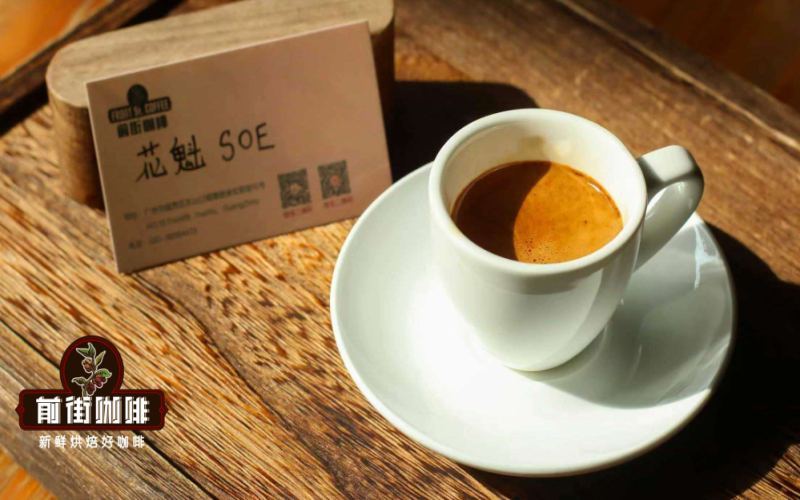
Price Differences and Flavor Comparison Analysis Between SOE Single-Origin Espresso and Pour-Over Coffee Beans
SOE (Single Origin Espresso) has become a popular choice for specialty and chain coffee shops in recent years. It uses single-origin beans extracted through an espresso machine, allowing the character of a producing region to shine through at high concentration. This article takes "Front Street Yirgacheffe Gudingding Cooperative Washed Beans" as an example, comparing the flavor differences of the same bean prepared by pour-over and SOE, analyzing SOE's advantages as well as shortcomings such as instability, and offering suggestions for selecting coffee beans suitable for SOE, including specific recommendations such as Front Street Strawberry Candy, Brazil Queen's Estate, and Granada Geisha, as well as Front Street's commitment to fresh roasting. [more…]
A Flavor Tasting Guide to Single-Origin Pour-Over Coffee: Eight Selected Micro-Lot Bean Recommendations from Front Street Coffee
In recent years, the third wave of specialty coffee has swept in, drawing more and more coffee lovers to single-origin coffee. Single-origin coffee refers to beans from a single producing region; these beans are usually of higher quality, and during roasting, adjustments are made specifically according to the characteristics of the origin and variety, striving to restore the coffee's most authentic regional flavor. So how should a cup of high-quality pour-over single-origin coffee be tasted? And where should you start when choosing beans? This article will guide you through the five key steps of tasting pour-over coffee, and, starting from the three major influencing factors of producing region, variety, and processing method, select eight single-origin beans from Front Street Coffee for your reference, covering classic origins such as Ethiopia, Indonesia, Brazil, Costa Rica, Kenya, Colombia, and Panama, to help you find the cup that suits your taste. [more…]
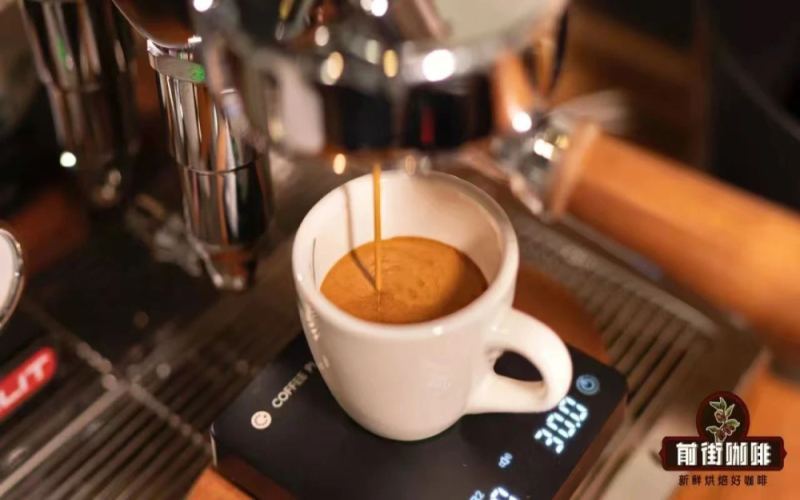
How to choose beans for single-origin espresso (SOE)? Extraction differences from pour-over single-origin coffee and five bean recommendations from Front Street Coffee
SOE stands for Single Origin Espresso, and in recent years its bright, crisp acidity has made it a signature offering in many coffee shops. It differs fundamentally from pour-over single origin coffee in extraction principles: the former relies on the high temperature and high pressure of an espresso machine for pressurized extraction, while the latter is a drip method at room temperature and atmospheric pressure. This difference means that SOE requires special consideration in bean selection and roast level, otherwise it easily turns out sharply acidic or thin. This article will outline the extraction characteristics and bean selection logic of SOE, and use five coffees suitable for making SOE as examples to introduce their respective flavor profiles, including the Front Street Coffee Huakui SOE designed specifically for espresso, for coffee enthusiasts' reference. [more…]
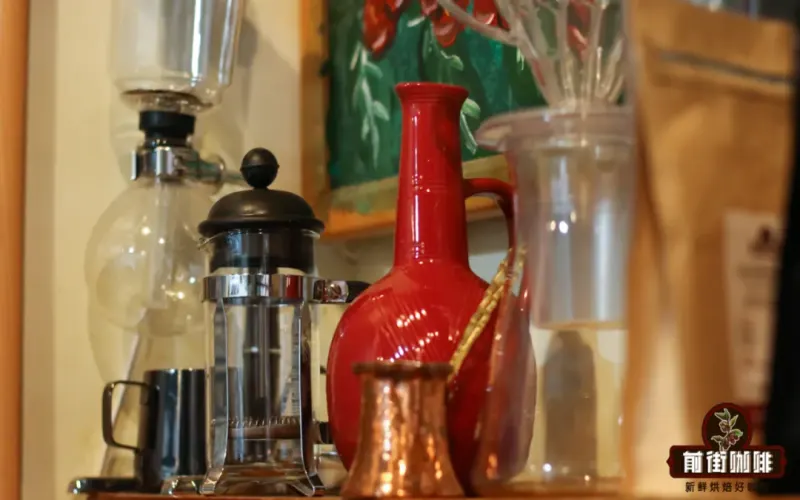
Why Is Pour-Over Coffee the Top Choice for Single-Origin Offerings in Coffee Shops? A Comprehensive Analysis of Six Major Advantages
When ordering single-origin coffee in a café, have you ever noticed that it is almost always served as pour-over? Why not a siphon, French press, or some other device? The answer is actually not complicated—pour-over coffee has the most well-balanced overall capabilities, making it a true all-rounder among brewing devices. It performs well across six dimensions: flavor expression, ease of operation, speed of service, controllability of parameters, variety of brewing styles, and visual appeal. From the perspective of Front Street Coffee, this article will analyze these six advantages one by one, helping you understand why pour-over coffee has become the preferred method for cafés brewing single-origin beans. [more…]
How Do You Distinguish Between Pour-Over, Single-Origin, and Blended Coffee Beans? A Practical Guide for Beginners Choosing Coffee Beans for Home
Faced with a dazzling array of coffee beans, many people get confused by terms like "blend," "single origin," and "pour-over." What exactly do they mean? Which brewing methods suit each? And how should beginners choose beans for home use based on taste preferences and freshness? This article starts with the concepts, sorting out the blending logic of blend beans, the influence of origin and processing method on single-origin beans, and the selection approach for pour-over beans. It also compiles flavor profiles of several popular Front Street Coffee beans, presented in order from light to rich and from brighter to more bitter, helping you quickly lock in on the cup you want to drink. [more…]
Is SOE Coffee Better Suited for Pour-Over or Espresso? A Core Analysis of the Differences Between Single-Origin Coffee and SOE Espresso Beans
When ordering at a café, we often face a choice between espresso and pour-over. At Front Street Coffee locations, the pour-over selection lets you choose single-origin beans from different regions, while for espresso you need to decide among options like americano and latte, and some locations even allow you to switch to SOE. Nowadays, more and more well-known single-origin beans are releasing SOE versions, such as Front Street Coffee Granja Geisha, Front Street Coffee Yirgacheffe, and Front Street Coffee Huakui. So, can these SOE beans, which are typically used for espresso, also be used for pour-over? Just how big is the difference between SOE and pour-over single-origin beans? This article will analyze the definition of SOE, roasting differences, extraction parameters, and other aspects to help you more clearly understand the suitable scenarios and brewing key points for these two types of coffee beans. [more…]
Single-Origin, Pour-Over, or Blend: How to Choose—Understanding Coffee Flavor from Light to Dark Roast
Whether to buy single-origin or blended coffee beans, and whether they suit pour-over or espresso, can often first be judged by the roast level. Light roasts retain more distinct origin character, often with floral notes, fruity acidity, and a bright, clean mouthfeel; medium roasts strike a more balanced profile of sweetness, aroma, and body; dark roasts lean more toward cocoa, nut, and roasted flavors. There is no fixed answer—what matters [more…]