







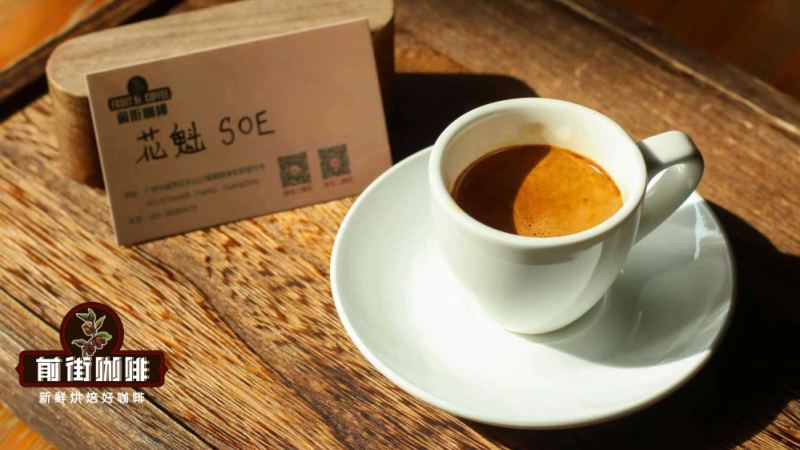
How Do SOE Coffee Beans Differ From Pour-Over?
The same single-origin bean tastes different depending on the brew method. A washed Yirgacheffe from the Gudingding Cooperative, brewed as pour-over at a 1:15 ratio with 91°C water and medium-fine grind, showed bright citrus acidity, light white floral notes, and a honey green tea finish. Pulled as SOE at 9-10 bar with a 1:2 ratio, it turned to sharp citric acidity and a thinner body.
SOE refers to single-origin espresso, a style that has grown popular in specialty and chain coffee shops because it carries origin character at high concentration. Its main strength is flavor clarity; its weakness is instability, since light roasts and fine grinding can amplify acidity while leaving the mouthfeel thin. Medium-light beans with enough body tend to hold up better as soe espresso.
SOE (Single Origin Espresso) has become a popular choice for specialty and chain coffee shops in recent years. It uses single-origin beans extracted through an espresso machine, presenting the origin's character at high concentration. This article takes "Front Street Yirgacheffe Gudingding Cooperative Washed Beans" as an example, comparing the flavor differences of the same bean in pour-over and SOE, analyzing SOE's advantages and shortcomings such as instability, and offering suggestions for selecting coffee beans suitable for SOE, including specific recommendations for Front Street Strawberry Candy, Brazil Queen's Estate, and Grana Geisha, as well as Front Street's commitment to fresh roasting.
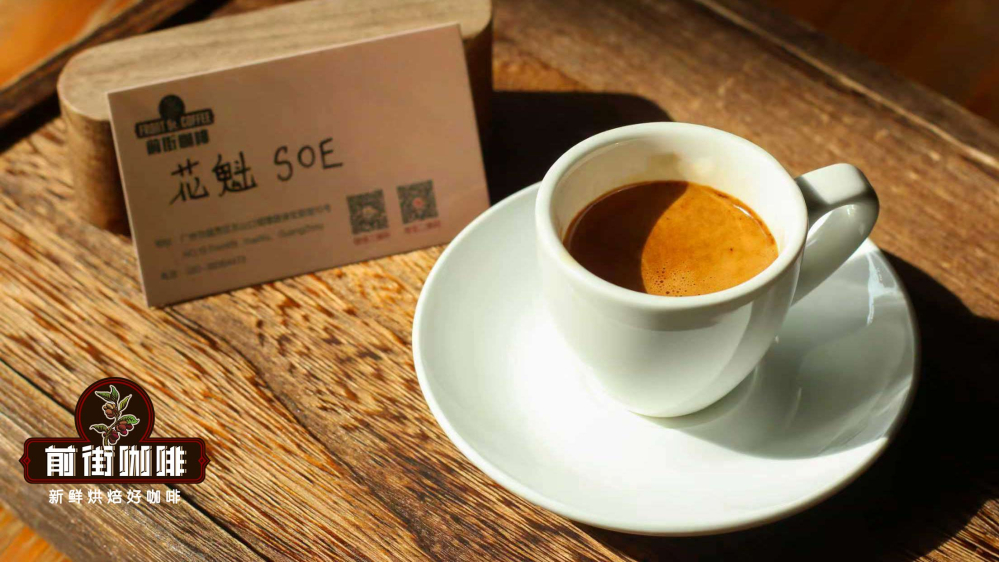
SOE is a type of beverage that has attracted considerable attention in specialty coffee shops and chain brands today. It uses coffee beans from a single origin (i.e., single-origin), extracted through the espresso method. Its charm lies in the fact that even at high concentration, the coffee liquid can still clearly convey the unique flavor characteristics of that origin.
Differences in flavor and mouthfeel between single-origin pour-over and single-origin espresso
FrontStreet Coffee conducted a comparison using its own medium-light roasted "Front Street Yirgacheffe Gudingding Cooperative Washed Coffee Beans." Under conditions of medium-fine grinding, a 1:15 coffee-to-water ratio, and 91°C drip extraction, it presented bright citrus acidity, slight white floral notes, and a sweet finish reminiscent of honey green tea, overall round and balanced.
However, switching methods: grinding the beans extremely fine, using an espresso machine at 9-10 bar pressure to let 94°C hot water rapidly pass through the leveled and tamped coffee bed, yielding an espresso with a 1:2 coffee-to-liquid ratio, the SOE's flavor shifted to distinct citric acidity, berry juice-like mouthfeel, and an oolong tea-like sweet aftertaste, but overall it seemed slightly thin.
Comparing the two extraction paths, it can be seen that the same single-origin bean performs balanced and pleasant in pour-over, but once made into espresso, the increased concentration amplifies the acidity, and because of the lighter roast and insufficient body, the final mouthfeel is on the thin side.
SOE's strengths and weaknesses
Front Street Coffee believes that SOE's advantage is highlighting the unique flavors of the origin, with richer layers. Whether adding water to make an Americano or adding milk in various ratios to make different milk coffees, it can showcase a certain origin's character.
But its weakness lies in poor stability. Coffee beans are agricultural products, and their flavor is affected by natural conditions each year. Even from the same region, flavors can vary, making it difficult for espresso to maintain consistent performance long-term. Additionally, SOE made from overly light-roasted beans can easily suffer from sharp acidity and thinness.
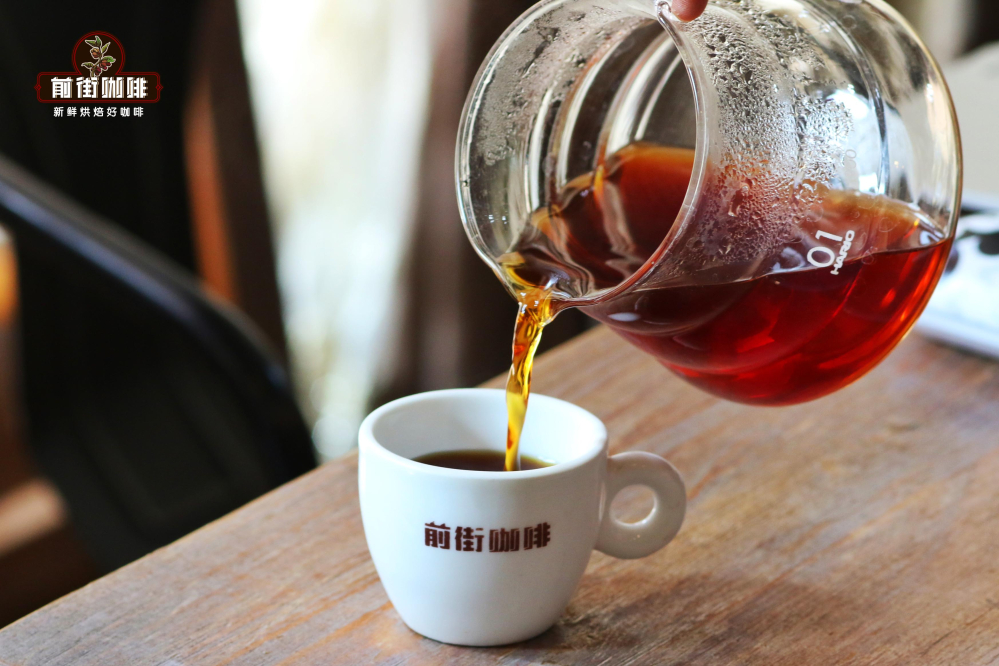
Typically, the best-selling items in coffee shops are espresso-based drinks, and product consistency is key to retaining customers. Therefore, many shops use dark-roasted espresso blends as their default espresso products, and additionally offer SOE as an option. SOE pricing depends on the beans and is not necessarily cheaper than pour-over.
How to choose SOE coffee beans?
Since SOE aims to express origin flavors through espresso, many beans require a redesigned roasting curve to perform well as espresso. For example, there are many SOE single-origin beans on the market specifically designed for espresso machine extraction. At Front Street, if you're looking for beans suitable for SOE, baristas generally offer two approaches: first, choose single-origin beans roasted at medium or above; second, directly purchase from the SOE category.
Selecting from pour-over single-origin beans
1. Front Street Strawberry Candy Coffee Beans
Anaerobic honey processing allows the coffee beans to retain the mucilage layer for sealed fermentation before drying, maximizing sweetness. This bean has distinct raisin, strawberry gummy, and faint floral notes in pour-over, while as espresso it shifts to rich berry jam and orange chocolate tones;
2. Front Street Queen's Estate · Brazil Yellow Bourbon Coffee Beans
If none of the above are your preferred flavors, try these Front Street Brazil Queen's Estate beans from the coffee giant Brazil. Medium-dark roasting brings out solid nut, cream, and peanut aromas, with a sweet chocolate finish. The extracted SOE has beautiful, rich crema and makes a full-aroma milk coffee.
3. Front Street Grana Geisha · Ethiopia Coffee Beans
This is a native Geisha from Ethiopia. In pour-over, it features bright tones, a light body, and a tea-like finish; as an Americano, berry acidity dominates with ripe plum fermentation notes; with milk, it presents yellow peach, guava, and black tea freshness, with relatively harmonious sweetness and acidity.
For the same bean, many merchants design two separate roasting curves for pour-over and SOE. Generally, floral-fruity acidic pour-over single-origins are roasted light to medium to showcase their profile, while SOE beans are roasted slightly darker than pour-over but without completely changing their main flavor theme, allowing the espresso to have both fruit acidity and caramelized sweetness. Therefore, most are controlled at medium roast.
Taking Front Street as an example, the Front Street Yirgacheffe Red Cherry Coffee Beans and Front Street Huakui Coffee Beans, both from Ethiopia, are divided in the roast level column into "pour-over light-medium roast" and "SOE espresso roast." The former is suitable for pour-over, cold brew, French press, drip bags, and other normal-pressure extractions, while the latter is preferred for espresso machines, moka pots, and other pressure extractions.
Regardless of the extraction method, Front Street believes freshness is crucial. If beans roasted more than a month ago are used, some aroma may have already dissipated, and an unpleasant woody taste may appear. Front Street hopes every customer who orders can experience the coffee's aroma at its peak. Therefore, only beans freshly roasted within 5 days are shipped. To achieve a better SOE flavor, Front Street recommends using freshly roasted single-origin coffee beans.
The above content is compiled by CoffeeHunters, a coffee news website.


