







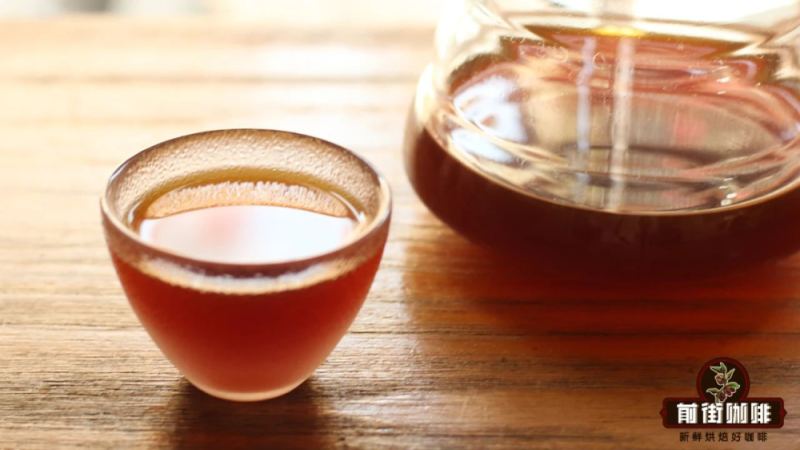
How Does Single-Origin Pour-Over Coffee Shape Flavor?
Tasting single-origin pour-over coffee comes down to five steps: smell the dry grounds, smell the wet aroma after brewing, sip the black coffee without sugar or milk, move the tongue to feel mouthfeel and texture, then exhale slowly through the nose to catch the sweet aftertaste. Beans from one producing region are roasted to protect that origin's character.
Three factors shape coffee flavor in the cup: producing region, variety, and processing method. Asia, Africa, and Latin America each carry distinct flavor labels. The guide selects eight single-origin beans from Front Street Coffee across Ethiopia, Indonesia, Brazil, Costa Rica, Kenya, Colombia, and Panama, so drinkers can match a cup to their taste.
In recent years, the third wave of specialty coffee has swept in, drawing more and more coffee lovers to single-origin coffee. So-called single-origin coffee refers to beans from a single producing region; such beans are usually of higher quality, and during roasting, adjustments are made specifically according to the characteristics of the origin and variety, striving to restore the coffee's most authentic regional flavor. So how should a cup of high-quality pour-over single-origin coffee be tasted? And where should one start when selecting beans? This article will guide you through the five key steps of tasting pour-over coffee, and starting from the three major influencing factors of producing region, variety, and processing method, it selects eight single-origin beans from Front Street Coffee for your reference, covering classic origins such as Ethiopia, Indonesia, Brazil, Costa Rica, Kenya, Colombia, and Panama, helping you find the cup that suits your taste.
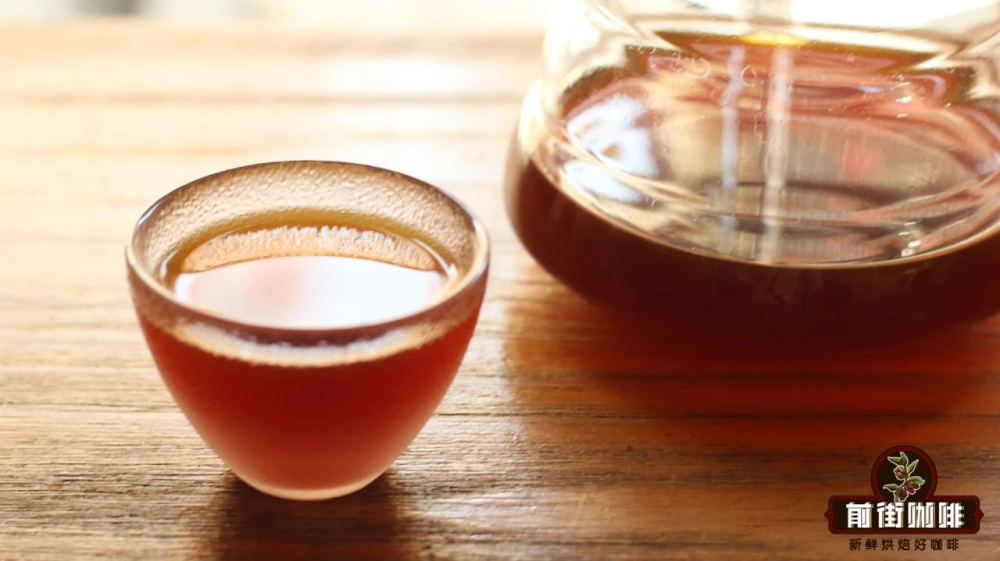
In recent years, third-wave specialty coffee culture has gradually become popular, and more and more people have begun to favor "single-origin coffee." So-called "single-origin coffee" refers to coffee beans from a single producing region, and usually also represents higher quality. During roasting, this type of coffee is adjusted according to the characteristics of the origin and variety, striving to showcase the coffee's own terroir to the greatest extent.
How can you taste its rich flavors and layers from a cup of pour-over single-origin coffee?
After grinding fresh coffee beans, first sniff the dry aroma of the coffee grounds.
After pouring water and completing the brewing, then smell the wet aroma released.
Take a sip of black coffee without sugar or milk, and feel the flavor as it enters your mouth.
Gently slide your tongue back and forth in your mouth to experience the coffee's mouthfeel and texture.
Then close your mouth and slowly exhale through your nasal cavity to capture the sweet lingering aftertaste left by the coffee.
How should you choose pour-over single-origin coffee beans to make a delicious cup?
There are three core factors that mainly affect the flavor of a coffee bean: coffee producing region, variety, and processing method. Taking producing region as an example, Asia, Africa, and Latin America each have their own unique flavor labels; in terms of variety, as mentioned earlier, single-origin coffee mostly uses Arabica; and common processing methods include washed, natural, and honey processing. These are all key variables that shape coffee flavor.
If you do not know where to start when faced with many choices, you may refer to the following selected pour-over single-origin bean list to find the one that suits your taste:
1. Front Street. Gotiti Cooperative
Country: Ethiopia Region: Yirgacheffe Altitude: 1900-2300m Variety: Local heirloom Processing method: Washed Flavor: White floral, lemon, honey, berry, green tea
2. Front Street. Front Street PWN Golden Mandheling Country: Indonesia Region: Sumatra Altitude: 1100-1600m Variety: Typica, Caturra Processing method: Wet-hulled Flavor: Toasted bread, nuts, caramel, pine, herbs
3. Front Street. Brazil Queen Farm
Country: Brazil Region: São Paulo State (Queen Farm) Altitude: 1400-1950m Variety: Yellow Bourbon Processing method: Semi-natural / natural Flavor: Nuts, cream, peanut, fermented fruit, sucrose
4. Front Street. Costa Rica Mozart
Country: Costa Rica Region: Tarrazú Altitude: 1800m Variety: Caturra, Catuai Processing method: Anaerobic honey processing Flavor: Raisin acidity, berry, floral, fermented wine aroma
5. Front Street. Kenya Little Tomato
Country: Kenya Region: Asali (Honey Processing Factory) Altitude: 1550-1750m Variety: SL28, SL34 Processing method: 72-hour washed processing Flavor: Snow pear, smoked plum, yellow sugar, cherry tomato, plum
6. Front Street. Colombia Sidra
Country: Colombia Region: Huila Altitude: 1700m Variety: Sidra Processing method: Double anaerobic natural Flavor: Passion fruit, grape, honey, juicy mouthfeel, apricot

7. Front Street. Red Cherry Konga Cooperative
Country: Ethiopia Region: Yirgacheffe Altitude: 1900-2300m Variety: Local heirloom Processing method: Natural processing Flavor: Tropical fruit, cream, honey, berry, citrus
8. Front Street. Boquete Geisha
Country: Panama Region: Boquete Altitude: 1800m Variety: Geisha Processing method: Washed Flavor: Jasmine floral, honeydew, citrus, honey, Tieguanyin tea
The above content is compiled by CoffeeHunters, a coffee news website.


