








With the development of specialty coffee, more and more people are falling in love with single-origin coffee. Two types of coffee have emerged on the market: single-origin coffee beans and blended coffee beans. Single-origin coffee beans are generally used for pour-over coffee, though many specialty coffee shops also use single-origin beans to make espresso. Blended coffee beans are generally used for espresso, as blends provide consistency in espresso flavor. This time, Front Street Coffee will explain the difference between single-origin coffee beans and blended coffee beans.
Before discussing single-origin coffee beans andblended coffee beans,Front Street Coffee has always upheld one most important principle—the freshness of coffee beans.
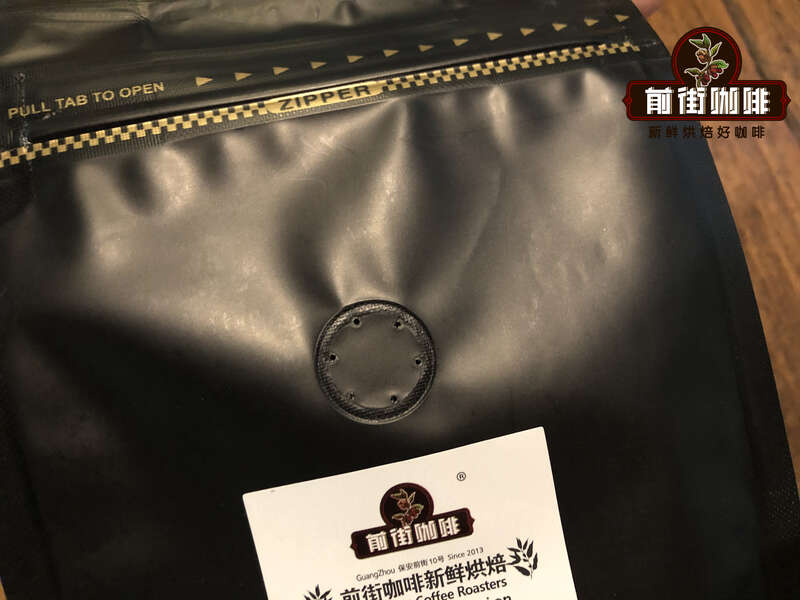
First, whether choosing single-origin beans or blended coffee beans, you should select products from professional coffee roasters that clearly indicate the roast date (not the expiration date or shelf life), have brand credibility, and emphasize fresh roasting. In addition, good coffee packaging usually features a "one-way degassing valve" (a button-shaped small hole at the top of the coffee bag) designed to let coffee beans release naturally produced carbon dioxide.

Point the one-way degassing valve toward your nose and gently squeeze the coffee bag to smell the gas released. If it's an alluring, rich coffee aroma, freshness is not an issue. Conversely, if it doesn't smell fragrant enough, or even has a rancid oily odor, it means this bag of coffee has long gone stale and should be avoided. Every bag of coffee beans sold by Front Street Coffee uses one-way degassing valve packaging, ensuring that every bag reaches enthusiasts in the freshest condition. The reason Front Street emphasizes fresh roasting so much is that as time passes, coffee that has been roasted for over 50 days basically loses most of its aroma. Some might ask, is fresher coffee always better? Not necessarily—in the first two days after roasting, the aroma hasn't fully stabilized.
Single-Origin Coffee Beans
Single-origin coffee refers to coffee produced from a specific origin, specific region, or specific estate, carrying a unique flavor that reflects the local terroir. For example, Front Street Coffee's Huakui coffee comes from the Front Street Huakui coffee beans produced at the Buku processing station in the Guji region of Ethiopia.

Single-origin coffee is unique because during the procurement process, they can inspect the quality of every batch, even every single green bean. This process is like picking strawberries: "Imagine you can only pick a small bowl of the ripest, sweetest, softest strawberries. Single-origin coffee is the same—because quality is monitored throughout the process, you can derive more sweet, floral, and syrupy flavors from the coffee while avoiding defects and negative tastes. Therefore, single-origin coffee is also relatively more expensive." Single-origin coffee beans can be roasted to various degrees, and different roast levels will present different coffee flavors in the roasted single-origin beans.
Blended Coffee Beans
Also called mixed coffee,espresso beans,blending is the practice of mixing various single-origin coffee beans together to fully bring out the strengths of each single-origin bean. Blends are made from coffee beans of different origins mixed together to create a more balanced taste. For example, if one coffee bean is smooth but lacks aroma, another bean rich in aroma can be added. By complementing each other's strengths and offsetting weaknesses, whether complementing or enhancing flavors, a coffee with a richer new taste is created. Sometimes beans are mixed before roasting, which is called raw blending; sometimes beans are roasted separately and then mixed, which is called roasted blending. Whether pre-mixing green beans or roasting individually before blending, it must depend on the characteristics of the coffees in the recipe. Both methods are acceptable. Post-roast blending provides different roast levels for each bean so that each component performs at its best.
Front Street Coffee would like to remind you of one thing: before blending beans, you must first know the flavors of different coffee varieties around the world. Beans from different origins have different characteristics, which requires the roaster to have a relatively clear understanding of the characteristics of coffee beans from multiple regions in order to adjust the roasting curve. Different coffee beans have different personalities due to different varieties and origins, with subtle differences in acidity, bitterness, sweetness, aroma, body, and other flavors. Single-origin coffee beans tend to emphasize the unique characteristics of a particular type of coffee.
Is single-origin espresso (SOE) just making espresso from pour-over coffee beans?
Conceptually, making espresso from pour-over single-origin coffee beans is indeed SOE—"Single Origin Espresso"—but in practice, it's not as simple as it seems.
Compared to traditional blended espresso, SOE should be an espresso that highlights flavor more prominently. This characteristic also influences the bean selection for SOE—coffee beans with high and strong flavor recognition should be chosen as much as possible. If beans with slightly weaker flavor intensity are chosen to make SOE, the resulting espresso will be bland and weak. Imagine an SOE that has neither distinctive features nor the balance and stability of a blend—wouldn't that be a lose-lose situation?

Secondly, the roast level should be neither too dark nor too light. A darker roast will greatly diminish the regional flavor, while a lighter roast will cause the espresso machine to amplify the acidity brought by light roasting under high pressure, easily making the espresso sharply acidic and unbearable. A lighter roast also makes the coffee beans harder in texture, prone to under-extraction. Diminishing regional flavor and causing imbalance through sharp acidity both go against the original intent of highlighting single-origin flavors. Therefore, the roasting curve for producing SOE from the same bean and the curve for producing pour-over coffee should be two different roasting curves.
Can Blended Coffee BeansBe Used to Make Pour-Over Coffee?
Blend refers to the mixing of two or more different coffee beans. In many people's minds, the stereotype of blending still remains with the traditional blended coffee beans used forespresso.But in fact, a blend is not equal to espresso beans. Blending is simply the concept of mixing different coffee beans for some reason, not exclusively for espresso—that is, blended beans ≠ espresso beans. So pour-over coffee is just an extraction method, and blending is just a type of coffee bean. The two do not directly determine each other. Can blended coffee beans be used to make pour-over coffee? The answer is definitely yes.

Front Street Coffee's Front Street Espresso Blend Coffee Beans:
Creating blended coffee beans by mixing beans from different origins is also a very common blending method from the past.
1. Consistent Flavor
Since coffee beans are an agricultural product, even the same type of coffee bean will have different flavors each year. Mixing several coffee beans together solves this problem well, keeping the taste basically consistent year after year.
2. Balanced Taste
Since espresso machines have the characteristic of amplifying the most prominent flavor of coffee beans, we almost never use a single variety of coffee to make espresso. Otherwise, if that coffee bean is relatively bitter, the espresso will be exceptionally bitter; if it leans acidic, it will be very sour. So we need blending to balance various tastes.

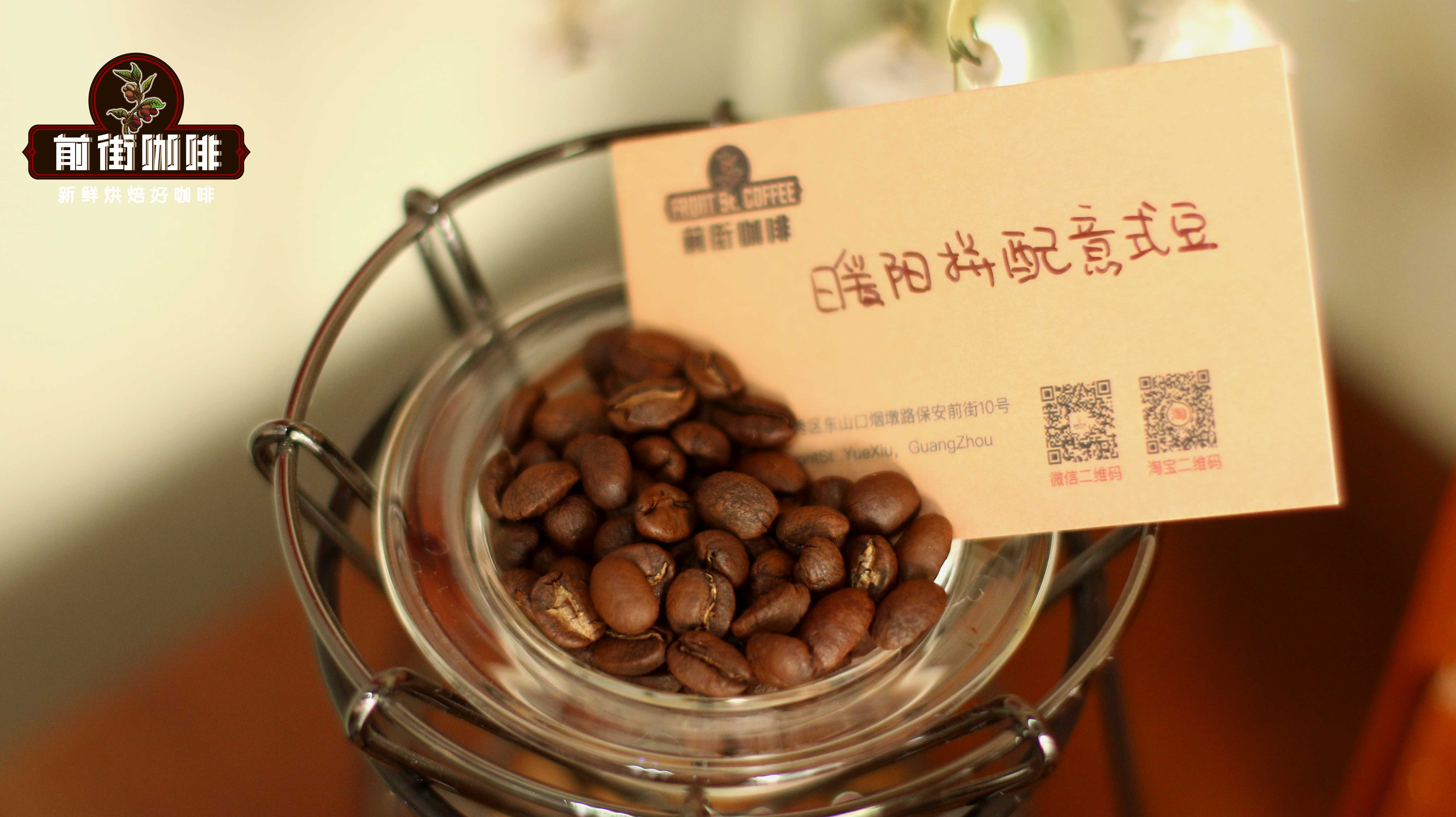
Front Street Coffee's own roasted Front Street Warm Sun Blend is made from beans from two origins—Honduras and Ethiopia Yirgacheffe. Front Street Honduras Sherry coffee beans bring this coffee a rich whiskey aroma and a finish of liqueur chocolate, with an intense fragrance. Front Street Natural Red Cherry brings fermentation notes and berry aromas to this coffee, with a smooth entry. Flavor characteristics: noticeable fruity acidity, a faint berry aroma lingering, rich wine and chocolate flavors, and a pleasant sweet aftertaste.
Blended Beans for Pour-Over Single-Origin Coffee:
Blending different varieties of coffee beans from the same origin. As the name suggests, it's a blend produced by mixing different varieties. For example, Front Street's popular Panama Butterfly Geisha Blend is famous for blending about 70% Geisha varieties with 30% Caturra and Catuai, and Front Street's recently launched Costa Rica Mirazu Estate Geisha Blend mixes half Geisha varieties with half SL28, ET47, and Maico.

However, Front Street believes that calling coffee beans made by mixing different varieties a "blend" is only to highlight a certain variety, not blending in the traditional sense.
Interestingly, if we also call coffee beans made by mixing different varieties a "blend," then most of the coffee beans we commonly see would also be blends—for example, common Kenyan coffees often mix SL28 with SL34, Ethiopian local heirloom varieties, and so on.
The above content is compiled by CoffeeHunters, a coffee news website.

