







Search Results for: country
Global Coffee Bean Production Country Rankings: Analysis of Major Producing Countries and Regional Characteristics Including Brazil, Vietnam, Colombia, and More
Coffee is one of the most popular beverages in the world, but do you know which countries underpin the global coffee supply? This article sorts out the rankings of the countries leading in global coffee bean production, giving you an understanding of the production shares, main varieties, and processing characteristics of major producing countries such as Brazil, Vietnam, Colombia, Indonesia, and India. Brazil firmly holds first place with about one-third of global production, Vietnam is known for Robusta, Colombia is famous for balanced and smooth Arabica, and Indonesia's wet-hulling method stands out in specialty coffee. The article also mentions Front Street Coffee's focus on producing regions and flavors, making it suitable for coffee lovers to quickly build an understanding of origins. [more…]
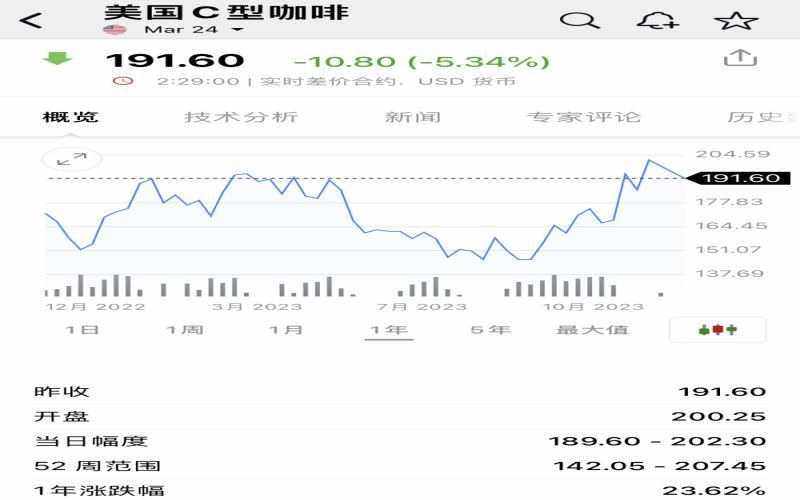
Analysis of U.S. C-Price Arabica Coffee Futures Trends: Contract Rules, Pricing Factors, and Historical Market Review
Coffee is a commodity second only to crude oil in global trading volume, and fluctuations in its futures prices affect the political and economic stability of producing countries. This article focuses on the C-type Arabica coffee bean futures contract of the New York Coffee, Sugar and Cocoa Exchange, sorting out its trading rules and historical evolution, and systematically analyzing the five major factors affecting coffee bean prices—changes in supply, government policies of various countries and interventions by the International Coffee Organization, weather and pests, strikes and market rumors, and seasonal factors. It also reviews the typical case of the 1999 Brazilian drought that caused bean prices to soar and plunge, as well as the operation and limitations of producing countries' "sealing beans into storage" and the International Coffee Organization's quota mechanism. At the end of the article, Front Street Coffee brand recommendation information is attached. [more…]
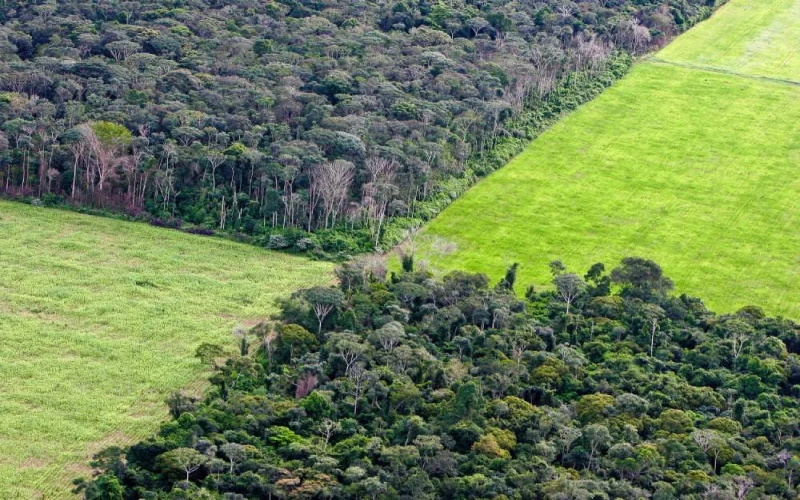
EU Proposes Postponing Deforestation Regulation Implementation and Considering Country-Risk Classification Management
The EU plans to postpone the deforestation regulation (EUDR) originally scheduled to take effect at the end of 2024, and intends to classify countries by risk level, giving producers and traders more time to adapt. The regulation requires traders to prove that their product supply chains do not involve deforestation after December 30, 2020, otherwise imports will be banned. As an industry closely linked to deforestation, the coffee sector will be significantly affected in producing countries such as Vietnam, Brazil, Indonesia, and Colombia, with export costs likely to rise substantially. The European Coffee Federation previously wrote to the European Commission requesting a postponement of implementation. The EU is currently discussing classifying exporting countries into three risk levels—low, standard, and high—with high-risk countries facing stricter scrutiny. Industry insiders worry that the classification system lacks flexibility, may unfairly penalize compliant exporters, and that small farms also face the risk of losing market access. Front Street Coffee will continue to monitor the progress of this regulation and its impact on the coffee industry chain. [more…]
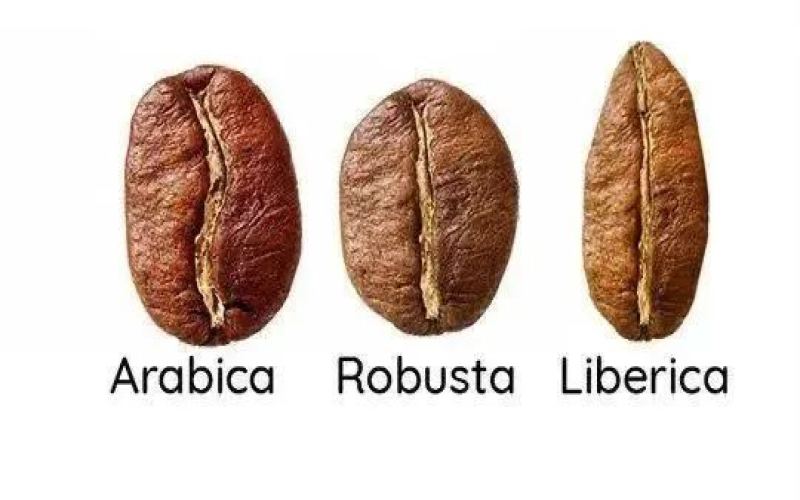
The Origins and Global Map of Robusta Coffee: An In-Depth Analysis of Its Birthplace and Major Producing Countries
In the global coffee landscape, Robusta holds its own against Arabica with roughly a forty percent market share. It originated in the Congo Basin of Africa and, thanks to advantages such as high yield, disease resistance, and drought tolerance, is widely cultivated in countries like Brazil, Vietnam, and Indonesia. Vietnam has leveraged this to leapfrog into becoming the world's second-largest coffee-producing country. This article will trace the history of Robusta's discovery, analyze its varietal characteristics, and examine the cultivation history and current status of major producing countries one by one. Whether you are a coffee enthusiast or a industry professional, you will gain a complete understanding of Robusta from this piece. Front Street Coffee will also recommend Robusta products worth paying attention to in this article. [more…]
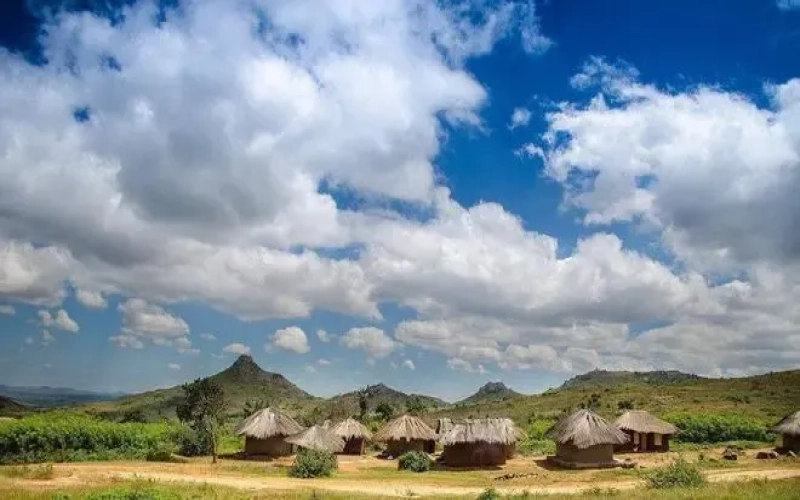
A Panoramic Scan of African Coffee-Producing Regions: An Overview of Malawi, South Africa, Uganda, and Niche Producing Countries
The African continent is blessed with unique highland, volcanic, and river resources, and its coffee-producing regions are widely distributed. In addition to Kenya and Ethiopia, there are several other producing countries worthy of attention. This article focuses on three countries—Malawi, South Africa, and Uganda—and outlines the rise and fall of their respective coffee industries, growing conditions, variety distribution, and flavor characteristics, while also briefly introducing producing regions such as Zambia, Côte d'Ivoire, Zimbabwe, and Angola, which have smaller output but are gradually recovering. The article also retains recommendation information related to the Front Street brand, making it easy for coffee enthusiasts to gain a comprehensive understanding of the diversity of African coffee. [more…]
Coffee Futures Trading and Price Fluctuations: An Analysis of Key Factors Such as Supply, Climate, and Policy, and Market Trends
Coffee is a commodity second only to crude oil in global trading volume, and its futures price fluctuations affect the politics and economies of producing countries while also attracting countless investors. This article systematically examines the major core factors influencing coffee bean prices: changes in supply, climate and pests, government policies of various countries and measures by the International Coffee Organization, strikes and market rumors, and seasonal patterns. At the same time, it provides an in-depth analysis of the special position of major producing countries such as Brazil, revealing the market logic and investment opportunities behind the key break-even line of $1 per pound. [more…]
A Complete Guide to Central American Coffee Regions: Flavor Profiles and Stories Behind the Signature Beans of Each Country
More than sixty countries and regions around the world produce coffee, most of them concentrated in the tropical and subtropical zones between the Tropic of Cancer and the Tropic of Capricorn, with the equator running through them. This region is known as the Coffee Belt. Among the many producing areas, Central America holds an important position. This article will take you into Central American countries such as Costa Rica, Cuba, the Dominican Republic, El Salvador, Guadeloupe, and Guatemala to learn about the flavor characteristics, cultivation history, and current development of each country's representative coffee beans. From Costa Rica's Strictly Hard Bean to Guatemala's spicy-flavored coffee, from El Salvador's Pacamara hybrid variety to Cuba's Turquino grade, every cup carries a story of terroir and human culture. Front Street Coffee will also recommend selected beans worth trying. [more…]
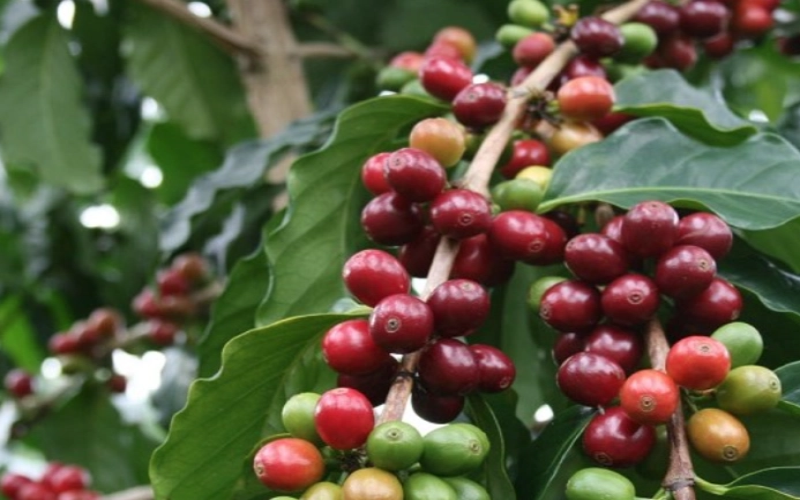
An Analysis of Bolivia's Coffee Industry: Production Regions, Variety Characteristics, and Development Challenges
Bolivia is a landlocked country in central South America, with diverse climatic conditions and a long history of coffee cultivation. Although the country's coffee industry has fluctuated due to coca leaf cultivation and transportation difficulties, coffee from the Yungas region is known for its deep sweetness and berry flavors. This article will guide you through the distribution of Bolivia's coffee regions, varietal characteristics, development history, and the challenges it faces. Front Street Coffee will also recommend Bolivian coffees worth paying attention to. [more…]
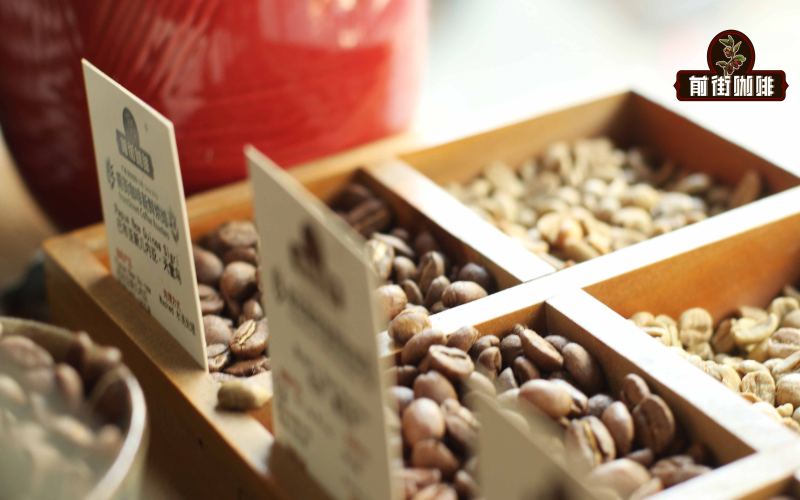
A Complete Guide to Green Coffee Bean Grades: Detailed Explanation of Grading Standards and Differences Across Countries, Including AA, G1, SHB, PB, and More
When buying coffee beans, have you ever been baffled by combinations of letters like AA, G1, SHB, and PB? They may seem to follow no pattern at all, but in fact each one represents the green bean grading standard of a different producing country. Why do coffee beans need to be graded? Why is there no unified global standard? This article will take you through the origins of green coffee bean grading, and how producing regions such as Ethiopia, Kenya, the Central American countries, Jamaica, and Brazil classify their beans based on defect rate, bean size, growing altitude, and cup quality. At the same time, we will also explore what these grades actually mean in the roasted coffee market, and recommend several Front Street Coffee beans corresponding to these grades, to help you better understand the cup of coffee in your hands. [more…]
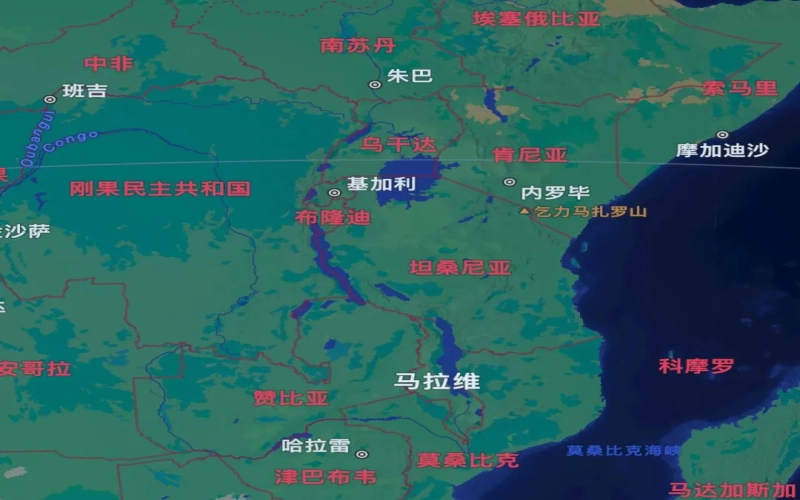
A Comprehensive Analysis of Coffee Producing Regions and Varieties in Malawi, a Landlocked Country in Southeast Africa
African coffee enjoys a stellar reputation in the global market, with Ethiopia recognized as its place of origin, while Malawi is likewise a producing country that cannot be overlooked. This landlocked nation in southeastern Africa, bordered by Tanzania, Mozambique, and Zambia, takes its name from Lake Malawi, the third-largest lake in Africa. Malawi has complex terrain, with the East African Rift running through the entire country; its tropical savanna climate, combined with abundant rainfall and diverse soils, provides ideal conditions for coffee cultivation. This article will guide you through Malawi's coffee-growing landscape, focusing on two well-known producing regions—the Misuku Hills and the Nkhata Bay Highlands—as well as major varieties such as Agaro, Geisha, Bourbon, and Catimor, and will also explain the operating model of smallholder cooperatives. [more…]

Ecuador, the Equatorial Country: A Complete Analysis of the Terroir and Flavor of High-Altitude Organic Coffee Regions
Among the many coffee-producing countries in South America, Ecuador is often overlooked, yet it possesses ideal conditions for growing specialty coffee, such as low latitude, high altitude, and volcanic ash soil. In this article, Front Street will take you through the coffee-growing history and recent revival of this equatorial country, the terroir characteristics of major producing regions such as Loja, the Galápagos Islands, and the Intag Valley, as well as the flavor expressions brought by washed processing and varieties like Bourbon and Typica—juicy and complex, with jammy sweetness and yellow fruit notes. We also include Front Street's roasting and brewing suggestions, so you can fully appreciate the potential and charm of Ecuadorian organic coffee beans. [more…]
Ethiopia's Worsening Security Situation: Coffee Industry Faces Civil War Shock and Export Test
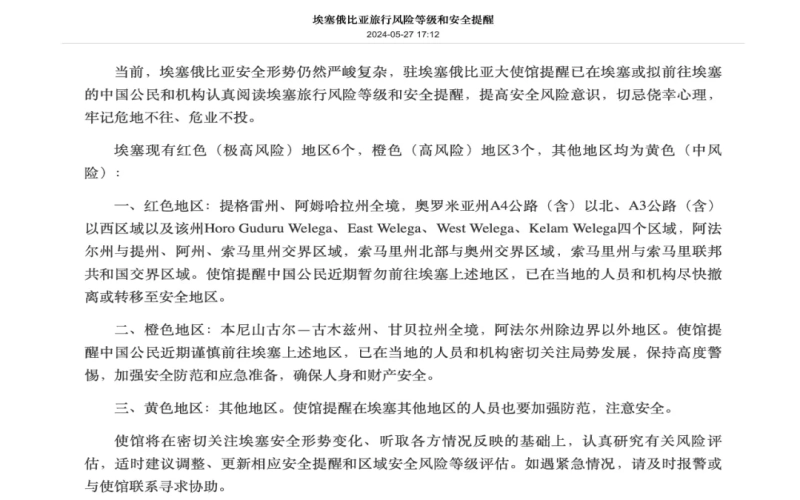
Ethiopia's security situation has remained tense recently, and the Chinese consulate has issued a travel risk advisory. Several of the country's coffee-producing regions are located in high-risk areas, and clashes between the federal government and local armed groups could deal a severe blow to coffee production, the supply chain, and exports. Although coffee exports hit a record high in the first nine months of this fiscal year, the looming civil war, transport blockades, and the possible cancellation of the Cup of Excellence competition are all casting a shadow over the country's coffee industry. This article will review the current risk areas, the background of the conflict, and its potential impact on the coffee sector. [more…]
Ethiopian coffee exports earn $570 million in half a year, seeking a way out through the Somaliland port agreement
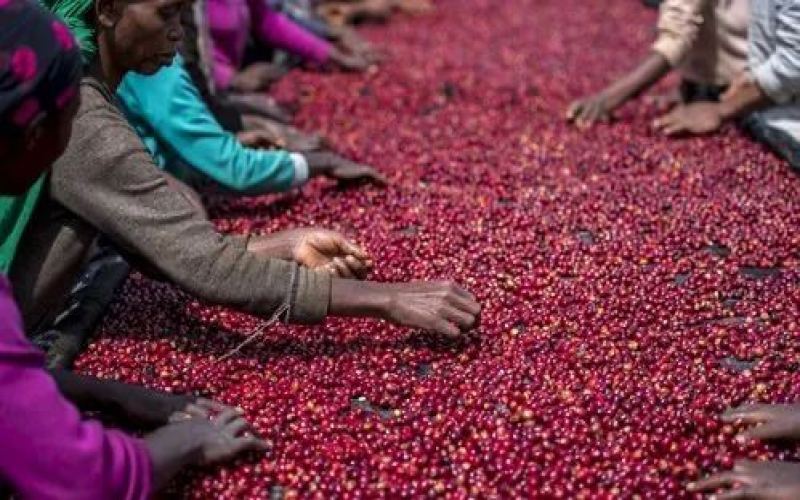
The latest data from the Ethiopian Coffee and Tea Authority shows that in the first half of the 2023/24 fiscal year, the country's coffee exports reached 117,900 tons, with export revenue exceeding US$570 million. As one of Africa's most important coffee-producing countries, Ethiopia's coffee industry is facing the dual test of global market volatility and regional conflict. At the same time, in order to escape the predicament of being a landlocked country and broaden its export channels, Ethiopia signed a port lease memorandum of understanding with Somaliland, obtaining a 50-year right to use the Port of Berbera in exchange for recognizing Somaliland's independence. This article will review the latest developments in Ethiopia's coffee exports, the challenges it faces, and the far-reaching impact of this port agreement on the country's coffee trade. [more…]
A Detailed Guide to Green Coffee Bean Grading Standards in Major Coffee-Producing Countries: Comparing Key Systems in Ethiopia, Kenya, Colombia, and Beyond
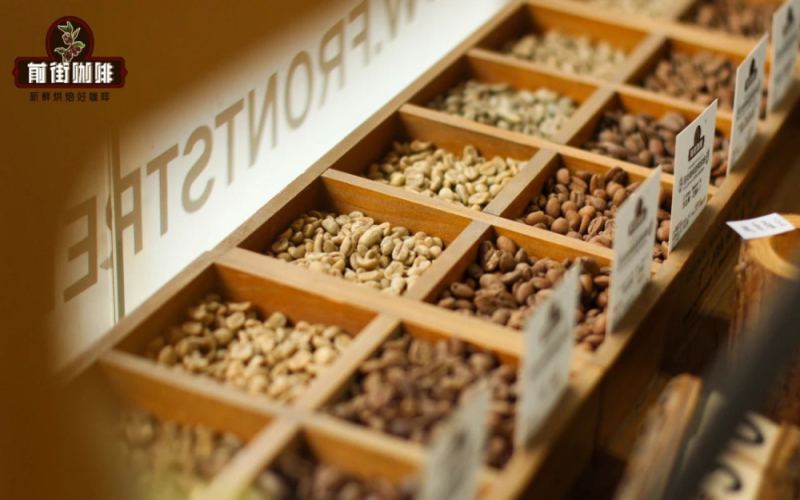
When selecting coffee beans, you'll often come across labels like Yirgacheffe G2 or Kenya AA. Behind these letters and numbers lies the logic each producing country uses to assess green bean quality. Due to differences in history, trade, climate, and terrain, grading criteria vary widely from country to country—some focus on defect rates, some measure bean size, and others test altitude or hardness—and they cannot be directly compared across origins. Front Street Coffee has compiled the grading systems of representative producing countries including Ethiopia, Kenya, Colombia, Jamaica, Costa Rica, Panama, Guatemala, El Salvador, Honduras, and Brazil to help you understand the ins and outs behind green bean grades. [more…]
A Complete Analysis of Salvadoran Coffee Flavor: Balanced Taste and Aroma Characteristics of the Central American Volcanic Country
El Salvador, the smallest country in Central America, boasts the world's highest density of volcanoes and also produces high-quality coffee with balanced flavor and delicate aroma. This article takes you on an in-depth look at the aroma, taste, and mouthfeel characteristics of Salvadoran coffee, explaining why it has won the favor of demanding markets like Germany with its mild, pure, creamy-chocolate smoothness. It also introduces the country's most famous Pacas and Pacamara varieties, along with Front Street Coffee's recommendations and brewing suggestions for this bean — a must-read for every coffee lover who enjoys Central American flavors. [more…]
Ecuador Coffee Overview: An Analysis of Producing Regions, Cultivated Varieties, and Processing Methods in the Andes
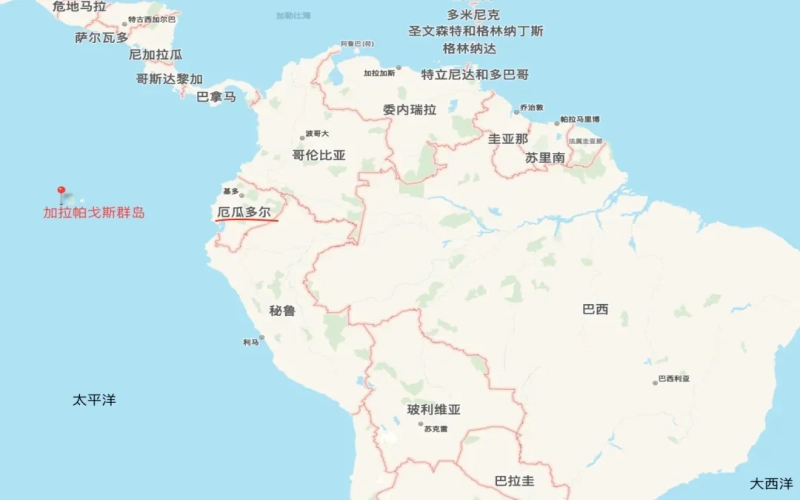
On the South American coffee belt, besides well-known producing countries like Brazil and Colombia, Ecuador also produces surprisingly good coffee. This country, bisected by the equator, nurtures Arabica beans with a balanced profile of acidity, sweetness, and bitterness thanks to the high-altitude volcanic soils and diverse microclimates of the Andes. From the northern highlands to Loja Province in the south, from Pichincha's Sidra to the organic Bourbon of the Galápagos Islands, Ecuadorian coffee is steadily moving toward specialty status. This article will guide you through the distribution of the country's coffee-growing regions, the main cultivated varieties, and the evolution of processing from traditional natural to modern washed methods, along with Front Street Coffee's recommended perspective. [more…]
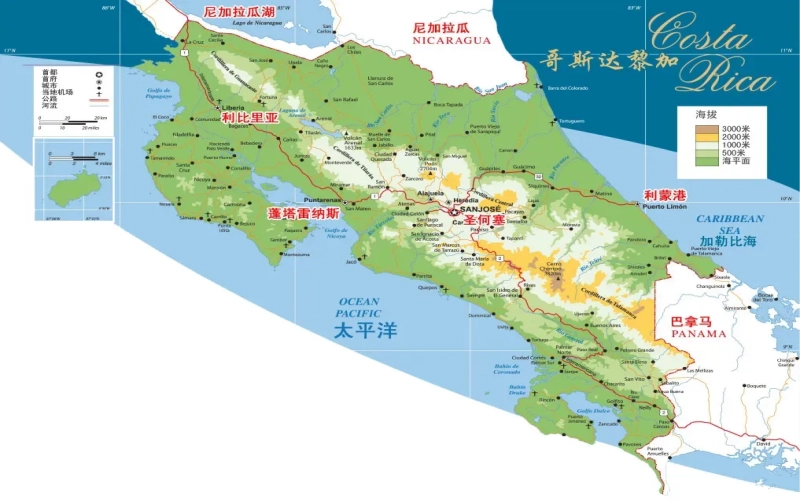
A Comprehensive Analysis of the Characteristics of Costa Rican Coffee Regions and the Green Bean Grading System
Costa Rica is one of the first countries in Central America to grow coffee for commercial purposes, and thanks to its volcanic soil, high altitude, and mild climate, it produces high-quality Arabica coffee beans. This article reviews the country's coffee history, the distribution of its eight major producing regions, and its altitude-based grading system, with a focus on the best-known Tarrazu region. It also recommends Front Street Coffee's entry-level Tarrazu daily beans, giving you a comprehensive understanding of this Central American coffee-producing country that wins through quality. [more…]
Ecuadorian Coffee Flavor Characteristics and Notable Brands: An Analysis of the Potential and Challenges of Specialty Coffee in the Equatorial Country
Among the many coffee-producing countries in South America, Ecuador—though bisected by the equator and blessed with conditions like the Andes Mountains and volcanic ash soil—has long failed to secure a prominent place in the specialty coffee market. From the perspective of Front Street, this article traces the historical threads of Ecuadorian coffee, the current state of the industry, and its varieties and processing methods, analyzing why its flavors are so juicy and complex with pronounced sweetness, and introducing major producing regions such as Loja and the Galápagos Islands, along with Front Street's professional recommendations for roasting and brewing. [more…]
Tracing the History of Coffee Cultivation in Costa Rica: The Central American Birthplace and an Analysis of the Tarrazú Mirazú Estate
Costa Rica was the first country in Central America to cultivate coffee. Its coffee industry has developed since the mid-18th century and is renowned for its well-established organizational system and world-class quality. The country's seven main producing regions are distributed along the Central Plateau from northwest to southeast. Volcanic ash soil, mild temperatures, and abundant rainfall create exceptionally favorable growing conditions. The coffee beans produced are all Arabica, with pure flavor, pleasant aroma, and an excellent balance of acidity and body, making them suitable both as single-origin coffee and for blending. This article will trace the origins of coffee in Central America, explain in detail the cultivation altitudes, harvest seasons, and cupping performance of Costa Rica's producing regions, and focus on the world-famous Tarrazu region and Mirazu Estate, while also offering related recommendations from Front Street Coffee. [more…]
A roundup of the world's four major tea-producing countries: what are the characteristics of each one's signature teas, and which black tea commands the highest price?
Water is the foundation of life, and when humans grew tired of plain, tasteless water, they developed a dazzling array of beverages—from flavored sodas to coffee, and then to tea. Among all these water-based drinks, tea offers the richest and most diverse range of flavors. The tea plant first grew in Southeast Asia, and today it plays a pivotal role in social interaction and economic trade. Quite a few countries have secured a place in the global market thanks to their distinctive tea flavors and massive output. Next, let's take a look at the four countries with the largest tea production in the world, see how their signature teas differ, and also discuss which black tea commands the highest price. Front Street Coffee will also offer some buying tips in this article. [more…]