







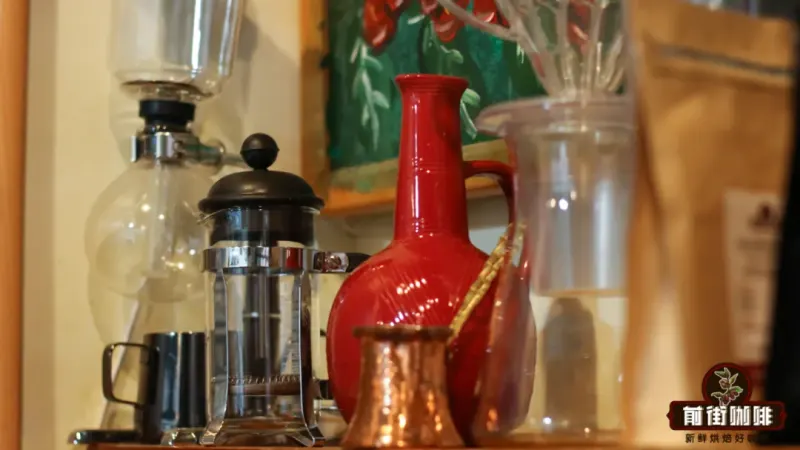
Why pour-over suits single-origin coffee beans
Pour-over is the usual choice for single-origin coffee in cafes because it performs well across several dimensions at once rather than excelling at just one. Drip extraction produces clear layers and distinct flavors, which suits the flavor-focused roasting and sourcing that specialty coffee has promoted since the 1990s.
Compared with a siphon, French press, or other devices, pour-over offers controllable parameters, quick brewing, and easy operation for staff. That balance matters when a cafe wants to highlight the character of a specific lot, such as a floral coffee beans offering, without adding complexity to the bar workflow. Visual presentation during brewing is a further advantage.
When you order a single-origin coffee in a café, have you ever noticed that it is almost always presented as a pour-over? Why not a siphon, a French press, or some other device? The answer is actually not complicated—pour-over coffee has the most balanced overall capabilities, making it the all-rounder among brewing devices. It performs well across six dimensions: flavor expression, ease of operation, brewing speed, parameter controllability, versatility of play, and visual appeal. In this article, from the perspective of Front Street Coffee, we will analyze these six advantages one by one to help you understand why pour-over coffee has become the preferred method for cafés to brew single-origin beans.
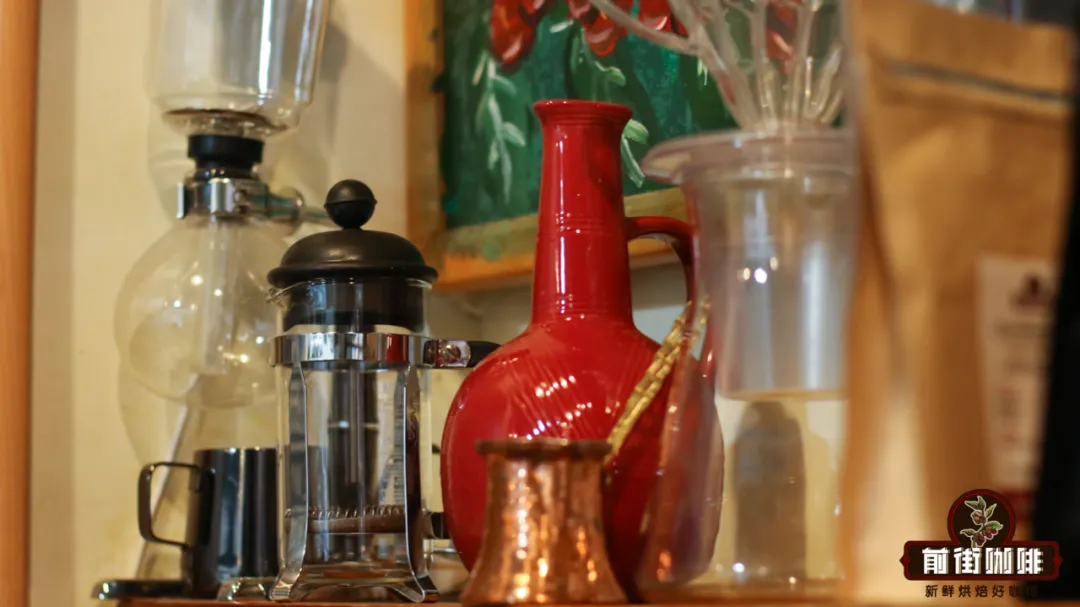
For this reason, many customers who visit the shop often ask Front Street whether they can use the devices they have on hand to brew single-origin coffee. Whenever they get a negative answer, they immediately follow up with: "Is it because the coffee made with those devices doesn't taste as good as pour-over?" or "Why do cafés prefer pour-over for their single-origin beans?"
I suppose many friends online have the same doubt, so today Front Street will talk with everyone about this topic—why do cafés almost always choose pour-over to make single-origin coffee!
Why do cafés always like to use pour-over to make single-origin coffee?
The reason is actually very simple, just as Front Street explains to customers in the shop. Compared with other devices, pour-over coffee has more comprehensive overall performance. We can think of it as a "hexagonal warrior"—although it may not be the absolute best in any single ability, when measured as a whole, it is undoubtedly the best solution for cafés to brew single-origin coffee.

First, it can easily present distinct coffee flavors
Since the 1990s, the promotion of the specialty coffee concept has made more and more people pay attention to coffee flavor expression. Every step from cultivation, roasting, to brewing revolves around how to highlight flavor.
Among the many extraction methods, pour-over happens to be one of the options best at showcasing flavor. It belongs to drip extraction, and drip extraction can easily present coffee with clear layers and distinct flavors. For example, the Front Street Ethiopia Huakui on Front Street's bean list, when made as a pour-over, has particularly prominent flavors of strawberry, floral notes, cream, and citrus, with balanced acidity and sweetness and a light mouthfeel. We can easily distinguish the flavor layers in it.
If we switch to an immersion extraction device, such as a French press, although the coffee's body will be better and the taste more balanced, the recognizability of the flavors will be relatively weaker.
(This is not to say the French press is bad, only that each has its own strengths.)
However, this point alone is not enough to make pour-over the mainstream for single-origin extraction, because by adjusting parameters and operating techniques, other devices can also make similar coffee. As Front Street said earlier, pour-over is a "polygon warrior." In addition to easily making coffee with outstanding flavor, it also has many other strengths, such as—convenience.
Second, convenience
Convenience is a major feature that makes pour-over coffee widely favored. Whether in operation or cleaning, it is much less troublesome than most devices. The operation process is not complicated, and cleaning is also very simple. As long as you have a tool that can pour water, plus filter paper and a dripper, you can start making coffee.
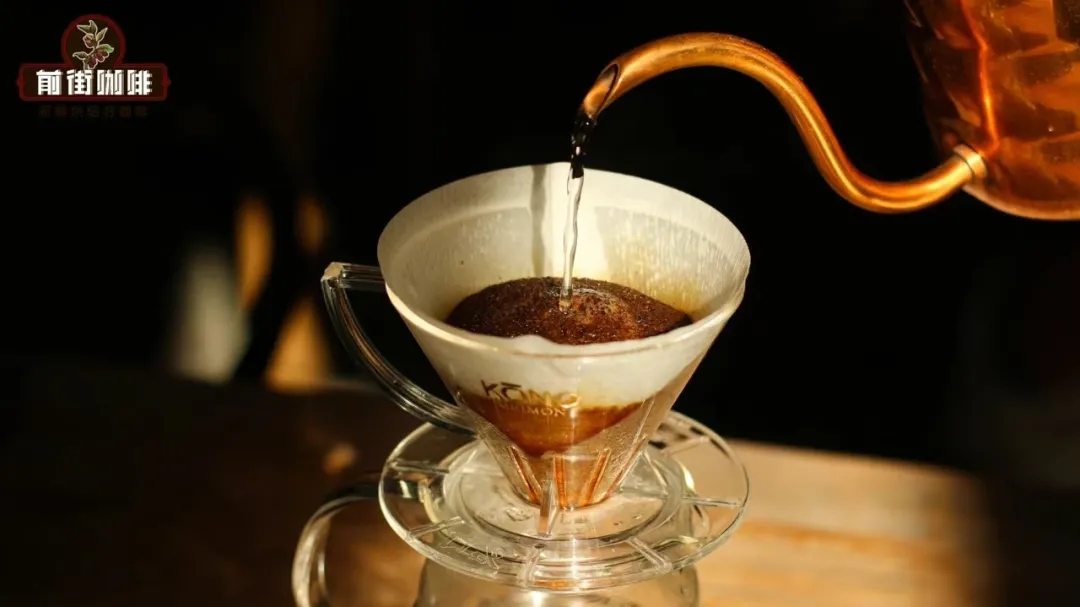
Moreover, filter paper is a disposable filter material. After brewing is completed, just lift it up and throw it directly into the trash together with the coffee grounds. Finally, simply rinse the dripper and server with clean water, and the cleaning work is done. Very effortless, very convenient!
Third, speed
In addition to convenience, speed is also one of the reasons pour-over coffee has a broad audience. From starting preparation to completion, brewing a pot of good coffee takes only about 5 minutes. Most devices take about 10 minutes to make coffee. By comparison, pour-over takes only half that time or even less. Combined with the ease of making and cleaning, choosing pour-over coffee can greatly improve a café's brewing efficiency.
Fourth, high controllability
Compared with most extraction methods, pour-over coffee is more controllable. Unlike pressure extraction, it will not be disturbed by excessive carbon dioxide release from coffee beans. Simply adjusting the parameters or pouring technique can easily brew a delicious cup of coffee.
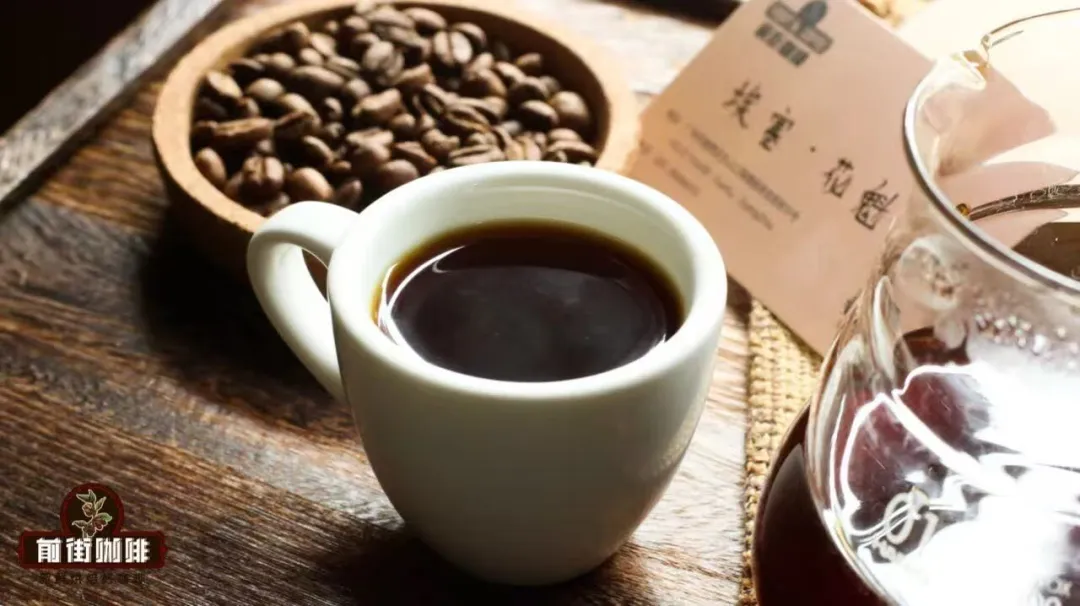
Not only that, because the parameters used are not so extreme, we can also judge whether extraction is normal during brewing based on the state of the coffee bed and the water level in the dripper, and then make timely adjustments to avoid off-flavors caused by under-extraction or over-extraction.
Fifth, extremely high playability
Of course, what must be mentioned is its playability. Pour-over coffee has a great deal of room in this regard! Just the choice of equipment such as drippers and filter papers is already quite rich. When it comes to the brewing stage, there are also various pouring methods to choose from, such as the three-stage pour, 4:6 method, agitation method, variable-temperature brewing, and so on.
These different choices allow us to brew coffees of different styles. For example, some pouring methods can make the coffee sweeter, some can bring an excellent juicy feel, coffee brewed with this filter paper has more aroma, while switching to another filter paper gives a cleaner mouthfeel...
Sixth, high visual appeal
The last thing to mention is visual appeal. The process of making pour-over coffee is extremely visually attractive! Whether it is the barista's focused expression while pouring, the vortex created as the water circles around, the swollen coffee bed during blooming, or the deep pit left in the coffee bed after the coffee liquid has fully drained through... all of these can give customers plenty of visual enjoyment.
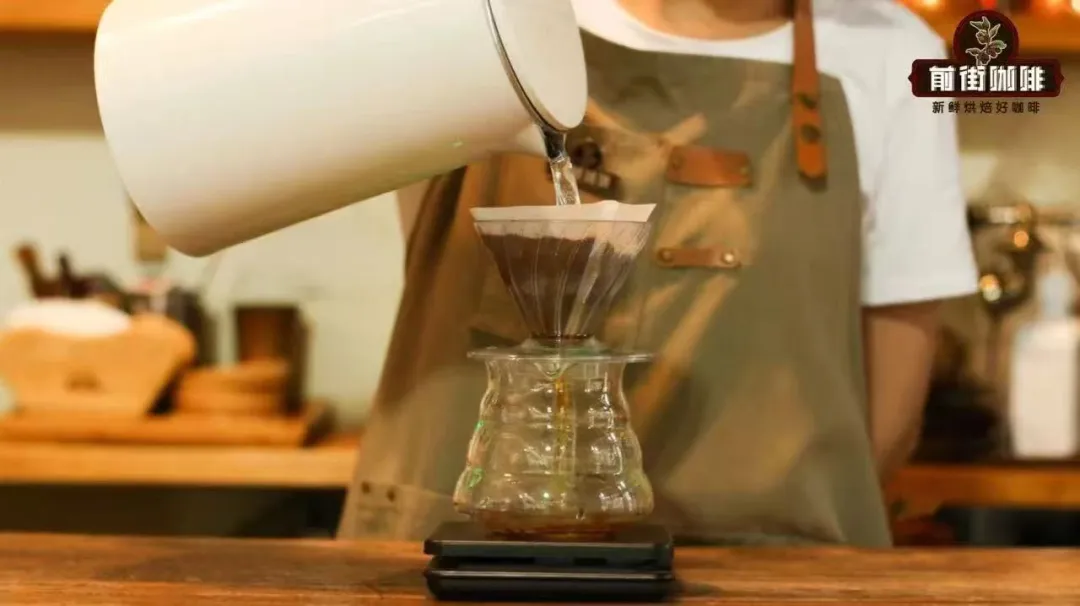
Based on the above six points, we can understand why most single-origin coffee in cafés is made by pour-over rather than siphon, French press, or other devices. Of course, other methods are not absent, only much less common~
- END -
The above content is compiled by CoffeeHunters, a coffee news website.


