







Can Blended Coffee Beans Work for Pour-Over and Single-Origin for Espresso?
Blended coffee beans combine two or more origins by recipe, usually roasted medium to dark for espresso so crema and body stay stable. Single-origin beans come from one place and highlight terroir, often brewed as pour-over. Both can cross over: blends can be poured over, and single-origin beans can be pulled as espresso.
SOE coffee, or single-origin espresso, uses one origin in the basket, so roast level and freshness matter more. Blending began as a cost-saving measure, but specialty roasters now pick high-quality lots to balance aroma and mouthfeel. Examples include Yirgacheffe, Huakui, Red Cherry, and Golden Mandheling, each suited to different brew methods.
Blended coffee beans and single-origin pour-over coffee beans are the two most common types of beans in the coffee world. The former is usually extracted with an espresso machine, pursuing a balance of crema and body; the latter mostly comes from a single origin, emphasizing unique terroir flavors, and is often presented via pour-over. So, can blended beans be used for pour-over? And can single-origin beans be used for espresso? This article will systematically sort out the definitions, roasting orientations, and applicable scenarios of the two, and attach Front Street brand's popular single-origin and SOE bean lists, including Yirgacheffe Gedingding, Huakui, Little Tomato, Strawberry Candy, Yunnan Small-Bean Typica, as well as SOE options such as Red Cherry, Mozart, and Golden Mandheling, to help coffee lovers make choices based on flavor preferences and brewing methods.
In the coffee industry, blended coffee and pour-over single-origin coffee are two frequently mentioned concepts, corresponding respectively to completely different categories of coffee beans.
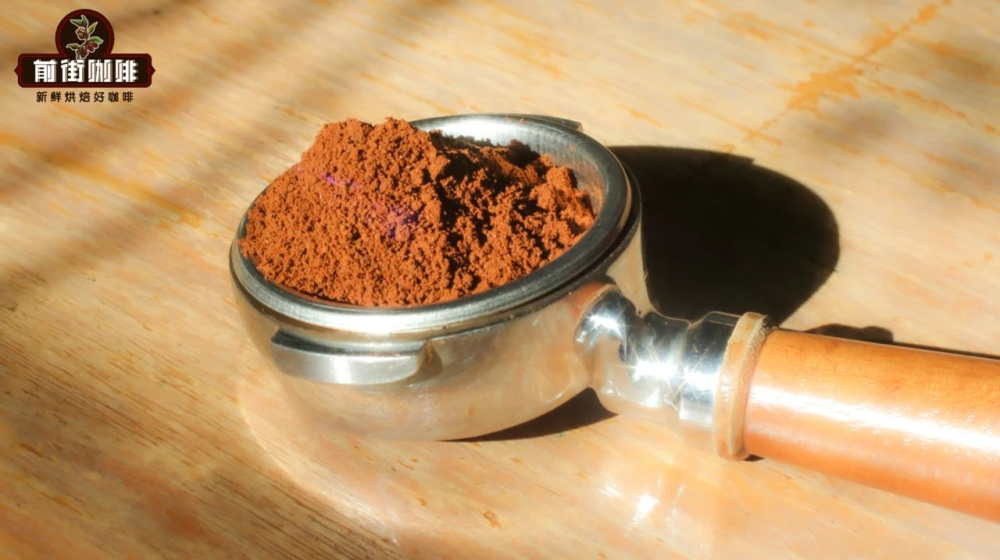
So-called blended coffee is made by mixing coffee beans from two or more origins according to a certain recipe. These beans are mostly used for espresso machines. To highlight crema richness and a full-bodied mouthfeel, the roast level often falls at medium or dark, thereby making extraction more stable and the flavor more balanced. For example, if one bean is smooth in mouthfeel but lacking in aroma, another highly aromatic bean can be blended in, allowing the strengths of beans from various origins to complement each other, achieving complementarity or enhancement in taste.
When blended coffee first appeared, it was indeed to reduce costs, and there is no need to avoid this point. However, after the specialty coffee wave arose, saving money was no longer the only demand. Consumers cared more about the flavor in the cup and were willing to pay higher prices for a better experience, so roasters began selecting high-quality coffee beans for blending in order to achieve more ideal flavor performance.
The most prominent characteristic of espresso is its rich and mellow flavor; even when diluted with milk or water, the coffee flavor remains clearly recognizable. In addition, because the coffee machine uses pressurized extraction, it takes very little time, so it is more suitable to choose fresh blended beans with a medium-dark roast, which can provide sufficient crema and also bring rich roasted aromas to the espresso, making the entire extraction process twice as effective with half the effort.
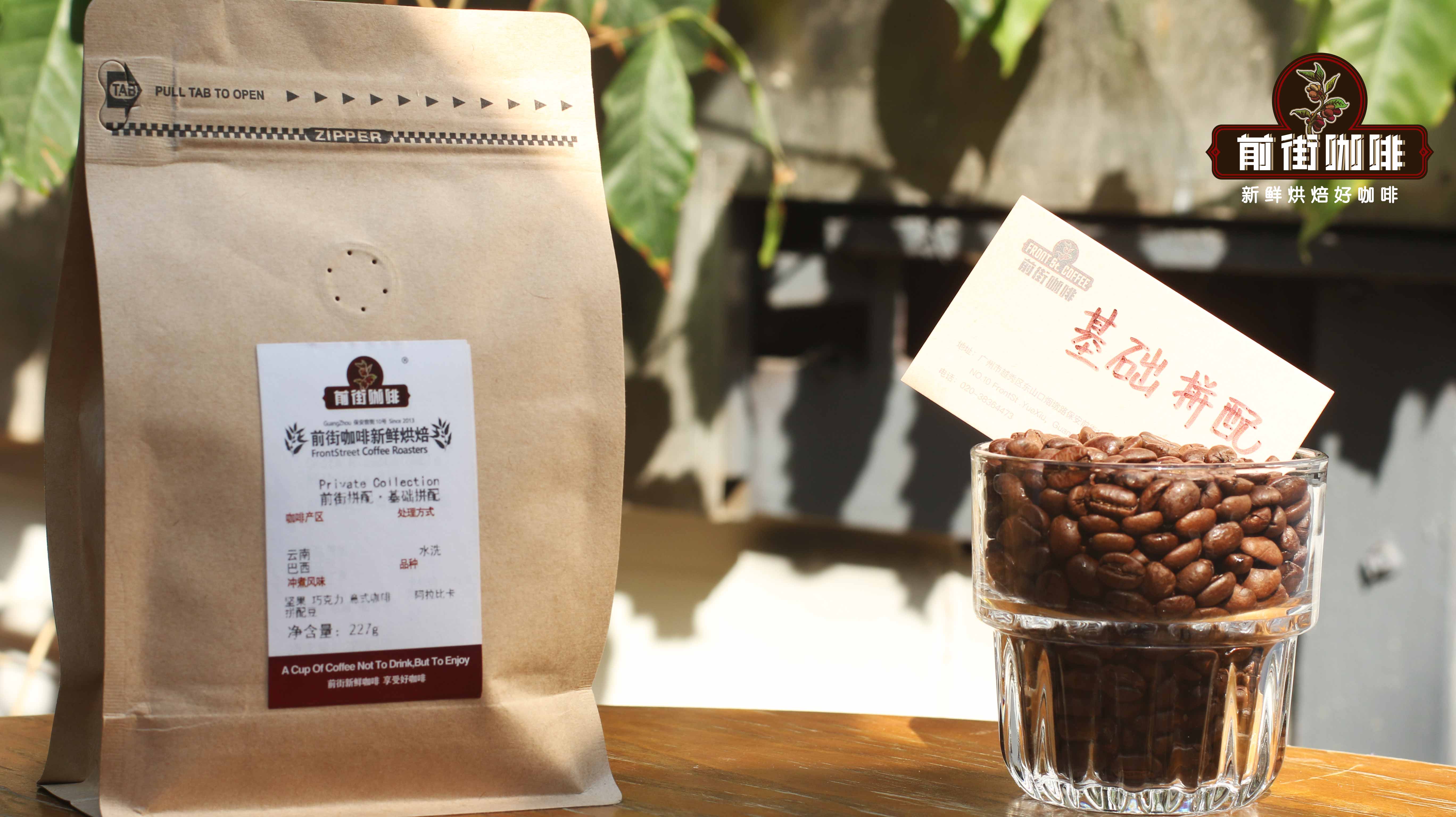
The coffee beans supplied by Front Street Coffee are all freshly roasted within 5 days, with stable and outstanding quality and very competitive prices, and can be shipped within 24 hours. Whether you are a beginner who has just started, an advanced enthusiast, or a user planning to open a coffee shop, you can find beans suitable for you. If you want to buy delicious but inexpensive espresso blends, it is recommended to choose freshly roasted espresso beans recognized by many baristas—Front Street Black Cocoa Blend, Front Street Classic Blend, and Front Street Commercial Blend.
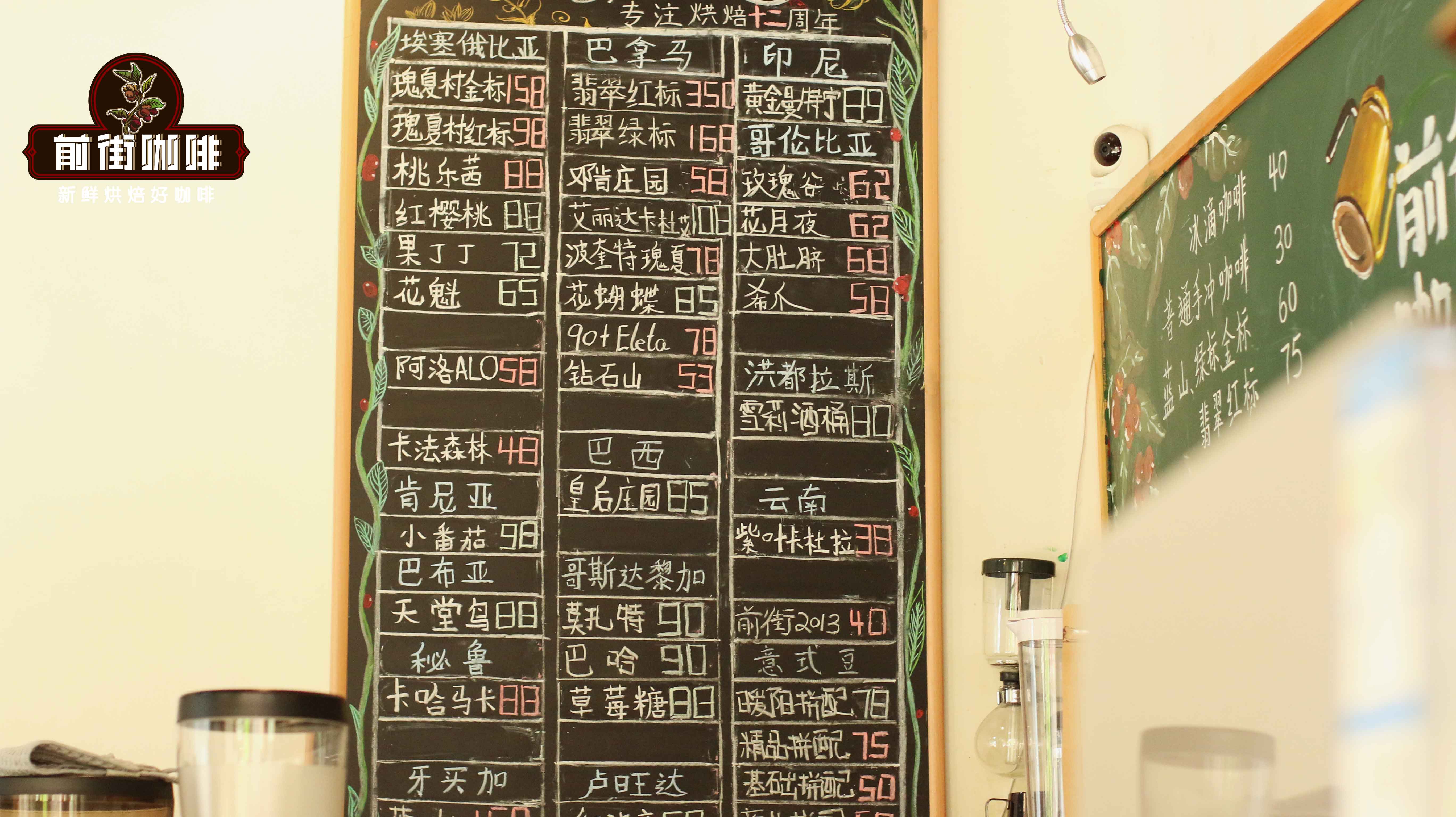
In contrast to blended coffee beans is single-origin coffee. It refers to coffee beans from a single origin. Because it needs to highlight the unique taste of the origin, it is usually extracted by pour-over. The following is the best-selling Front Street single-origin pour-over coffee bean list:
1. Ethiopia (floral, citric acidity)—recommended Front Street Yirgacheffe Gedingding Cooperative coffee beans
Region: Yirgacheffe, Ethiopia
Cooperative: Gedingding Cooperative
Growing altitude: 2000-2100m
Processing method: washed process
Variety: Ethiopian heirloom varieties
Flavor: bright citrus-like acidity, berry sweet-tartness, honey sweetness, green tea aftertaste.
2. Sidamo, Ethiopia (berry, tea-like)—recommended Front Street Huakui coffee beans
Region: Guji, Sidamo, Ethiopia
Processing station: Buku Able
Growing altitude: 2250-2350
Processing method: natural process
Variety: Ethiopian heirloom varieties
Flavor: complex berry juice, fruity fermented aroma, strawberry sweet-tartness, jackfruit
3. Kenya (cherry tomato, juicy)—recommended Front Street Little Tomato coffee beans
Region: Thika, Kenya
Processing station: Asali
Growing altitude: 1550-1750m
Processing method: 72-hour washed process
Variety: SL28, SL34
Flavor: cherry tomato aroma, plum, dark plum-like acidity, brown sugar-like sweetness.
4. Costa Rica (sweet, honey)—recommended Front Street Strawberry Candy coffee beans
Region: Tarrazu, Costa Rica
Estate: Mirazu Estate
Growing altitude: 1700m
Processing method: raisin honey process
Variety: Geisha SL28 ET47 Maico
Flavor: strawberry hard candy aroma, dried grape fermented aroma, strawberry sweet-tartness, rose floral aroma
5. Yunnan, China (nutty, balanced)—recommended Front Street Yunnan Small-Bean Typica coffee beans
Region: Baoshan, Yunnan
Growing altitude: 1450-1550m
Processing method: all-red cherry natural process
Variety: Catimor
Flavor: red berry sweet-tartness, dark chocolate richness, roasted nut-like aroma, caramel-like sweetness.
Of course, single-origin coffee beans can also be used to make espresso. With espresso, it is possible to satisfy people's pursuit of the unique flavors of beans in specialty coffee, but the prerequisite is that the coffee bean quality must be excellent and the extraction must be ideal enough. Using single-origin beans to make espresso, in the final analysis, is to let people who prefer espresso and milk coffee also taste the flavor of single-origin beans themselves, so be sure to choose single-origin coffee with a medium-dark roast and high origin recognition.
1. Front Street Yirgacheffe Natural Red Cherry SOE coffee beans, from Ethiopia, show obvious floral and fruity aromas when pour-over brewed, with bright and uplifting acidity and a clean and clear finish. Made into SOE, it presents aromas of orange and red berries, with a prominent sweet aftertaste, suitable for Americano.
2. Front Street Mozart SOE coffee beans, produced in Costa Rica, use raisin honey processing. When pour-over brewed, rose and candied fruit aromas are obvious, with full, soft sweet-tartness and a clean, rich mouthfeel. Made into SOE, it has a strong raisin flavor, osmanthus-like sweetness, medium body, and a smooth mouthfeel, suitable for making Americano and latte.
3. "Front Street - Front Street PWN Golden Mandheling SOE coffee beans." As a superior choice among Mandheling coffees, Front Street Golden Mandheling undergoes three rounds of hand sorting plus one round of machine sorting, reducing the defect rate of the coffee beans to a minimum. It uses a medium-dark roast. After being extracted into SOE, it has obvious flavors of spices, herbs, sandalwood, caramel, and so on, with a very full-bodied mouthfeel and a dark chocolate aroma left in the aftertaste.
The above content is compiled by CoffeeHunters, a coffee news website.


